
A proper 4/4 violin case must accommodate the standard dimensions of a full-size violin while preventing any shifting or pressure on critical areas like the bridge and scroll. Finding the right fit requires verifying the interior dimensions, evaluating the suspension system, and checking the hardware features before making a purchase.
Decoding Interior Dimensions for a Full-Size Violin
When shopping for a violin case 4 4, it is easy to focus on the external shell size. However, external dimensions only dictate how much space the case occupies in a closet or car trunk. The safety of your instrument depends entirely on the interior dimensions, which must align with the physical proportions of your specific violin.
A standard full-size violin typically features a body length of approximately 35.6 centimeters and an overall length of about 59 centimeters. Despite these general standards, individual instruments—especially older, historical models or handmade contemporary violins—often exhibit slight variations in body length, arching height, and bout widths.
Products mentioned in this guide


![[Flourishroly5] 4/4 Violin Case Hard Shell Handbag Practical Musical Supplies Storage Container Portable Violin Storage Hard Box for BeginnerFast shipping](https://img.lazcdn.com/g/p/2e483666c7fd2c095ab33239f0420ba6.jpg_400x400q80.jpg_.webp)
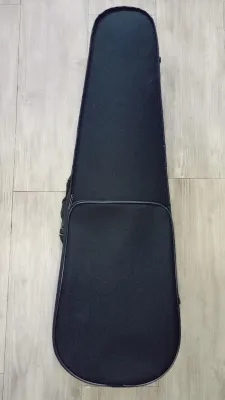
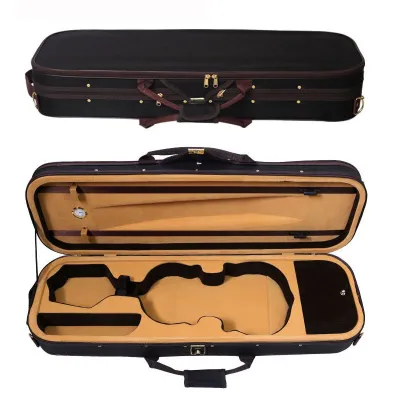
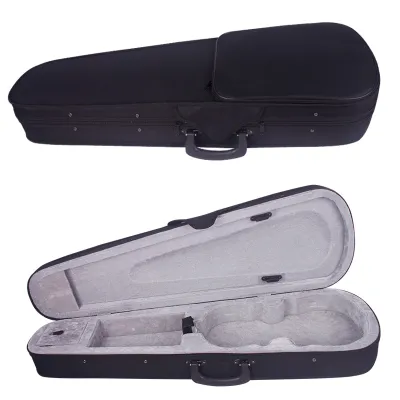
Prices are valid at publication and may change. Please refer to the product page for the latest price.
To ensure a secure fit, you must evaluate several key measurement zones inside the case. These include the total internal length from the scroll block to the endpin, the upper bout width, the lower bout width, and the vertical clearance for the bridge and neck. A case that is too tight can put dangerous pressure on the bridge or soundpost, while a case that is too loose allows the instrument to slide, risking impact damage.
Always consult the manufacturer’s detailed interior specification sheets rather than relying solely on the general size label. Comparing your instrument’s physical measurements against these official schematics is the most reliable way to prevent fit issues before purchasing.
Evaluating Padding and Suspension Systems
The internal structure of a case determines how well it absorbs shock during transport. Traditional form-fit foam interiors are molded to the general shape of a violin, relying on dense foam to cushion the instrument. While these can offer basic protection, they may not prevent the violin from absorbing direct vibrations from external impacts.

In contrast, a plush-lined suspension system uses elevated cushions to suspend the violin inside the shell. This design ensures that the back of the violin and the delicate scroll do not make direct contact with the hard outer shell of the case. Instead, the instrument floats on strategically placed pads, which absorb and dissipate impact energy.
A reliable suspension case must feature dedicated neck support, usually secured with a hook-and-loop strap or a tie, to keep the fingerboard stable. It must also provide a raised bridge area with ample vertical clearance. If the lid of the case presses down on the bridge, it can warp the wood or crack the top plate of the violin.
The interior lining material also plays a critical role in preserving your instrument. Look for soft, non-abrasive fabrics such as high-quality velvet, plush, or microfiber. These materials minimize friction against the delicate oil or spirit varnish of your violin, preventing wear spots and scratches during daily use.
Essential Hardware and Storage Features
Beyond the interior fit, the hardware and storage options of a case dictate its daily usability and security. The primary closure mechanism is your first line of defense against accidental openings. Heavy-duty metal latches offer robust security and durability, though they should ideally be paired with a zipper closure or a safety flap to protect against sudden latch failures.
Bow storage is another critical factor to evaluate. Most 4/4 cases accommodate either two or four bows. Look for secure spinner or clip mechanisms that hold the bow firmly in place without putting pressure on the bow hair or the delicate tip. The holders should prevent the bow from slipping loose and scratching the violin’s face.
Internal accessory compartments are necessary for organizing daily essentials like rosin, mutes, cleaning cloths, and spare strings. Some cases feature dedicated spaces or flexible straps designed to hold a shoulder rest, which can otherwise rattle around and damage the instrument if left loose in the main compartment.
For climate control, many cases include a built-in analog hygrometer or thermometer. While these built-in tools provide a general indication of the internal environment, serious players often supplement them with digital sensors to monitor humidity levels more precisely, helping to prevent wood cracking or seam separation.
How to Verify Fit and Compatibility Before Purchase
Before finalizing your purchase of a violin case 4 4, performing a few physical checks will save you the hassle of a return. Start by using a flexible measuring tape to record your violin’s exact dimensions. Measure the total length, the body length from the top shoulder to the bottom edge (excluding the neck heel), and the widest points of both the upper and lower bouts.
Compare these measurements directly against the interior specifications provided by the case manufacturer. If your violin has an unusually wide lower bout or a high arching top, standard cases might not close properly. In such cases, verifying the return policy of the retailer or online marketplace is a crucial safety net.
Do not forget to measure your bows as well. While standard 4/4 bows generally measure around 74 to 75 centimeters, custom or historical bows can vary slightly. Ensure the case’s bow holders can accommodate your bow’s full length, including the screw, without forcing the stick to bend.
Finally, consider the empty weight of the case, especially if you commute frequently or travel on public transport. A heavy wooden or fiberglass case might offer excellent structural protection but can become a physical burden during long walks. Lightweight carbon fiber or high-density polyurethane foam cases offer alternative balances of weight and protection.
Frequently Asked Questions (FAQ)
Should I choose a shaped or rectangular case for my 4/4 violin?
Shaped cases, often called violin-shaped or dart cases, are lightweight, compact, and highly portable, making them excellent for students and active commuters. However, they offer limited storage space for accessories and sheet music. Rectangular cases are bulkier and heavier but provide generous storage compartments, space for up to four bows, and greater structural stability when stacked or stored. Your choice should depend on whether you prioritize easy transport or maximum storage capacity.
How do I know if my violin bows will fit the case holders?
To ensure your bow fits, measure its total length from the tip to the very end of the adjusting screw. Compare this measurement to the maximum bow length capacity listed in the case specifications. Standard full-size bows typically fit comfortably in standard 4/4 cases, but if you use a specialized baroque bow or an unusually long custom model, you must verify that the spinner clips are positioned correctly to secure the stick without pinching the hair.
Community discussion
Share your experience or ask a question. Comments are reviewed before publication.