
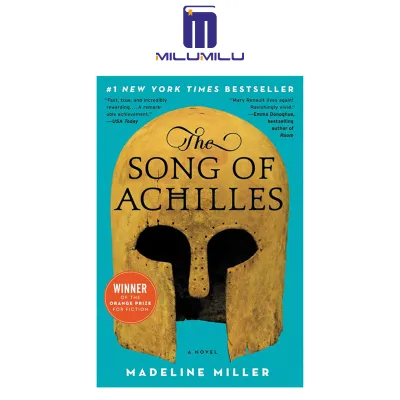
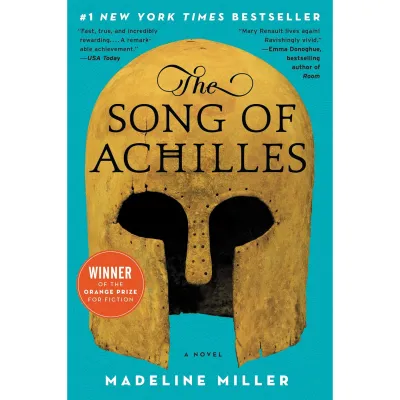
Finding a book that matches the devastating beauty of Madeline Miller’s The Song of Achilles is no simple task. Readers who fell in love with that novel were captivated not just by its romantic elements, but by its luminous, poetic prose, its deep reverence for historical and mythological frameworks, and the profound sense of inevitable tragedy that hangs over its characters. To find a similar emotional landscape, one must look for stories where personal intimacy is set against forces much larger than the individuals themselves—whether those forces are the whims of ancient gods or the relentless gears of national history.
Singaporean literature offers a surprisingly rich terrain for readers seeking this exact blend of lyrical storytelling and emotional depth. Though far removed from the battlefields of ancient Troy, the literary landscape of Singapore is deeply preoccupied with themes of exile, rapid historical transformation, and the quiet, often tragic sacrifices made in the name of love, family, and country. By exploring these local narratives, you can discover stories that echo the atmospheric weight and emotional intensity of classical retellings while offering entirely fresh cultural perspectives.
Defining the Emotional and Stylistic Connection
To understand how Singaporean fiction can mirror the appeal of The Song of Achilles, it helps to break down the specific narrative pillars that made Miller’s novel a modern classic. The first is a commitment to lyrical, highly sensory prose. In The Song of Achilles, the writing is deliberate and poetic, transforming everyday observations into moments of quiet beauty. This stylistic choice slows the narrative pacing, allowing readers to inhabit the characters’ world fully and feel the growing weight of their choices. When a writer treats language with this level of care, even the most subtle shifts in a relationship carry immense emotional resonance.
Products mentioned in this guide
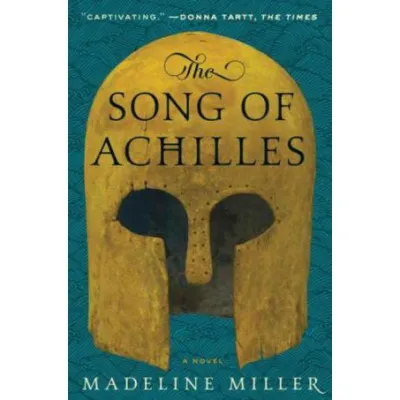
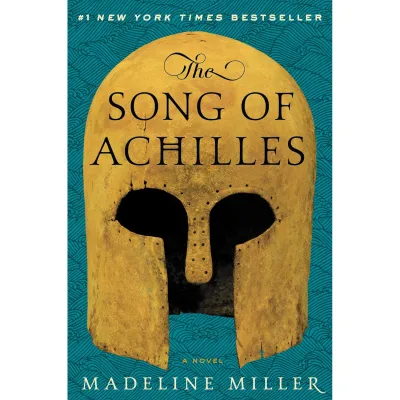
Prices are valid at publication and may change. Please refer to the product page for the latest price.
Another crucial element is the presence of historical or mythological resonance. Miller utilized the familiar framework of Greek mythology to explore timeless human vulnerabilities. In Southeast Asian and Singaporean literature, this resonance often manifests through the reclamation of local folklore, ancestral traditions, or the turbulent history of the region’s nation-building era. Instead of Olympian deities dictating fate, characters in these novels often grapple with the sweeping, unforgiving tides of colonialism, war, and rapid modernization. The sense of a predetermined path—and the struggle to carve out personal agency within it—remains just as potent.
Finally, the emotional core of these stories relies on intense, character-driven bonds that are tested by external circumstances. Whether depicting a forbidden romance, a fierce sibling loyalty, or a complicated parental relationship, these novels focus on the profound vulnerability of loving someone in a volatile world. The tragedy in these narratives is rarely sudden or cheap; rather, it is a slow-burn realization that the characters’ deepest commitments are the very things that will ultimately demand their greatest sacrifices.
5 Singaporean Novels With Similar Emotional Depth
The following five Singaporean novels have been selected for their ability to evoke the same atmospheric beauty, historical gravity, and emotional vulnerability found in The Song of Achilles. While their settings range from mythical enclaves to the bustling banks of a mid-century Singapore River, each work is unified by a commitment to deep character studies and exquisite prose.

These selections are organized into three distinct thematic categories, allowing you to choose your next read based on whether you prefer mythological reimagining, lyrical character studies, or sweeping historical tragedies.
Reimagining History and Local Myth
The Gatekeeper by Nuraliah Norasid
For readers who loved how The Song of Achilles breathed human vulnerability into ancient myth, The Gatekeeper offers a stunning, localized parallel. Set in a beautifully realized fantasy world that mirrors the historical displacements of Singapore, the novel follows Ria, a young woman with a deadly, medusa-like ability to turn living beings to stone. When her power devastates her home village, she and her sister are forced into exile, eventually finding refuge in Manticore, a marginalized enclave filled with outcasts, mythical creatures, and those forgotten by a highly modernized, authoritarian state.
Nuraliah Norasid’s prose is lush, atmospheric, and deeply poetic, weaving a rich tapestry of Malay folklore and original mythology. The novel explores the heavy burden of carrying a destructive power, the pain of isolation, and the fierce, protective bonds that form among those who have been cast aside by society. Like Miller’s work, The Gatekeeper takes a monstrous archetype and reveals the tender, aching humanity beneath, making the characters’ struggles for survival and belonging feel incredibly intimate and emotionally charged.
State of Emergency by Jeremy Tiang
If the historical inevitability and political tragedy of the Trojan War resonated with you, State of Emergency provides a grounded, deeply moving historical counterpart. The novel spans several decades of Singapore’s turbulent political history, tracing the lives of a single family caught in the crossfires of the Malayan Emergency, leftist political movements, and the harsh realities of state-building. From the dense jungles of northern Malaysia to the rapidly changing urban landscape of Singapore, the characters find themselves on opposing sides of ideological divides.
Jeremy Tiang writes with a quiet, devastating precision, focusing on the personal costs of political conflict. The tragedy here is not driven by petulant gods, but by the unyielding machinery of history and government. The interpersonal bonds—between husbands and wives, siblings, and parents and children—are stretched to the breaking point by secrets, exile, and betrayal. It is a profound exploration of how grand historical narratives sweep up ordinary lives, leaving a trail of quiet grief and unresolved longing in their wake.
Lyrical Prose and Intense Interpersonal Bonds
The River’s Song by Suchen Christine Lim
At the heart of The Song of Achilles is a deeply felt, life-defining relationship set against a changing world. The River’s Song captures this exact emotional frequency through the lives of Ping and Weng. Set against the vibrant, chaotic backdrop of the Singapore River in the mid-20th century, the novel follows the bond between Ping, the daughter of a pipa player, and Weng, a coolie’s son who finds solace in the music of the flute. As the government begins its massive campaign to clean up the river and modernize the city, the vibrant waterfront community is systematically dismantled, and the two characters are forced onto vastly different paths.
Suchen Christine Lim’s writing is intensely sensory and musical, capturing the sights, sounds, and smells of a vanished Singapore with exquisite detail. The prose itself feels like a song, rising and falling with the fortunes of its characters. The bond between Ping and Weng is marked by class divisions, societal expectations, and the unstoppable march of progress. Readers who appreciate slow-burn, character-driven narratives will find themselves deeply invested in this poignant exploration of memory, art, and a love that endures despite physical and social separation.
Sugarbread by Balli Kaur Jaswal
For those who prioritize intimate character studies and atmospheric domestic spaces over epic scale, Sugarbread delivers an incredibly moving experience. The novel is seen through the eyes of Pin, a young Sikh girl growing up in Singapore during the 1990s. As Pin navigates the complexities of school and her close-knit, highly traditional religious community, she begins to uncover the painful secrets of her mother’s past and the deep-seated prejudices that have shaped their family’s quiet existence.
Balli Kaur Jaswal uses lyrical, evocative prose to explore the sensory world of childhood, family kitchens, and the subtle undercurrents of maternal love. The relationship between Pin and her mother is the emotional anchor of the book—a bond defined by what is left unsaid as much as what is spoken. The novel masterfully balances the warmth of domestic life with the sharp, aching pain of cultural isolation and generational trauma, offering a deeply affecting reading experience that lingers long after the final page.
Tragic Arcs and the Weight of Profound Loss
The Shrimp People by Rex Shelley
Few novels capture the tragic collision of personal loyalty and national destiny as powerfully as Rex Shelley’s classic, The Shrimp People. The story centers on Bertha Rodrigues, a young woman growing up within Singapore’s close-knit Eurasian community during the tumultuous decades leading up to independence. As the nation undergoes violent political shifts, including the Konfrontasi conflict, Bertha is drawn into a web of political espionage and underground activism, setting off a chain of events that demands devastating personal sacrifices.
Shelley’s narrative is a masterclass in building a tragic arc. Bertha’s journey from an athletic, carefree youth to a woman burdened by political secrets and personal loss mirrors the loss of innocence experienced by Patroclus. The novel does not shy away from the harsh realities of political commitment, showing how easily love, family, and personal happiness can be crushed by the gears of history. It is a heavy, deeply resonant read that offers a profound sense of grief for a bygone era and the lives altered in the crucible of a nation’s birth.
How to Choose Your Next Read
Selecting your next book from this list depends largely on which aspects of The Song of Achilles you are most eager to revisit. If you are drawn to lush, mythic world-building and characters who carry extraordinary, supernatural burdens, The Gatekeeper is the ideal starting point. For those who want to immerse themselves in a sweeping, multi-generational historical drama where personal lives are shaped by political turmoil, State of Emergency or The Shrimp People will provide that grand, tragic scale. If your preference leans toward poetic, sensory language and the quiet ache of complicated personal relationships, The River’s Song or Sugarbread will offer the intimate emotional depth you seek.
Before purchasing or borrowing these titles, it is highly recommended to verify the specific edition and format that best suits your reading preferences. Many Singaporean literary works are published by independent local presses, such as Epigram Books or Landmark Books. While paperback editions are widely available in regional bookstores, readers accessing these titles internationally may find ebook formats to be the most accessible option. Additionally, digital library platforms, such as the Libby app connected to public library networks, frequently host digital copies of these regional classics.
Finally, prepare yourself for the unique cultural and linguistic textures of Singaporean literature. These authors write with an authentic voice, frequently incorporating local terms, colloquialisms, and cultural references without excessive translation or hand-holding. This immersive style adds an incredible layer of richness to the prose, drawing you into a specific time and place much like Miller’s detailed rendering of ancient Greece. Ensure you align your choice with your current emotional bandwidth, as several of these novels deal with heavy themes of grief, political displacement, and historical trauma, promising a reading journey that is as emotionally demanding as it is beautiful.
Community discussion
Share your experience or ask a question. Comments are reviewed before publication.