
Starting your drumming journey in Singapore is an exciting step, but the volume of an acoustic drum kit often presents a major hurdle in high-density residential areas. A high-quality drum practice pad is the single most important investment a beginner can make to build foundational skills without causing noise disruptions. This guide explores how to select the ideal pad for your home practice setup, balancing realistic stick response, noise mitigation, and long-term durability.
Why a Dedicated Practice Pad is Essential for Beginners
Practicing on soft surfaces like pillows or sofa cushions is a common mistake for beginners. While it might seem like a quiet and convenient alternative, pillows offer virtually zero rebound. This forces your muscles to do all the work to lift the stick back up, which can build raw forearm strength but completely fails to teach you how to control the stick’s natural bounce. A dedicated practice pad provides a calibrated rebound surface that closely mimics the tension of a real drumhead.
This physical feedback is crucial for developing proper stick control, wrist flexibility, and muscle memory. By practicing foundational rudiments—such as single strokes, double strokes, and paradiddles—on a responsive surface, you train your hands to work efficiently with the physics of the drumstick.
Products mentioned in this guide
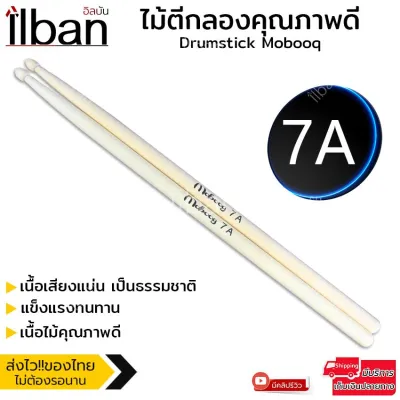
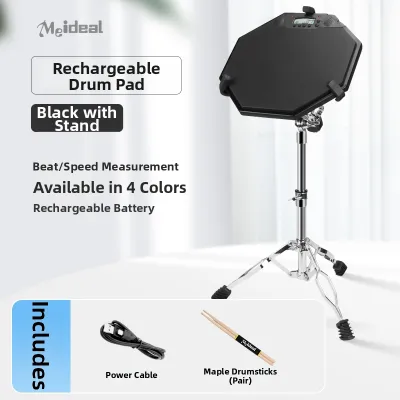
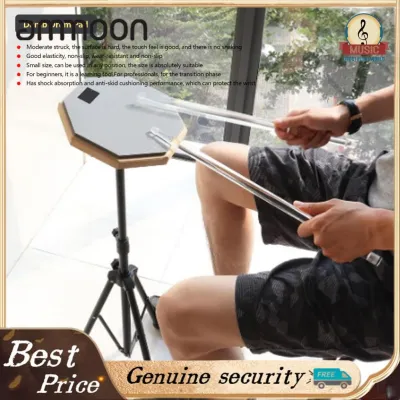
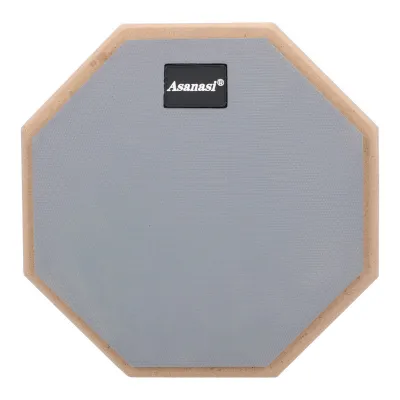
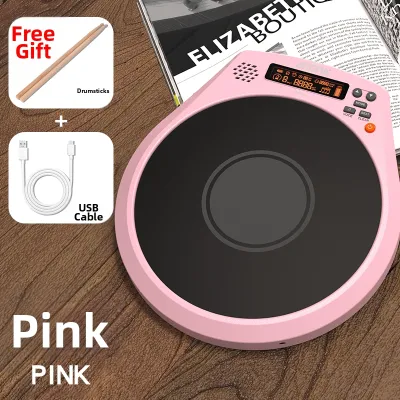
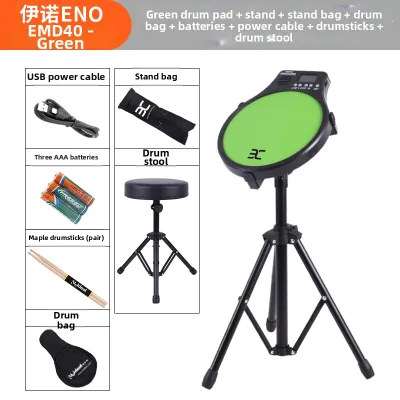
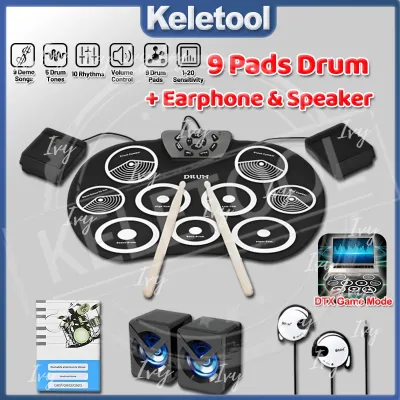
Prices are valid at publication and may change. Please refer to the product page for the latest price.
Furthermore, the acoustic properties of a practice pad are designed to minimize noise. Instead of the deafening roar of an acoustic snare drum, a pad produces a muted, low-volume click or thud. This allows you to maintain a consistent daily practice routine at any hour of the day, even in shared living environments, without worrying about disturbing family members or neighbors.
Core Features to Evaluate When Comparing Practice Pads
When comparing different practice pads, several physical and acoustic dimensions require careful evaluation to ensure you choose a tool that matches your learning environment.

Rebound and Feel The surface tension of the pad determines how much energy is returned to your stick after a stroke. High-rebound surfaces, such as natural gum rubber, provide a lively bounce that helps beginners understand the mechanics of stick control. However, excessive rebound can sometimes mask poor technique by doing too much of the work for you. Conversely, low-rebound surfaces require more active wrist engagement, which is excellent for building muscle endurance but can cause early fatigue if your technique is not yet established.
Noise Level Every practice pad produces some level of acoustic noise. The sound is generally split into two components: the airborne click of the stick hitting the surface, and the low-frequency thud that travels through the pad’s base. If you live in a quiet apartment, a softer, thicker material that dampens the high-frequency click is highly desirable.
Size and Portability Practice pads typically range from 6 inches to 12 inches in diameter. A 6-inch pad is highly portable, lightweight, and fits easily into a backpack or gig bag, making it perfect for taking to school, lessons, or travel. However, its small surface area requires precise aiming. A 12-inch pad is heavier and less portable, but it offers a realistic target size and can be placed directly onto a standard snare drum stand, providing a highly stable practice platform.
Mounting Options Consider how you plan to position your pad. Many pads feature an 8mm threaded insert on the underside, allowing them to be screwed directly onto a cymbal stand or a dedicated practice pad stand. Other pads are designed with a non-slip foam or rubber backing, making them ideal for tabletop use or for resting directly on your lap.
Practice Pad Materials and Designs: Matching Type to Your Goals
Understanding the different materials used in practice pads will help you select the one that best aligns with your specific practice goals.
Rubber Surfaces Natural gum rubber is the industry standard for practice pads. It offers a highly realistic, lively rebound that closely simulates the feel of a well-tuned acoustic snare drum. Gum rubber is exceptionally durable and resistant to wear, making it an excellent long-term investment. However, it tends to produce a distinct, high-pitched click sound upon impact, which can carry through thin walls in close-quarters living.
Silicone and Gel Surfaces For those who prioritize quiet practice, silicone and specialized gel surfaces offer a softer, more cushioned feel. These materials significantly reduce the high-frequency click of the stick impact, resulting in a much quieter acoustic footprint. The softer surface also absorbs more vibration, which can be gentler on your wrists and joints during long, repetitive practice sessions. The trade-off is often a slightly less pronounced rebound compared to natural rubber.
Dual-Sided Pads Many manufacturers offer dual-sided pads to provide the best of both worlds. One side typically features a soft, high-rebound rubber for general rudiment practice and speed building. The reverse side is often made of a harder, denser rubber or a textured material. This harder surface offers significantly less rebound, simulating the feel of a tighter drumhead or a ride cymbal, and produces a louder, more articulate sound that helps you identify uneven strokes in your playing.
Mesh and Adjustable Tension Heads Mesh-head practice pads feature a woven mesh material stretched over a hoop, resembling a miniature electronic drum pad. These pads can be tuned using a standard drum key, allowing you to adjust the tension and customize the rebound to match your specific preferences. Mesh heads are incredibly quiet and offer a highly realistic feel, including a physical rim that allows you to practice rim-shots. However, they are generally bulkier, more expensive, and require occasional maintenance to keep the tension even.
Adapting Your Practice Setup for Shared Living Spaces in Singapore
Living in high-density housing like HDB flats or condominiums in Singapore requires a thoughtful approach to acoustic management. Even though a practice pad is significantly quieter than an acoustic drum kit, the physical impact of your sticks still generates kinetic energy that can travel through your furniture and floors. This structural vibration often manifests as a low-frequency thud in the room below, which can be highly disruptive to your neighbors.
To minimize impact noise transfer, avoid placing your practice pad stand directly on bare tiled or wooden floors. Instead, place a thick, high-density foam mat, a specialized drum rug, or interlocking utility tiles beneath your setup to absorb the downward vibrations. If you practice at a desk or table, placing a folded towel or a thick neoprene mouse pad under the practice pad can dramatically reduce the mechanical noise transferred to the furniture.
Space is another critical consideration in local homes. If you have a small bedroom or a multi-purpose study area, a full-sized snare stand might take up too much space. In these scenarios, look for compact, foldable stands that can be easily tucked away in a closet when not in use. Alternatively, strap-on knee pads offer an incredibly space-saving solution, securing directly to your thigh with an adjustable strap and eliminating the need for a stand entirely.
Verification Steps When Purchasing from Music Stores or Online Retailers
When purchasing a drum practice pad from local music stores or online marketplaces, taking a few moments to inspect the product can prevent future frustration.
First, examine the surface uniformity. Run your hand across the striking area to check for any air bubbles, uneven glue distribution, or peeling edges where the rubber or silicone meets the wooden base. The surface must be perfectly flat and securely bonded to ensure a consistent rebound across the entire pad.
Next, verify the mounting hardware. If the pad features a threaded insert on the bottom, inspect the threads to ensure they are clean, unstripped, and compatible with standard 8mm stands. If you are purchasing a package that includes a stand, test the assembly to ensure all joints tighten securely and the stand remains stable under moderate striking force.
Finally, check the retailer’s return and exchange policies. Because the physical feel of a practice pad is highly subjective, you want to ensure you can exchange the product if the rebound tension or noise level does not suit your home environment once you try it out.
Ergonomic Setup and Routine Maintenance for Longevity
Proper physical setup is essential to prevent muscle strain and develop good playing habits from day one. Position your practice pad at a height where your forearms are roughly parallel to the floor when your sticks are resting on the surface. Your elbows should be bent at a comfortable angle of slightly more than 90 degrees, and your shoulders should remain relaxed. Avoid tilting the pad at extreme angles; a flat surface or a very slight tilt toward you encourages correct wrist alignment and prevents repetitive strain injuries.
Routine maintenance will significantly extend the lifespan of your practice pad. Over time, dust, sweat, and wood shavings from your drumsticks can accumulate on the surface, reducing its grip and altering the rebound feel. Clean rubber and silicone pads regularly by wiping them with a damp microfiber cloth. Avoid using harsh chemical solvents or abrasive cleaners, as these can dry out and crack the material. For pads with a wooden base, keep them stored in a dry, well-ventilated indoor area to prevent the wood from warping in Singapore’s humid climate.
Inspect your pad periodically for signs of wear. Deep pitting, cracks in the rubber, or a noticeable loss of rebound in the center of the pad indicate that the material is degrading and it is time to invest in a replacement.
Frequently Asked Questions (FAQ)
Can I Use a Standard Practice Pad for Bass Drum Pedal Practice?
No, standard hand practice pads are not designed to withstand the heavy impact of a bass drum pedal, nor do they have the necessary mounting brackets. Attempting to clamp a bass drum pedal to a standard pad will likely damage both the pad and your floor. Instead, you should use a dedicated kick drum practice pad. These specialized pads feature a vertical frame, a heavy-duty striking surface designed to handle the force of a bass drum beater, and a sturdy base plate where you can securely clamp a standard single or double bass drum pedal.
Do I Need Specific Drumsticks for Practice Pad Sessions?
While you do not need highly specialized sticks, it is highly recommended to keep a dedicated pair of clean, splinter-free wooden sticks specifically for your practice pad. Avoid using sticks that have been heavily chewed up by acoustic cymbals, as the rough, splintered wood can easily tear, scratch, or pit the soft rubber or silicone surface of your pad. Standard sizes like 5A or 7A are excellent for beginners. Nylon-tipped sticks are also a great choice for pad practice, as the smooth plastic tips slide easily across the surface and are highly durable.
Community discussion
Share your experience or ask a question. Comments are reviewed before publication.