
Finding the right non-fiction book to learn Chinese calligraphy depends heavily on your language proficiency, your immediate learning goals, and how you prefer to study. Because Chinese calligraphy is both a physical discipline and an intellectual art form, a single guide rarely suits every reader. Instead, the most effective approach is to evaluate books based on their script styles, instructional features, and physical or digital formats. By establishing a clear decision-making framework, you can select a book that serves as a practical mentor on your desk, whether you are practicing in a dedicated home studio or at a local community workshop.
Calligraphy requires a balance of motor skills and cultural understanding. A beginner needs a guide that demystifies brush strokes without getting bogged down in overly dense academic theory. Rather than searching for a universal recommendation, focusing on how a book structures its lessons will help you find a resource that matches your pace. This guide outlines the essential criteria for selecting beginner-friendly calligraphy books, helping you build a solid foundation in this ancient art form.
Understanding Your Learning Goals and Script Styles
Before purchasing any calligraphy book, you must identify the specific script style you want to learn, as this dictates the type of instructional material you will need. Chinese calligraphy comprises several major historical scripts, each requiring different brush techniques and structural rules. The five primary styles are Seal Script (Zhuanshu), Clerical Script (Lishu), Standard Script (Kaishu), Running Script (Xingshu), and Cursive Script (Caishu). For absolute beginners, standard script is almost universally recommended because of its clear, distinct strokes and highly balanced proportions.
Products mentioned in this guide
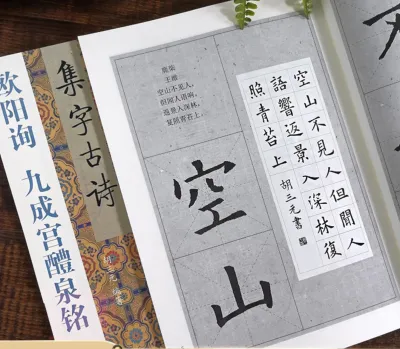
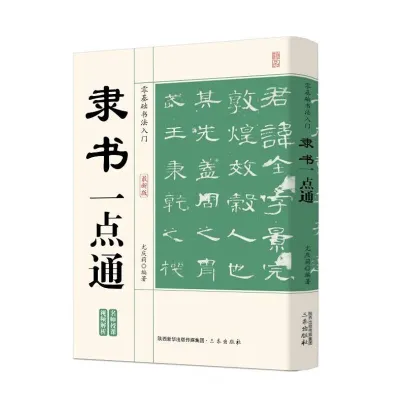
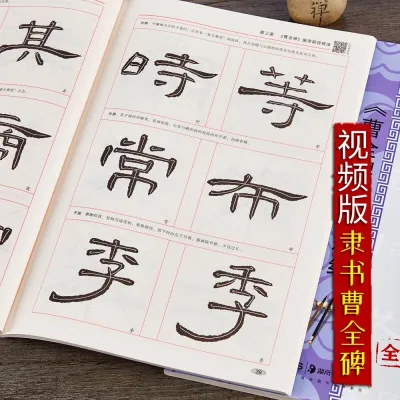
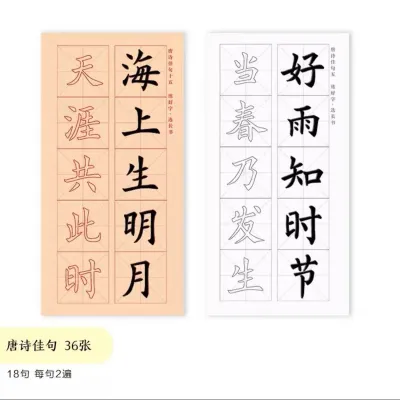
Prices are valid at publication and may change. Please refer to the product page for the latest price.
Standard script teaches you the fundamental physics of the brush, including how to press, turn, and lift the bristles to create clean lines. Books focusing on standard script provide the structural discipline needed before you can transition to the fluid, connected strokes of running or cursive styles. If a book attempts to teach multiple scripts simultaneously without a clear focus on standard script, it may overwhelm a beginner with conflicting rules of movement.
Your choice of book should also align with your broader learning objectives. If your goal is everyday handwriting improvement, you should look for books dedicated to hard-pen calligraphy, which focus on fountain pens, gel pens, or brush pens rather than traditional ink stones and sheep-hair brushes. Conversely, if you seek artistic expression or cultural appreciation, you will want a book that focuses on traditional soft-brush calligraphy. Clearly defining these goals prevents you from buying a manual that uses tools or styles incompatible with your intended practice.
Essential Features of a Good Beginner Calligraphy Book
An effective beginner calligraphy book must translate physical movements into clear visual instructions. When evaluating a book’s content, look closely at how it explains stroke mechanics. The book should feature step-by-step stroke order diagrams that use directional arrows to show where the brush enters the paper, how it moves along the path, and how it exits or pauses. These visual cues are vital for understanding the dynamic pressure changes required to form elegant characters.

Another critical feature is the integration of standard character grid systems. Grids are essential for training your eye to recognize proportion, spatial alignment, and structural balance. Look for books that place characters within a “rice-character grid” (Mizige) or a “field-character grid” (Tianzige). These reference lines help you see exactly where a stroke should begin and end relative to the center of the character, preventing your early attempts from looking lopsided or cramped.
+-----------+
| \   |   / |
|   \ | /   |
|-----+-----|
|   / | \   |
| /   |   \ |
+-----------+
Figure 1: A typical rice-character grid (Mizige) used in workbooks to guide stroke placement and balance.
The instructional progression of the book should move logically from simple to complex. A well-structured manual begins with isolated basic strokes, such as the horizontal line (heng) and the vertical line (shu), before introducing simple characters. It should then guide you through common radicals—the recurring components of Chinese characters—showing how they shrink or stretch to accommodate other elements. Only after mastering these building blocks should the book introduce complex, multi-stroke characters.
Finally, a high-quality non-fiction guide should weave historical context and cultural background into its practical lessons. Understanding the origin of a character or the philosophy behind a specific stroke style adds depth to your practice. However, ensure this cultural material is balanced; the historical text should enrich your understanding without crowding out the practical, step-by-step exercises and visual diagrams you need for daily practice.
Evaluating Book Formats and Language Accessibility
Your current language proficiency is a major factor when choosing a calligraphy book. Many authoritative manuals are written entirely in Chinese, which can be challenging if you cannot read the language. For non-readers, bilingual (English-Chinese) editions or English-only guides are highly beneficial. These books translate the technical terminology of brushwork and explain the meanings of the characters you are copying, making the practice more meaningful.
However, do not completely discount Chinese-only workbooks if they are highly visual. If a book features exceptional step-by-step diagrams, clear grid overlays, and minimal explanatory text, the language barrier becomes less significant. You can often use these books purely as visual copybooks, relying on the illustrations to guide your hand while using a translation app for occasional technical terms.
| Book Format | Best Suited For | Key Advantage | Potential Drawback |
|---|---|---|---|
| Physical Workbook | Active daily practice | Lay-flat pages, direct tracing | Can be bulky to store |
| Visual Reference Book | Structural study & history | High-quality printing, deep context | Requires separate practice paper |
| Digital E-Book | Portable study & zooming | Easy to carry, zoomable details | Hard to keep open while holding a brush |
The physical format of the book also affects your study environment. Physical workbooks with lay-flat bindings, such as spiral or open-stitch binding, are ideal because they stay open on your desk without requiring you to weigh down the pages. This is crucial when your hands are occupied with a wet brush and an ink stone. Some specialized workbooks even feature water-writing pages, where you practice using a brush dipped in plain water; the strokes turn black and then fade as the water evaporates, allowing for endless reuse.
If you prefer digital books, verify device compatibility and screen size before purchasing. While e-books are excellent for zooming in on fine stroke details, reading a small phone screen while trying to paint can be frustrating. A tablet with a stable stand is generally necessary for digital guides. Regardless of the format, always verify the edition details, publication dates, and authorized sources before buying to ensure you receive a complete, high-quality printing rather than a poorly scanned reproduction.
How to Build a Starter Library Without Overspending
It is easy to overspend when starting a new hobby, but you do not need a vast collection of books to begin learning Chinese calligraphy. A disciplined, phased approach to building your library will save money and keep you focused. Start by investing in just one comprehensive foundational workbook that focuses on basic strokes and standard script techniques. This single book, which typically costs between S$15 and S$30, can keep you occupied for several months of daily practice.
During this initial phase, resist the temptation to buy advanced artistic theory books or highly specialized classical copybooks (fatie). Classical copybooks contain historical masterpieces, but they rarely explain the basic mechanics of brush handling or ink control. Attempting to copy these advanced works without a solid foundation in basic strokes can lead to frustration and poor habits that are difficult to correct later.
Once you can control the brush and consistently produce balanced basic characters, you can expand your library. At this stage, look for a specialized character structure guide or a calligraphy dictionary. A calligraphy dictionary is an invaluable reference tool that shows how a single character is written across different historical styles and by various masters, helping you transition from rigid copying to personal artistic expression.
To manage your budget effectively, make use of local public resources. In Singapore, the National Library Board offers an extensive collection of arts and language books, allowing you to borrow and preview various calligraphy guides before deciding which ones are worth purchasing for your permanent collection. Additionally, check second-hand bookstores or community book exchanges, where high-quality classical reference materials are often donated or sold at a fraction of their original retail price.
Frequently Asked Questions (FAQ)
Do I need to know how to read Chinese to use a calligraphy workbook?
No, you do not need to be fluent in reading or writing Chinese to begin learning calligraphy. Because calligraphy is a highly visual and physical discipline, a well-designed workbook relies on diagrams, directional arrows, and grid systems that you can follow purely by sight. Mimicking the physical movements of the brush does not require language fluency. However, using a bilingual book that translates the meaning of the characters can make your practice more engaging, as it helps you connect with the poetic or philosophical context of the text you are writing.
Should I buy a classical copybook or an instructional guide first?
You should always start with a modern instructional guide rather than a classical copybook. Classical copybooks (fatie) are historical reproductions of masterpieces written by ancient calligraphers. While they are beautiful and serve as excellent long-term goals, they do not explain the basic mechanics of brushwork, such as how to hold the brush, mix ink, or execute specific stroke sequences. A modern instructional guide breaks down these physical techniques step-by-step, providing the necessary foundation you need before you can successfully study and replicate classical masterpieces.
Community discussion
Share your experience or ask a question. Comments are reviewed before publication.