
Choosing your first tenor ukulele is an exciting step, but navigating a diverse lineup can feel overwhelming. To find the best Enya tenor ukulele for your needs, you must decide between three distinct design paths: highly durable carbon fiber composites for worry-free travel, traditional wood laminates or solid tops for classic acoustic warmth, or smart acoustic-electric models featuring onboard effects for silent practice. Your choice depends on your local climate, practice environment, and musical goals.
Why Enya Tenor Ukuleles Appeal to Beginners
Tenor ukuleles have become increasingly popular among beginners, particularly those with larger hands or players transitioning from the acoustic guitar. With a scale length of approximately 17 inches, the tenor size offers wider fret spacing compared to smaller soprano or concert models. This extra physical space reduces finger crowding when forming complex chords, making the initial learning curve much more comfortable and less frustrating for new players.
Enya has built a strong reputation in the musical community for offering comprehensive, ready-to-play packages. These beginner-friendly bundles typically include essential accessories such as a padded gig bag, a digital clip-on tuner, a comfortable strap, and a spare set of high-quality strings. For an absolute beginner, this all-in-one approach eliminates the confusion of sourcing compatible accessories separately, allowing you to start practicing the moment your instrument arrives.
Products mentioned in this guide
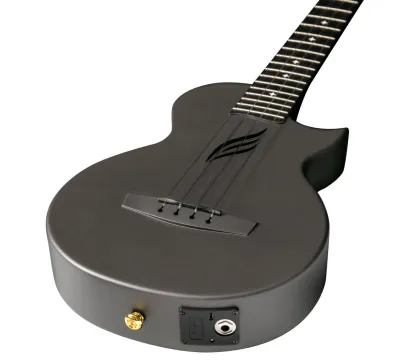
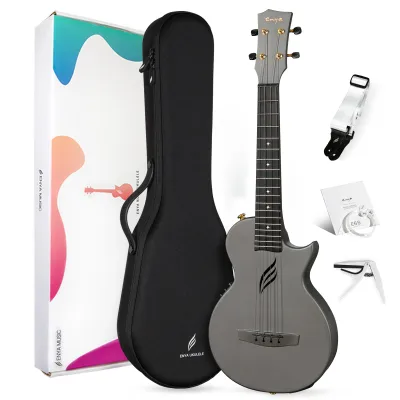
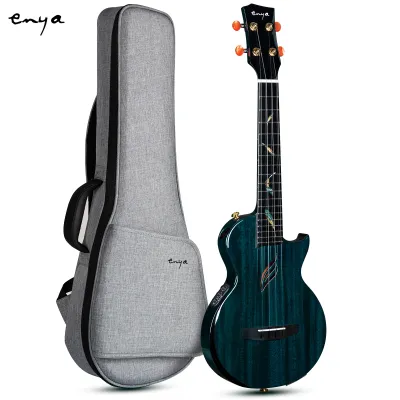
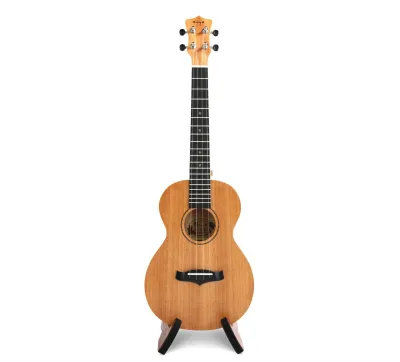
Prices are valid at publication and may change. Please refer to the product page for the latest price.
Furthermore, the brand successfully bridges the gap between modern manufacturing techniques and traditional acoustic designs. By utilizing innovative materials like High-Pressure Laminate (HPL) and carbon fiber alongside traditional tonewoods, they produce instruments with exceptional structural consistency. This modern manufacturing approach ensures that even entry-level models maintain reliable quality control, minimizing the setup issues often found in traditional budget instruments.
Key Features to Evaluate in an Enya Tenor Ukulele
Before selecting a specific model, it is essential to understand the primary physical and structural specifications that influence playability. As a beginner, your primary focus should be on comfort and ease of use, ensuring the instrument does not cause unnecessary hand fatigue during long practice sessions. Evaluating these key features beforehand will help you select a model that aligns with your physical needs and learning environment.

Body Materials: Carbon Fiber vs. Traditional Wood
The choice of body material is one of the most significant decisions you will make. Carbon fiber composite models are highly celebrated for their extreme durability and resistance to environmental changes. In tropical or highly variable climates, traditional wood instruments are prone to warping, cracking, or swelling due to humidity shifts. Carbon fiber completely bypasses these issues, maintaining its shape and tuning stability whether you are in an air-conditioned room or outdoors.
Conversely, traditional wood and wood laminates offer a classic acoustic resonance and visual warmth that synthetic materials cannot fully replicate. Solid wood tops vibrate more freely as they age, producing a richer, more complex tone over time. High-Pressure Laminate (HPL) serves as a durable middle ground, offering the visual appeal of natural wood grain with enhanced resistance to temperature and humidity fluctuations, though it lacks the tonal evolution of solid timber. Always check the manufacturer’s care instructions for your chosen material to ensure you can maintain its condition.
Neck Profile and Playability
The neck profile directly dictates how comfortable the ukulele feels in your hand. A neck that is too thick or wide can strain your thumb and palm during extended practice sessions, while an overly narrow neck can lead to accidental string muting. Enya models generally feature a slim, comfortable neck profile designed to accommodate a wide range of hand sizes, allowing for smooth transitions between chords.
Additionally, pay attention to the nut and saddle materials, which transfer string vibrations to the body. Many Enya models utilize synthetic bone materials like NuBone, which offer superior density and consistency compared to cheap plastic, resulting in better sustain and clearer tone. Finally, verify the quality of the fret edge finishing. Smooth, well-dressed fret ends prevent finger irritation and scratches as you slide your hand along the neck, which is crucial for maintaining a comfortable learning experience.
Electronics and Built-in Pickups
Deciding between a purely acoustic model and an acoustic-electric model depends entirely on your intended playing environment. Acoustic-electric models feature built-in pickups and preamps, allowing you to connect the ukulele to an amplifier, audio interface, or PA system. This capability is highly beneficial if you plan to perform publicly, record your practice sessions directly to a computer, or play along with backing tracks in louder settings.
However, these electronic components add physical weight to the instrument and require regular battery maintenance or recharging. The onboard controls can also add visual and physical complexity that some beginners find distracting. For quiet, at-home practice, a purely acoustic model is often the most practical and lightweight choice, keeping your setup simple and allowing you to focus entirely on fundamental playing techniques.
Matching Enya Series to Your Beginner Needs
Enya categorizes its diverse lineup based on material composition and integrated technology rather than a single, linear beginner-to-professional progression. This means that as a beginner, you are not restricted to a low-end ‘student’ model; instead, you can choose an instrument that perfectly matches your lifestyle and aesthetic preferences. Understanding how these series are structured will help you make an informed decision.
To find the right match, evaluate where you plan to practice most frequently and how much effort you want to dedicate to instrument maintenance. Matching your lifestyle to the material properties of the series ensures a more satisfying learning experience. Keep in mind that manufacturers periodically update their production runs, altering minor specifications, accessory packages, or model designations. Always verify the exact product description and included items from your retailer before finalizing your purchase.
For the Travel-Ready and Low-Maintenance Player
If you lead an active lifestyle, travel frequently, or simply want an instrument you can leave on a stand without worrying about humidity levels, Enya’s carbon fiber and composite series are highly suitable. Some of these models feature innovative designs, such as thin-body profiles or even removable necks, making them exceptionally easy to pack into a backpack or carry-on luggage.
These composite materials are completely waterproof and highly resistant to physical impacts, making them ideal for outdoor practice sessions at the beach, park, or during camping trips. They do not suffer from the joint separation or top-sinking issues that can plague wood instruments exposed to moisture. Acoustically, carbon fiber instruments tend to produce a very bright, clear, and projected tone with excellent sustain. While they may lack the deep, woody warmth of traditional instruments, their clarity and projection make them highly articulate for fingerpicking styles.
For the Traditional Acoustic Tone Seeker
For players who prefer the classic look, feel, and warm resonance of a traditional stringed instrument, Enya’s wood-based series are the natural choice. These models utilize materials ranging from mahogany and koa laminates to solid-top constructions, offering a more organic aesthetic with visible wood grains and classic rosette details around the soundhole.
Laminate wood models offer a practical balance of durability and traditional tone, making them less sensitive to climate changes than solid wood while retaining a classic acoustic look. Solid-top models, however, are highly prized for their superior resonance and ability to develop a richer, more mature tone as the wood ages and vibrates over years of play. Opting for a wood instrument means committing to proper storage. In highly humid environments, you should store the ukulele in its padded gig bag with a silica gel pack or a specialized instrument dehumidifier to prevent the wood from swelling and affecting the action height.
For the Tech-Savvy and Amplified Learner
If you love experimenting with technology or need to practice quietly without disturbing family members or neighbors, Enya’s smart and acoustic-electric series offer compelling features. Some models incorporate onboard effects processors that allow you to add reverb, delay, or chorus directly to your acoustic sound without plugging into an external amplifier.
These smart instruments often feature headphone outputs for completely silent practice, as well as Bluetooth connectivity. This allows you to stream backing tracks or instructional audio directly from your smartphone through the ukulele’s body, creating an immersive practice environment. While these features are highly engaging, absolute beginners should be prepared for a slight learning curve regarding the onboard controls, charging requirements, and potential firmware updates. Ensure you have the correct charging cables and understand how to navigate the control interface to avoid frustration.
What to Check Before Buying Your Enya Ukulele
To ensure you receive a genuine instrument backed by a valid manufacturer warranty, always purchase from authorized local music retailers or the brand’s official online storefront. Avoid unverified third-party sellers on general online marketplaces, as they may offer counterfeit goods or older, defective stock without return policies.
Upon unboxing your new tenor ukulele, conduct a thorough physical inspection. Run your fingers along both sides of the neck to check for fret sprout, where dry conditions cause the wood to shrink and the metal frets to protrude. Inspect the neck for any visible bowing or twisting, and closely examine the bridge to ensure it is firmly adhered to the body without any gaps or lifting.
Verify that all bundled accessories are present and fully functional. Test the clip-on tuner with a fresh battery, check that the gig bag zippers glide smoothly, and ensure the strap buttons are securely anchored to the instrument’s body.
When tuning your ukulele for the first time, expect the strings to slip out of pitch rapidly. New fluorocarbon or nylon strings are highly elastic and require several days of regular tuning and gentle stretching to settle. To accelerate this process, tune the instrument to pitch, gently pull each string upward away from the fretboard a few times, and then retune; repeat this cycle until the pitch stabilizes.
Frequently Asked Questions (FAQ)
Do I need a setup for a new Enya tenor ukulele?
A professional setup involves adjusting the height of the strings at both the nut and the saddle, and adjusting the truss rod if the neck has one, to ensure maximum playability and accurate intonation. While Enya’s factory setups are generally highly consistent and comfortable for most beginners, individual preferences for string tension and action height can vary.
It is highly recommended to play your new ukulele for at least two to three weeks before deciding on any modifications. This period allows your fingers to adjust to the instrument and lets the wood or composite material settle into your home’s environment, giving you a clearer sense of whether the action truly needs adjustment.
Are Enya tenor ukuleles suitable for children?
Tenor ukuleles feature a longer scale length (around 17 inches) and a larger body compared to concert (15 inches) and soprano (13 inches) models. While the larger body produces a richer, deeper tone with more projection, the physical dimensions can be challenging for younger children with smaller hands and shorter arm reaches.
For children under the age of ten, a concert or soprano size is often easier to hold and fret comfortably. If you are purchasing for a child, measure their arm reach and hand span; if they struggle to wrap their hand comfortably around the neck or reach the first fret without straining, a smaller model may be a more encouraging starting point.
How do I maintain the carbon fiber body?
One of the greatest advantages of a carbon fiber composite ukulele is its minimal maintenance requirements. Unlike traditional wood, carbon fiber is completely unaffected by changes in humidity and temperature, meaning you do not need to use humidifiers, dehumidifiers, or specialized wood polishes to keep it in optimal condition.
To keep your instrument looking its best, simply wipe down the body, neck, and strings with a clean, dry microfiber cloth after each practice session to remove finger oils, sweat, and dust. Avoid using harsh chemical solvents, household glass cleaners, or abrasive polishes, as these can permanently damage the matte or gloss finish and degrade the synthetic materials over time.
Community discussion
Share your experience or ask a question. Comments are reviewed before publication.