
Singapore’s literary landscape undergoes a dramatic transformation when the sun sets. The bustling, highly ordered city-state of the day gives way to a nocturnal world filled with quiet residential corridors, shadow-drenched void decks, and neon-lit back alleys. For readers seeking stories that capture this atmospheric shift, Singaporean fiction offers a rich tapestry of midnight themes, ranging from psychological thrillers to tropical gothic horror. Finding the perfect nocturnal read requires an understanding of how local writers utilize the unique geography, climate, and cultural tapestry of the island after dark.
Navigating this niche genre involves looking beyond mainstream bestsellers to discover works that capture the specific sensory experience of a tropical night. The heavy, humid air, the sudden onset of a midnight monsoon rain, and the contrast between hyper-modern skyscrapers and older, myth-laden estates all serve as active elements in these narratives. By understanding the distinct thematic categories of local nocturnal fiction and knowing where to source and verify these works, you can curate a reading list that perfectly matches the dark, atmospheric mood you desire.
Exploring Nocturnal and Midnight Themes in Local Fiction
To find a book that aligns with your reading preferences, it helps to understand the primary thematic categories that define Singapore’s nocturnal literature. Local authors draw heavily from the island’s unique physical and cultural geography, resulting in distinct sub-genres that treat the midnight hours in highly varied ways.
Products mentioned in this guide

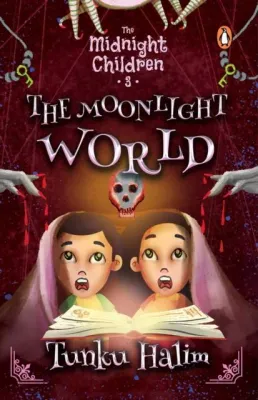
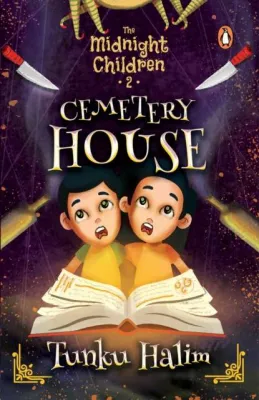
Prices are valid at publication and may change. Please refer to the product page for the latest price.
Urban suspense and crime thrillers form a major pillar of local night-time fiction. These stories often unfold against the backdrop of Singapore’s glittering but isolating nightscapes, from the empty, cavernous streets of the Central Business District after hours to the bustling, neon-lit lanes of Geylang. Writers in this genre use the cover of darkness to explore the hidden undercurrents of a highly regulated society, focusing on late-night investigations, white-collar desperation, and the quiet isolation of individuals who operate while the rest of the city sleeps. The tension in these novels is often driven by the ticking clock of the midnight hours, where characters must navigate complex moral landscapes before dawn.
Another prominent theme is the tropical gothic, which shifts the focus from commercial districts to the sprawling residential heartlands. In these narratives, the familiar, domestic spaces of Housing & Development Board (HDB) estates become uncanny and unsettling after midnight. Authors masterfully exploit the architectural features of these estates—such as the long, dimly lit common corridors, the echoing void decks, and the slow-moving lifts—to build psychological dread. The heavy tropical heat and the claustrophobia of high-rise living amplify the characters’ internal anxieties, making these books ideal for readers who enjoy slow-burn, atmospheric psychological suspense.
Finally, local nocturnal fiction frequently incorporates folklore and supernatural elements that are deeply rooted in Southeast Asian culture. In Singapore, the night is traditionally viewed as a time when the boundary between the physical and spiritual worlds thins. Novels in this category blend modern urban settings with ancestral myths, featuring entities like the Pontianak or stories set during the Hungry Ghost Festival. These narratives do not merely seek to scare; they use the midnight setting to explore themes of historical memory, cultural heritage, and the lingering presence of the past in a rapidly modernizing city.
Criteria for Choosing the Right Midnight Read
Selecting the ideal nocturnal novel requires looking closely at how a book is constructed. Because dark fiction covers a wide spectrum of emotional and narrative intensity, evaluating specific structural elements will ensure the book matches your current reading mood.

First, consider the pacing and tension of the narrative. If you prefer a fast-paced, plot-driven experience, look for crime procedurals or urban thrillers that take place over the course of a single night. These books rely on rapid plot developments, high stakes, and constant movement through the city’s nocturnal transit networks. Conversely, if you prefer a moodier, more introspective experience, seek out psychological suspense or tropical gothic novels. These works prioritize slow-burn dread, focusing on character psychology and the oppressive weight of the environment rather than rapid action.
Second, evaluate the quality of the atmospheric world-building. A truly immersive midnight read should make you feel the physical reality of a Singaporean night. Look for descriptive prose that captures sensory details unique to the region: the smell of rain on hot asphalt, the persistent hum of air conditioning units, the glare of amber streetlights through window grilles, and the damp warmth of the night air. Excellent local fiction uses these environmental details not just as decoration, but as tools to mirror the internal states of the characters and heighten the overall sense of mystery.
Third, always review the content boundaries and thematic weight of the book. Nocturnal fiction, by its nature, often explores darker aspects of the human experience, including grief, trauma, violence, and psychological distress. Before purchasing, check the publisher’s website or reputable review platforms for content warnings if you wish to avoid specific distressing themes. Many local independent publishers now provide clear content notes for their more intense titles, helping readers make informed decisions without spoiling the plot.
Where to Find and Purchase Singaporean Novels
Sourcing authentic Singaporean fiction requires knowing where to look, as many of the most compelling nocturnal works are published by independent local presses that may not have a massive international distribution network.
Visiting independent local bookstores is one of the best ways to discover high-quality local fiction. These specialized shops, often located in cultural hubs like Tiong Bahru, Bras Basah, or Katong, dedicate significant shelf space to Southeast Asian literature. The staff in these stores are typically passionate readers who can offer personalized recommendations based on your interest in midnight or dark themes. Shopping at these venues also allows you to physically browse the books, assessing their cover designs, paper quality, and layout before making a purchase.
For those who prefer to borrow or read digitally, the National Library Board (NLB) network is an invaluable resource. Singapore’s public libraries maintain extensive collections of local literature across various genres. You can search the online catalog to locate physical copies at your nearest regional library, or use digital platforms like the Libby application to borrow e-books and audiobooks instantly. This is an excellent, cost-effective way to explore different local authors and genres before deciding which physical copies you want to add to your permanent collection.
If you prefer online shopping, purchasing directly from the official websites of local publishers is highly recommended. Publishers such as Epigram Books, Ethos Books, and Landmark Books maintain comprehensive online stores with secure payment gateways. Buying directly from the source ensures that a larger portion of the purchase price—which typically ranges from S$15 to S$28 for standard paperback fiction—goes back to the publishers and authors, supporting the local literary ecosystem. When ordering online, always verify shipping times, local delivery fees, and stock availability.
What to Verify Before Buying or Borrowing
To ensure a seamless reading experience, there are several practical details you should verify before finalizing your purchase or borrowing a book.
First, pay close attention to the language and translation details. Singapore’s literary heritage is multilingual, with rich traditions in English, Malay, Chinese, and Tamil. While many nocturnal novels are written originally in English, some of the most powerful dark fiction works are translated from other local languages. If you are purchasing a translated work, verify the translator’s credentials and read a sample chapter if possible to ensure the narrative voice and cultural nuances resonate with you. Understanding the linguistic background of the text can add a rich layer of context to your reading.
Second, check format compatibility and physical book conditions. If you are purchasing an e-book from an independent publisher’s website, ensure the file format (such as EPUB or PDF) is fully compatible with your specific e-reader device or reading application. For physical books, especially those published by smaller indie presses or older titles found in secondhand shops, inspect the binding and paper quality. Some older local prints may use paper stocks that require careful storage in Singapore’s humid climate to prevent yellowing and deterioration.
Third, look for edition differences that might enhance your reading experience. Some popular local novels have been re-released in special anniversary editions, international prints, or versions with updated cover art. These newer editions often feature valuable bonus content, such as author interviews, essays on the book’s cultural context, discussion guides for book clubs, or even additional short stories that expand on the novel’s nocturnal setting. Checking the publication details will help you secure the most complete and rewarding version of the text.
Frequently Asked Questions (FAQ)
Are there specific local literary awards that highlight dark or thriller fiction?
While Singapore does not have a dedicated literary award solely for dark or thriller fiction, outstanding works in these genres are regularly recognized through major national platforms. The Singapore Literature Prize (SLP), organized by the Singapore Book Council, is the country’s top literary accolade and features categories for fiction in English, Malay, Chinese, and Tamil. To find high-quality nocturnal or psychological fiction, you can browse the past shortlists and winner archives of the SLP. Speculative fiction, horror, and dark psychological dramas have increasingly found representation on these lists, serving as an excellent quality guide for readers seeking exceptional local writing.
How can I support local authors writing in this niche?
The most direct way to support Singaporean authors writing nocturnal and dark fiction is to purchase their books directly from independent local bookstores or official publisher websites, ensuring they receive fair compensation. Additionally, you can help boost an author’s visibility by leaving thoughtful, verified reviews on retail platforms, book blogs, and reading community sites like Goodreads. Recommending your favorite titles to friends, participating in local book clubs, and requesting that your local library stock specific titles also helps build a sustainable audience. Finally, consider attending local literary events, such as book launches, author panels, and the annual Singapore Writers Festival, to connect directly with the community.
Community discussion
Share your experience or ask a question. Comments are reviewed before publication.