
Setting up a dedicated music practice space in a Singapore Housing & Development Board (HDB) flat requires a careful balance of interior acoustics and neighborly consideration. While acoustic panels are excellent for improving the sound quality inside your room, they are often misunderstood when it comes to keeping sound from escaping. To create an effective practice environment, you must select the right panel specifications, place them strategically based on your instrument, and mount them securely without damaging your walls.
Understanding Sound Absorption vs. Sound Isolation in HDB Flats
Many musicians purchase acoustic panels hoping to prevent sound from traveling through walls and disturbing their neighbors. However, there is a fundamental physical difference between sound absorption and sound isolation. Acoustic panels are designed for absorption, meaning they capture sound energy within the room to reduce echo, flutter, and reverberation. They do not block sound from leaving or entering the space.
Sound isolation, or soundproofing, requires dense, heavy structural barriers to stop sound transmission. Standard HDB walls are made of concrete or precast panels, which provide a baseline level of isolation, but sound can still leak through doors, windows, and shared ventilation. Installing lightweight foam or fabric-wrapped panels on your walls will make your instrument sound clearer to you, but it will not significantly lower the volume heard by your neighbors.
Products mentioned in this guide



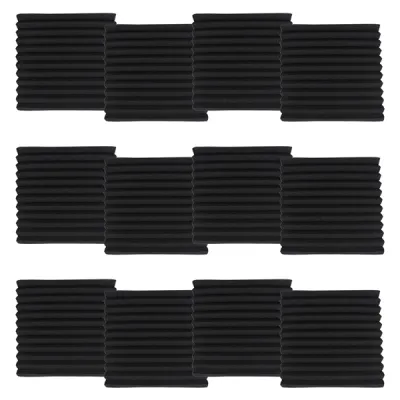
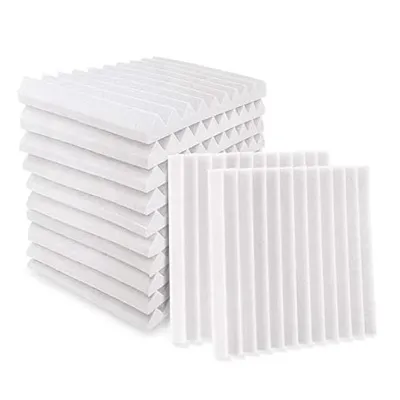
![[Slatwall]🌳 600x600mm - 1pc Sound Proof Acoustic Panel Self-Adhesive Studio Office Home Wall Karaoke Restaurant](https://img.lazcdn.com/g/p/b314f78fb4f8b4431272aadf02da4498.jpg_400x400q80.jpg_.webp)
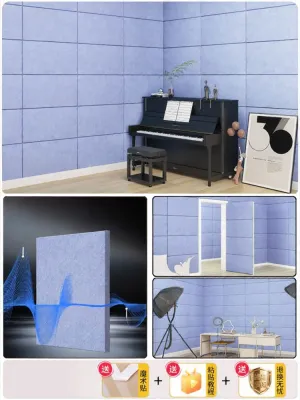
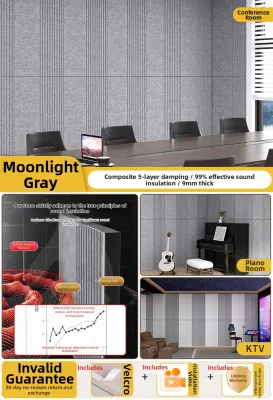
Prices are valid at publication and may change. Please refer to the product page for the latest price.
When sound waves bounce off hard concrete walls, they collide with new notes you play, creating acoustic anomalies like flutter echo and standing waves. This makes it difficult to hear the true tone of your instrument, often causing you to play louder than necessary. By introducing absorption, you reduce the reverberation time, allowing you to practice at lower, more controlled volumes, which indirectly helps reduce the noise footprint reaching your neighbors.
To manage noise complaints effectively, you must combine internal acoustic treatment with behavioral and structural adjustments. Consider practicing during non-restricted hours, using electronic instruments with headphones when possible, or adding heavy rugs to dampen floor vibrations. Sealing gaps around your bedroom door with high-density weatherstripping or installing a heavy draft stopper can also significantly reduce the amount of airborne sound escaping into the common corridor.
Choosing the Right Panel Specifications for Compact Rooms
When selecting acoustic panels for a compact HDB bedroom or study, thickness and density are the most critical specifications to evaluate. Thinner panels, typically around 25 to 50 millimeters thick, are highly effective at absorbing high-frequency sounds like vocal sibilance or the high notes of a violin. However, if you practice instruments with lower midrange frequencies, such as an acoustic guitar or cello, you will need panels that are at least 75 to 100 millimeters thick to control those longer sound waves.

The core material of the panel determines its performance, durability, and safety in enclosed spaces. High-density polyurethane foam is lightweight and easy to install, but it has limited low-frequency absorption. Fiberglass and mineral wool panels offer superior acoustic performance across a broader frequency range, but they must be properly wrapped in acoustically transparent fabric to prevent irritating fibers from escaping into the air.
Ensure foam panels are made of open-cell foam rather than closed-cell foam. Open-cell structures allow sound waves to penetrate the material and convert acoustic energy into heat through friction, whereas closed-cell foam reflects sound waves, making it ineffective for acoustic treatment.
For fabric-wrapped panels, the outer fabric must be highly breathable. A simple test is to blow through the fabric; if you feel significant resistance, it will reflect high frequencies rather than letting them pass through to the absorbing core.
Because HDB rooms often serve multiple purposes, modularity and size are key design considerations. Opt for smaller, modular panels—such as 60 by 60 centimeters—rather than massive single sheets. This allows you to distribute the treatment across different wall surfaces without overwhelming the room visually or physically.
Safety is another vital factor when treating small, poorly ventilated rooms. Always check the manufacturer’s specifications for fire retardancy ratings and low-VOC (volatile organic compound) certifications. Ensuring your panels do not off-gas harmful chemicals is essential for maintaining healthy indoor air quality during long practice sessions.
Optimizing Panel Placement for Your Instrument
To get the most value out of your acoustic panels, you should place them where they will have the greatest impact on your specific instrument’s sound. For vocals and acoustic instruments, focus on treating the immediate practice zone and the early reflection points. Placing panels at head height on the wall directly behind you and on the wall you face will help capture direct sound waves before they bounce around the room, resulting in a much clearer natural tone.
If you use amplified instruments or studio monitors, you must manage speaker boundary interference. Position your speakers away from the walls if space permits, and place acoustic panels on the side walls at the first-reflection zones. You can find these zones by sitting in your listening position and having someone slide a mirror along the wall; wherever you see the reflection of the speaker in the mirror is where a panel should go.
Do not overlook the ceiling, which is a large, flat concrete surface that reflects sound directly back to the floor. Placing a lightweight acoustic panel directly above your practice chair can dramatically improve clarity, especially for instruments that project sound upward.
High-energy sources, such as acoustic drum kits, present the greatest challenge in a small room and require broader coverage. You will need to distribute panels strategically across multiple walls to break up flutter echoes, while also incorporating low-frequency management. Because drums produce a wide range of frequencies, a combination of thick wall panels and corner treatments is necessary to keep the room from sounding muddy or overwhelmingly loud.
Damage-Free Installation for HDB Walls
Many HDB residents rent their flats or want to avoid drilling holes that require patching and repainting later. Temporary adhesives, such as removable mounting strips or heavy-duty mounting putty, are popular options for lightweight foam panels. Before applying them, strictly check the manufacturer’s weight limits and ensure your wall surface is clean, dry, and free of loose paint.
For heavier fabric-wrapped fiberglass or mineral wool panels, temporary adhesives are rarely sufficient and can fail, causing panels to fall and damage furniture. Instead, consider alternative mounting systems that avoid wall contact entirely. Freestanding frames or T-stands can hold panels securely in place, allowing you to move them around as needed. You can also use tension rods wedged between the floor and ceiling to support lightweight panels without drilling.
To hang fabric-wrapped panels without drilling, mount them onto a lightweight backing board like coroplast. You can then apply heavy-duty picture hanging strips to the board, distributing the weight across a larger surface area to prevent adhesive failure and wall damage.
Before committing to any installation method, perform a pre-installation check on an inconspicuous area of the wall. Test how the adhesive interacts with your specific paint type, as some matte or chalky paints peel easily when adhesives are removed. Additionally, check for wall moisture, especially on walls shared with bathrooms, as dampness will cause adhesives to fail over time.
If you are considering heavy panels or ceiling-suspended clouds, safety must be your primary concern. Avoid mounting heavy items on unstable surfaces or temporary partitions. If you are unsure about the structural integrity of your walls or ceiling, stop and consult a qualified professional installer to prevent injury or property damage.
Frequently Asked Questions (FAQ)
Do I need bass traps in a small HDB practice room?
Yes, small rectangular rooms are highly prone to low-frequency buildup, which makes bass notes sound muddy, boomy, or uneven. Bass traps are specialized, thick acoustic panels designed to be placed in corners where low-frequency energy naturally accumulates. Performing a simple listening test by playing a chromatic bass scale can help you identify if certain notes sound significantly louder or quieter than others, indicating a need for corner treatment.
Can acoustic panels help with HDB corridor or lift noise?
No, acoustic panels installed inside your room will not stop external noise from entering your practice space. Because corridor chatter, lift machinery, and neighbor activity travel through the air and the building’s concrete structure, they require sound isolation rather than absorption. To address external noise, focus on sealing air gaps around your front door and windows with dense rubber seals, or use a white noise machine to mask minor distractions.
Community discussion
Share your experience or ask a question. Comments are reviewed before publication.