
Selecting a drum set for adults is a significant decision that shapes your musical journey, daily routine, and relationships with your neighbors. Unlike smaller instruments, drums demand substantial physical space and generate significant acoustic energy. The choice between a traditional acoustic drum set and a modern electronic kit is not merely about old versus new technology; it dictates where, when, and how often you can practice.
For adult beginners and intermediate players, the decision typically hinges on three main pillars: your living environment, your specific practice goals, and your long-term budget. Acoustic kits offer an organic, physically resonant experience that teaches you how to control real air vibration and instrument dynamics. Electronic kits, on the other hand, provide unparalleled volume control, built-in learning tools, and a compact footprint that fits easily into modern urban homes.
To make an informed choice, you must evaluate how each option aligns with your lifestyle. While acoustic drums remain the gold standard for live performance feel, electronic drums have evolved to offer highly realistic mesh heads and advanced sound modules. Understanding the practical trade-offs of each system will help you select a kit that keeps you motivated to practice consistently.
Products mentioned in this guide
![Alesis Nitro Max Kit Foldable Electronic Drum Set With Dual Zone Mesh Head Snare Toms Cymbals Kick Pedal Module Drumsticks [LIMITED STOCK]](https://img.lazcdn.com/g/p/b547a4b2e62e79fe5eee647b3c9dfb29.png_400x400q80.png_.webp)
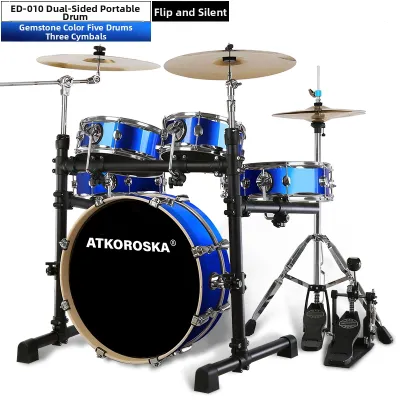
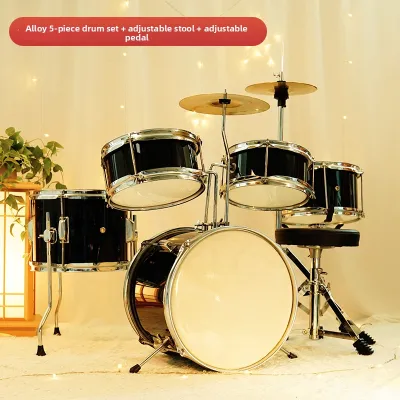
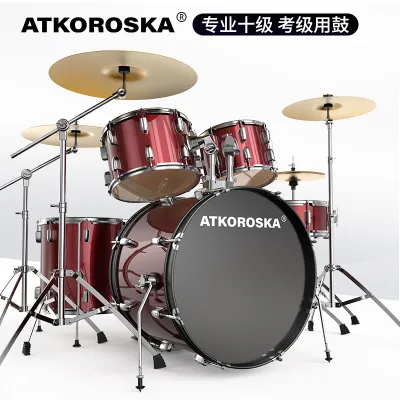
Prices are valid at publication and may change. Please refer to the product page for the latest price.
Understanding the Core Differences Between Acoustic and Electronic Kits
At their core, acoustic and electronic drum sets produce sound through entirely different physical mechanisms. An acoustic drum set relies on physical vibration. When you strike an acoustic drum head, the energy transfers through the mylar skin, vibrating the air inside the wooden shell to project a unique, resonant tone. Cymbals work similarly, using hammered metal alloys to create a complex wash of high-frequency sound waves that cut through ambient noise.
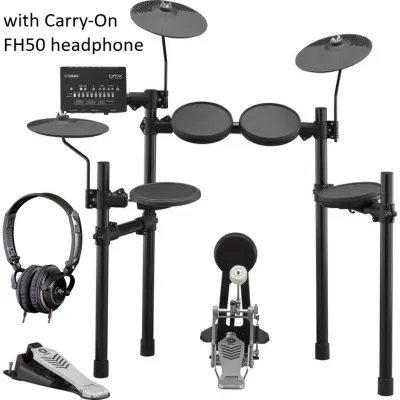
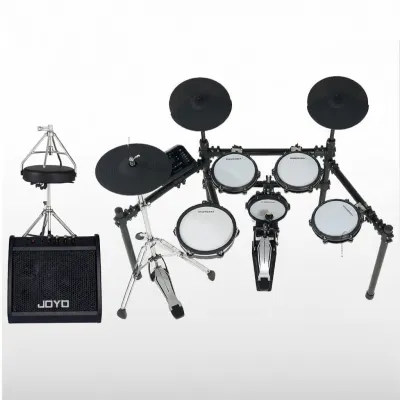
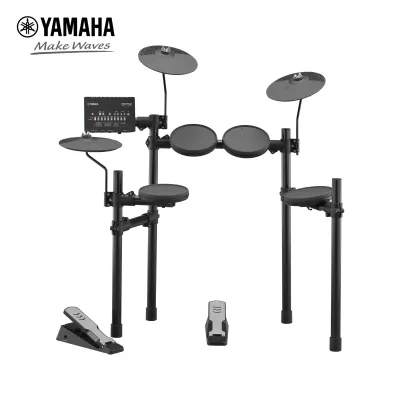
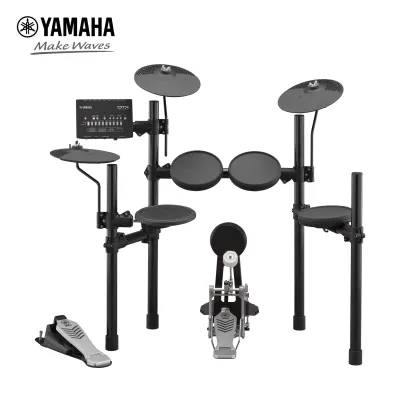
In contrast, an electronic drum set is a digital controller. The pads do not produce acoustic sound on their own; instead, they contain internal sensors called triggers. When a stick strikes a pad, the trigger sends an electronic signal to a central sound module, often referred to as the “brain.” This module instantly translates the signal into a digital audio sample—such as a pre-recorded snare drum or cymbal crash—and outputs it through headphones or an external amplifier.
This difference in sound generation directly influences the physical footprint and hardware requirements of each kit. Acoustic drums require heavy-duty, double-braced metal stands to support individual drums and heavy metal cymbals. Electronic kits typically utilize a unified, lightweight rack system where all pads and the sound module mount onto a single frame, making the entire setup easier to position and adjust.
The tactile feedback, or “feel,” of these two systems also differs significantly. Traditional acoustic drum heads are made of tensioned mylar, which provides a natural rebound that drummers spend years mastering. Electronic kits use either rubber pads or mesh heads. While basic rubber pads can feel stiff and cause wrist fatigue over long sessions, modern mesh heads consist of woven fabric that can be tensioned with a standard drum key, closely mimicking the rebound and tension of a real acoustic drum.
Evaluating Your Living Situation and Noise Constraints
Your housing situation is often the single most decisive factor when choosing a drum set for adults. Acoustic drum kits are inherently loud, often exceeding 110 decibels during normal play. In high-density housing environments common in urban areas, such as apartments, condominiums, or shared terrace houses, this level of volume can easily penetrate walls and floors, leading to immediate noise complaints from family members and neighbors.

Mitigating the volume of an acoustic kit requires a substantial investment of time and money. True soundproofing requires constructing a room-within-a-room to isolate low-frequency vibrations, which is rarely feasible for renters or casual players. Temporary solutions, such as mesh practice heads and low-volume metal cymbals, can reduce the acoustic output significantly, but they alter the natural tone of the instrument and add to the overall purchase cost.
Electronic drum sets offer a highly effective solution to these noise constraints. By routing the sound directly to a pair of quality headphones, you can practice at any hour of the day or night without disturbing those around you. The sound module also allows you to adjust the master volume instantly, making it simple to play along with music or practice quietly in a shared living room.
However, electronic kits are not completely silent. While the acoustic “clack” of sticks hitting mesh pads is minimal, the physical impact of the bass drum pedal striking the kick pad creates low-frequency vibrations. These vibrations travel directly through the floorboards, sounding like a dull thud to neighbors living directly below you. To resolve this, many apartment-dwelling drummers construct a simple isolation riser using interlocking foam tiles and sturdy wooden boards to absorb the downward impact energy.
Matching the Kit to Your Practice Goals and Playability
Your choice of instrument should align closely with your musical aspirations and the genres you wish to play. Acoustic drum sets excel at teaching dynamic control and subtle stick techniques. Because you are interacting with physical materials, minor changes in your hand angle, striking position, and velocity produce immediate, organic variations in tone. Developing a delicate snare drum roll or a nuanced cymbal wash is highly intuitive on an acoustic kit.
Transferring these skills from an electronic kit to an acoustic one can sometimes present a learning curve. Basic electronic drum modules have limited velocity layers, meaning they might play the exact same digital sample whether you strike the pad moderately hard or very hard. This can lead to a habit of playing with a flat, unnuanced dynamic range. However, intermediate and premium electronic kits feature multi-zone pads and advanced triggering systems that capture ghost notes, rim shots, and cymbal chokes with impressive accuracy.
Genre suitability also plays a role in your decision. If your primary interest lies in traditional jazz, acoustic blues, or organic rock, the acoustic kit’s natural resonance and cymbal response are almost indispensable. Conversely, if you prefer modern pop, electronic dance music (EDM), hip-hop, or industrial rock, an electronic kit is highly advantageous. The sound module allows you to swap between hundreds of pre-loaded drum machines, vintage kits, and synthetic percussion sounds at the press of a button.
Furthermore, electronic kits offer superior connectivity for modern practice and recording. Most modules include built-in metronomes, coaching functions that grade your timing, and auxiliary inputs to play along with songs from your phone. They also feature USB or MIDI outputs, allowing you to connect the kit directly to a Digital Audio Workstation (DAW) on your computer. This makes recording clean drum tracks as simple as plugging in a single cable, bypassing the need for expensive microphones and audio interfaces.
Comparing Budget, Maintenance, and Long-Term Value
When budgeting for a drum set for adults, it is essential to look beyond the initial sticker price and consider the total cost of ownership. Entry-level electronic kits often start at lower S$ price points compared to complete acoustic setups. A basic electronic kit usually includes the pads, rack, module, and pedals in a single box. However, intermediate and professional electronic kits can quickly scale in price, requiring a larger upfront investment for advanced triggering technology and realistic hi-hat stands.
Acoustic kits are often sold as “shell packs,” which include only the wooden drum shells. To make the kit playable, you must purchase separate hardware packages—including a snare stand, cymbal stands, a bass drum pedal, and a drum throne—along with a set of cymbals. These additional components can easily double your initial expenditure. Furthermore, if you want to practice quietly, you will need to budget for low-volume cymbals and mesh heads, adding to the overall S$ investment.
The ongoing maintenance requirements of the two systems also differ greatly. Acoustic drums require regular tuning to keep the heads sounding harmonious. Over time, the mylar drum heads will stretch, dent, and eventually wear out, requiring periodic replacement. Cymbals can also crack under heavy play, and hardware joints must be regularly tightened and lubricated to prevent rattles and mechanical failures.
Electronic kits require virtually no tuning and very little physical maintenance. Your primary tasks will involve managing cables to prevent wear, wiping down the pads to remove dust and stick residue, and occasionally updating the module’s firmware. While the pads are highly durable, they can eventually wear out after years of heavy use, requiring you to replace individual trigger pads rather than simple drum heads.
Decision Framework: Which Drum Set Fits Your Lifestyle?
To finalize your decision, evaluate your daily routine and physical space against these clear, practical guidelines.
You should choose an acoustic drum set if:
- You live in a detached house or have access to a dedicated, sound-insulated garage or basement where high volume is tolerated.
- Your primary musical goals focus on acoustic genres like jazz, orchestral percussion, or traditional rock, where physical dynamic nuance is critical.
- You prioritize the authentic, physical feedback of moving air and vibrating wood shells over digital convenience.
You should choose an electronic drum set if:
- You reside in an apartment, condominium, or shared housing where neighbors or family members require quiet hours.
- You plan to practice late at night or early in the morning when acoustic play is impossible.
- You want to record drum tracks directly into a computer, utilize built-in coaching tools, or play along with digital tracks through headphones.
Before making any purchase, always verify your constraints. Measure your intended practice space carefully, ensuring you have enough clearance for your arms and legs. If possible, visit a local music store to test both types of kits in person. Pay close attention to the rebound feel of mesh pads versus mylar heads, and check the physical stability of the rack systems to ensure the kit matches your playing style.
Frequently Asked Questions (FAQ)
Can I learn proper drumming technique on an electronic kit?
Yes, you can absolutely learn proper drumming technique on an electronic kit, provided you choose the right hardware. Basic rubber pads can limit your ability to practice subtle dynamics and can be hard on your joints due to their stiff rebound. To ensure your skills transfer smoothly to an acoustic kit, look for an electronic set equipped with adjustable mesh heads. These heads allow you to adjust the tension with a standard drum key, helping you develop the muscle memory, wrist control, and stick rebound techniques required for traditional drumming.
How much floor space do I need for an adult drum set?
An adult drum set requires more space than most players initially anticipate. A standard five-piece acoustic drum kit typically requires a floor area of at least 1.5 meters by 1.5 meters to accommodate the bass drum, tom stands, and cymbal spread. A compact electronic kit with a rack system can fit into a slightly smaller footprint of about 1.2 meters by 1.2 meters. Regardless of the kit type, you must also factor in an additional 0.5 meters of clearance behind the kit for your drum throne, pedal movement, and comfortable arm extension during play.

Community discussion
Share your experience or ask a question. Comments are reviewed before publication.