
Deciding between an acoustic and an electronic percussion setup is one of the most significant choices a drummer or percussionist will make. This decision shapes not only how you practice and perform but also how you interact with your living space and those around you. In high-density urban environments, where space is premium and neighbors live in close proximity, this choice becomes even more critical.
While acoustic drums offer unmatched physical resonance and organic response, electronic kits provide unparalleled volume control and digital versatility. Finding the right balance requires evaluating your current living situation, your long-term musical goals, and the practical realities of maintaining an instrument. By comparing these two formats across playability, spatial demands, maintenance, and overall cost, you can select a setup that keeps you playing consistently without causing domestic friction.
Sound, Feel, and Playability: Acoustic Resonance vs Digital Modules
The physical sensation of striking a drum head is central to a percussionist’s technique and expression. Acoustic drums utilize mylar or synthetic heads stretched over wooden or metal shells, creating a natural rebound and a complex, immediate acoustic response. Every subtle change in your strike angle, velocity, and stick position alters the tone, offering an infinite spectrum of dynamic expression that teaches nuanced control.
Products mentioned in this guide
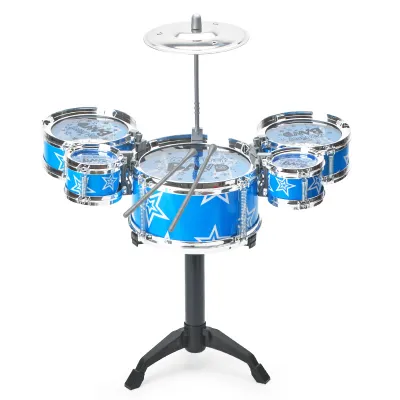
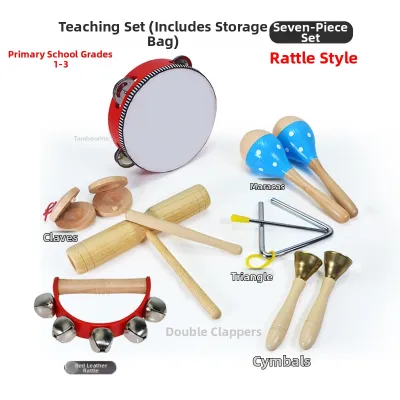

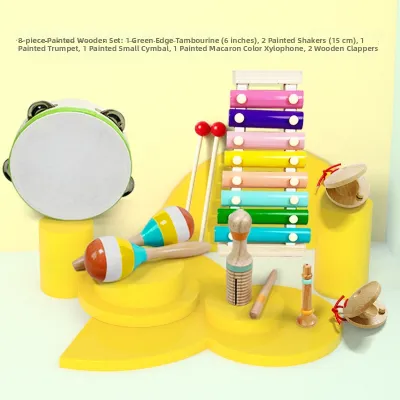
Prices are valid at publication and may change. Please refer to the product page for the latest price.
Electronic percussion kits attempt to replicate this experience using rubber pads or tension-adjustable mesh heads. Mesh heads provide a realistic rebound that closely mimics acoustic drums, and they can often be tightened or loosened to adjust the physical tension. However, the sound you hear is not produced by the physical vibration of the shell, but rather by a digital sample triggered by a sensor beneath the pad.
This digital translation introduces the concept of latency, which is the microscopic delay between the stick striking the pad and the sound reaching your ears. While modern electronic drum modules have reduced latency to virtually imperceptible levels, highly sensitive players may still notice a slight difference in immediacy compared to acoustic instruments.
The sound module, or “brain,” of an electronic kit compensates for this by offering a vast library of pre-recorded drum kits, percussion instruments, and synthetic sounds. These modules often include built-in metronomes, practice coaches, and play-along tracks, alongside direct USB or MIDI outputs for seamless recording. Acoustic players, by contrast, must rely entirely on the natural acoustics of their room and physical tuning techniques to shape their sound, requiring a deep understanding of drum key adjustments and dampening materials.
Before purchasing any kit, it is essential to verify its playability in person. Visit a local showroom to test how the stick responds to different pad materials, and check the module’s sound library to ensure the samples sound natural to your ears. Pay close attention to the dynamic range of the electronic pads, verifying whether they can accurately register soft ghost notes as well as loud rimshots.
Space and Noise: Managing Volume in Compact Living Environments
For many urban musicians, the deciding factor between acoustic and electronic percussion is not sound quality, but volume. Acoustic drum kits are inherently loud, often producing sound levels that exceed 100 decibels. This volume is virtually impossible to contain completely within a standard residential room without professional-grade, room-within-a-room soundproofing, which is both structurally challenging and highly expensive.

Electronic kits solve this primary obstacle by allowing silent practice through headphones. This feature makes it possible to practice at any hour of the day or night without disturbing family members or neighbors. However, it is a common misconception that electronic kits are completely silent.
The physical impact of wooden sticks hitting rubber pads or mesh heads still creates an audible acoustic clicking sound. More significantly, the downward force of your feet on the bass drum pedal and hi-hat controller transmits low-frequency vibrations directly through the floor. In multi-story buildings, such as HDB flats or condominiums, this structural vibration can travel through concrete slabs and sound like a heavy, rhythmic thudding to neighbors living directly below you.
To mitigate this impact noise, electronic players often need to invest in vibration isolation solutions. These can range from specialized noise-eating mats and rubber isolation feet to DIY tennis ball risers that decouple the drum rack and pedals from the floor. Verifying your floor structure and discussing potential noise transfer with neighbors beforehand can save significant frustration later.
Physical footprint is another critical spatial consideration. Acoustic kits require a dedicated, relatively large area—typically at least 1.5 by 1.5 meters—and cannot be easily folded away when not in use. Electronic kits are generally more compact, with many models designed to fold flat or occupy a much smaller footprint, making them highly suitable for tight corners or shared study rooms.
Setup, Maintenance, and Portability for Daily Use
Owning a percussion instrument involves ongoing physical upkeep to keep the gear in optimal playing condition. Acoustic drums require regular tuning, a skill that takes time to master and must be performed frequently to counteract changes in temperature and humidity. In Singapore’s tropical climate, high humidity levels can affect wooden shells and hardware, making regular inspection and tension adjustments necessary to prevent warping or rust.
Acoustic drum heads are also consumable items that stretch, wear out, and eventually dent or break under heavy playing, requiring periodic replacement. Hardware joints, tension rods, and cymbal stands must be regularly tightened and lubricated to prevent unwanted rattles and mechanical failures during practice.
Electronic kits require a different style of maintenance that focuses on electronics and cable management. You will need to ensure that all trigger cables are neatly routed and secured to prevent wear at the connection points, which can lead to misfires or dropped signals. Dusting the pads and checking the physical sensors for wear are also necessary, as rubber pads can degrade over time and mesh heads may eventually require tension adjustments or replacement.
Firmware updates for the sound module are occasionally released by manufacturers to fix bugs or improve trigger response, requiring you to connect the module to a computer. While electronic kits do not suffer from humidity-induced tuning issues, they are sensitive to power surges and liquid spills, which can permanently damage the internal circuitry.
When it comes to portability, electronic kits are often lighter and easier to disassemble into compact sections, making them convenient to transport in the back of a standard car. However, setting them up at a venue requires connecting numerous cables and securing power sources. Acoustic kits are bulkier and heavier, requiring sturdy cases and significant physical effort to transport, but their setup is purely mechanical and does not rely on electrical outlets or signal routing.
Budget and Hidden Costs: Evaluating Long-Term Value
When planning your purchase, looking beyond the initial price tag of the drum kit is vital to avoid unexpected expenses. Entry-level electronic kits often appear highly affordable, but they may lack essential hardware. Many budget electronic packages do not include a bass drum pedal, a drum throne, or headphones, requiring you to purchase these items separately.
Professional-tier electronic kits offer highly advanced triggering and realistic physical layouts, but their price can equal or exceed that of a high-end acoustic kit. Furthermore, digital components depreciate relatively quickly as newer technology and sound modules are released, similar to computers or smartphones.
Acoustic kits are often sold as “shell packs,” which include only the wooden drums themselves. To make the kit playable, you must budget separately for a cymbal set (hi-hats, crash, and ride), heavy-duty hardware stands, a snare stand, a bass drum pedal, and a comfortable throne. High-quality cymbals and hardware can easily double the initial cost of an acoustic setup.
However, acoustic drums tend to hold their resale value remarkably well over time. A well-maintained acoustic shell pack from a reputable manufacturer does not suffer from technological obsolescence and can last for decades, often retaining a significant portion of its original value on the secondhand market.
Additionally, acoustic players may need to budget for room treatment, such as heavy curtains, rugs, or acoustic panels, to manage the natural reverberation of the room. Electronic players, on the other hand, must factor in the cost of high-quality, comfortable studio headphones with a flat frequency response, or a dedicated drum amplifier if they wish to play aloud with other musicians.
Decision Framework: How to Choose Your Ideal Percussion Setup
To make your final decision, evaluate your living environment, practice goals, and budget against these core criteria.
Choose an acoustic kit if you have a dedicated, sound-treated space or live in a landed property where high volume is not a barrier. This option is ideal if your primary goal is to develop a highly nuanced touch, perform in live acoustic settings, or if you appreciate the organic resonance and physical feedback of traditional acoustic instruments.
Choose an electronic kit if you live in an HDB flat, condominium, or shared housing where silent practice is a necessity for maintaining peace with neighbors and family. This setup is perfect if you have limited floor space, want to practice at odd hours, require direct digital recording capabilities, or enjoy experimenting with a wide variety of synthesized and acoustic drum sounds.
Before committing to either option, verify your local housing guidelines regarding noise and vibration. If you are torn between the two, consider exploring hybrid setups—which combine acoustic shells with low-volume mesh heads and electronic triggers—as a versatile middle ground that offers the physical presence of an acoustic kit with the volume control of an electronic system.
Frequently Asked Questions (FAQ)
Can I convert an acoustic drum kit into an electronic one?
Yes, you can convert an acoustic kit by replacing the standard mylar heads with silent mesh heads and installing electronic triggers on the rims or inside the shells. You will also need to replace your traditional metal cymbals with low-volume electronic cymbal pads and connect all the triggers to an external electronic drum module. This hybrid approach preserves the physical stage presence of an acoustic kit while providing the volume control and sound variety of an electronic system.
Do electronic percussion kits require an external amplifier?
No, electronic kits do not require an external amplifier for private practice, as you can listen directly through a pair of headphones connected to the module’s headphone jack. However, if you want to play along with other musicians in a room, perform live, or practice without headphones, you will need to connect the module’s line outputs to a dedicated drum monitor, a keyboard amplifier, or a PA system. Standard guitar amplifiers are generally not recommended, as they cannot handle the deep low-end frequencies of a bass drum.

Community discussion
Share your experience or ask a question. Comments are reviewed before publication.