
Starting an adult colouring practice for stress relief is one of the most accessible ways to introduce mindfulness into your daily life. Unlike traditional art forms that require years of technical training, colouring removes the pressure of the blank canvas, offering pre-drawn structures that allow your brain to rest. By focusing on the simple, tactile movement of a pencil or pen across paper, you can quiet the constant chatter of a busy day and anchor your awareness in the present moment. This colouring book tutorial will guide you through the practical steps of establishing a relaxing practice, selecting the right tools, and using specific colouring techniques to cultivate a meditative state.
Setting Up Your Mindful Colouring Space and Environment
To fully experience the calming benefits of colouring, it is essential to establish a physical space that signals safety and relaxation to your nervous system. Begin by selecting a comfortable seating arrangement with excellent lighting. If you are colouring at home, perhaps near a window to catch the soft afternoon light or under a warm, adjustable desk lamp, ensure your chair supports your lower back and your table is at a height that prevents slouching. Physical strain in your neck or shoulders can quickly trigger a stress response, defeating the purpose of the activity.
Next, consciously minimize digital distractions. Place your smartphone in another room or set it to silent mode to prevent notifications from breaking your focus. Creating a soothing auditory environment can further enhance your concentration; consider playing soft ambient sounds, instrumental lo-fi beats, or nature sounds like falling rain.
Products mentioned in this guide
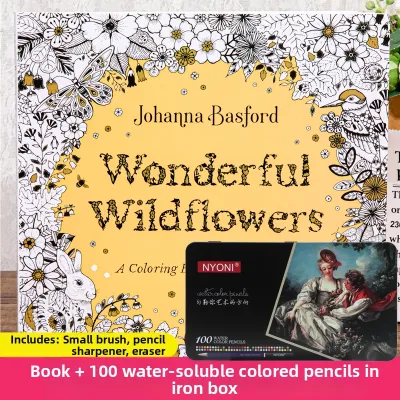
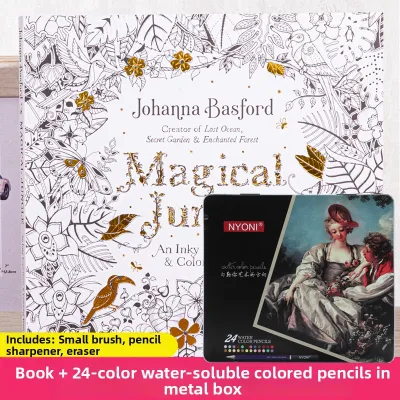
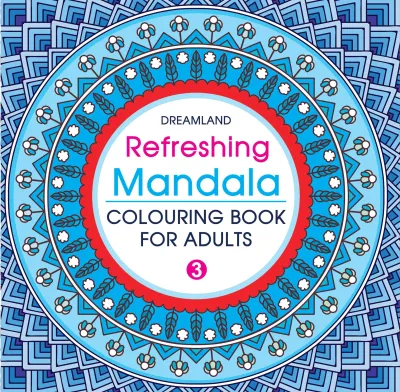
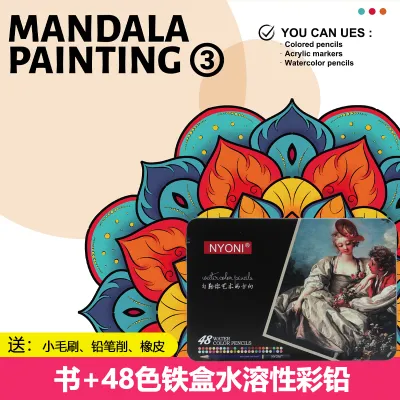
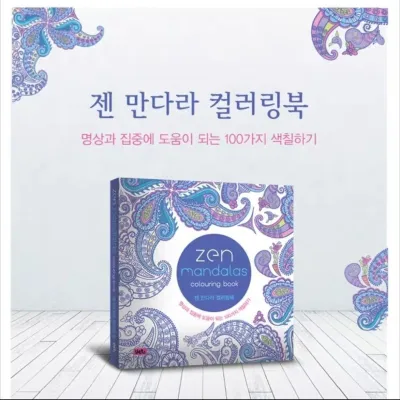
Prices are valid at publication and may change. Please refer to the product page for the latest price.
Before you even touch a coloured pencil to the page, take a moment to transition your mind. Spend one or two minutes practicing a simple grounding exercise, such as taking three slow, deep breaths or scanning your body for tension. This brief pause acts as a mental bridge, helping you leave behind the analytical demands of your day and enter a receptive, creative headspace.
Choosing the Right Colouring Book and Mediums for Relaxation
When selecting your first adult colouring book, prioritize themes that naturally evoke a sense of calm rather than those that feel like an artistic chore. Nature-inspired designs, intricate mandalas, and repetitive geometric patterns are highly effective for stress relief. Mandalas, with their concentric and symmetrical structures, naturally draw the eye inward, helping to organize scattered thoughts. If highly detailed pages feel overwhelming, look for books with broader, open designs that allow for sweeping, relaxed strokes.

The mediums you choose will greatly influence your sensory experience. Coloured pencils are the most popular choice for beginners because they offer excellent control, allow for soft blending, and carry no risk of bleeding through the paper. Gel pens provide vibrant, smooth ink flow and are excellent for small details, though they require a light touch to avoid hand fatigue. Markers and brush pens offer rich, saturated colours but require careful consideration of paper thickness.
Before purchasing a book, check the paper quality and binding style. Look for books with heavy-weight paper, typically 100 GSM or higher, to ensure your chosen medium does not bleed through to the next page. A lay-flat or spiral binding is highly recommended; struggling to keep a book open while trying to colour near the spine creates unnecessary physical frustration, which can disrupt your flow state.
Step-by-Step Tutorial: Mindful Colouring Techniques for Stress Relief
To transform colouring from a simple pastime into an active mindfulness practice, focus on the physical sensation of the process rather than the final visual outcome.
First, begin with a low-pressure warm-up. Instead of diving straight into a complex page, start your session with a low-pressure warm-up. Use a blank scrap piece of paper or a small, isolated element in your book to create a colour palette swatch. Gently scribble, blend two colours together, or test the pressure of your pencil. This simple act helps you get accustomed to the texture of the paper and the grip of your tool, removing any initial anxiety about making a mistake on the main page.
Second, apply repetitive, rhythmic strokes. Once you begin colouring the main design, focus on creating repetitive, rhythmic strokes. Use small, circular motions to fill in areas smoothly, or practice light, parallel hatching lines. The repetitive physical motion of your hand acts as an anchor for your attention. When your mind inevitably begins to wander to your to-do list, gently bring your focus back to the sound of the pencil scratching against the paper and the visual growth of the colour.
Third, practice intuitive colour selection. Avoid overthinking colour theory, shading, or realistic colour schemes. There is no need to make leaves green or the sky blue unless you genuinely want to. Instead, practice intuitive selection: reach for the colours that appeal to you in the present moment. If you feel drawn to cool blues and greens, let those dominate your page. Removing the analytical pressure of “correct” colour choices allows the creative, intuitive side of your brain to take over.
Fourth, perform periodic tension checks. As you colour, it is common to unconsciously grip your pencil too tightly or hunch your shoulders. Every ten minutes, pause briefly to observe your physical state. Loosen your grip on the pencil, roll your shoulders back, unclench your jaw, and take a deep breath. Adjusting your posture and hand pressure ensures that the physical act of colouring remains comfortable and restorative over longer periods.
Overcoming Perfectionism and Common Beginner Frustrations
One of the greatest hurdles for beginners is the trap of perfectionism. It is easy to approach colouring with a performance mindset, worrying about staying perfectly within the lines or creating a piece worthy of display. To find true stress relief, you must reframe these perceived mistakes. Going outside a line or choosing a colour that does not look quite right is not a failure; it is a natural reflection of an organic, human process.
Online platforms are filled with highly shaded, professional-grade colouring pages, which can sometimes amplify this perfectionism. Remind yourself that your colouring practice is a private act of self-care, not a competitive art project. The value of the practice lies entirely in how you feel while doing it, not in the aesthetic value of the finished page.
If you find yourself feeling frustrated, anxious, or overly critical of your work during a session, take it as a sign to step away. Mindfulness cannot be forced. Close the book, put down your pencils, and try again another day when your mind is more receptive to gentle, non-judgmental exploration.
Building a Sustainable Colouring Routine for Daily Self-Care
Integrating colouring into your daily life does not require hours of free time. To build a sustainable routine, identify times of day when your stress levels peak or when you need a transition between activities. For many, colouring for ten minutes right after returning home from work helps draw a clear boundary between professional demands and personal relaxation. For others, a short session before bed serves as an excellent screen-free wind-down ritual.
Keep your sessions time-boxed and realistic. You do not need to complete an entire page, or even a large section, in one sitting. Committing to just ten or fifteen minutes of focused colouring is highly effective and far easier to maintain than trying to carve out an hour-long block.
To reinforce the habit, take a moment before and after each session to quickly rate your stress levels on a scale of one to ten. Noticing a tangible drop in your mental tension over time provides positive reinforcement, helping you view colouring not as another task on your checklist, but as a reliable, restorative tool for your mental well-being.
Frequently Asked Questions (FAQ)
Do I need to finish a whole page to get stress relief benefits?
No, completing a page is entirely optional and has no bearing on the mindfulness benefits of the practice. The therapeutic value of colouring comes from the active, moment-to-moment engagement with the medium, the rhythmic movement of your hand, and the quiet focus it brings to your mind. A partially coloured page represents a series of mindful moments, which are valuable in their own right.
Can adult colouring replace professional therapy for severe anxiety?
Adult colouring is a wonderful, accessible self-care tool, but it is not a substitute for professional mental health treatment or therapy. It functions best as a complementary coping strategy to help manage daily stress and promote relaxation. If you are experiencing severe, persistent anxiety or mental health challenges, it is important to consult a qualified healthcare professional or therapist for personalized support.
Community discussion
Share your experience or ask a question. Comments are reviewed before publication.