
Finding the ideal crossword puzzle book requires balancing your current skill level, preferred puzzle style, and physical format preferences. Whether you are looking for a relaxing daily routine during your MRT commute or an intense mental workout on a quiet weekend, the right book keeps you engaged without causing undue frustration. By understanding how different publishers structure their grids and clues, you can confidently select a volume that matches your cognitive goals and solving habits.
In Singapore, readers have access to a wide variety of local and international publications, ranging from classic American-style grids to complex British cryptic puzzles. Navigating these options involves looking beyond the cover design to evaluate paper quality, binding, and regional spelling variations. This guide provides a structured framework to help you assess difficulty levels, choose the right themes, verify physical book features, and locate reliable purchasing channels.
Assessing Crossword Difficulty Levels
Crossword puzzle difficulty is not standardized across the publishing industry, meaning an “easy” puzzle from one publisher might feel like a “medium” or even “hard” puzzle from another. Generally, difficulty tiers are determined by grid size, the density of black squares, and the complexity of the clues. Easy puzzles often feature smaller grids, such as 13×13 or 15×15, with a higher proportion of black squares that break the grid into shorter, more manageable words. The clues in these books tend to be direct definitions or simple synonyms, requiring straightforward vocabulary and minimal lateral thinking.
Products mentioned in this guide
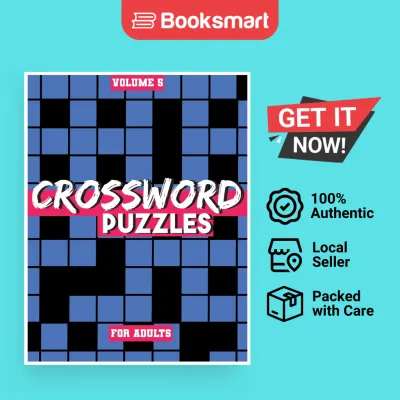
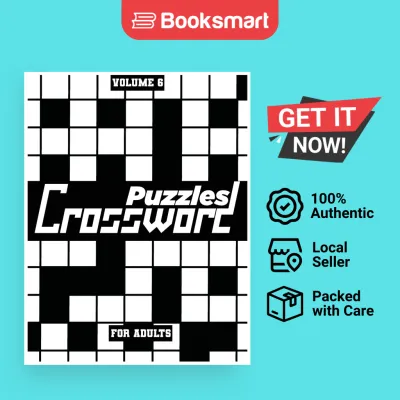
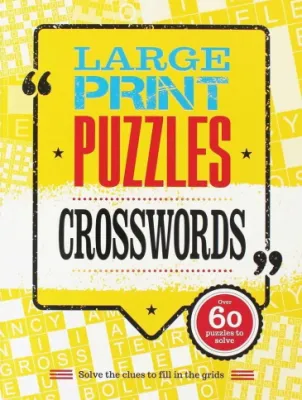
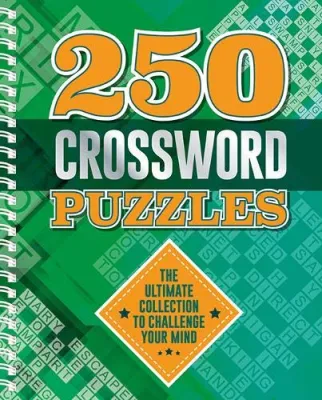
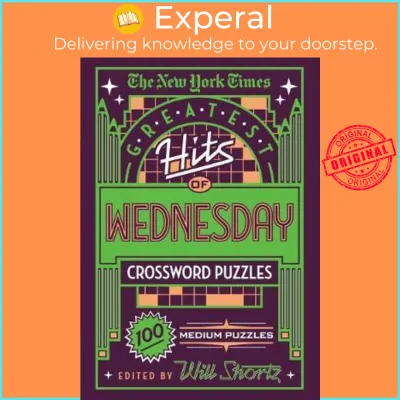
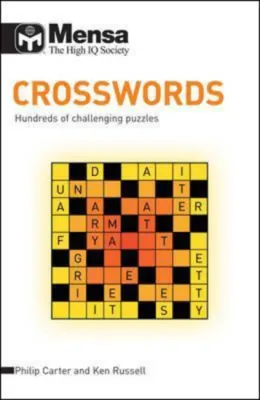
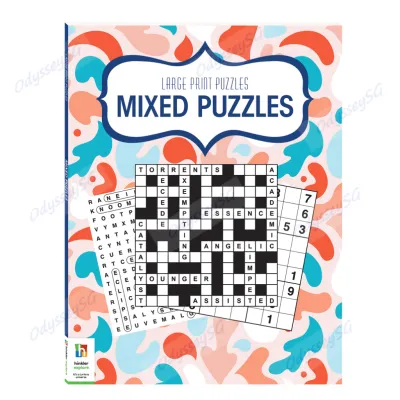
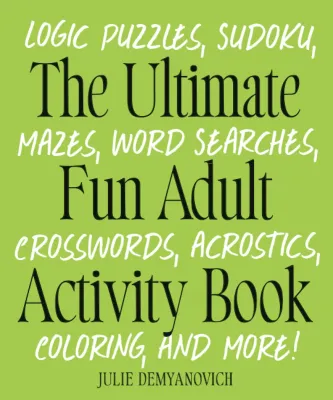
Prices are valid at publication and may change. Please refer to the product page for the latest price.
As you progress to medium and hard levels, the grid layout becomes more open, featuring longer words and fewer black squares. This structure requires solvers to find intersecting words with fewer starting letters, increasing the reliance on correct answers to unlock adjacent sections. Clues in these tiers shift from direct definitions to wordplay, puns, homophones, and double meanings. Expert-level puzzles often demand a deep reservoir of niche trivia, historical facts, obscure vocabulary, and highly abstract associations that require multi-step reasoning to decode.
Assessing your personal tolerance for different types of difficulty is crucial for maintaining an enjoyable solving experience. Some solvers excel at general knowledge and trivia-based clues but struggle with complex wordplay or anagrams. Others prefer logical deduction and linguistic patterns over memorizing historical dates or pop culture references. Before purchasing a book, reflect on which style of challenge brings you the most satisfaction, as this will guide you toward publishers that align with your cognitive strengths.
Because difficulty labels are highly subjective, you should always verify a publisher’s calibration before committing to a thick volume. A book labeled “challenging” might use straightforward clues but feature massive 21×21 grids, while another “challenging” book might use standard 15×15 grids filled with highly obscure literary references. When shopping, look for sample puzzles or digital previews to solve a few clues. This hands-on check is the most reliable way to calibrate the book’s actual difficulty against your current skill level.
Choosing a Puzzle Style and Theme
The two primary styles of crosswords dominant in the English-speaking world are American-style and British-style (cryptic) crosswords. American-style crosswords are characterized by fully interlocking, symmetrical grids where every letter is part of both an across and a down word. The clues are typically straightforward definitions, trivia, or clever wordplay, with a theme often tying several long answers together. This style is excellent for solvers who enjoy vocabulary recall, general knowledge, and structured, predictable grid patterns.

In contrast, British-style cryptic crosswords present an entirely different linguistic challenge. In a cryptic crossword, every clue is a mini-puzzle in itself, consisting of two parts: a direct definition and a wordplay recipe. The wordplay might involve anagrams, double definitions, hidden words, reversals, or homophones. The grids in cryptic crosswords are typically not fully interlocking, meaning some letters do not cross with other words. Solving cryptics requires learning a specific set of rules and indicator words, making them highly appealing to those who enjoy deep logical analysis and linguistic puzzles.
Themed crossword books offer an excellent way to align your solving practice with specific personal interests or learning objectives. Books dedicated to history, literature, science, or pop culture allow you to immerse yourself in a subject you love while expanding your specialized vocabulary. For instance, a literature-themed book might test your knowledge of classic authors and plot points, serving as both entertainment and a gentle educational tool. These themed volumes can significantly enhance engagement, especially for solvers who find general-knowledge puzzles too broad or disconnected.
For those seeking a more varied mental workout, variety puzzle books are an excellent alternative to dedicated crossword volumes. These compilations mix standard crosswords with other word games, such as word searches, anagram puzzles, cryptograms, and logic grids. A variety book prevents mental fatigue by allowing you to switch between different types of cognitive tasks. If you find yourself stuck on a difficult crossword grid, you can pivot to a logic puzzle or a word search to keep your mind active while giving your language centers a brief rest.
Verifying Book Features and Format
The physical format of a puzzle book directly impacts the comfort of your solving experience. High-quality paper is essential, especially if you prefer using pencils and need to erase mistakes frequently. Thin, low-grade paper can easily tear under the pressure of an eraser or allow ink from pens to bleed through to the puzzle on the reverse side. Look for books that specify high-opacity, thick paper. Additionally, the binding type is critical; standard glue bindings often force you to hold the book open with one hand while writing with the other, which can quickly become tiring. Spiral-bound or lay-flat books are highly recommended as they remain open on a table or lap, allowing for a hands-free, comfortable solving posture.
Print size and grid spacing are equally important considerations for readability and ease of writing. Small, cramped grids with tiny clue fonts can cause eye strain, particularly during extended solving sessions. Ensure the grid squares are large enough to write letters clearly without having to squeeze them into tiny spaces. This is especially important if you use a soft pencil or a medium-point pen. Many publishers offer large-print editions that provide generous spacing for both the clues and the grid, making the solving process much more physically relaxing.
Content completeness is another vital feature to verify before making a purchase. A high-quality crossword book must include a comprehensive answer key at the back. For advanced or cryptic puzzle books, look for editions that provide not just the answers, but also brief explanations or annotations showing how the clues were solved. This is incredibly valuable for learning the logic behind complex wordplay and improving your skills for future puzzles. Without a clear answer key, a stuck solver has no way to learn from their mistakes or verify their progress.
Finally, pay close attention to language and regional variations, as crossword puzzles are deeply rooted in cultural and linguistic contexts. Books published in the United States will use American spelling conventions (such as “color” instead of “colour”) and frequently reference American pop culture, sports, history, and geography. Books from the United Kingdom or Commonwealth countries will use British spelling conventions and focus on regional cultural references. For solvers in Singapore, choosing a book that aligns with your familiar spelling system and cultural knowledge base will prevent unnecessary confusion caused by regional slang or unfamiliar local trivia.
Building Your Selection Shortlist
To build an effective shortlist of crossword books, start by defining your primary goal for the purchase. If you want a casual activity to pass the time during daily commutes on the MRT, a pocket-sized book with quick, easy-to-solve puzzles is ideal. These smaller volumes are easy to carry and do not require a table to solve comfortably. Conversely, if your goal is an intense weekend mental challenge or targeted vocabulary building, you should look for larger, desk-friendly volumes with complex grids and highly academic clues that encourage deep concentration.
Once your primary goal is clear, filter your candidates by physical format and publisher reputation. Established puzzle publishers are known for rigorous editing and quality control, ensuring that clues are accurate, grids are free of errors, and answers match the clues perfectly. Self-published or low-cost puzzle books sometimes suffer from poor editing, leading to frustrating errors like mismatched clue numbers or incorrect answers in the key. Sticking to reputable publishers minimizes these frustrations and guarantees a high-quality solving experience.
Before finalizing your selection, take full advantage of digital previews and “look inside” features offered by online bookstores. These previews allow you to examine the actual layout of the pages, check the font size, and read through a few clues to gauge their style. Pay attention to whether the clues feel engaging and fair, or if they rely too heavily on obscure, archaic words that you find frustrating rather than challenging. Testing a sample page online is the closest equivalent to browsing a physical book on a store shelf and helps prevent buyer’s remorse.
Purchasing Channels and Final Checks
When deciding where to buy your crossword puzzle books in Singapore, consider the trade-offs between physical retail stores and online bookstores. Visiting a local physical bookstore allows you to handle the book directly, which is the best way to inspect the paper thickness, test how flat the binding lies, and verify the print size. You can also flip through the pages to ensure the layout is clean and the grid squares are sufficiently large. However, physical stores may have a more limited selection of specialized puzzle books compared to online platforms.
Online bookstores and digital marketplaces offer an incredibly vast selection of international titles, including niche cryptic books and specific themed volumes that might not be stocked locally. While online shopping provides convenience and variety, it deprives you of the tactile inspection process. To mitigate this, always read the detailed product specifications, paying close attention to the book’s dimensions, page count, and binding type. Look for customer feedback that specifically mentions paper quality and ease of writing to compensate for not being able to hold the book in person.
Before completing your purchase, verify the publication date and the specific edition of the book. Many popular crossword series publish multiple volumes with very similar cover designs, making it easy to accidentally purchase a duplicate of a book you already own. Additionally, older publications might contain outdated pop culture references or historical clues that feel irrelevant today. Checking the publication year ensures you are getting a fresh set of puzzles with contemporary references that match your expectations.
Finally, always review the return and exchange policies of your chosen retailer, especially when ordering online. If a book arrives with paper that is too thin for your favorite pen, or if the actual difficulty level is vastly different from what was advertised, a flexible return policy allows you to exchange it without hassle. Ensuring that you can return or swap an unsuitable book provides peace of mind and guarantees that your investment leads to an enjoyable, stress-free solving experience.
Frequently Asked Questions (FAQ)
Are large print crossword books only for seniors?
No, large print crossword books are not exclusive to seniors. While they are highly beneficial for individuals with age-related visual changes, they are also an excellent choice for anyone who experiences eye strain from prolonged reading or working on screens. Furthermore, large print editions naturally feature larger grid squares, providing ample space for writing and erasing without cramping your handwriting. This makes them a highly practical and comfortable option for solvers of all ages who prefer a clean, spacious layout.
How can I transition from easy to cryptic crosswords?
Transitioning to cryptic crosswords requires learning a new linguistic language rather than just expanding your vocabulary. Start by selecting beginner-friendly cryptic books that include introductory tutorials, detailed rule breakdowns, and step-by-step examples of how clues are constructed. When solving, keep the answer key open and use it to work backward. By studying the solved answers alongside the clues, you will begin to recognize common indicator words for anagrams, reversals, and hidden words, gradually building the pattern recognition skills needed to solve them independently.
Do crossword puzzle books help with cognitive health?
Crossword puzzles are an excellent tool for mental stimulation, vocabulary expansion, and pattern recognition, helping to keep your mind active and engaged. Engaging in regular mentally challenging activities is widely recognized as a positive habit for cognitive wellness. However, crossword puzzles should be viewed as one component of a balanced lifestyle. For overall cognitive health, it is beneficial to combine word puzzles with other healthy habits, such as regular physical exercise, a balanced diet, quality sleep, and diverse social and intellectual activities.
Community discussion
Share your experience or ask a question. Comments are reviewed before publication.