
Quick Answer: Aeroband vs Traditional Acoustic for Beginners
Choosing between an Aeroband smart guitar and a traditional acoustic guitar comes down to your personal learning goals, daily lifestyle, and practice environment. Neither instrument is universally superior; instead, each serves a distinct type of aspiring musician.
The Aeroband guitar is highly suited for beginners who want immediate gratification, portable travel options, and the ability to practice silently in shared living spaces. It bypasses many of the physical barriers of early guitar learning through digital assistance and gamified app integration.
Conversely, a traditional acoustic guitar is the ideal choice if your goal is to build authentic finger strength, master standard fretboard mechanics, and experience the natural resonance of physical wood. Starting with an acoustic ensures that every skill you develop translates directly to any other standard guitar in the world.
Products mentioned in this guide
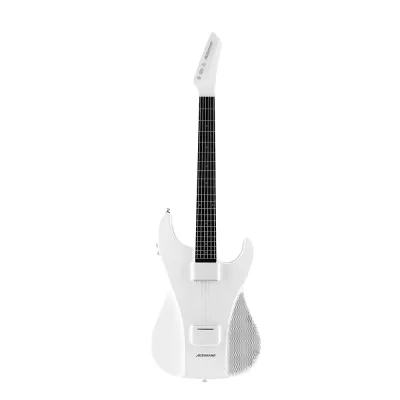
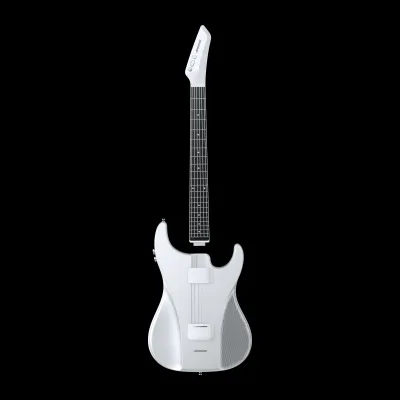
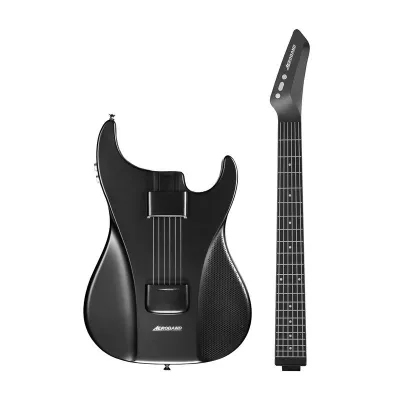
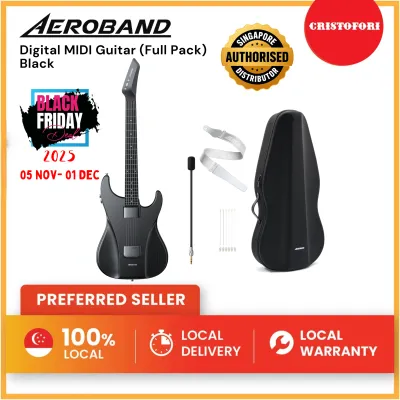
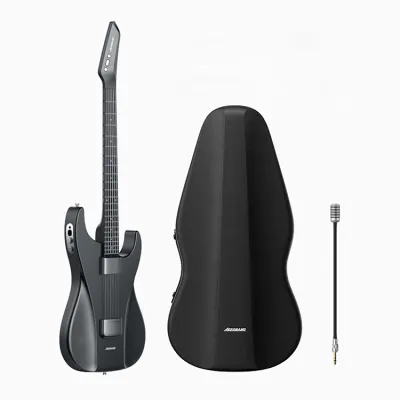
Prices are valid at publication and may change. Please refer to the product page for the latest price.
Learning Curve and Skill Transfer
Starting your musical journey on an Aeroband guitar offers a low-friction entry point. The instrument utilizes simplified chord mechanisms, touch-sensitive pads, and visual LED indicators that sync with a companion mobile application. This gamified approach allows you to play recognizable songs almost immediately, keeping motivation high during those critical first weeks when many traditional learners give up.

A traditional acoustic guitar presents a much steeper initial learning curve. Beginners must endure the physical discomfort of pressing steel strings, which requires weeks of consistent practice to build protective calluses on the fingertips. Mastering fundamental techniques like clean fretting, hand stretching, and complex barre chords demands significant physical discipline and patience.
When evaluating how these skills transfer to other instruments, the differences become clear. Learning on an Aeroband guitar builds excellent foundational rhythm, timing, and song structure comprehension. Because you are playing along with interactive visual cues, your internal metronome develops rapidly.
However, physical technique transfer from a smart guitar to a traditional acoustic is limited. The unique finger placement, string-bending control, and subtle fingerpicking dynamics required for an acoustic guitar cannot be fully replicated on a digital interface. If you transition to a traditional guitar later, you will still need to undergo the physical conditioning phase to build hand strength and callus development.
Before making a purchase, it is highly recommended to download the manufacturer’s companion app on your mobile device. Reviewing the lesson structures, song libraries, and user interface beforehand will give you a clear picture of the daily learning experience.
Portability, Setup, and Practice Flexibility
The physical design of these two instruments dictates how and where you can practice. Traditional acoustic guitars, particularly dreadnought or concert shapes, are bulky and require dedicated hard cases for safe transport. Their size and vulnerability to physical impacts make them less convenient for frequent travel or daily commutes.
The Aeroband guitar features a compact, lightweight, and often modular design. This streamlined footprint makes it incredibly easy to pack into a backpack or carry-on luggage, allowing you to maintain your practice routine while traveling.
For those living in high-density housing, such as apartments or condominiums, noise control is a major consideration. Practicing a traditional acoustic guitar late at night can easily disturb family members or neighbors due to the natural projection of the wooden soundboard. The Aeroband guitar solves this issue entirely with its dedicated headphone output, enabling completely silent practice sessions at any hour of the day or night.
Maintenance routines also differ significantly between the two options:
- Traditional Acoustic Guitars: These instruments require regular tuning before every practice session. In highly humid climates like Singapore, wooden guitars are susceptible to warping, cracking, and bridge lifting. You must actively manage humidity levels using silica gel packs, specialized cases, or room dehumidifiers. Additionally, steel strings must be replaced periodically as they rust and lose their tone.
- Aeroband Guitars: These digital instruments require virtually no physical maintenance. They do not go out of tune and are completely unaffected by environmental humidity. However, they introduce digital maintenance tasks, including regular battery charging, firmware updates, and Bluetooth pairing with your smart devices.
Sound Quality and Authentic Playing Experience
The auditory and tactile feedback of an instrument plays a massive role in how connected you feel to the music. A traditional acoustic guitar offers an organic, rich, and highly dynamic sound. The tone is produced by the physical vibration of the strings transferring through the bridge to the wooden body, creating a unique resonance that you can feel vibrating against your chest.
The Aeroband guitar relies on digital sound modeling to synthesize its audio. While it cannot replicate the complex physical resonance of aged tonewood, it offers incredible sonic versatility. Through the companion app, you can instantly switch between acoustic, electric, and classical guitar tones, or even apply built-in effects like reverb and delay.
Tactile feedback is another area of contrast. Traditional guitars provide high string tension and physical resistance, which teaches you how to control your playing dynamics and volume through the force of your fingers. The Aeroband guitar uses silicone pads or low-tension strings that require very little physical effort to activate, offering a different tactile sensation that feels more like operating a digital controller than a traditional acoustic instrument.
To ensure the digital audio experience meets your expectations, verify the manufacturer’s specifications regarding audio output options. Look for low-latency Bluetooth protocols and high-quality headphone outputs to ensure there is no noticeable delay between your physical action and the sound reaching your ears.
Cost, Accessories, and Long-Term Value
Evaluating the financial commitment of both options involves looking beyond the initial price tag to consider ongoing maintenance and long-term value. Entry-level traditional acoustic guitars from reputable manufacturers are highly accessible and offer excellent value for beginners on a budget.
The Aeroband guitar represents a higher upfront investment in digital hardware. However, this cost often includes access to interactive learning software and digital tools that would otherwise require separate purchases if you went the traditional route.
Ongoing expenses for both instruments follow very different paths:
- Traditional Acoustic Expenses: Regular costs include replacement strings, picks, a capo, a clip-on tuner, and occasional professional setups to adjust the string height (action). These costs are small but recurring over the lifetime of the instrument.
- Aeroband Expenses: Ongoing costs are generally minimal unless the companion application requires a premium subscription to unlock advanced lessons or specific song libraries. You may also need to replace the internal rechargeable battery after several years of heavy use.
Long-term value and depreciation are also worth noting. A well-maintained wooden acoustic guitar can last for decades, and its resale value remains relatively stable on local secondhand marketplaces. Digital instruments, however, are subject to software obsolescence. If the manufacturer stops updating the companion application for newer mobile operating systems, the instrument’s functionality could become severely limited over time.
Final Decision Framework: Matching the Guitar to Your Goals
To finalize your decision, review this practical checklist to see which instrument aligns best with your current living situation and musical aspirations.
Choose the Aeroband Guitar if:
- You live in a shared apartment or HDB flat and need the ability to practice silently with headphones late at night.
- You travel frequently and want a lightweight, compact instrument that fits easily into travel luggage.
- Your primary goal is to play songs casually for fun, sing-alongs, or social gatherings without spending months mastering physical finger techniques.
- You prefer a gamified, app-driven learning experience that guides you visually step-by-step.
Choose a Traditional Acoustic Guitar if:
- You want to build authentic finger strength, calluses, and traditional hand techniques that apply to any standard guitar.
- You prefer the warm, natural, and resonant sound of physical wood over digital synthesis.
- You want an investment that will last for decades without worrying about battery life, software updates, or app compatibility.
- You plan to jam unplugged with other acoustic musicians in casual, outdoor, or campfire settings.
Verify First:
Before making your final purchase, confirm that the Aeroband companion app is fully compatible with your specific smartphone or tablet operating system. If you lean toward a traditional acoustic, visit a local music retailer in Singapore to hold different body sizes, ensuring the instrument feels comfortable against your body and the neck profile fits your hand comfortably. Finally, always check the local warranty terms and return policies of your chosen retailer to protect your investment.
Frequently Asked Questions (FAQ)
Can I transition from an Aeroband guitar to a traditional acoustic later?
Yes, you can transition, but you should expect an adjustment period. Your developed sense of rhythm, timing, and song structure will transfer immediately, which gives you a significant head start. However, you will need to spend several weeks building up finger calluses and hand strength to cope with the physical tension of real steel strings. You will also need to adapt to standard chord fingerings if you relied primarily on the simplified digital chord modes of the smart guitar.
Do I need a smartphone or tablet to use the Aeroband guitar?
Yes, a compatible mobile device is essential to access the full functionality of the Aeroband guitar. While some basic functions may work standalone, the companion application is required for interactive lessons, adjusting sound profiles, customizing settings, and installing necessary firmware updates. Always check the manufacturer’s official compatibility list to ensure your current iOS or Android device is supported before purchasing.
Community discussion
Share your experience or ask a question. Comments are reviewed before publication.