
When selecting your next suspenseful read, comparing a fast-paced international title like Aftershock with thriller novels by Singaporean authors reveals two distinct approaches to building tension, structuring mysteries, and immersing readers. Aftershock represents a style of thriller that prioritizes rapid narrative momentum, immediate physical or psychological stakes, and globally accessible settings. In contrast, Singaporean thriller novels often draw their power from dense urban environments, complex societal structures, and localized cultural tensions that build a more atmospheric, slow-burn sense of dread.
Understanding these differences in storytelling mechanics is essential before committing to a purchase. Whether you are browsing physical shelves in a local bookstore or scrolling through digital catalogs, knowing how these books manage pacing, plot complexity, and narrative style will help you select a story that matches your current reading preferences. By analyzing the structural elements of both options, you can make an informed decision that ensures a satisfying and engaging reading experience.
Pacing and Suspense: How Tension is Built
The rate at which a story establishes its conflict and maintains momentum is one of the most significant factors in reader satisfaction. In thrillers like Aftershock, the opening hook is designed to be immediate and disruptive. Within the first few pages, the protagonist is typically thrust into a high-stakes crisis—such as a sudden physical threat, a shocking crime, or an urgent conspiracy—that demands immediate action. The narrative pace remains consistently high, utilizing short chapters, frequent cliffhangers, and rapid shifts in scene to keep the reader turning pages. Suspense in this style of writing relies heavily on external momentum and the constant threat of impending danger.
Products mentioned in this guide

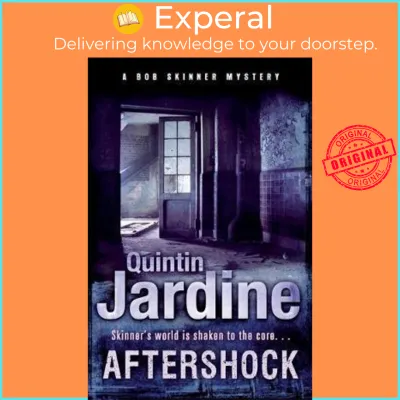




Prices are valid at publication and may change. Please refer to the product page for the latest price.
Singaporean thrillers, on the other hand, often employ a more deliberate, atmospheric approach to building suspense. Rather than starting with an explosive event, these novels frequently begin by establishing a sense of unease within a highly structured, familiar environment. The tension builds gradually as the narrative peels back the layers of the local society, revealing hidden conflicts beneath the surface of prestigious schools, corporate offices, or quiet residential estates. The suspense in these stories is less about immediate physical peril and more about psychological dread, social ruin, and the slow unraveling of long-held secrets.
To determine which pacing style suits your current mood, it is highly beneficial to evaluate book descriptions and reader reviews before buying. When researching online, look for specific keywords that signal the book’s narrative speed. Descriptors such as “breakneck pace,” “relentless,” “action-packed,” or “page-turner” are strong indicators of a fast-paced structure similar to Aftershock. Conversely, terms like “slow-burn,” “richly atmospheric,” “character-driven,” or “deliberately paced” suggest a Singaporean thriller that takes its time to establish tension, offering a deeper, more immersive psychological experience.
Plot Complexity and Twist Execution
The structural design of a mystery determines how engaged a reader remains as the plot unfolds. Thrillers in the vein of Aftershock often favor a highly focused, linear plot structure or a dual-perspective narrative. This design keeps the central conflict clear and ensures that the momentum never falters. The plot twists in these novels are typically sudden, dramatic revelations—such as a hidden identity, a shocking betrayal, or a newly discovered piece of physical evidence—that instantly reframe the immediate danger. The satisfaction comes from the rapid-fire resolution of these twists and the high-stakes climax they produce.

In contrast, Singaporean thriller novels frequently utilize multi-perspective or multi-timeline narrative structures to explore a single mystery from various angles. Because Singapore is a compact, highly interconnected society, local authors often use these complex structures to show how a single crime or secret reverberates across different social classes, generations, and communities. The plot complexity is deeply intertwined with systemic pressures, family expectations, and historical contexts. The twists in these novels are often psychological and thematic, forcing the reader to question the moral ambiguity of the characters rather than just the identity of a culprit.
When selecting a book, checking for structural tags and editorial notes can help you gauge the complexity of the plot. If you enjoy solving a complex puzzle with multiple moving parts, look for tags such as “unreliable narrator,” “multi-perspective,” “non-linear timeline,” or “interlocking stories.” These elements are common in Singaporean thrillers that aim to provide a comprehensive view of a localized mystery. If you prefer a direct, high-stakes race against time where the primary focus remains on a single protagonist’s survival, a more linear thriller structure will be the ideal choice.
Narrative Style and Cultural Immersion
The voice of the author and the vividness of the setting are crucial to creating a memorable reading experience. Aftershock typically employs a lean, dialogue-driven prose style that prioritizes clarity and speed. Descriptions are functional, focusing on immediate sensory details, physical actions, and emotional reactions that heighten the sense of urgency. The setting often serves as a neutral backdrop—a generic metropolitan city or a sterile corporate environment—designed to keep the reader’s focus entirely on the characters and the plot progression.
Singaporean thrillers offer a vastly different narrative experience by making the setting a central character in the story. Authors utilize descriptive density to capture the unique sensory landscape—from the humid, rain-slicked streets and crowded hawker centers to the air-conditioned silence of high-rise apartments. Furthermore, the prose often incorporates local linguistic nuances, blending standard English with regional phrases, cultural idioms, and multilingual dialogue. This linguistic diversity provides a rich level of cultural immersion, allowing readers to experience the psychological weight of societal expectations, academic pressure, and familial duty that are unique to the local context.
Before purchasing, it is important to verify the book’s edition, language, and format to ensure the narrative style aligns with your expectations. Some local thrillers published by Singaporean presses may include glossaries or explanatory notes for cultural terms, while others expect the reader to immerse themselves directly in the local vernacular. Reading a sample chapter online or checking the publisher’s details can help you determine if the prose style and level of cultural immersion match your reading preferences.
Decision Framework: Which Thriller Fits Your Mood?
To help you decide between these two compelling styles of suspense fiction, consider your current reading preferences, environmental interests, and desired level of plot complexity.
Choose Aftershock if you prefer:
- A fast-paced, high-octane narrative with immediate physical or psychological stakes.
- Lean, action-oriented prose that focuses on plot progression and rapid-fire twists.
- Globally familiar settings that serve as a backdrop for a universal struggle against danger.
Choose Singaporean thrillers if you prefer:
- A slow-burn, atmospheric mystery where the setting and cultural context are central to the plot.
- Complex, multi-perspective narratives that explore societal pressures, family secrets, and psychological depth.
- Immersive prose that incorporates local linguistic nuances, regional settings, and unique cultural dynamics.
| Feature | Aftershock Style Thrillers | Singaporean Thriller Novels |
|---|---|---|
| Pacing | Fast-paced, high momentum | Slow-burn, deliberate build-up |
| Primary Suspense Driver | Immediate physical or psychological danger | Atmospheric dread, societal secrets |
| Plot Structure | Linear or dual-perspective | Multi-perspective, multi-timeline |
| Setting & Atmosphere | Globally accessible, functional backdrop | Highly detailed, culturally immersive |
| Prose Style | Lean, dialogue-driven, action-focused | Descriptive, linguistically diverse |
Before finalizing your purchase, follow these essential steps to ensure a smooth buying experience:
- Verify Format and Device Compatibility: Confirm whether the book is available in paperback, hardcover, or digital formats. If purchasing an e-book, ensure the file format is fully compatible with your specific e-reader device.
- Check Regional Availability: Some Singaporean thrillers published by local independent presses may have limited international distribution. Verify if the retailer offers shipping to your location or if the digital edition is licensed for your region.
- Confirm Edition Details: Check the publication date, publisher, and ISBN-13 to ensure you are purchasing the correct edition. Local paperbacks in Singapore typically range from S$15 to S$25, so comparing prices across authorized local bookstores and online platforms can help you find the best option.
Community discussion
Share your experience or ask a question. Comments are reviewed before publication.