
Choosing between a soft cover and a hard cover Al Quran is a practical decision that directly shapes your daily interaction with the sacred text. The ideal binding depends on your primary reading environment, whether you require a lightweight companion for your daily commute or a sturdy, lay-flat volume for dedicated study at home. Each style offers distinct physical advantages that cater to different reading habits, storage conditions, and handling preferences.
A soft cover Al Quran, often bound in flexible polyurethane (PU) or synthetic leatherette, excels in portability, fitting easily into bags without adding unnecessary weight. Conversely, a hard cover Al Quran utilizes a rigid board backing that protects the pages from bending and provides the structural integrity needed to rest flat on a desk or book stand. By understanding how these physical differences affect handling, durability, and reading comfort, you can select a binding that seamlessly integrates into your spiritual routine and preserves the physical condition of the book over time.
Key Differences in Durability and Daily Handling
The structural integrity of an Al Quran is primarily determined by its cover materials and spine construction. Soft cover editions typically feature flexible materials such as polyurethane (PU) leather, synthetic leatherette, or heavy laminated cardstock. These materials allow the cover to bend slightly under pressure, absorbing minor impacts without permanent creasing, making them highly resilient against drops.
Products mentioned in this guide
![Alquran Al -Hadi [Terjemahan & Transliterasi(Rumi) Per Kata] (B6/B5/A4/JUMBO SIZE) (Hardcover & Softcover)](https://img.lazcdn.com/g/p/b5798fb57c9d567a28d33c47197f5d4c.jpg_400x400q80.jpg_.webp)
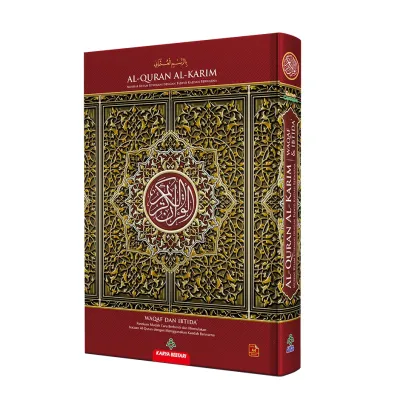
![Al Quran Al Karim Al Mujawwad Dengan Panduan Tajwid Dan Waqaf & Ibtida COMPILED & PERJILID [JUMBO SIZE 32 x 23 cm]](https://img.lazcdn.com/g/p/135a5bc134473e87b3ef258c10494556.jpg_400x400q80.jpg_.webp)

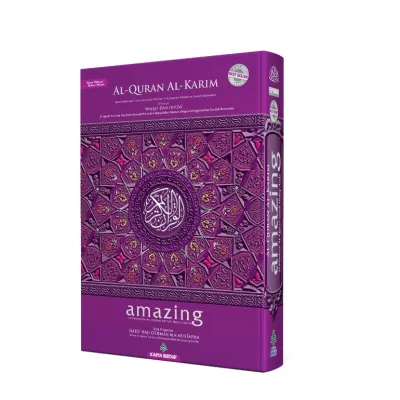
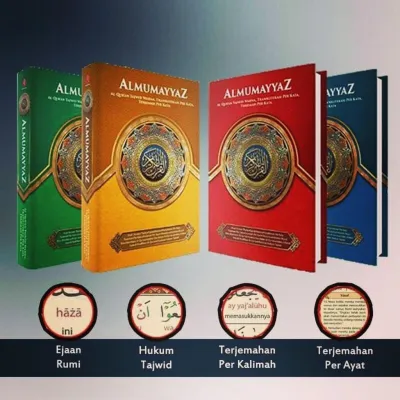
Prices are valid at publication and may change. Please refer to the product page for the latest price.
Hard cover editions are constructed by wrapping a rigid greyboard or thick cardboard core with paper, book cloth, or synthetic leather. This rigid shell acts as a protective shield, absorbing external forces and preventing the corners of the pages from curling or fraying. While the rigid structure offers excellent protection, the corners themselves can become dented or “bumped” if dropped onto hard surfaces.
Spine construction also differs significantly between the two styles. High-quality hard covers often employ Smyth-sewn bindings, where folded signatures of pages are stitched together and glued to a fabric backing. This traditional method allows the book to open wide and distribute stress evenly across the spine. Soft covers may use similar sewn methods or rely on perfect binding (adhesive only), which can be more susceptible to spine cracking if forced open too wide or flexed repeatedly in opposite directions.
Daily handling exposes both bindings to distinct wear patterns. Soft covers are prone to edge wear, where the flexible edges of the cover rub against other items in a bag, leading to peeling or fraying over time. Hard covers, while highly resistant to edge wear, can experience wear at the joints—the flexible hinge where the rigid cover meets the spine—especially with frequent opening and closing.
Environmental factors, particularly high humidity, can affect both binding types. In humid climates, paper fibers naturally absorb moisture, which can cause pages to wavy or warp. A rigid hard cover helps compress the pages when the book is closed, mitigating some of this warping. Soft covers offer less compression, making them more reliant on proper storage in dry, well-ventilated spaces to maintain their flat profile.
To prolong the lifespan of either binding, regular maintenance is essential. Avoid pulling the book by the top of its spine when retrieving it from a shelf, as this can tear the headcap. Wipe synthetic covers occasionally with a dry, soft microfiber cloth to remove oils from hands, and store the book away from direct sunlight to prevent the cover materials from fading, cracking, or becoming brittle.
Portability and Travel: Evaluating the Soft Cover Al Quran
For those who read during daily commutes, travel frequently, or attend regular classes, portability is often the deciding factor. An al quran soft cover is designed with these mobile lifestyles in mind, offering a significantly lighter physical profile than its hard cover counterpart. The absence of heavy internal boards reduces the overall weight of the book, making it comfortable to hold with one hand while standing on public transport.

The flexibility of the cover also allows it to squeeze into tightly packed backpacks, briefcases, or handbags, adapting to the shape of the surrounding items. This makes it an excellent choice for students who must carry multiple textbooks daily or professionals who utilize their transit time for reading. Pocket-sized soft cover editions are particularly popular for their ability to fit into jacket pockets or small personal pouches.
However, this flexibility introduces specific risks during transit. In a crowded bag, external pressure can force the flexible cover to bend, potentially creasing the pages inside or damaging the spine. If packed alongside sharp objects like keys, pens, or metal zippers, synthetic leatherette covers can suffer deep scratches, punctures, or tears that compromise their appearance and structural integrity.
To protect a soft cover Al Quran during travel, many readers utilize dedicated zippered pouches or slipcases. These accessories provide an extra layer of defense against dust, moisture, and physical damage without adding the permanent bulk of a hard cover. When packing the book, placing it flat against a rigid item, such as a tablet or notebook, can also help prevent accidental bending.
The soft cover format ultimately prioritizes convenience and ease of transport. It is highly suited for active, on-the-go readers who value a lighter load and are willing to take minor precautions to protect the flexible cover from excessive bending or scratching during their daily journeys.
Reading Comfort and Desk Use: The Case for Hard Cover Bindings
When reading is primarily conducted at a fixed location, such as a home study desk, a mosque, or a classroom, the physical support of a hard cover binding offers distinct advantages. The primary benefit of a rigid cover is its ability to lay flat on a flat surface or a rehal (traditional wooden book stand). This stable foundation keeps the pages open without requiring constant manual pressure from the reader.
A hard cover provides a stable foundation that keeps the pages open without requiring constant manual pressure. This is particularly valuable during extended reading sessions or memorization (hifz) practice, as it allows the reader to maintain a comfortable posture and keep their hands free to take notes, hold a pointer, or follow the text. The rigid cover also provides a solid surface to rest your hand while reading, which is especially helpful when studying larger volumes.
Thicker volumes, such as those containing comprehensive translations, commentaries (tafsir), or standard 15-line scripts, benefit immensely from the structural support of a hard cover. The rigid spine prevents the heavy block of pages from sagging, which can otherwise strain the binding adhesive and cause pages to detach over time. The hard cover acts as a protective frame, maintaining the book’s shape even under the weight of hundreds of pages.
Page-turning is also more consistent with a hard cover. Because the cover does not flex, the pages remain aligned, allowing the reader to turn them smoothly without accidental folding or tearing. The rigid edges of the cover also extend slightly beyond the page margins, creating a protective buffer that prevents fingers from directly touching and wearing down the edges of the paper over years of use.
This binding style is ideal for home libraries, communal reading spaces, and students engaged in intensive, stationary study. It prioritizes structural longevity and ergonomic comfort, making it a reliable choice for books that are read frequently in a controlled, stable environment where weight and portability are not primary concerns.
Quick Comparison: Soft Cover vs Hard Cover Al Quran
To help visualize the practical differences between these two binding styles, the following table summarizes their key physical and functional characteristics based on standard bookbinding properties.
| Feature | Soft Cover | Hard Cover |
|---|---|---|
| Weight | Lightweight and easy to hold | Heavier due to rigid internal boards |
| Spine Flexibility | High; bends easily under light pressure | Low; rigid structure maintains shape |
| Desk Reading Support | May require hands or weights to stay open | Lays flat easily on desks or book stands |
| Travel Suitability | Excellent; fits easily into crowded bags | Moderate; bulky and adds weight to luggage |
| Edge Protection | Moderate; prone to edge wear and bending | High; rigid edges protect page margins |
As shown in the comparison, each binding type excels in different areas. The soft cover is optimized for flexibility and low weight, making it the superior choice for active, mobile use. The hard cover, with its rigid structure and superior edge protection, is designed for stability and long-term preservation during stationary reading.
How to Decide: Matching the Binding to Your Lifestyle
Choosing the right binding is a matter of aligning the book’s physical traits with your personal reading habits and environment. Whether you are investing S$15 for a simple travel copy or S$50 for a detailed study edition, selecting the appropriate format ensures a better reading experience.
Choose a soft cover if:
- You primarily read while commuting on public transport, traveling, or moving between different locations throughout the day.
- You prefer a lightweight book that is easy to hold in one hand for extended periods without wrist fatigue.
- Your storage space in bags or luggage is limited, and you value a cover that can flex to fit tight spaces.
Choose a hard cover if:
- Your reading is almost exclusively done at a desk, on a rehal, or while seated at home or in a mosque.
- You are purchasing a larger, heavier edition, such as a study Al Quran with extensive translation, transliteration, or commentary.
- You want to maximize the physical protection of the pages and ensure the book remains in pristine condition on a shelf for many years.
Verify first if:
- Before making a final decision, always verify the publisher's specifications regarding the internal layout. The binding style does not dictate the script type (such as Uthmani or Indo-Pak), the font size, or the paper quality.
- Check the paper opacity and weight, as thin paper can suffer from ink show-through regardless of whether the cover is soft or hard.
- Ensure the physical dimensions (height and width) match your expectations, as both soft and hard covers are available in various sizes, from pocket-sized editions to large desk volumes.
Frequently Asked Questions (FAQ)
Can I add a protective case to a flexible binding?
Yes, many readers use zippered fabric cases or clear plastic slipcovers to protect flexible bindings. While these cases offer excellent protection against dust and scratches, they do add extra bulk and weight, which can slightly reduce the initial portability advantage of the soft cover.
Does the binding type change the internal script or translation?
No, the binding type is purely external and does not affect the internal content. The same script, translation, or commentary can be found in both soft and hard cover editions. Always check the publisher’s product details to confirm the specific text layout and translation before purchasing.
What is the best way to store either binding type?
Both binding types should be stored upright on a sturdy shelf, away from direct sunlight and high-humidity areas. Avoid stacking heavy objects on top of soft cover books, as the constant pressure can cause permanent creasing to the cover and warp the pages inside.
Community discussion
Share your experience or ask a question. Comments are reviewed before publication.