
Quick Answer: Starting Your Drumming Journey
Choosing your first drum set in Singapore requires balancing your musical goals with your living environment. The primary decision lies between an acoustic kit, which offers an authentic feel but high volume, and an electronic kit, which provides quiet headphone practice and a compact footprint suitable for high-density housing.
To ensure a smooth start, prioritize complete starter packages that bundle the drums, hardware, cymbals, and a throne to avoid unexpected extra costs. Finally, always verify local warranty coverage and assembly support before making your purchase to ensure your instrument remains protected and properly set up.
Acoustic vs. Electronic Drum Sets: Solving the Space and Noise Challenge
Living in Singapore often means navigating the spatial and acoustic constraints of HDB flats or condominiums. Before purchasing a drum set, you must evaluate where the instrument will sit and how its sound will impact your household and neighbors. Acoustic and electronic kits offer vastly different solutions to these challenges.
Products mentioned in this guide
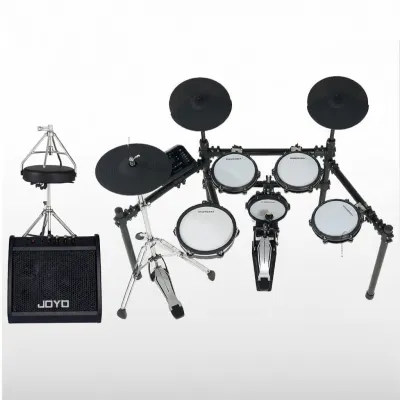
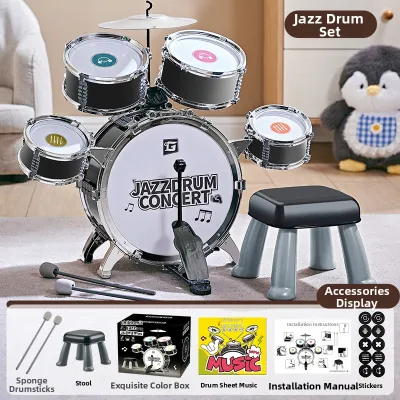

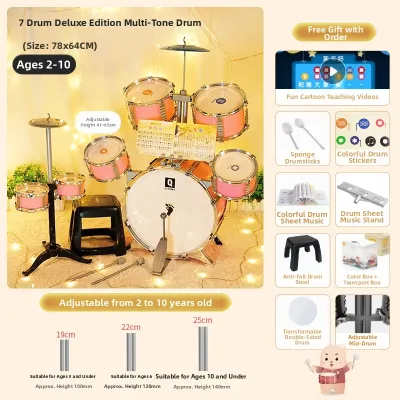
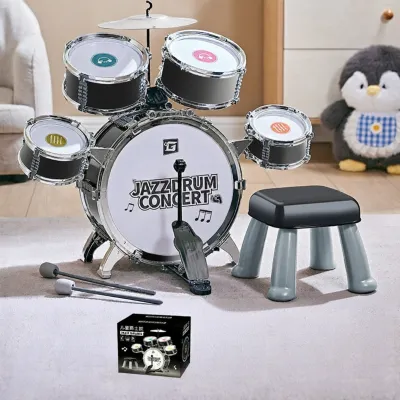
Prices are valid at publication and may change. Please refer to the product page for the latest price.

Physical Footprint and Setup Requirements
Acoustic drum sets require a dedicated, permanent space. A standard five-piece acoustic setup typically demands an area of at least 1.5 meters by 1.5 meters to accommodate the drums, stands, and your seating. These kits are heavy, difficult to move once assembled, and cannot be easily packed away after a practice session.
Electronic drum sets are significantly more compact and adaptable. Many entry-level electronic kits feature lightweight, foldable racks that can be tucked into a corner or stored in a closet when not in use. Their average footprint is roughly 1.2 meters by 1.0 meter, making them highly suitable for small bedrooms or study rooms.
Noise Management and Mitigation
Noise is the most common hurdle for aspiring drummers in Singapore. Acoustic drums naturally produce sound levels exceeding 100 decibels, which can easily penetrate concrete walls and floors. Practicing on an acoustic kit in a typical residential estate usually requires extensive, costly room soundproofing or strict adherence to limited daytime hours.
Electronic kits solve this by routing the sound directly to your headphones. However, they are not completely silent. The physical impact of plastic or wooden sticks hitting the pads, and especially the downward force of the bass drum pedal, creates low-frequency vibrations that travel through the floor. To maintain peace with downstairs neighbors, many local drummers place their electronic kits on interlocking foam mats, heavy rugs, or custom-built tennis ball isolation risers.
For those who insist on the acoustic experience but need volume control, low-volume acoustic setups are an alternative. These kits replace standard drumheads with mesh heads and use perforated, low-volume metal cymbals. This combination reduces the acoustic volume by up to 80 percent while preserving the physical layout of a traditional kit.
Tactile and Dynamic Differences
The physical sensation of playing differs greatly between the two formats. Acoustic drumheads and metal cymbals offer natural rebound, subtle tonal variations depending on where you strike, and a physical resonance that helps beginners develop a sensitive touch. Learning on an acoustic kit teaches you how to control your dynamics and extract different tones from the instrument.
Electronic kits use either rubber or mesh pads to trigger digital samples. Rubber pads are durable but can feel stiff and cause wrist fatigue during long sessions. Mesh heads are highly recommended for beginners as they offer an adjustable tension that closely mimics the rebound of a real drumhead. While modern electronic modules offer highly realistic sound libraries, they cannot fully replicate the infinite physical nuances of a vibrating acoustic shell.
Decision Matrix
To help you choose the right path, consider this quick comparison based on your living situation:
- Acoustic Drum Sets: Best suited for landed properties, dedicated soundproofed studios, or commercial practice spaces where high volume is not an issue.
- Electronic Drum Sets: Best suited for HDB flats, condominiums, shared bedrooms, and late-night practice sessions where near-silent operation is mandatory.
What Must Be Included: Checking for a Complete Starter Kit
When browsing online marketplaces or local music shops, it is easy to be misled by low prices that only cover a portion of the instrument. A beginner needs a fully functional setup from day one. Understanding the components of a complete starter kit will save you from frustrating, costly secondary purchases.
Shell Configurations
For acoustic kits, the standard configuration is a 5-piece setup. This term refers specifically to the number of drum shells: one bass drum (kick), one snare drum, two rack toms, and one floor tom. This layout is the industry standard and is used in almost all instructional books and online drum lessons.
If space is exceptionally tight, you may encounter compact 4-piece kits. These omit one of the rack toms, leaving you with a bass drum, snare, one rack tom, and one floor tom. A 4-piece kit is perfectly adequate for learning all fundamental beats and fills while saving valuable floor space.
Mandatory Hardware Elements
The drum shells themselves cannot function without the metal hardware that supports them. A complete starter package must include the following hardware components:
- Snare Stand: A dedicated three-legged stand that holds the snare drum securely at waist height.
- Hi-Hat Stand: A pedal-operated stand that controls the opening and closing of the hi-hat cymbals.
- Cymbal Stands: At least one straight or boom stand to suspend your crash or ride cymbals.
- Bass Drum Pedal: A chain-driven or belt-driven pedal with a felt or plastic beater to strike the bass drum.
- Drum Throne: A sturdy, height-adjustable padded seat designed specifically for drumming.
Cymbals
Acoustic drum shells do not come with cymbals unless explicitly sold as a bundle. A basic beginner cymbal set should include a pair of 14-inch hi-hats and a 16-inch crash/ride cymbal. Starter cymbals are typically made of brass or sheet bronze alloys; while they lack the complex tones of professional cast bronze cymbals, they are durable and highly affordable for learning purposes.
Avoiding the "Shell-Only" Trap
Many intermediate and professional acoustic drum sets are sold as “shell packs.” This means the package contains only the wooden drum shells and basic tom mounts. It does not include the snare drum, stands, pedals, cymbals, or a throne. Always read the product description carefully to ensure you are buying a “complete drum set” or “complete bundle” rather than a shell pack.
Sizing and Ergonomics: Ensuring a Comfortable Playing Posture
Drumming is a highly physical activity that requires coordinated movement of all four limbs. If your drum set is poorly sized or incorrectly adjusted, you risk developing bad habits, muscle fatigue, or even repetitive strain injuries. Ensuring proper ergonomics is critical for beginners of all ages.
Drum Dimensions and Reach
The physical size of the drum shells dictates how closely you can position them. Standard acoustic kits often feature a 22-inch bass drum. While this provides a deep, powerful sound, the large diameter forces the rack toms to sit relatively high. For younger players or shorter adults, this can make reaching the toms difficult, forcing them to stretch unnaturally.
For younger beginners or those with a smaller frame, look for kits with an 18-inch or 20-inch bass drum. These smaller diameters allow the rack toms to be mounted much lower, bringing them within easy, natural reach of the player’s arms.
Drum Throne Adjustments
Your posture begins at the drum throne. The seat must be adjusted so that your thighs are sloped slightly downward, creating an angle of roughly 90 to 100 degrees at your knees. Sitting too low puts excessive strain on your lower back and hip flexors, making pedal operation sluggish. Sitting too high can cause you to lean forward, compromising your balance.
Stand and Pad Adjustability
Every stand in your kit should offer flexible height and angle adjustments. The snare drum should sit approximately at belt-buckle height, allowing your wrists to strike the drumhead comfortably without hitting your thighs. Cymbals should be angled slightly toward you so that you strike them with the shoulder of the stick rather than hitting the sharp edge directly, which can damage the cymbals.
When purchasing an electronic kit, verify that the rack allows you to adjust the height of individual pads. Some ultra-budget electronic kits feature fixed plastic frames that offer very little adjustment, forcing players into uncomfortable, non-ergonomic playing positions.
Budgeting and Purchasing: Navigating Local Shops and Online Marketplaces
Setting a realistic budget and knowing where to buy will help you find a reliable instrument that lasts through your beginner years. In Singapore, you have access to both specialized local music retailers and broad online marketplaces.
Entry-Level Price Tiers in Singapore
Understanding what your money buys will help manage your expectations:
- Budget Tier (S$300 – S$600): In this range, you will find basic electronic kits with rubber pads and simple modules, or entry-level acoustic kits with lightweight, single-braced hardware. These are suitable for testing your initial interest but may lack long-term durability.
- Mid-Range Tier (S$600 – S$1,200): This is the sweet spot for most beginners. It includes electronic kits featuring full mesh heads, multi-zone cymbals, and more robust frames. Acoustic kits in this tier feature sturdy, double-braced hardware and better-quality wood shells.
- Premium Beginner Tier (S$1,200+): This tier offers highly durable acoustic kits from reputable global brands, or advanced electronic kits with realistic hi-hat stands, larger pads, and sophisticated sound modules that support computer connectivity for recording.
Where to Buy: Retailers vs. Online Marketplaces
Specialized local music shops are highly recommended for first-time buyers. Visiting a physical showroom allows you to sit behind the kits, feel the difference between rubber and mesh pads, and hear the acoustic volume in person. Furthermore, local retailers provide reliable after-sales support, spare parts, and advice on troubleshooting.
General e-commerce platforms often list drum sets at lower prices, but they come with trade-offs. Shipping heavy musical instruments can lead to damage if not packaged correctly, and resolving warranty claims with overseas sellers can be incredibly difficult. If you choose to buy online, ensure the seller is an authorized local distributor.
Pre-Purchase Verification Checklist
Before finalizing your purchase, run through these essential checks:
- Inclusions: Confirm that the price includes the drum throne, bass drum pedal, and cymbals (for acoustic kits).
- Warranty: Verify that the instrument comes with a local distributor warranty, typically covering electronic modules or hardware defects for one year.
- Delivery and Assembly: Drum kits arrive disassembled in large, heavy boxes. Check if the retailer offers delivery and professional assembly services. While assembly is a great way to learn how your kit works, professional setup ensures everything is tuned and tightened correctly from the start.
Hidden Costs to Factor In
Your initial budget should also account for a few essential accessories that are rarely included in standard drum packages:
- Drumsticks: You will need at least one pair of wooden drumsticks. Size 5A is the universal standard for beginners, offering a balanced weight and length for various musical styles.
- Practice Pad: A small, portable rubber pad used for practicing hand techniques and rudiments quietly without needing to sit at the full kit.
- Hearing Protection: If you choose an acoustic kit, high-quality earplugs or isolation headphones are mandatory to protect your hearing from long-term damage.
Frequently Asked Questions (FAQ)
Do I need to buy a separate drum throne?
Yes, if the drum throne is not explicitly listed as part of your starter kit bundle, you must purchase one separately. Avoid the temptation to use a standard household chair, dining stool, or office chair. These household alternatives lack the necessary height adjustability, do not rotate to accommodate leg movement, and fail to provide the stable, centered support required for balanced foot pedal operation. Using improper seating can quickly lead to poor posture, back pain, and restricted physical technique.
How do I maintain my drum set in a humid climate?
Singapore’s high humidity can negatively affect both acoustic and electronic drum sets. For acoustic kits, regularly inspect the metal hoops, tension rods, and stands for signs of rust, and wipe them down with a dry microfiber cloth after every practice session to remove sweat and moisture. For electronic kits, keep the control module away from damp walls, and ensure all cable connections remain dry. To protect wooden shells from warping and electronic components from moisture damage, consider using a dehumidifier or running an air conditioner in your practice room.
Community discussion
Share your experience or ask a question. Comments are reviewed before publication.