
Buying your first guitar amplifier can feel like decoding a foreign language. Spec sheets are filled with technical jargon, massive power ratings, and endless lists of digital effects that promise to do everything. However, finding the right amp does not require an engineering degree. By focusing on a few core specifications—wattage, speaker size, channels, and basic connectivity—you can easily identify an amplifier that fits your living space, matches your budget, and makes daily practice an enjoyable experience.
Wattage and Volume: Finding the Right Power Level
Wattage is often misunderstood as a direct measurement of volume, but it actually represents the electrical power an amplifier can handle. For a beginner practicing at home, high wattage is rarely necessary and can even make it difficult to get a good sound at lower volumes. The type of amplifier technology also changes how we perceive this power. For instance, a 15-watt tube amplifier can sound significantly louder and push more air than a 15-watt solid-state amplifier, meaning you must match the technology to your physical environment.
If you live in a typical HDB flat or a shared apartment, managing volume is crucial to maintaining peace with those around you. Look for amplifiers that feature a master volume control or a power attenuation switch. Power attenuators allow you to scale down the output wattage (for example, from 15 watts down to 1 watt or even 0.5 watts), giving you the rich, textured sound of a pushed amplifier at whisper-quiet levels.
Products mentioned in this guide
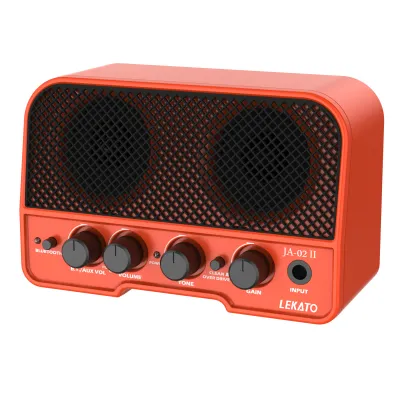
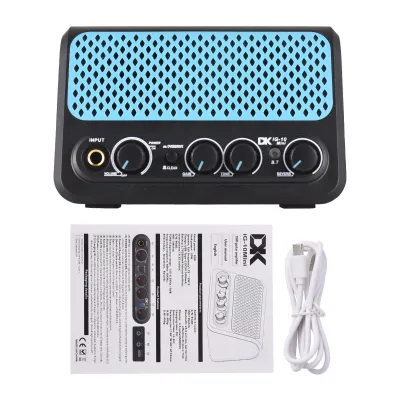
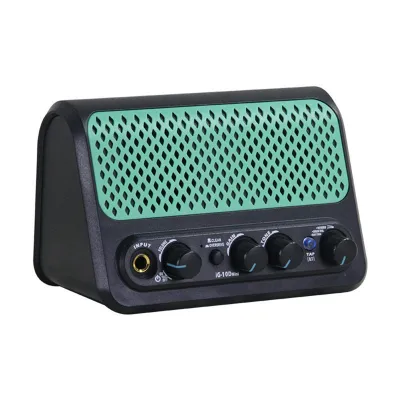
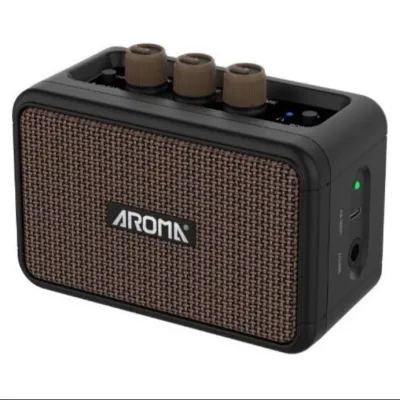
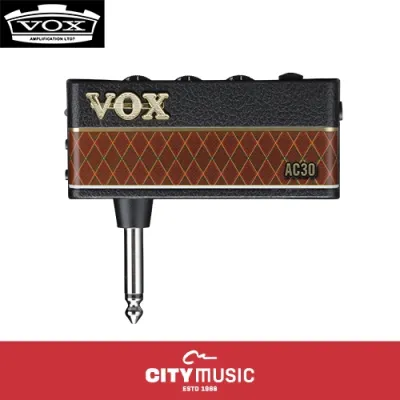
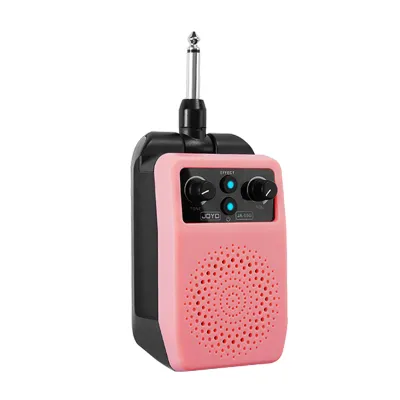
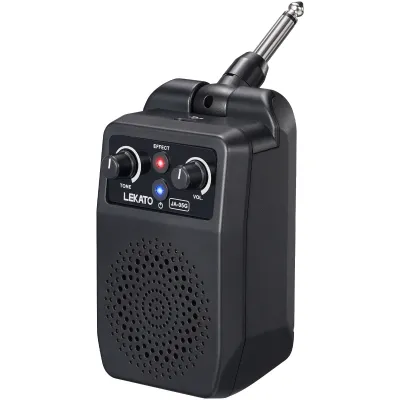
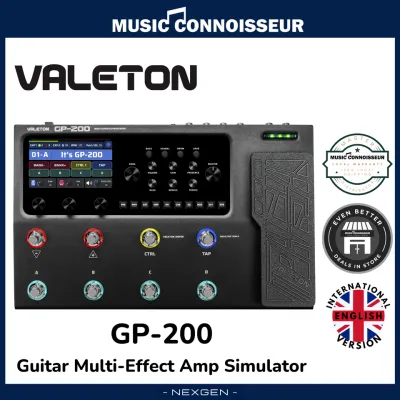
Prices are valid at publication and may change. Please refer to the product page for the latest price.
Higher wattage ratings, such as 50 to 100 watts in solid-state amps, are generally reserved for players who need to compete with the acoustic volume of a live drum kit. For home practice, these high-power units often become a hindrance, as they require more physical space and rarely get turned up past a fraction of their capability. Keeping your power requirements modest ensures you pay for usable features rather than wasted volume.
Speaker Size and Tone: How It Shapes Your Sound
The physical size of the speaker inside your amplifier cabinet plays a massive role in shaping the overall character of your guitar’s tone. Smaller speakers, typically around 6 to 8 inches in diameter, are highly portable and excellent for tight spaces, but they often struggle to reproduce deep bass frequencies, resulting in a thinner or boxier sound. Conversely, larger speakers, such as 10- or 12-inch models, offer a much fuller frequency response with rich low-end warmth, though they require a larger and heavier cabinet.

Cabinet design also influences how sound disperses throughout your room. An open-back cabinet allows sound to escape from both the front and the rear, creating a wider, more ambient soundstage that fills a room naturally. A closed-back cabinet forces all the acoustic energy out of the front, resulting in a tighter, punchier bass response that is highly favored for modern rock and heavier music styles.
Before making a purchase, always verify the physical dimensions and weight of the amplifier cabinet. In compact living environments, a massive 12-inch speaker cabinet might dominate your room or prove too heavy to transport easily to weekly music lessons. Balancing tonal depth with physical portability ensures your amplifier remains a practical tool rather than a bulky obstacle.
Channels and Built-in Effects: Do You Need Them?
Most modern beginner amplifiers come equipped with multiple channels, which essentially act as distinct tonal presets you can switch between. A standard two-channel amplifier features a “clean” channel for bright, undistorted tones and a “dirty” or “overdrive” channel for gritty, rock-oriented sounds. Having these dedicated channels allows you to explore different musical genres without needing to purchase external effects pedals right away.
Many entry-level digital modeling amplifiers also include built-in effects like reverb, delay, chorus, and flanger. While having these onboard tools is incredibly convenient for experimenting with different sounds, they can sometimes introduce unnecessary complexity for an absolute beginner. It is easy to get lost tweaking digital menus instead of actually practicing your finger placements and chord transitions.
When evaluating options, prioritize the quality of the core clean tone over the sheer quantity of digital presets. A budget amplifier that tries to do everything often sacrifices basic speaker and circuit quality to fit those features in. A strong, clear foundational tone will serve you much better in the long run and will interact more favorably with external pedals if you decide to expand your setup later.
Form Factor and Connectivity: Practical Checks for Home Use
For a beginner, the physical inputs and outputs on an amplifier are just as important as the knobs on the front panel. A dedicated headphone output is an absolute must-have feature for home practice. This allows you to plug in standard headphones for silent, late-night practice sessions, ensuring you can work on repetitive drills at any hour without disturbing family members or neighbors.
Another highly useful feature is an auxiliary input (AUX) or wireless Bluetooth connectivity. These options allow you to connect your smartphone, tablet, or computer directly to the amplifier, letting you play backing tracks, metronomes, or instructional videos through the amp’s speaker alongside your guitar signal. This makes practicing along with your favorite songs seamless and highly engaging.
Additionally, pay attention to the physical placement of the control panel. Top-mounted controls are convenient if the amplifier sits on the floor beside your desk, while front-mounted controls are much easier to adjust if the unit is placed on a shelf or a dedicated stand. Checking these small ergonomic details beforehand prevents daily frustration during your practice routine.
Building Your Shortlist: Matching Specs to Your Practice Needs
To find the right balance, it helps to separate your requirements into essential features and optional upgrades. A solid baseline for a home practice amplifier should include a headphone jack, an auxiliary input, and a reliable master volume control. Features like built-in wireless connectivity, advanced computer editing software, or multi-channel footswitches can be treated as nice-to-have additions depending on your remaining budget.
When researching specific models, always verify the technical specifications directly on the manufacturer’s official product sheets or user manuals. Third-party retail listings or online marketplace descriptions can sometimes contain errors regarding speaker sizes, power ratings, or included accessories. Taking a few minutes to double-check these details ensures you get exactly what you expect.
Finally, consider your overall budget allocation. If you allocate almost your entire budget to the guitar and leave only a tiny fraction for a low-quality amplifier, you will bottleneck your overall sound. Allocating roughly 40% to 50% of your total starter gear budget to a capable, reliable amplifier ensures your guitar’s natural tone is represented accurately, keeping you motivated to play.
Frequently Asked Questions (FAQ)
Is a low-wattage guitar amp loud enough for a beginner?
Yes, a low-wattage amplifier is more than loud enough for home practice. In a typical residential room, even a 1-watt to 5-watt tube amplifier or a 10-watt to 15-watt solid-state amplifier can produce significant volume. These lower wattages are ideal because they allow you to reach the amplifier’s optimal operating sweet spot without creating disruptive noise levels.
Do I need a tube amp for my first guitar amp?
No, you do not need a tube amplifier as a beginner. While tube amps are celebrated for their warm, organic tone, they require regular maintenance, are physically heavy, and need time to warm up before use. Modern solid-state and digital modeling amplifiers offer excellent reliability, consistent performance at any volume, and a wider variety of built-in tones without the upkeep.

Community discussion
Share your experience or ask a question. Comments are reviewed before publication.