
Preparing for the abrsm piano grade 2 exam requires more than just mechanical note-reading; it demands a deep understanding of rhythm, articulation, and musical character. The most reliable and practical reference recordings are the official ABRSM Audio Editions, which provide precise, syllabus-compliant interpretations of the pieces. For a broader artistic perspective, recordings from major classical labels featuring world-class pianists playing the historical works offer valuable stylistic depth. Selecting the right physical media format, such as a Compact Disc (CD) or a high-quality vinyl record, can significantly enhance a student’s focused listening sessions and daily practice routine.
Why Reference Recordings Are Crucial for Grade 2 Success
At the Grade 2 level, students transition from basic note-reading to developing genuine musicianship. While sheet music provides the structural blueprint of a piece, it cannot fully convey the subtle nuances of performance. A high-quality audio reference bridges this gap by showing how abstract notation translates into expressive sound.
Listening to professional recordings helps young or beginner pianists grasp the intended musical character of a piece. Whether a composition is a lively dance or a melancholy song, hearing the correct phrasing and articulation—such as staccato, legato, and accents—allows the student to internalize the style before they even sit at the keyboard.
Products mentioned in this guide
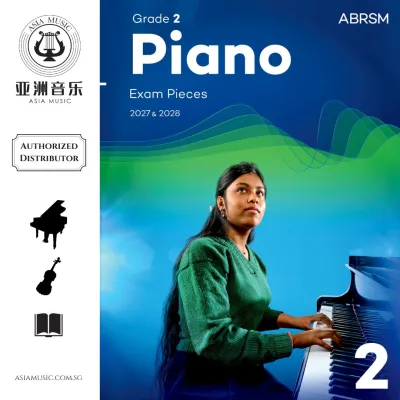
Prices are valid at publication and may change. Please refer to the product page for the latest price.
Establishing a reliable internal metronome is another critical benefit of using reference tracks. Grade 2 candidates often struggle with maintaining a steady tempo, either rushing through difficult sections or dragging during simpler passages. Regular listening reinforces the correct pulse and helps students understand the appropriate speed for their pieces.
Furthermore, professional performances demonstrate how to execute dynamic contrasts and subtle pedaling effectively. Hearing a seasoned pianist transition smoothly from soft to loud passages teaches the student how to control their touch and balance the hands. This auditory training is essential for elevating a basic, mechanical performance to an expressive, exam-ready standard that will impress examiners.
Official ABRSM Releases vs. Independent Labels for ABRSM Piano Grade 2
When preparing for the abrsm piano grade 2 syllabus, candidates generally choose between official exam board releases and recordings from independent classical labels. Each option serves a distinct educational purpose, and understanding their differences is key to building an effective study library.

Official ABRSM Audio Editions are specifically commissioned to align with the current syllabus. These recordings are highly reliable because the performers adhere strictly to the tempos, articulations, and historical stylistic expectations outlined by the exam board. For a student seeking a direct, unambiguous model of how the pieces should be performed in the exam room, these official tracks are the gold standard.
On the other hand, major classical labels and independent educator compilations offer alternative interpretations that can broaden a student’s musical horizon. Renowned classical pianists may perform historical pieces from the Grade 2 syllabus with a higher degree of personal expression or artistic rubato. While these recordings are incredibly inspiring, students must cross-reference them carefully with the syllabus requirements to ensure they do not copy stylistic choices that might deviate too far from exam expectations.
Another consideration is the limitation of physical repertoire releases. While official ABRSM CDs typically compile all the pieces from the main exam book, independent labels rarely package their albums by exam grade. Instead, students may need to search for individual historical pieces on broader classical compilations, mixed-grade educational albums, or anthologies dedicated to specific composers. This requires a methodical search but can yield exceptionally rich performances that enhance a student’s overall musicality.
Essential Criteria for Selecting the Right Grade 2 Album
Selecting the correct recording requires careful verification to ensure your investment directly supports your exam preparation. The first and most critical step is syllabus year matching. ABRSM rotates its syllabus pieces regularly, meaning a Grade 2 recording from a previous cycle may contain entirely different repertoire than the current active syllabus. Always check the publication date and the specific syllabus years listed on the album cover before purchasing.
Before finalizing a purchase, perform a detailed track listing verification. Ensure the album contains the specific pieces the student has chosen from List A, List B, and List C. Some commercial compilations or educational CDs only cover a partial selection of the syllabus, leaving out the alternative pieces or specific arrangements. Verifying the exact tracklist avoids the disappointment of missing critical reference material.
For buyers in Singapore, authenticity and regional compatibility are vital considerations when purchasing imported physical media. Ensure you buy from reputable classical music retailers, authorized distributors, or established local music schools rather than unverified online marketplaces. Counterfeit or pirated pressings often suffer from severe audio compression, which strips away the high-frequency details of articulation and the subtle decay of piano tones.
Additionally, when importing CDs, verify that the disc format is compatible with your home playback equipment. While standard audio CDs are universally playable, some high-definition formats or regional hybrid discs may have specific player requirements. Investing in genuine, high-quality physical releases ensures that the student hears every detail of the performance clearly, from the softest pianissimo to the crispest staccato.
CD vs. Vinyl: Choosing the Best Physical Format for Practice
Choosing between Compact Discs (CDs) and vinyl records for piano practice involves balancing convenience with listening quality. For daily, repetitive practice sessions, the CD remains highly practical. CDs allow for instantaneous track skipping, precise pausing, and seamless repeating of specific sections, which is invaluable when a student needs to listen to a single difficult passage multiple times. Standard home CD players or portable players are easy to operate, making them highly accessible for younger students practicing independently.
Vinyl records, conversely, offer a unique audiophile appeal and a warm, analog sound that can make active listening sessions highly engaging. The physical ritual of playing a record encourages a distraction-free environment, allowing the student to sit quietly and focus entirely on the music. However, vinyl has clear practical limitations for active daily practice. It is difficult to isolate a short, two-minute Grade 2 piece on a vinyl record without risking damage to the grooves or the turntable stylus through frequent needle drops.
Maintaining your physical media is essential for preserving audio clarity throughout the months of exam preparation. In Singapore’s hot and highly humid climate, physical media requires specific care to prevent deterioration. Store both CDs and vinyl records vertically in a cool, dry place away from direct sunlight. Use anti-static sleeves for vinyl and clean discs with dedicated microfiber cloths to prevent dust buildup, ensuring that every playback is free from distracting pops, clicks, or skips that could obscure the subtle details of the piano performance.
How to Practice Effectively Using Reference Recordings
To get the maximum benefit from your abrsm piano grade 2 reference recordings, you must integrate them actively into your practice routine rather than letting them play as background noise. Active listening involves sitting down with the sheet music in hand while the recording plays. Follow the score closely, noting how the performer shapes each phrase, where they take breaths, and how they balance the volume between the right-hand melody and the left-hand accompaniment.
While reference recordings are invaluable guides, students must avoid the imitation trap. Mechanically copying a professional pianist’s exact rubato, tempo fluctuations, or highly personal interpretive choices can lead to a stiff, unnatural performance. The goal of listening is to understand the underlying style, structural boundaries, and character of the piece, allowing the student to develop their own confident, natural delivery within acceptable exam standards.
Finally, use reference recordings as a benchmark for objective self-evaluation. Periodically record the student’s own practice sessions on a high-quality recording device. Play the student’s recording back-to-back with the professional reference track, listening carefully for differences in tone, rhythmic stability, dynamic contrast, and clarity of articulation. This comparative process helps the student identify specific areas that require refinement, making their practice sessions highly efficient and goal-oriented.
Frequently Asked Questions (FAQ)
Can I use recordings from a previous ABRSM syllabus for current exam prep?
Using recordings from outdated syllabi carries significant risks. While some historical pieces reappear in newer syllabus cycles, the specific editions, arrangement details, or performance expectations may have changed. Furthermore, many pieces are completely removed when the syllabus rotates. Always cross-reference older recordings with the current official syllabus document to verify that the piece and the specific arrangement match the current requirements before using them as a reference.
Are vinyl records practical for daily piano practice?
While vinyl records provide an exceptional, immersive listening experience that helps students appreciate the tonal warmth of a grand piano, they are generally impractical for daily, repetitive practice. The physical nature of vinyl makes it difficult to quickly skip tracks, repeat specific sections, or pause instantly during a practice session. For active, hands-on learning at the piano, the instant accessibility of a CD is far more efficient.
How do I verify if a physical album matches the current Grade 2 syllabus?
To verify a physical album’s compatibility, start by comparing the tracklist printed on the back cover directly with the current official syllabus published on the ABRSM website. Check the album’s release date and ensure it corresponds to the active syllabus years. Additionally, read the album’s liner notes to confirm that the recorded performances use the same music editions and arrangements prescribed for the exam.
Community discussion
Share your experience or ask a question. Comments are reviewed before publication.