
Starting your musical journey with a guitar acoustic setup is an exciting milestone, but navigating the vast array of options can feel overwhelming. The ideal beginner instrument must strike a delicate balance between comfortable playability, structural durability, and clear tonal response. Selecting a reliable brand ensures that your first guitar helps rather than hinders your progress, keeping you motivated through the initial stages of practice.
In Singapore, finding the right instrument also means accounting for unique environmental factors, such as high tropical humidity, which can severely impact wooden instruments. Focusing on established brands with proven quality control is the safest way to secure a guitar that stays in tune, feels comfortable to hold, and withstands the local climate. Brands like Yamaha, Fender, Cort, and Taylor each offer distinct advantages tailored to different budgets and player preferences.
What to Look for in Your First Guitar Acoustic Purchase
Before comparing specific brands, you must understand the core physical characteristics that determine how a guitar feels and sounds. Evaluating these elements beforehand prevents buyer’s remorse and helps you find an instrument that matches your physical frame and musical goals.
Products mentioned in this guide
![Yamaha F310 Acoustic Guitar Natural Brown Cherry Sunburst F 310 F-310 Spruce Top Standard Size [LIMITED STOCK]](https://img.lazcdn.com/g/p/eed4abb95a5ebaf984ea6927dd86fc86.jpg_400x400q80.jpg_.webp)
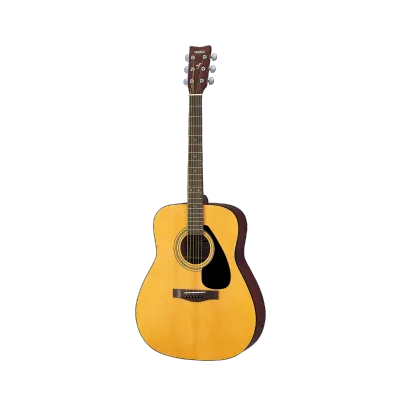
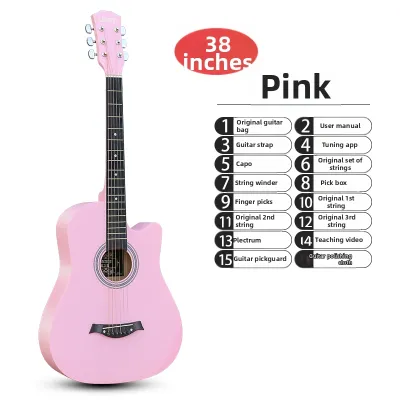
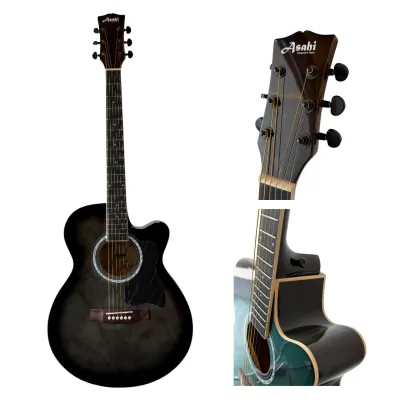
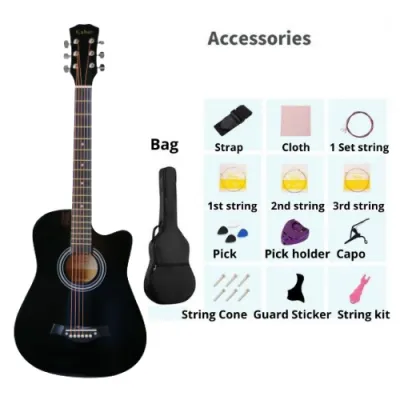
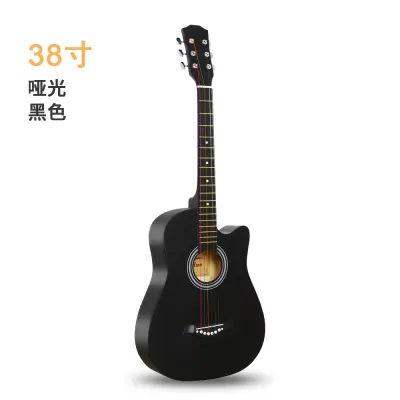
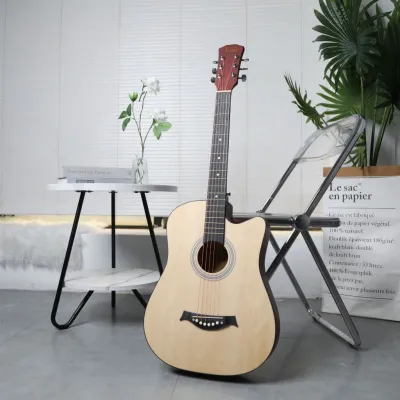

Prices are valid at publication and may change. Please refer to the product page for the latest price.
Body Shapes and Sizes
The shape and physical dimensions of an acoustic guitar directly influence both its acoustic projection and how comfortable it is to hold. The Dreadnought is the most common body shape, characterized by a large, deep body and a wide waist. It produces a robust, bass-heavy sound with excellent volume, making it highly popular for strumming. However, its bulky size can strain the shoulder and arm of younger players or those with smaller physical frames.
In contrast, Concert, Auditorium, or Parlor shapes feature narrower waists and shallower bodies. These designs sit comfortably in the lap, promoting a relaxed playing posture that reduces muscle fatigue during long practice sessions. While they offer slightly less low-end bass response, they provide a focused, clear mid-range that is highly responsive to light fingerpicking and delicate strumming.
Neck Profile and String Action
A guitar’s neck profile and string action are the most critical factors governing physical playability. String action refers to the height of the strings above the fretboard. High action requires significant finger pressure to press the strings down, leading to rapid finger fatigue, soreness, and frustration. Beginners should always look for a guitar with low, comfortable action out of the box.
The neck profile, or the cross-sectional shape of the neck, affects how easily your hand wraps around the fretboard. Most modern beginner guitars utilize a slim C-shape profile, which accommodates a wide variety of hand sizes and offers a natural grip. Vintage-style V-shape necks are chunkier and can feel awkward or restrictive for a novice still developing hand strength and finger independence.
Tonewoods and Climate Considerations
Acoustic guitars are constructed using either solid wood, laminated wood, or a combination of both. Solid wood tops (such as solid spruce or cedar) vibrate freely, offering superior resonance, projection, and a tone that matures and improves as the wood ages. However, solid wood is highly sensitive to environmental changes and requires consistent maintenance to prevent warping.
Laminated wood consists of thin layers of wood veneers glued together. While laminated tops do not possess the deep resonance of solid wood, they are incredibly durable and structurally stable. In Singapore’s highly humid tropical climate, laminated woods or well-stabilized laminate backs and sides survive exceptionally well. They resist warping, cracking, and swelling, making them highly practical for casual players who do not want to manage strict climate-control setups.
Budgeting Expectations
When budgeting for your first instrument, pricing generally dictates the quality of materials and the level of factory setup you receive:
- Under S$150: Instruments in this ultra-low price range often suffer from poor factory setups, uneven frets, and cheap tuning machines that slip easily. They frequently require professional adjustments that can cost more than the guitar itself.
- S$150 to S$400: This is the ideal sweet spot for most beginners. In this tier, reputable brands offer reliable laminated or solid-top guitars with comfortable action, dependable tuning stability, and durable hardware.
- S$400 to S$1,000: This range features premium beginner to intermediate instruments. You can expect high-quality solid wood tops, refined satin-finished necks, upgraded hardware, and superior built-in electronics if you opt for an acoustic-electric model.
Best Acoustic Guitar Brands for Beginners
Selecting a reputable brand ensures that your instrument has undergone rigorous quality control before leaving the factory. The following four brands are highly regarded in Singapore for delivering reliable playability, structural integrity, and excellent value.

Yamaha: The Standard for Reliability and Consistency
Yamaha has long been the benchmark for entry-level acoustic instruments worldwide. The brand is highly respected for its strict quality control standards, ensuring that even their most affordable models exhibit consistent construction and reliable playability straight out of the box.
Why It Suits Beginners Yamaha’s popular entry-level series, such as the F series (including the F310) and the FG series (such as the FG800), are built to withstand heavy use. They feature highly stable necks and consistent factory setups, meaning the string height is generally comfortable for new players right away. Their durable construction makes them highly resilient against minor bumps and environmental shifts.
Ideal Use Cases Yamaha guitars are best for students, casual hobbyists, and players who want a reliable, no-nonsense practice instrument. They are excellent for those who value tuning stability and structural durability over premium cosmetic appointments.
Limitations The lowest-tier Yamaha models feature basic, utilitarian aesthetics and fully laminated construction. While highly durable, these models can sound somewhat compressed or tonally flat compared to guitars with solid wood tops as your playing skills and musical ear develop.
Pre-Purchase Checks Before finalizing your purchase, verify the exact model number printed on the label inside the soundhole to ensure you are receiving the correct specifications. Additionally, run your hand over the bridge to confirm there is no lifting or gap between the wooden bridge and the guitar body.
Fender: Comfortable Necks and Modern Playability
Fender is a legendary name in the guitar world, primarily famous for its electric guitars. However, their acoustic lineup has evolved significantly, offering beginner-friendly models that incorporate design elements from their electric counterparts to ease the learning curve.
Why It Suits Beginners Fender’s beginner acoustic lines, such as the CD (Classic Design) and FA series, frequently feature slim neck profiles with rolled fretboard edges. This design mimics the comfortable, worn-in feel of an electric guitar neck, making it much easier for players with smaller hands to wrap their fingers around the fretboard and transition between chords.
Ideal Use Cases These instruments are highly suited for fingerstyle beginners, younger players, and those who prefer a modern, sleek aesthetic. They are also excellent for electric guitar players looking for an easy-playing acoustic companion.
Limitations Some entry-level Fender acoustics are voiced to sound bright and articulate, which can sometimes translate to a thinner low-end response compared to traditional, deep-bodied dreadnoughts from brands that specialize exclusively in acoustic designs.
Pre-Purchase Checks Inspect the fret ends along the side of the neck to ensure they are smooth and do not feel sharp against your hand. You should also turn each tuning machine peg to verify that they rotate smoothly without sticking or slipping.
Cort: Excellent Value and Build Quality
Cort is one of the largest guitar manufacturers in the world, producing instruments for numerous high-end brands in addition to their own line. This massive manufacturing scale allows Cort to offer premium features at highly competitive price points.
Why It Suits Beginners Cort’s Earth and AD series deliver exceptional value for money. They frequently offer solid spruce tops, bone nuts, and bone saddles at price points where other brands only offer fully laminated construction and plastic components. This results in a richer, more resonant acoustic tone for budget-conscious buyers.
Ideal Use Cases Cort is ideal for players who want the rich, dynamic sound of a solid wood top without stretching their budget. It is a fantastic option for those who prioritize raw acoustic performance and material quality over brand name recognition.
Limitations Because Cort is primarily known as an original equipment manufacturer, its brand prestige and secondhand resale value in Singapore are generally lower than those of legacy American or Japanese brands.
Pre-Purchase Checks Carefully inspect the guitar’s finish under bright light to check for any cosmetic blemishes or uneven lacquer application. Additionally, look inside the soundhole to confirm that the truss rod adjustment nut is clean, unstripped, and easily accessible.
Taylor: Premium Playability for Higher Budgets
For beginners with a flexible budget who want to invest in a high-end instrument from day one, Taylor offers unmatched playability and precision engineering. Known for their modern manufacturing techniques, Taylor guitars are designed to offer an effortless playing experience.
Why It Suits Beginners Taylor’s Academy Series and the compact GS Mini series are engineered specifically to reduce beginner frustration. They feature a shorter scale length, which reduces string tension and makes fretting chords incredibly easy. The Academy Series also includes an ergonomic armrest built into the body bevel, preventing the guitar’s edge from digging into your forearm during long practice sessions.
Ideal Use Cases Perfect for dedicated learners, adult beginners, and those who want a premium, highly responsive instrument that they will not outgrow as their skills advance. It serves as a true “buy-it-for-life” starter guitar.
Limitations The primary drawback is the financial barrier. Taylor guitars are premium instruments, and their entry-level models are significantly more expensive than the beginner offerings of Yamaha, Fender, or Cort.
Pre-Purchase Checks To protect your investment, purchase only from authorized Taylor dealers to ensure you receive a valid manufacturer’s warranty. Always verify the serial number on the internal label to confirm the instrument’s authenticity.
Where to Buy and How to Inspect Your Guitar in Singapore
Choosing where to purchase your guitar and knowing how to evaluate its physical condition are just as important as choosing the brand itself. Taking the time to inspect the physical instrument safeguards you against defects and ensures a comfortable playing experience.
Local Music Retailers vs. Authorized Online Stores
Visiting physical music showrooms in Singapore—such as those located in Bras Basah Complex, Peninsula Shopping Centre, or Orchard Road—offers invaluable advantages. You can physically hold different models, feel the neck profiles, and hear the acoustic projection in person. Physical stores also employ in-house technicians who can perform a professional setup, adjusting the string height and neck relief before you take the guitar home.
In contrast, authorized online storefronts offer convenience, home delivery, and occasional bundle packages. However, buying online means you cannot test the specific instrument beforehand. If you choose to buy online, stick strictly to authorized dealers. Avoid unauthorized third-party sellers on general e-commerce platforms, as these listings carry a high risk of counterfeit goods, shipping damage, or guitars that have warped due to poor storage conditions.
The 5-Point Physical Inspection Checklist
Whether buying from a retail store or receiving a delivery, always run through this quick physical diagnostic to ensure the guitar is structurally sound:
- Neck Relief: Hold the guitar body and look straight down the edge of the fretboard from the headstock toward the bridge. The neck should be almost straight, with a very slight, gentle forward curve. Avoid any guitar with a visible twist, an S-curve, or a severe back-bow.
- Fret Sprout: Slide your thumb and index finger gently along both sides of the wooden neck. The metal fret ends should feel smooth and flush with the wood. If they feel sharp or protrude past the edge of the fretboard, the wood has shrunk due to dry conditions.
- Bridge Integrity: Inspect the wooden bridge where it is glued to the guitar's top face. Try to gently slide a thin business card or a piece of paper under the back and sides of the bridge. If the card slides underneath, the bridge is lifting under string tension and requires repair.
- Tuning Stability: Tune the guitar to standard pitch using a digital tuner. Play a few chords, stretch the strings gently, and check the tuning again. The tuning pegs should turn smoothly and hold their position without slipping.
- Intonation: Tune the guitar precisely, then play a natural harmonic at the 12th fret. Compare its pitch to the note produced when you physically press the string down at the 12th fret. The two pitches should match perfectly on your tuner. If they differ significantly, the guitar's bridge or saddle needs adjustment.
Accessory Verification
Before finalizing your purchase, confirm what accessories are included in your purchase or bundle. A high-quality padded gig bag is essential in Singapore to protect your guitar from sudden rain showers and humidity shifts while traveling. You should also ensure you have a clip-on digital tuner, a spare set of light-gauge acoustic strings (which are easier on beginner fingers), a guitar strap, and a few medium-thickness picks.
Frequently Asked Questions (FAQ)
Do I need an acoustic-electric guitar as a beginner?
An acoustic-electric guitar features built-in electronic pickups and a preamp, allowing you to plug the instrument directly into an amplifier, a PA system, or an audio interface for recording. For absolute beginners practicing at home, a standard pure acoustic guitar is usually more than sufficient and highly cost-effective.
By choosing a pure acoustic model, more of your budget goes directly toward the structural quality and tonewoods of the guitar rather than electronic components you may not use immediately. You only need an acoustic-electric model if you plan to perform live on stage, record directly into a computer setup, or practice alongside a loud band.
How does Singapore's humidity affect my acoustic guitar?
Singapore’s tropical climate maintains an average relative humidity of 70% to 90%, which is significantly higher than the ideal 45% to 55% range recommended for wooden instruments. High humidity causes natural wood to absorb moisture and swell. This swelling can raise the string action, making the guitar difficult to play, and can eventually weaken the glue joints holding the bridge and internal bracing.
To protect your guitar, store it inside its case or a high-quality padded gig bag with silica gel packets or a specialized two-way humidity control pack when it is not in use. Additionally, never store your guitar directly in the path of cold air-conditioning vents, as the rapid temperature and moisture fluctuations can warp or crack the wood.
Community discussion
Share your experience or ask a question. Comments are reviewed before publication.