
Choosing your first set of acoustic guitar strings is one of the most impactful decisions you can make as a beginner. The right strings do not just alter the sound of your instrument; they directly determine how comfortable the guitar feels under your fingertips, how quickly you build calluses, and how long you can practice before finger fatigue sets in. For most new players, the ideal starting point is a set of extra light or custom light steel strings, or specialized silk and steel options, which minimize tension while allowing you to develop proper fretting technique.
Why the Right Strings Reduce Finger Pain
When you first begin playing the acoustic guitar, your fingertips are soft and unaccustomed to the pressure required to press steel strings against metal frets. This physical interaction naturally causes temporary soreness as your body works to develop protective calluses. The amount of force required to press a string down is directly tied to its tension, which is determined by the string’s thickness and material composition. High-tension strings require significant finger pressure, which can quickly lead to acute muscle fatigue, joint soreness, and skin irritation for an untrained hand.
Choosing an inappropriate string set—such as medium or heavy gauges designed for experienced flatpickers—can turn daily practice into a painful chore. When practicing becomes physically painful, beginners are far more likely to cut their sessions short or abandon the instrument entirely. By selecting strings engineered for lower tension, you reduce the physical barrier to entry, allowing your hands to adapt gradually and comfortably.
Products mentioned in this guide




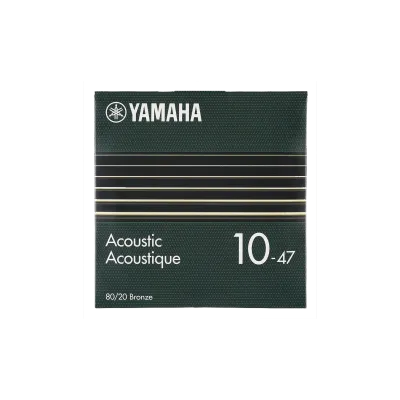



Prices are valid at publication and may change. Please refer to the product page for the latest price.
During the initial stages of learning, prioritizing physical comfort over maximum volume or deep tonal resonance is a highly effective strategy. While heavier strings undoubtedly produce a louder, more robust sound, a beginner’s primary goal is to master finger placement, chord transitions, and clean fretting. A slightly quieter or brighter tone is a minor trade-off for a guitar that feels inviting to play every time you pick it up.
String Gauges: Finding the Most Comfortable Thickness
String gauge refers to the physical diameter of the strings, measured in thousandths of an inch. In a standard six-string set, the gauge is typically designated by the thickness of the high E string and the low E string. For acoustic guitars, the most common beginner-friendly options are Extra Light (typically .010 to .047 inches), Custom Light (.011 to .052 inches), and Light (.012 to .053 inches).

Extra Light strings offer the lowest tension, making them exceptionally easy to press down and bend. This makes them the premier choice for players with smaller hands, younger students, or anyone experiencing persistent finger pain. Custom Light strings provide a middle ground, offering a slightly firmer feel under the fingers while retaining much of the playability of extra lights. Light strings are the standard default for many factory-setup acoustic guitars; they require more finger strength but deliver a fuller, more balanced acoustic projection.
While lighter gauges excel in comfort, they do introduce specific mechanical trade-offs. Because lighter strings have less mass, they vibrate with less energy, which results in a noticeable reduction in overall volume and projection. Additionally, because they sit under lower tension, they vibrate in a wider arc, which can sometimes cause the strings to buzz against the frets if your guitar’s action—the height of the strings above the fretboard—is not adjusted correctly.
Your guitar’s body shape also plays a significant role in determining which gauge is most appropriate. Smaller instruments, such as parlor, concert, or travel guitars, have shorter scale lengths and smaller soundboards that respond beautifully to the delicate touch of extra light strings. Conversely, larger guitars like dreadnoughts or jumbo models are structurally designed to be driven by heavier strings to fully vibrate their large wooden tops. If you put extra light strings on a massive dreadnought, the sound may feel somewhat thin, though the gain in playability often remains highly beneficial for a beginner.
Materials and Coatings for Smooth Playability
The metal alloys used to wrap acoustic guitar strings significantly influence both their tactile feel and their acoustic properties. The two most prevalent options are 80/20 Bronze and Phosphor Bronze. 80/20 Bronze strings, made of eighty percent copper and twenty percent zinc, deliver a very bright, crisp, and sparkling tone out of the box, but they tend to oxidize relatively quickly. Phosphor Bronze strings include a small amount of phosphor in the alloy, which creates a slightly warmer, richer tone and provides natural resistance to corrosion, helping the strings retain their fresh feel and sound for a longer period.
For beginners seeking the absolute maximum level of finger comfort, Silk and Steel strings represent an excellent alternative. These specialized strings feature a steel core wrapped with silk or nylon fibers before being wound with copper wire. The inclusion of soft fibers drastically reduces the overall tension of the set and provides a highly flexible, cushioned feel under the fingertips. While Silk and Steel strings produce a much quieter, mellower tone, they are incredibly gentle on sensitive fingers and are perfect for older vintage instruments or players focusing entirely on fingerstyle techniques.
Another major advancement in string technology is the introduction of coated strings. These strings feature an ultra-thin microscopic polymer coating applied over the wrap wire, which acts as a physical barrier against sweat, skin oils, dirt, and environmental moisture. In a warm, humid climate like Singapore’s, where ambient moisture can rapidly corrode bare metal, coated strings are highly advantageous. The polymer barrier prevents the buildup of grime in the winding crevices, resulting in a smoother, slicker feel that reduces finger squeak when sliding between chords. Although coated strings carry a higher initial purchase price, their significantly extended lifespan means you will not have to change them nearly as often, making them a highly practical and cost-effective choice for busy beginners.
How to Select the Right Strings for Your Specific Guitar
Before purchasing any new set of strings, it is essential to establish a systematic framework to ensure compatibility with your specific instrument. Your first step should always be to consult the guitar manufacturer’s official specifications or user manual to verify the recommended string tension limits. Installing strings that are too heavy for a lightly braced guitar can exert excessive force on the bridge and neck, potentially causing structural warping over time. Conversely, installing strings that are too light on a guitar set up for heavy gauges might require a minor adjustment to the truss rod to prevent fret buzz.
Your primary playing style should also guide your selection process. If you plan to focus primarily on fingerpicking or light classical arrangements, lower-tension strings like extra lights or silk and steel will respond to the gentle touch of your fingertips with ease. If your goal is to practice heavy strumming, flatpicking, or playing along with loud backing tracks, a slightly heavier light gauge (.012-.053) will provide the physical resistance and acoustic headroom needed to handle a firm pick attack without choking or buzzing.
When shopping at local music stores or browsing reputable online marketplaces, always carefully verify the packaging labels before finalizing your purchase. Ensure the package explicitly states “Acoustic” rather than “Electric” or “Classical,” as electric strings lack the bronze wrapping necessary for acoustic projection, and classical strings are structurally incompatible with steel-string guitars. Double-check the exact decimal measurements of the gauges listed on the back of the pack to confirm you are receiving the precise thickness you intended, rather than relying solely on generic terms like “light” or “medium,” which can vary slightly between different manufacturers.
Extending String Life and Maintaining Comfort
Maintaining your guitar strings is just as important as choosing the right set, as dirty strings quickly become rough, stiff, and unpleasant to play. After every practice session, make it a habit to thoroughly wipe down each string with a clean, lint-free microfiber cloth. Slide the cloth gently underneath each string and run it up and down the length of the fretboard to remove the sweat, skin oils, and dead skin cells that naturally accumulate during play. This simple, ten-second routine prevents these corrosive elements from eating away at the metal, preserving both the smooth feel and the bright tone of your strings.
As a beginner, you should learn to recognize the clear visual and tactile indicators that your strings have reached the end of their useful life. Visually, worn-out strings will lose their metallic luster, turning a dull grey, dark brown, or showing visible spots of rust and discoloration, particularly over the frets you play most often. Tactically, old strings will feel rough, gritty, or stiff under your fingers, and you may notice that the guitar struggles to stay in tune or sounds muddy and lifeless.
Environmental factors play a massive role in string longevity, especially in tropical regions. High humidity levels accelerate the oxidation process, causing bare steel and bronze to rust even when the guitar is not being played. To protect your investment, store your guitar inside a high-quality gig bag or hard case when it is not in use, rather than leaving it exposed on a stand. Placing a small, rechargeable silica gel pack or a specialized instrument humidification system inside the case will help regulate the local microclimate, keeping your strings dry, smooth, and comfortable for your next practice session.
Frequently Asked Questions (FAQ)
Do nylon strings work on a standard steel-string acoustic guitar?
No, you should never attempt to install nylon strings on a standard steel-string acoustic guitar. Steel-string guitars are structurally designed to withstand immense physical tension, featuring heavy internal bracing and a bridge system that secures the strings with bridge pins. Nylon strings, which are designed for classical guitars, require far less tension and are typically tied directly to the bridge, meaning they will not fit or anchor properly on a steel-string bridge. Furthermore, the nut slots on a steel-string guitar are too narrow to accommodate the thicker diameters of nylon strings, and the lack of tension will cause the neck to back-bow, resulting in severe playability issues. If you are uncertain about your guitar’s design, consult the manufacturer’s specifications or visit a local guitar technician before purchasing strings.
How often should a beginner change their acoustic guitar strings?
Rather than adhering to a strict calendar schedule, you should base your string changes on your actual practice hours, physical indicators, and environmental conditions. For a beginner practicing approximately thirty to sixty minutes a day, a standard set of uncoated strings will typically need to be replaced every six to eight weeks, while coated strings can easily last three to four times longer. You should immediately change your strings if you observe physical signs of wear, such as dark rust spots, a rough or gritty texture that hurts your fingers, or if the thin wrap wire begins to unravel near the bridge. Auditory signs, such as a dull, muddy tone with no sustain, or a sudden inability to keep the guitar in tune, are also clear indicators that a fresh set is required.
Will lighter strings make my acoustic guitar sound thin?
Lighter strings do reduce the overall volume and bass response of an acoustic guitar, but this tonal difference is rarely a significant issue for beginners. While a professional performer might require the booming projection of medium strings to fill a room, a beginner’s primary focus is developing finger strength, accuracy, and muscle memory. Any minor loss in acoustic bass or volume is easily offset by the massive increase in physical comfort and playability that lighter strings provide. Furthermore, the perceived thinness of the tone can be minimized by using a lighter pick, adjusting your strumming technique, or playing a smaller-bodied guitar that is naturally optimized for lower-tension strings. Ultimately, a guitar that is comfortable to play encourages longer, more frequent practice sessions, which is far more valuable to your progress than a marginal increase in volume.

Community discussion
Share your experience or ask a question. Comments are reviewed before publication.