
Finding the right seating setup is one of the most overlooked aspects of starting your musical journey. Many beginner pianists in Singapore focus entirely on selecting the perfect digital piano or acoustic keyboard, leaving the bench as an afterthought. However, a fixed-height chair or an unsupportive stool can quickly lead to fatigue, poor technique, and physical discomfort. An adjustable piano bench is an essential investment that ensures your body is positioned correctly relative to the keys, allowing for relaxed, productive practice sessions.
For beginners, especially growing children or families where multiple players share the same instrument, a customizable seat is crucial. The Singapore market offers a wide variety of options, ranging from traditional wooden benches to modern hydraulic models and space-saving folding designs. Selecting the ideal bench requires balancing your budget with critical factors like stability, adjustment mechanisms, and materials that can withstand the local tropical climate.
Why Proper Seating Height Matters for Beginner Pianists
The biomechanics of piano playing require precise coordination between your shoulders, arms, wrists, and fingers. To play with control and sensitivity, your forearms should be roughly parallel to the floor when your fingers rest on the keys. This alignment allows your wrists to remain flexible and relaxed, acting as natural shock absorbers. When your seat is too low, your wrists are forced to drop below the keybed, placing excessive strain on the tendons in your hands and forearms. Conversely, sitting too high forces you to hunch over the instrument, causing tension to accumulate in your neck and shoulders.
Products mentioned in this guide
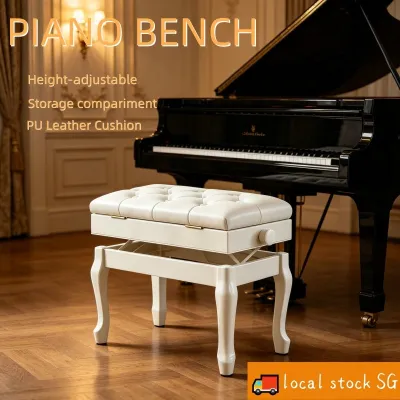
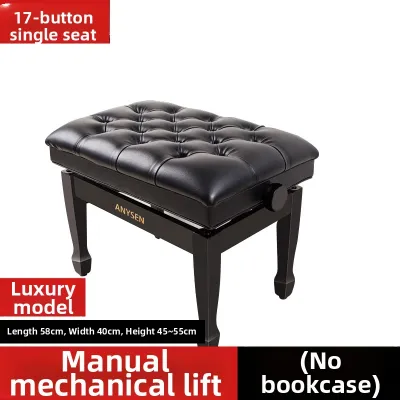
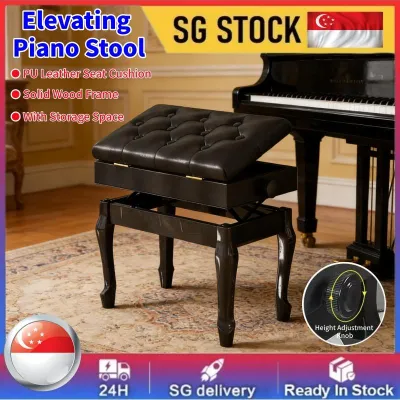
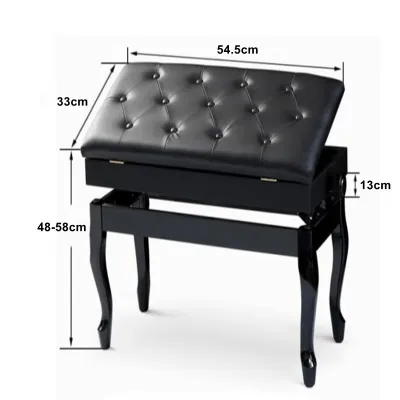
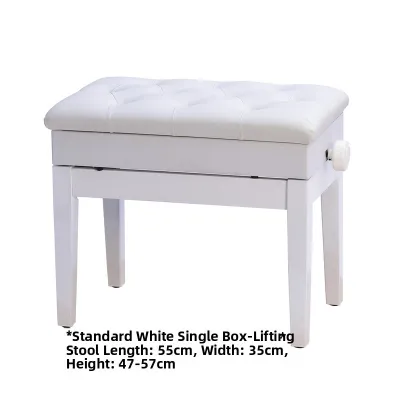
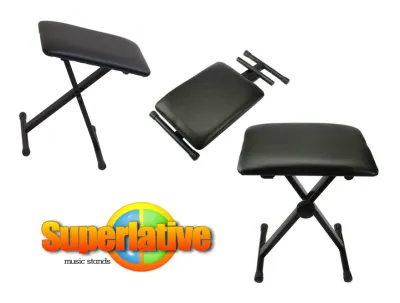
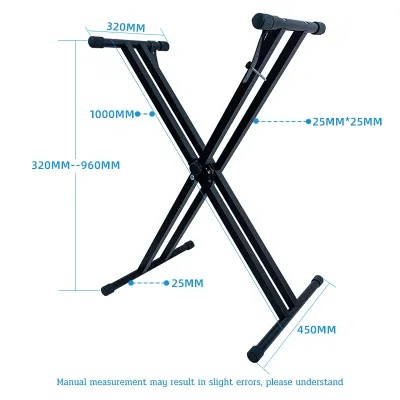
Prices are valid at publication and may change. Please refer to the product page for the latest price.
Using a non-adjustable chair, such as a standard dining chair or study stool, often introduces immediate ergonomic issues. Most household chairs are designed for dining or writing, which typically sit lower than the optimal height required for piano keybeds. To compensate, beginners often raise their shoulders or tense their wrists, habits that quickly become ingrained in muscle memory. Over time, these poor technical habits can cause chronic back pain, shoulder stiffness, and even repetitive strain injuries like tendonitis.
For households with growing children, an adjustable bench is even more critical. A child’s height changes rapidly, meaning their seating requirements will evolve every few months. If the bench cannot be adjusted, the child will constantly adapt their posture in unhealthy ways to reach the keys. Furthermore, when multiple family members of varying heights share a single piano, an adjustable seating solution allows everyone to transition seamlessly to their own ergonomically correct position before they begin practicing.
Essential Features to Check Before You Buy
When evaluating an adjustable piano bench, look closely at the mechanical and structural details to ensure long-term durability and comfort.

Adjustment Mechanism
The way a bench adjusts determines both its ease of use and its lifespan. Traditional side-knob dials utilize a threaded metal rod system to raise or lower the seat. While highly reliable and capable of micro-adjustments, this system requires manual turning, which can be slow and tedious if multiple people use the bench daily. Lever-activated hydraulic or pneumatic systems, similar to office chairs, allow you to adjust the height instantly with a simple pull of a handle. However, these mechanical seals must be well-manufactured to prevent pressure loss over time. Pin-lock or bolt-on systems, common on portable metal benches, offer fixed height intervals rather than continuous adjustment, which may limit your ability to find the absolute perfect height.
Seat Padding and Upholstery
Long practice sessions require a seat that balances support with cushioning. Low-quality, soft foam padding may feel comfortable for the first five minutes but will quickly compress completely under your weight, leaving you sitting on hard wood or metal. Look for high-density polyurethane foam that retains its shape and provides firm support for your sit bones. The upholstery material is equally important, particularly in Singapore’s humid climate. While genuine leather is luxurious, it requires regular maintenance to prevent mold. High-grade synthetic leather (such as polyurethane or PU) is highly popular because it is water-resistant and easy to wipe clean. If you prefer fabric, ensure it is a breathable, heavy-duty weave that will not trap heat during warm afternoons.
Stability and Weight Capacity
A piano bench must remain completely stationary while you play. Any wobble or rocking motion will distract you and compromise your balance, especially when using the foot pedals. Examine the frame construction: heavy-duty steel or solid hardwood frames offer the best stability. Look for cross-bracing on metal frames and robust bolt connections on wooden legs. Additionally, check the bottom of the bench legs for high-quality rubberized grip pads. These pads prevent the bench from sliding on polished flooring—such as marble, parquet, or vinyl—and protect your floors from scratches.
Footprint and Dimensions
Before purchasing, measure the space around your piano setup. If you are placing the piano in a compact bedroom or a tight living room corner, you must ensure the bench can slide completely underneath the keyboard stand when not in use. Check the width of the bench against the inner distance between your piano’s legs or stand. A bench that is too wide will stick out into your room’s walkway, creating a tripping hazard and taking up valuable floor space.
Which Adjustable Bench Type Fits Your Practice Setup?
Understanding the distinct categories of adjustable benches will help you match the right design to your home environment, instrument type, and budget.
Traditional Knob-Adjustable Wooden Benches
These benches feature a classic aesthetic, with solid wood legs and a padded seat framed by wooden trim. They adjust via dual rotating knobs located on the sides, which actuate an internal metal scissor lift.
- Pros: Exceptional stability, traditional appearance that matches acoustic upright or grand pianos, and often includes a spacious under-seat storage compartment for sheet music and metronomes.
- Cons: Adjusting the height is slow and requires manual effort on both sides. They are also heavy to move and the wooden joints can creak if the wood expands or contracts due to environmental changes.
- Best for: Dedicated practice spaces, acoustic piano owners, and households where a single player uses the instrument.
Lever-Adjustable and Hydraulic Benches
These modern benches utilize a pressurized gas cylinder or a hydraulic lift mechanism, allowing you to raise or lower the seat effortlessly by pulling a lever while seated or standing.
- Pros: Extremely fast and precise height adjustments, modern design, and highly durable steel frames that do not creak.
- Cons: Typically carry a higher price tag than wooden or folding models. The internal gas struts can eventually wear out or lose pressure after years of heavy use.
- Best for: Shared family pianos, teaching studios where students change every hour, and premium digital piano setups.
Portable X-Style Metal Benches
These benches feature a folding metal frame shaped like an “X,” with a padded seat on top. Height is adjusted by moving a metal pin or bolt into different pre-drilled slots along the frame.
- Pros: Highly budget-friendly, lightweight, and completely foldable for easy storage under a bed or in a closet.
- Cons: Limited height options due to the fixed adjustment slots, thinner seat padding, and a tendency to wobble slightly during energetic playing. The crossbar design can also restrict knee clearance if you sit too far forward.
- Best for: Absolute beginners on a strict budget, portable keyboard users, and small bedrooms or temporary setups.
Navigating the Singapore Market: Climate, Space, and Retail Tips
Buying furniture in Singapore requires accounting for specific local factors, including high relative humidity, compact residential layouts, and local retail options.
Climate Considerations
Singapore’s year-round high humidity (often exceeding 80%) can take a toll on musical gear and furniture. Cheap synthetic leather (often low-grade PVC) is highly prone to hydrolysis, causing it to crack, peel, and become sticky over time. To avoid this, look for high-quality PU leather, microfibre leather, or breathable woven fabrics. If you choose a wooden bench, ensure the wood is properly sealed with a moisture-resistant varnish or lacquer to prevent warping or mold development. Keep your practice area well-ventilated, or run a dehumidifier occasionally if the room is closed off.
Space Planning for HDBs and Condos
With space at a premium in many local apartments, every centimeter counts. If you are using a digital piano stand, measure the internal clearance between the legs. Standard wooden benches are often 55 to 65 centimeters wide, which may not fit between the legs of some compact portable keyboard stands. If you have a small room, an X-style bench that folds flat can be tucked away when you need floor space for other activities. Alternatively, choose a bench with a slim footprint that can be pushed entirely under the keybed.
Retail Channels
While purchasing from general online marketplaces is highly convenient, it can be risky for items where physical stability is crucial. If possible, visit local brick-and-mortar music schools or specialty piano showrooms around areas like Bras Basah or major suburban retail malls. Testing a bench in person allows you to feel the density of the foam padding, check the stability of the frame under your own weight, and try out the adjustment mechanism. If you do buy online, read user reviews carefully, paying close attention to feedback regarding wobble, missing assembly hardware, or peeling upholstery.
Warranty and Assembly
When buying locally, check if the distributor offers a warranty on the mechanical parts of the bench, particularly for hydraulic cylinders or wooden lift mechanisms. Most benches purchased online or in flat-packed boxes will require self-assembly. Ensure that all necessary hardware, such as bolts, washers, and wrenches, are included in the package. Double-check all bolt connections a week after assembly, as the hardware can settle and loosen slightly after initial use.
Quick Comparison Matrix: Choosing the Right Bench Type
To help you visualize the trade-offs between the primary adjustable bench styles, review this summary of how they compare across key performance areas:
| Bench Type | Stability | Adjustment Speed | Space Efficiency | Budget Friendliness | Ideal Use Case |
|---|---|---|---|---|---|
| Traditional Wooden | High | Slow (Manual Knobs) | Medium | Medium to Low | Dedicated practice corners, acoustic pianos |
| Hydraulic / Lever | High | Fast (Instant Lever) | Medium | Low | Shared family pianos, teaching studios |
| Portable X-Style | Medium to Low | Moderate (Pin/Bolt) | High (Foldable) | High | Temporary setups, tight HDB rooms, tight budgets |
Use this matrix to identify which features align best with your household’s daily routine. If multiple people will use the piano, prioritize adjustment speed. If you are setting up a permanent, dedicated music space and want a bench that matches your home decor, a traditional wooden bench is often the most satisfying choice.
How to Adjust Your Bench for Optimal Playing Posture
Once you have selected and assembled your adjustable piano bench, use these steps to set it up for healthy, comfortable practice sessions:
- Sit on the Front Half: Do not slide all the way back on the seat. Sitting on the front half of the bench naturally tilts your pelvis slightly forward, which helps keep your spine straight and allows your feet to rest firmly on the floor.
- Set the Height: Sit at the bench and place your hands on the keys. Adjust the height until your elbows are level with or slightly higher than the keyboard. Your forearms should form a straight, horizontal line parallel to the floor.
- Position the Distance: Adjust the distance between the bench and the piano. You should be close enough to reach all the keys comfortably with slightly bent elbows, but far enough away that your upper arms can move freely without hitting your torso.
- Keep Feet Flat: Your feet should rest flat on the floor to provide a stable anchor for your body. For young children whose feet cannot reach the floor, use a dedicated footstool or pedal extender to prevent them from dangling, which causes back strain.
- Re-evaluate Regularly: Remember to check the bench height periodically. If you practice barefoot one day and in thick-soled slippers the next, you may need to make minor height adjustments. Keep a close eye on growing children, raising the bench slightly as they grow to maintain their ergonomic alignment.
Frequently Asked Questions (FAQ)
Can I use a regular dining chair instead of a piano bench?
Using a regular dining chair is not recommended for regular piano practice. Dining chairs are typically too low for standard piano keybeds, forcing you to raise your shoulders and collapse your wrists to play. They also lack height adjustability, meaning you cannot fine-tune your posture. Additionally, dining chairs often have curved backs or armrests that restrict your arm movement and prevent you from sitting on the front half of the seat, which is essential for proper spinal alignment.
Is built-in storage necessary for a beginner's bench?
Built-in storage is highly convenient for keeping sheet music, notebooks, and metronomes organized and within arm’s reach. However, it is not strictly necessary. Some budget-friendly storage benches compromise on padding quality or structural reinforcement to accommodate the storage compartment. If you are on a tight budget, it is better to prioritize a bench with superior stability and high-density foam padding over one with built-in storage.
How do I know if my bench height is correct?
You can easily verify your bench height by checking your arm alignment. Sit on the bench with your hands resting on the keys in a playing position. If your elbows dip below the level of the keys, your bench is too low, which can strain your wrists. If your shoulders feel tense or you have to hunch forward to see the keys, your bench is likely too high. Your shoulders should remain relaxed, with your forearms parallel to the floor.
Community discussion
Share your experience or ask a question. Comments are reviewed before publication.