
Choosing your first musical instrument is a significant milestone, and for those drawn to the deeper, warmer side of the acoustic spectrum, the baritone ukulele is an exceptional entry point. Unlike its smaller, higher-pitched siblings, the baritone offers a rich, resonant voice that closely mirrors the classical guitar. Finding the right brand requires balancing playability, build quality, and budget, especially when navigating the unique climate challenges of Singapore.
For most beginners, established brands like Kala and Cordoba provide the reliable craftsmanship needed for traditional wooden instruments. Meanwhile, modern innovators like Flight and Enya offer composite and laminate alternatives that excel in high-humidity environments. By understanding what each brand brings to the table, you can select an instrument that remains comfortable to play and stable over years of practice.
Why Start with a Baritone Ukulele?
The baritone ukulele occupies a unique space in the stringed instrument family, offering a distinct set of physical and acoustic characteristics that make it highly appealing to beginners. Understanding these features can help you decide if this specific size aligns with your musical goals and physical preferences.
Products mentioned in this guide
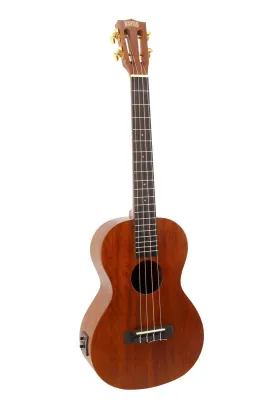
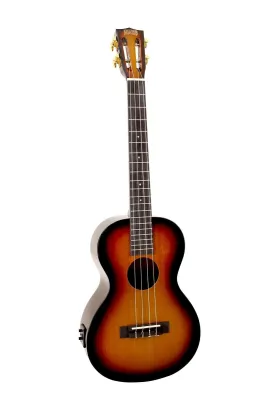
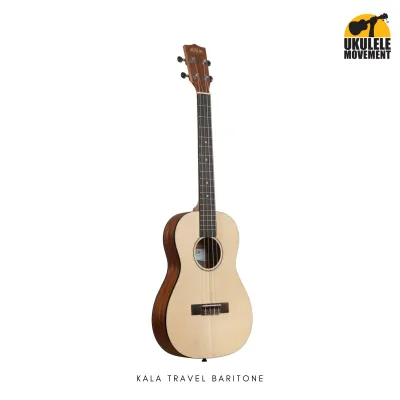
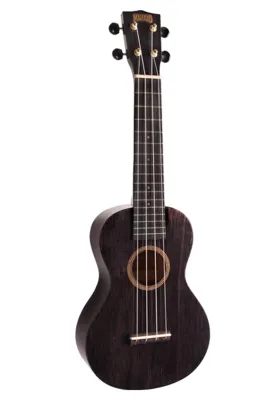
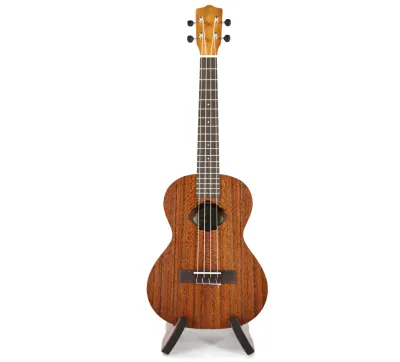
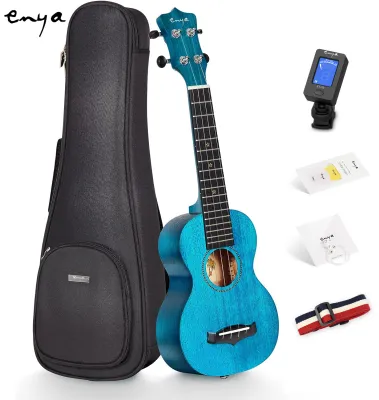
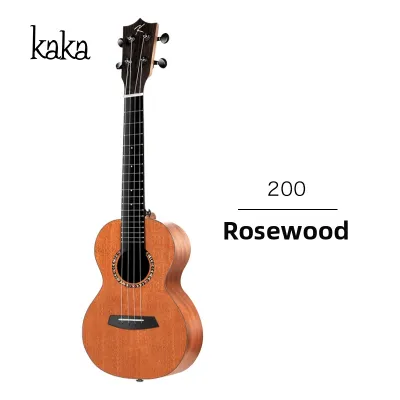
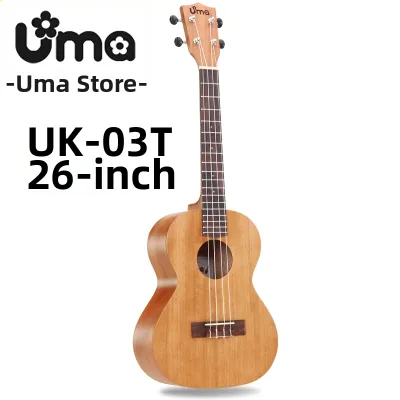
Prices are valid at publication and may change. Please refer to the product page for the latest price.
The DGBE Tuning Advantage
Unlike the standard GCEA tuning found on soprano, concert, and tenor ukuleles, the baritone is traditionally tuned to D3-G3-B3-E4. This linear tuning represents the exact pitch configuration of the four highest strings of a standard acoustic guitar.
For a beginner, this tuning offers a highly efficient learning pathway. If you plan to transition to the acoustic guitar in the future, every chord shape, scale pattern, and fingerpicking exercise you learn on the baritone ukulele will translate directly to the guitar fretboard. Conversely, if you are a guitarist looking for a highly portable, nylon-string alternative, you can play the baritone immediately without learning a new set of chord shapes.
Physical Scale and Comfort
The baritone is the largest body style in the standard ukulele hierarchy, featuring an overall length of approximately 30 inches and a scale length (the distance from the nut to the saddle) of 19 to 21 inches. This larger footprint results in wider fret spacing and a broader fretboard.
For adult learners or anyone with larger hands, the cramped frets of a soprano or concert ukulele can lead to finger crowding, muted strings, and hand fatigue. The baritone’s spacious fretboard provides ample room to place your fingers cleanly behind each fret, reducing the learning curve associated with clean chord transitions. Additionally, the larger body size is easier to hold securely against your torso without the need for a strap, providing a more stable playing posture.
Warm and Resonant Tonal Profile
Because of its larger acoustic chamber and longer, thicker strings, the baritone ukulele produces a deep, mellow, and bass-rich voice. It lacks the bright, percussive, “plucky” quality of smaller ukuleles, opting instead for a sustained, classical-guitar-like resonance.
This makes the baritone highly versatile for a wide range of musical genres, including folk, blues, jazz, and classical fingerstyle. If you prefer a mellow, introspective sound over a bright, tropical tone, the baritone’s acoustic profile will keep you motivated to practice daily.
How to Evaluate Baritone Ukulele Brands for Beginners
When shopping for a beginner-friendly baritone ukulele, it is easy to get distracted by aesthetic details or low prices. However, a beginner’s instrument must prioritize structural integrity and ease of play to prevent frustration. Focus on these core criteria when evaluating different brands.

Factory Build Consistency
Reputable brands invest heavily in factory quality control to ensure that even their entry-level instruments meet strict structural standards. A well-constructed ukulele must have a flat fretboard, a securely joined neck, and a flush bridge connection.
Cheap, unbranded instruments often suffer from inconsistent manufacturing, resulting in warped necks or loose internal bracing. These structural defects can cause permanent buzzing or make the instrument impossible to tune. Choosing an established brand ensures that the instrument’s geometry is correct from the day you unbox it.
Tonewood Choices and Climate Resilience
Beginners must choose between laminated wood construction, solid wood tops, and synthetic composite materials. Each option behaves differently under mechanical tension and environmental exposure.
- Laminated Wood: Composed of thin layers of wood glued together, laminate is highly durable, affordable, and structurally stable. It is exceptionally resistant to Singapore's high relative humidity, which often averages above 80%. Laminate instruments will not warp or crack easily when moved between air-conditioned rooms and warm outdoor air.
- Solid Wood Tops: Instruments with a solid spruce, cedar, or mahogany top offer superior resonance, volume, and a tone that "opens up" and improves as the wood ages. However, solid wood is highly sensitive to humidity fluctuations. Without proper care, dry air-conditioning can cause the wood to shrink and crack, while high humidity can cause the top to swell, raising the string height.
- Synthetic Composites: Materials like carbon fiber or High-Pressure Laminate (HPL) are completely impervious to weather changes. They offer maximum durability and consistent performance but lack the organic, evolving tonal complexity of traditional wood.
Playability and String Action
Playability is primarily determined by string action, which is the height of the strings above the fretboard. If the action is too high, pressing down on the strings requires excessive finger pressure, leading to pain and slow chord changes. If the action is too low, the vibrating strings will strike the metal frets, causing a metallic buzz.
Quality brands design their instruments with a comfortable, low action at both the nut and the saddle. They also pay close attention to fret dressing, ensuring that the metal fret ends are filed smooth and do not protrude from the sides of the neck, which can scratch your hand during play.
Reliable Tuning Hardware
Keeping a stringed instrument in tune is one of the biggest challenges for beginners. Avoid instruments with friction tuning pegs, which rely solely on tightness to hold tension and are prone to slipping.
Instead, look for brands that equip their baritones with geared tuning machines, preferably with a 14:1 or 18:1 gear ratio. Geared tuners allow for precise adjustments and hold the string tension securely, ensuring that your instrument stays in tune through long practice sessions. The nut and saddle should also be made of dense, consistent materials like bone or high-quality synthetic composites to facilitate smooth string movement without binding.
Reliable Baritone Ukulele Brands to Consider
The following brands are highly regarded in the ukulele community for producing reliable, beginner-friendly baritone models. This non-exhaustive list highlights their design philosophies and entry-level characteristics. When purchasing, always verify current model availability, exact specifications, and local warranty terms with authorized retailers.
Traditional Wood Builders
These brands focus on classic acoustic construction, utilizing traditional tonewoods and time-tested bracing patterns to deliver organic warmth and classic aesthetics.
Kala Music Company
Kala is a cornerstone of the modern ukulele market, known for its massive catalog and consistent manufacturing standards. Their entry-level baritone models, such as the Satin Mahogany series, are widely considered the benchmark for beginner instruments.
Kala’s strength lies in its predictable quality control. Their laminate mahogany baritones offer a warm, balanced tone and excellent structural durability at an accessible price point, typically ranging from S$150 to S$250. For beginners willing to invest slightly more, Kala offers models with solid spruce or cedar tops, providing enhanced volume and clarity. Their instruments feature comfortable neck profiles and reliable geared tuners, making them exceptionally easy to play straight out of the box.
Cordoba
Cordoba brings its extensive expertise in classical guitar manufacturing to the ukulele world. Their baritone models often feature lightweight construction, fan bracing, and traditional Spanish-style aesthetics, such as slotted headstocks and wood purfling.
Cordoba baritones are celebrated for their rich, dark, and highly expressive voice, which carries a distinct classical guitar character. The brand typically uses wider nut widths and flatter neck profiles, providing maximum fingerboard space. This design is highly beneficial for beginners who want to focus on fingerstyle arrangements or those transitioning from a classical guitar. Their entry-level models utilize high-quality mahogany laminates that balance durability with a resonant acoustic response.
Modern Material Innovators
These brands utilize alternative materials and modern manufacturing techniques to create highly durable, climate-resilient instruments that require minimal maintenance.
Flight Ukuleles
Flight has established itself as a highly creative brand, particularly popular for its travel-friendly designs. Their beginner-focused baritones often feature a hybrid construction, utilizing an ABS plastic body paired with a laminated wood top.
This design makes the instrument incredibly rugged and resistant to the structural damage caused by high humidity or accidental bumps. Flight baritones feature a molded, arched back that helps project the sound forward, compensating for the natural dampening qualities of plastic. They are an excellent choice for beginners who want a low-maintenance instrument to take to outdoor gatherings, lessons, or travel without worrying about humidity control.
Enya Music
Enya is a pioneer in the use of High-Pressure Laminate (HPL) and carbon fiber composites. HPL is a highly durable material made by pressing wood fibers and resin under extreme heat, resulting in a surface that mimics wood grain but is completely waterproof and scratch-resistant.
Enya’s carbon fiber and HPL baritone models offer unmatched structural stability in Singapore’s tropical climate. The necks on these instruments are engineered to resist warping, bowing, or twisting, ensuring that the string action remains perfectly consistent year-round. Tonal output is bright, clear, and highly consistent across the entire fretboard. While they lack the warm, organic decay of solid wood, their extreme durability and low-maintenance nature make them highly practical for busy beginners.
Comparing Beginner Baritone Ukulele Specifications
To help you weigh the trade-offs between different construction styles, the table below outlines the primary material types used by reputable beginner brands.
Comparing Beginner Baritone Ukulele Materials and Features
| Material Type | Tone Characteristics | Humidity Resistance | Maintenance Level |
|---|---|---|---|
| Laminated Wood | Balanced, warm, traditional acoustic voice | High (highly stable against swelling/cracking) | Low (regular wiping and basic storage) |
| Solid Wood Top | Rich, complex, resonant; improves with age | Moderate (sensitive to dry AC and high humidity) | Moderate to High (requires humidity monitoring) |
| Carbon Fiber / HPL | Bright, clear, highly consistent projection | Extreme (completely immune to climate shifts) | Virtually Zero (wipe down after use) |
When choosing a material, consider your lifestyle and practice environment. If you plan to store your ukulele in a non-air-conditioned room where relative humidity remains high, or if you travel frequently, a laminated wood or carbon fiber instrument offers peace of mind. If you are committed to keeping your instrument in a climate-controlled room or a hard case with a dedicated dehumidifier, a solid wood top will reward you with a more expressive and evolving musical tone.
Pre-Purchase Inspection Checklist
Whether you are purchasing your baritone ukulele from a local music store in Singapore or inspecting a delivery from an online retailer, performing a physical quality check is essential. Use this step-by-step checklist to ensure your instrument is free from defects.
- Check Neck Straightness: Hold the ukulele at eye level and look down the edge of the fretboard from the headstock to the body. The neck should be straight or have a very slight, almost imperceptible upward curve. Any visible S-curves, twists, or backbows will cause severe playability issues and require professional adjustment.
- Inspect Fret Ends: Run your index finger gently along both sides of the neck. The metal fret ends should feel smooth and flush with the wood. If they feel sharp or stick out, the wood fretboard has shrunk due to dry air exposure. This issue, known as "fret sprout," can make playing painful and requires filing.
- Verify String Action: Measure the gap between the bottom of the strings and the top of the 12th fret. For a baritone ukulele, a comfortable action is typically between 2.5mm and 3.0mm. If the action is higher than 3.5mm, fretting chords will feel stiff and difficult. If it is lower than 2.0mm, you will likely experience fret buzz.
- Examine Glue Joints: Inspect the bridge where it meets the wooden top. There should be no visible gaps, lifting, or glue squeeze-out. Similarly, examine the joint where the neck meets the body to ensure there are no hairline cracks or separation.
- Test the Hardware: Turn each tuning machine slowly. The rotation should feel smooth and consistent, without any slipping, grinding, or excessive play. Ensure the nut slots are cut cleanly so the strings do not bind or pinch when tuning.
- Perform a Sound Test: Strum each string open, then play every single note fret by fret up the neck. Listen closely for any internal vibrations, rattling from the tuning pegs, or dead notes where the string fails to ring out clearly.
Frequently Asked Questions (FAQ)
Can I use standard ukulele strings on a baritone?
No, you cannot use standard soprano, concert, or tenor strings on a baritone ukulele. Standard strings are designed for a much shorter scale length and are tuned to GCEA. If you attempt to stretch them across a baritone’s longer scale length, they will either snap under the excessive tension or pull the bridge off the soundboard. Conversely, if tuned down to DGBE, they will be too loose and floppy to produce a clear tone. Always purchase strings explicitly labeled for baritone ukuleles.
Is a baritone ukulele harder to play than a soprano?
For most beginners, the baritone ukulele is actually easier to play than a soprano. While the larger body requires a slightly wider arm reach, the increased scale length provides wider spacing between the frets. This extra space makes it much easier to press down single notes and hold complex chord shapes cleanly without accidentally muting adjacent strings. The lower string tension of nylon strings also makes fretting highly comfortable compared to steel-string instruments.
Do I need an acoustic-electric baritone ukulele as a beginner?
For home practice and learning the basics, a purely acoustic baritone ukulele is highly recommended. Acoustic models are lighter, less expensive, and allow you to focus entirely on your playing technique without the distraction of dials and cables. Acoustic-electric models feature built-in pickups and preamps, which are only necessary if you plan to plug into an amplifier for live performances, play in a band, or record directly into an audio interface.
Community discussion
Share your experience or ask a question. Comments are reviewed before publication.