
Selecting the right bass guitar amplifier is one of the most critical decisions you will make when starting your musical journey. While it is easy to focus all your attention and budget on choosing the perfect first bass guitar, the amplifier is what actually translates the physical vibration of your strings into the rich, deep tones that define the instrument. A poor-quality or mismatched amplifier can make even a high-end bass sound muddy, thin, or uninspiring, which can quickly discourage a new player. Conversely, a well-designed beginner amplifier will reveal the nuances of your playing, encourage proper finger technique, and make your daily practice sessions highly rewarding.
For beginners, the market offers an overwhelming array of choices, ranging from tiny desktop units to massive stage rigs. The key to making a smart first purchase is focusing on reputable brands that specialize in scaling down their professional technology into affordable, user-friendly, and compact formats. Brands like Fender, Ampeg, Blackstar, and Orange have spent decades perfecting the art of bass amplification, and their entry-level product lines are specifically engineered to address the practical needs of students and home hobbyists. By understanding what each brand offers and how to evaluate their features, you can confidently choose an amplifier that fits your musical style, your budget, and your physical practice space.
Key Features to Evaluate in a Beginner Bass Guitar Amplifier
When shopping for your first bass guitar amplifier, it is easy to get distracted by high wattage ratings and complex control panels. However, the most effective beginner amplifiers prioritize practical utility, clear sound reproduction, and ease of use. Understanding the core technical features will prevent you from overspending on unnecessary professional-grade power while ensuring you do not end up with an underpowered unit that fails to deliver a satisfying bass response.
Products mentioned in this guide
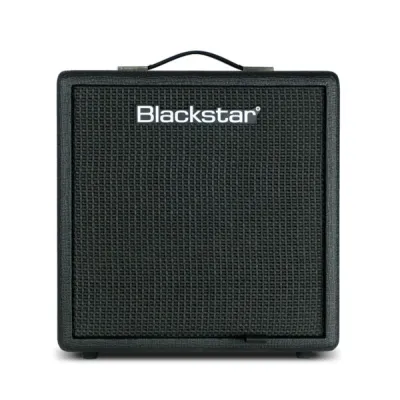

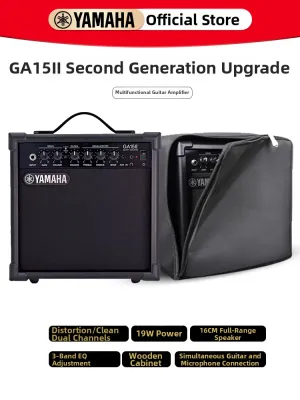
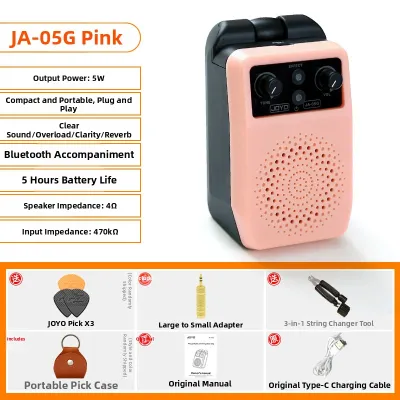
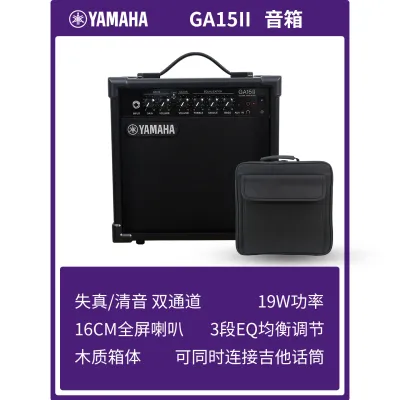
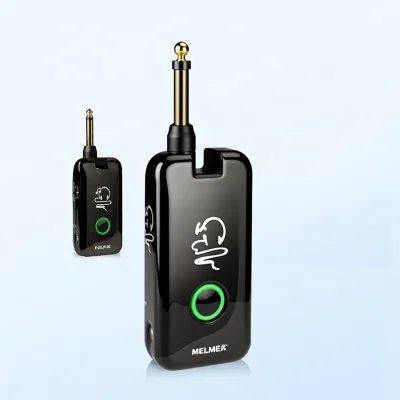

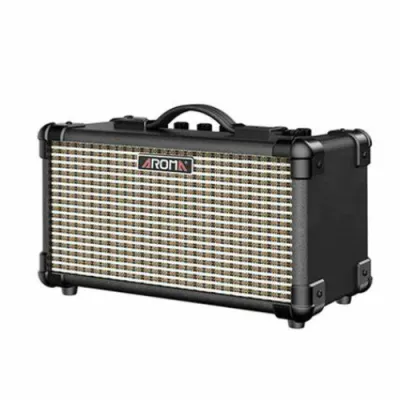
Prices are valid at publication and may change. Please refer to the product page for the latest price.
Speaker Size and Wattage Dynamics The relationship between an amplifier’s wattage and its speaker size is the single most important factor in determining how your bass will sound. Unlike electric guitars, which focus on mid-range and high frequencies, bass guitars produce long, low-frequency sound waves that require a significant amount of physical energy to project. A larger speaker cone, such as an 8-inch or 10-inch driver, has a much larger surface area than a standard 5-inch or 6-inch desktop speaker. This larger surface area allows the cone to move a substantial volume of air, which is essential for reproducing deep, punchy low notes with clarity and depth. Even at lower wattages, such as 15 to 40 watts, a larger speaker cone will sound significantly fuller and more defined than a smaller speaker pushed to its absolute limits.
Essential Connectivity for Silent Practice For any beginner, consistent practice is the key to progress, and this often means playing late at night or in shared living spaces. A dedicated headphone output is an absolute necessity. Look for amplifiers that feature a 3.5mm (1/8-inch) or 1/4-inch headphone jack that automatically mutes the main speaker when headphones are plugged in. This allows you to practice in complete silence without disturbing others. Additionally, an auxiliary input (Aux In) or integrated Bluetooth connectivity is highly valuable. This feature allows you to connect your smartphone, tablet, or computer directly to the amplifier, enabling you to play along with backing tracks, instructional audio, metronomes, or online lessons directly through your headphones or the amplifier speaker.
Intuitive Tone Shaping and Built-In Overdrive Learning how to shape your sound is a fundamental part of playing the bass. Most beginner-friendly amplifiers feature a simple, intuitive three-band equalizer (EQ) consisting of Bass, Middle, and Treble controls. Some models expand this to a four-band EQ by splitting the middle frequencies into Low-Mid and High-Mid controls. These knobs allow you to adjust the tonal balance to match your specific instrument and the acoustics of your room. Furthermore, many modern beginner amplifiers include a built-in overdrive or distortion circuit. This feature allows you to add a controlled amount of grit, warmth, and saturation to your tone, which is highly useful for rock, punk, and metal styles, saving you the expense of purchasing external effects pedals during your initial learning phase.
Portability, Weight, and Cabinet Design If you plan to take your amplifier to weekly music lessons, school rehearsals, or casual jam sessions with friends, physical portability should be a major consideration. Heavy, bulky amplifiers can quickly become a chore to transport, potentially discouraging you from taking your gear out of the house. Fortunately, modern beginner amplifiers often utilize lightweight cabinet construction and highly efficient solid-state circuitry to keep weight to a minimum. Many models weigh under 10 kilograms, allowing you to carry the amplifier easily in one hand. Additionally, look for cabinet designs that feature reinforced corners and durable vinyl coverings to protect the internal electronics from the inevitable bumps and scrapes of transport.
Top Bass Guitar Amplifier Brands for First-Time Buyers
To narrow down your options, it is helpful to focus on the industry-leading brands that have established a reputation for manufacturing reliable, high-quality, and beginner-friendly bass amplifiers. Each of these brands approach entry-level design with a unique philosophy, catering to different tonal preferences, practice environments, and musical genres.

Fender: Lightweight and User-Friendly Designs
Fender is a household name in the music world, and their approach to beginner bass amplification is defined by modern convenience, clean tones, and incredibly lightweight construction. Their Rumble series is widely considered the industry standard for student and practice amplifiers, offering an exceptional balance of performance and value.
The defining characteristic of the Fender Rumble series is its user-friendly design. Fender has engineered these amplifiers to be as straightforward as possible, featuring clean, uncluttered control panels that allow beginners to plug in and get a great sound instantly without navigating complex menus. They utilize proprietary speaker designs that are voiced specifically to deliver a punchy, warm low-end that remains clear and articulate even at very low volumes.
Furthermore, Fender’s cabinet design is remarkably lightweight. By using lightweight materials and efficient solid-state power sections, a model like the Rumble 25 or Rumble 40 is incredibly easy to carry with one hand. This makes them the ideal choice for students who need to transport their amplifier to weekly lessons or school band practices. The Rumble series also includes handy push-button tone presets, such as “Bright” or “Contour,” which allow you to instantly alter the character of your sound with a single press, making it a highly versatile and accessible option for players of all musical styles.
Ampeg: Classic Tone Heritage in Compact Formats
Ampeg is a legendary brand whose massive tube amplifiers and heavy speaker cabinets have shaped the sound of rock, Motown, soul, and funk music for decades. For beginners, Ampeg has successfully translated this rich tonal heritage into affordable, compact formats through their Rocket Bass (RB) series.
The primary appeal of Ampeg beginner amplifiers is their classic, vintage-flavored tone. While some modern amplifiers aim for a completely transparent and clinical sound, Ampeg amplifiers are voiced to deliver a warm, round, and slightly gritty character that sits beautifully in a musical mix. Their Rocket Bass models feature the brand’s proprietary “Super Grit Technology” (SGT) overdrive circuit, which emulates the natural compression and harmonic warmth of a vintage tube amplifier, allowing beginners to experience iconic rock and soul tones at bedroom-friendly volumes.
In addition to their distinctive sound, many Ampeg beginner models incorporate a clever tilt-back cabinet design. This physical layout allows you to position the amplifier on the floor and tilt it upward at a 45-degree angle toward your ears. This acts as a personal monitor, ensuring you can hear the high-frequency details of your playing clearly without needing to turn up the master volume to excessive levels. Ampeg is the perfect brand for beginners who appreciate vintage aesthetics, classic rock and soul music, and want a warm, characterful tone right out of the box.
Blackstar: Modern Features for Bedroom Practice
Blackstar has established a strong reputation for innovation, focusing heavily on ultra-compact, feature-rich amplifiers designed specifically for modern home practice, desktop placement, and simple recording setups. Their Fly Bass and Debut Bass ranges are engineered for players who have limited physical space but still demand high-quality sound and versatile digital connectivity.
What sets Blackstar apart in the beginner market is their integration of advanced digital features that cater to the modern, tech-savvy student. Many of their compact models feature built-in USB audio interfaces, which allow you to connect the amplifier directly to your computer. This enables you to record your bass lines directly into digital audio workstations (DAWs) for self-evaluation or basic music production without the need for additional recording hardware.
Additionally, Blackstar amplifiers feature sophisticated emulated headphone outputs. Rather than delivering a dry, sterile signal to your headphones, these outputs simulate the acoustic response of a large, multi-speaker cabinet, providing a much more immersive and realistic listening experience during silent practice. While these ultra-compact desktop units are strictly designed for personal practice and are not loud enough to play alongside an acoustic drum kit, they offer an unmatched suite of modern tools for the bedroom player who values digital integration and space-saving design.
Orange: Distinctive Style and Rugged Build
Orange amplifiers are instantly recognizable by their bright orange vinyl covering, signature basketweave grille cloth, and classic hieroglyphic control symbols. Beyond their bold visual aesthetic, Orange’s beginner line, the Crush Bass series, is highly regarded for its exceptionally rugged construction and aggressive, mid-forward tonal character.
The build quality of Orange beginner amplifiers is outstanding. These units are constructed using thick, heavy-duty wooden cabinets and reinforced with robust metal corners, making them incredibly durable and capable of withstanding years of rough handling. This ruggedness makes them a popular choice for younger players or anyone who plans to move their gear frequently between different locations.
Tonally, Orange amplifiers are voiced with a gritty, aggressive mid-range that provides excellent cut and definition. While they can deliver clean tones, they excel at producing a punchy, overdriven growl that is highly suited for rock, punk, metal, and alternative music genres. Many models in the Crush Bass series retain an all-analog signal path, appealing to players who prefer the organic dynamic response and simple, tactile operation of traditional analog circuitry. If you want an amplifier that makes a bold visual statement, offers bulletproof durability, and delivers a powerful, rock-ready tone, the Orange Crush Bass series is an excellent investment.
Choosing the Right Size for Your Practice Environment
Selecting the right physical size and power output for your amplifier is critical to ensuring that your gear matches your actual living situation and musical goals. In a high-density urban environment like Singapore, where most residents live in close proximity within HDB flats or condominiums, managing volume and physical space is a key consideration.
Bedroom and Apartment Practice For dedicated home practice in an apartment setting, a compact solid-state amplifier rated between 10 and 25 watts is generally the most practical choice. At this power level, the amplifier can deliver a full, satisfying tone at low volumes without sending low-frequency vibrations through concrete walls and floors to neighboring units. To further minimize the risk of noise complaints, it is highly recommended to place your amplifier on a small stand, a chair, or a specialized foam isolation pad. This physical separation decouples the amplifier cabinet from the floor, preventing the bass frequencies from coupling with the building’s structure and traveling into the flat below. Combining a low-wattage amplifier with a high-quality pair of headphones ensures you can practice productively at any hour of the day or night.
Small Jam Sessions and Rehearsals If your musical goals include playing with other musicians in a live setting, your power requirements will increase significantly. Playing alongside an electric guitarist and an acoustic drummer requires a substantial amount of clean headroom. Because low frequencies require much more physical energy to project than high frequencies, a bass amplifier must have significantly more power than a guitar amplifier to be heard clearly in a room mix. As a general rule of thumb, your bass amplifier should have roughly two to three times the wattage of the guitar amplifier it is playing with. For small jam sessions or rehearsals in a local studio, a minimum of 50 to 100 watts is typically required to ensure your bass lines remain clean, defined, and audible without pushing the amplifier into harsh, unwanted distortion.
Managing Physical Space Constraints The physical footprint of the amplifier is another important factor when living in a space-constrained home. Large speaker cabinets can quickly clutter a small bedroom or living room. If space is at a premium, look for compact combo amplifiers that offer a small physical footprint while still utilizing an 8-inch or 10-inch speaker. Some models feature a tilt-back cabinet design, which allows you to angle the speaker upward toward your ears. This design is highly advantageous in small spaces because it projects the sound directly at you rather than at your feet, allowing you to monitor your playing with extreme clarity at a much lower master volume setting, keeping the overall volume in your home to a minimum.
Pre-Purchase Checklist and Safe Setup Guidelines
Before finalizing your purchase and setting up your new bass guitar amplifier, it is essential to run through a quick checklist to verify technical compatibility, electrical safety, and correct operational procedures. Taking these steps will protect your equipment from accidental damage and ensure a safe, hassle-free playing experience.
Verify Cable and Accessory Compatibility
- Instrument Cables: Always ensure you are using a high-quality, shielded 1/4-inch instrument cable to connect your bass guitar to the amplifier. Never use a speaker cable for this connection, as speaker cables are unshielded and will introduce significant hum, noise, and potential interference into your signal.
- Active vs. Passive Inputs: Check if your bass guitar has active electronics (which require a 9V battery) or passive electronics. Active basses output a much stronger electrical signal. Many beginner amplifiers feature an "Active/Passive" switch or two separate input jacks (often labeled 0dB and -15dB) to accommodate this. If your bass is active, plugging into the active input prevents the hot signal from clipping the amplifier's preamp stage.
- Tuning Accessories: Verify whether your chosen amplifier has a built-in tuner. If it does not, make sure to purchase a separate clip-on chromatic tuner or a dedicated tuner pedal, as playing in tune is critical for training your ears as a beginner.
Power Supply and Voltage Safety When purchasing musical equipment, electrical safety must be a primary consideration.
- Local Standards: Amplifiers purchased from authorized dealers in Singapore are configured for the local electrical grid, which operates at 230V and 50Hz, and will come equipped with a standard Type G three-pin fused plug.
- Imported and Second-Hand Hazards: If you are purchasing a second-hand amplifier online or importing a model from overseas (such as North America or Japan), you must carefully check the voltage specifications printed on the back of the unit. Connecting a 110V or 120V amplifier directly to a Singaporean 230V wall outlet will immediately destroy the amplifier's power transformer, ruin the internal circuitry, and present a severe risk of electrical fire. If the voltage ratings do not match local standards, you must use a heavy-duty, properly rated step-down transformer, though purchasing a locally compatible unit is always the safest and most reliable option.
Purchase Through Authorized Local Retailers To ensure you are protected against manufacturing defects and have access to reliable support, always purchase your amplifier from authorized local music retailers in Singapore. Buying from authorized channels guarantees that you receive a genuine product tailored for the local market, backed by a valid manufacturer’s warranty. This gives you peace of mind and access to professional after-sales service, replacement parts, and technical assistance should you ever encounter an issue with your gear.
Follow a Safe Startup and Shutdown Sequence Adhering to a proper power sequence is a simple but highly effective way to protect your amplifier’s speaker and your own hearing from sudden, damaging volume spikes.
- Preparation: Before turning on the power, plug your instrument cable into your bass guitar first, and then plug the other end into the amplifier's input jack.
- Zero the Volume: Ensure that the amplifier's master volume knob is turned completely down to zero.
- Power On: Flip the main power switch to the "On" position.
- Adjust Volume: Gradually turn up the master volume knob to your desired comfortable practicing level while playing a few notes.
- Shutdown: When you are finished practicing, reverse the process: turn the master volume knob back to zero before switching the power off, and then unplug your cables. This prevents loud electrical pops that can fatigue or tear the speaker cone over time.
Frequently Asked Questions (FAQ)
Can I use a standard electric guitar amplifier for bass?
While a bass guitar can physically be plugged into a standard electric guitar amplifier, doing so is highly discouraged due to the risk of equipment damage. Electric guitar speakers are designed to reproduce mid-range and high-frequency sounds and have a very limited physical range of motion. The deep, high-energy low frequencies produced by a bass guitar can easily push a guitar speaker cone past its physical limits, resulting in a blown speaker or a damaged voice coil. To protect your gear and achieve a proper, clear tone, always use an amplifier that is specifically voiced and physically built for bass frequencies.
Do I need to buy effects pedals right away?
As a beginner, there is no immediate need to purchase external effects pedals. Most modern entry-level bass amplifiers are equipped with highly capable three-band or four-band EQ controls and built-in overdrive circuits that offer a wide variety of tonal options. In the early stages of learning, your budget and practice time are best focused on developing proper playing techniques, finger strength, and consistent timing. Once you have built a solid foundation and developed a clear understanding of your personal tonal preferences, you can begin exploring external effects pedals.
How much wattage is needed to play with a live drummer?
For personal home practice in a bedroom or apartment, a 15-watt to 30-watt amplifier is more than sufficient. However, if you plan to play in a band setting with an acoustic drum kit and amplified electric guitars, you will need significantly more power to be heard. To maintain clean headroom and avoid pushing your amplifier into harsh, muddy distortion, you will generally require a minimum of 100 to 200 watts. This power should ideally be paired with a larger speaker configuration, such as a single 15-inch speaker or two 10-inch speakers, to move enough air to match the acoustic volume of the drums.
Community discussion
Share your experience or ask a question. Comments are reviewed before publication.