
Mastering property investment requires a dual-track education. An investor must combine foundational global classics that teach the psychological and mathematical frameworks of property wealth with highly current, localized resources that navigate specific regulatory landscapes. To become a true real estate master, you cannot rely on a single perspective. Instead, you must learn to synthesize universal wealth-building principles with the strict, fast-changing regulations of your local market.
For investors in Singapore, this balanced approach is especially critical. The global literature offers invaluable lessons on leverage, cash flow analysis, and scale. However, applying these international strategies directly to Singapore’s highly regulated, high-density property market without adaptation can lead to severe financial setbacks. Developing a structured reading list that spans both global theory and local execution is the most reliable way to build a sustainable property portfolio.
How to Choose the Right Real Estate Investment Book
Selecting the right literature requires a clear understanding of your current experience level, your specific investment goals, and the geographical focus of the material. Property books generally fall into two categories: universal mindset books and market-specific tactical guides. Mindset books focus on long-term wealth-building psychology, risk management, and mathematical fundamentals that apply anywhere in the world. Tactical guides, on the other hand, focus on the operational steps, legal frameworks, tax structures, and financing options unique to a single jurisdiction.
Products mentioned in this guide
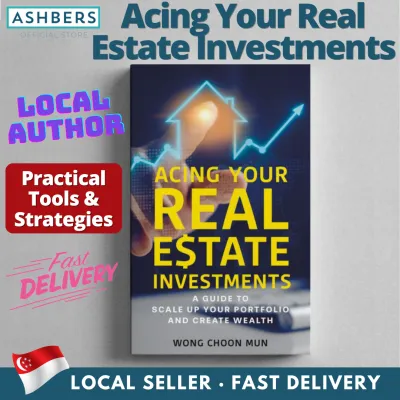

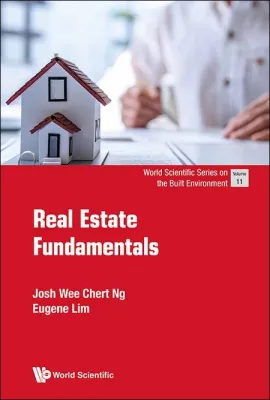
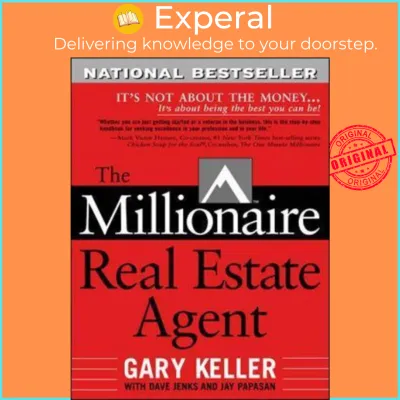
Prices are valid at publication and may change. Please refer to the product page for the latest price.
For local tactical guides, the publication date is the single most critical factor to evaluate before purchase. In Singapore, property cooling measures, loan-to-value (LTV) limits, and tax frameworks like the Additional Buyer’s Stamp Duty (ABSD) are adjusted periodically by the government to maintain market stability. A book published even a few years ago may contain outdated tax rates, obsolete loan calculation methods, or defunct housing schemes. Relying on outdated print editions can result in costly miscalculations when planning a real estate purchase. Always check for the latest revised editions or verify whether the author provides digital updates to supplement the printed text.
Evaluating the author’s credibility is equally important. Prioritize books written by active investors, licensed real estate professionals, conveyancing attorneys, or qualified financial planners who have a verifiable track record of executing transactions in the target market. Be cautious of purely motivational speakers or theoretical academics whose advice lacks practical, step-by-step execution details. A high-quality investment book should explain not just the potential rewards, but also the structural risks, transaction costs, and downside scenarios of property ownership.
Finally, verify the edition, language, and authorized source of the book before completing your purchase. Whether you are buying a physical copy from a local bookstore, ordering an e-book for your digital reader, or purchasing an audiobook, ensure that the format matches your learning style and that the content is complete. Some international editions are abridged or adapted for specific regional markets, which can occasionally omit technical appendices or financial worksheets that are vital for calculating investment returns.
Top Books for Universal Real Estate Principles to Become a Real Estate Master
While the specific laws and tax codes governing property transactions vary across borders, the core mathematics and psychology of real estate investment remain constant. Understanding concepts like compound interest, debt amortization, cap rates, and the relationship between risk and yield is essential before committing capital to any market. The following globally recognized classics provide the foundational knowledge required to analyze property assets systematically, though readers must keep their geographical limitations in mind.

The Millionaire Real Estate Investor by Gary Keller
This seminal work focuses on building disciplined systems, clear criteria, and scalable operational models for property investing. The book demystifies the process of building wealth through real estate by breaking it down into manageable stages: thinking like an investor, earning the budget, buying the assets, and receiving the cash flow. It emphasizes treating property investment as a structured business rather than a passive hobby.
A key takeaway for readers is the importance of building a reliable network of professionals—including agents, contractors, lenders, and accountants—to leverage collective expertise. The book also provides practical advice on tracking leads, analyzing market cycles, and establishing strict buying criteria to avoid emotional purchasing decisions. While the specific case studies and tax examples are based on the United States market, the operational frameworks, risk-mitigation strategies, and mindset shifts are highly applicable to investors in Singapore. When purchasing this book, look for the complete, unabridged edition to ensure you receive all the detailed worksheets and model templates.
The Book on Rental Property Investing by Brandon Turner
This comprehensive guide offers a deep dive into cash flow analysis, property management, and the mechanics of scaling a rental portfolio. It provides step-by-step methodologies for finding undervalued deals, negotiating purchases, and managing tenants effectively to preserve asset value. The author emphasizes the importance of understanding the numbers behind every transaction, teaching readers how to calculate gross rental yields, net operating income, and cash-on-cash returns.
However, Singapore-based readers must approach this book with a clear understanding of its geographical limitations. Many of the financing strategies discussed, such as low-down-payment loans, seller financing, and the popular “BRRRR” (Buy, Rehab, Rent, Refinance, Repeat) method, rely on the highly flexible and highly leveraged lending environment of the United States. In Singapore, strict mortgage regulations, high absolute property prices, and capital requirements make these specific high-leverage strategies either entirely unfeasible or legally restricted. The value of this book lies not in its specific financing tactics, but in its rigorous approach to cash flow analysis and property evaluation.
Essential Reading for Singapore-Specific Property Strategies
To invest safely and profitably in Singapore, you must master the local regulatory framework. The Singapore government actively manages the residential property market through a series of policy levers designed to prevent speculative bubbles and ensure housing affordability. Consequently, local real estate literature must be read with a focus on compliance, policy timelines, and local financial structures. Because policies evolve, readers should seek out the most recent publications from established local property analysts and financial educators.
Mastering the HDB to Private Property Upgrade Path
For many citizens and permanent residents in Singapore, the primary path to building property wealth involves upgrading from a Housing & Development Board (HDB) flat to a private condominium. This asset progression strategy requires precise financial planning and a deep understanding of public housing regulations. A high-quality local guide on this topic must address several critical steps:
- The Minimum Occupation Period (MOP): Understanding the five-year physical occupation requirement before an HDB flat can be sold or rented out.
- CPF Ordinary Account (OA) Usage: Calculating how much CPF savings can be allocated toward the property purchase, understanding the CPF housing usage limits, and planning for the eventual CPF accrued interest repayment upon sale.
- Bridging Loans and Timeline Alignment: Managing the tight transition timeline between selling the existing HDB flat and collecting the keys to the new private property to avoid temporary housing costs or double stamp duties.
Readers must always cross-reference any book’s timeline or policy advice with the latest official updates on the HDB portal, as regulations regarding eligibility, grants, and flat valuations are subject to administrative adjustments.
Navigating Taxes, Loans, and Ownership Structures
The financial viability of a property investment in Singapore is heavily determined by transaction taxes and borrowing limits. Local reading materials must cover the technicalities of these frameworks in detail to help investors avoid unexpected financial liabilities. Key areas of focus include:
- Additional Buyer's Stamp Duty (ABSD): Understanding the progressive tax rates imposed on Singapore citizens purchasing their second or subsequent residential properties, as well as the rates applied to permanent residents and foreign buyers.
- Total Debt Servicing Ratio (TDSR) and Loan-to-Value (LTV) Limits: Analyzing how the Monetary Authority of Singapore (MAS) limits an individual's total monthly debt obligations to a percentage of their gross income, and how LTV limits dictate the minimum cash down payment required for a property loan.
- Seller's Stamp Duty (SSD): Understanding the holding period requirements and the tax liabilities incurred if a residential property is sold within three years of purchase.
- Legal Ownership Structures: Exploring legitimate methods to optimize tax liabilities, such as decoupling (where co-owners transfer shares of a property to free up one name for a second purchase) or purchasing property under a trust for a beneficiary, while understanding the strict legal and financial rules governing these structures.
Because these financial regulations are complex and carry significant legal consequences, readers must verify all book claims against the latest official guidelines published directly by the Inland Revenue Authority of Singapore (IRAS) and the Monetary Authority of Singapore (MAS).
Adapting Global Real Estate Concepts to the Singapore Market
Applying international real estate theories directly to the Singapore market without modification is a common pitfall for novice investors. The structural differences in land tenure, population density, and government policy between Singapore and Western markets require a fundamental shift in how investment metrics are interpreted.
One of the most prominent examples of this mismatch is the “1% Rule” often cited in US-centric real estate books. This rule suggests that a property should generate monthly rent equal to at least 1% of its total purchase price to be considered a viable investment. In Singapore, where a typical private condominium might cost S$1.5 million to S$2 million, achieving a monthly rent of S$15,000 to S$20,000 is highly unrealistic. Gross rental yields in Singapore generally hover between 2% and 4% per annum. Consequently, local investors must evaluate deals based on net yield, total cost of ownership, and long-term capital preservation rather than relying on arbitrary foreign benchmarks.
This yield reality necessitates a mindset shift from pure cash flow investing to capital appreciation and asset progression. In a land-scarce city-state like Singapore, property wealth is historically driven by the long-term appreciation of land value and the strategic relocation of capital from older leasehold properties to newer freehold or well-located leasehold assets. While cash flow remains important for servicing monthly mortgage payments, the primary wealth-generation mechanism is often the realized capital gains achieved through timely asset upgrades.
Furthermore, leverage expectations must be drastically adjusted. Many foreign real estate books advocate for highly leveraged strategies that allow investors to purchase properties with little to no money down. In Singapore, the strict regulatory environment makes this impossible. With the maximum LTV limit for a first housing loan capped at 75% for private properties (and lower for subsequent loans), and with TDSR limits strictly enforced, investors must possess substantial upfront capital in the form of cash and CPF savings. Success in the local market requires robust liquidity management, a conservative approach to debt, and a thorough understanding of local borrowing constraints.
Frequently Asked Questions (FAQ)
Are audiobooks effective for learning real estate investing?
Audiobooks are highly effective for absorbing high-level investment philosophies, wealth-building mindsets, and strategic frameworks. Listening to classics like those by Gary Keller or Brandon Turner during a commute can help build the psychological foundation and discipline required of a successful investor.
However, audio formats are less suitable for local, tactical guides that deal with the technicalities of the Singapore market. Understanding complex tax structures, calculating TDSR limits, analyzing floor plans, and evaluating property transaction data require visual engagement. For these highly technical topics, physical books, digital e-books, or official PDF guides are far superior, as they allow you to study tables, highlight key clauses, and perform calculations at your own pace.
How often should I update my local real estate reading list?
You should review and update your local real estate reading resources whenever major policy shifts or economic changes occur. The Singapore property market is highly policy-sensitive, and the government introduces cooling measures or adjusts macroprudential rules in response to market conditions.
While foundational books on property analysis remain useful for years, the specific numbers, tax rates, and lending limits can change overnight. To ensure your knowledge remains compliant and accurate, supplement your reading list with current press releases from the Ministry of National Development (MND), IRAS, MAS, and HDB, alongside reputable local financial news publications.
Community discussion
Share your experience or ask a question. Comments are reviewed before publication.