
Chua Lam’s financial philosophy in The Art of Making Money (赚钱的艺术) resonates deeply with readers because it strips away the dry, intimidating formulas of academic economics and replaces them with lived experience, street smarts, and a profound appreciation for the lifestyle that wealth enables. For beginners in Singapore seeking similar wisdom, the most valuable alternative books are those that prioritize practical wealth psychology, bootstrap-style entrepreneurship, and grounded personal finance over complex mathematical modeling. Finding books that match this pragmatic, life-first approach requires looking beyond standard textbook recommendations to find authors who treat money as a tool for personal freedom rather than an abstract scorecard.
To build a solid financial foundation, you must seek out literature that aligns with your specific goals, whether you want to master the emotional discipline of saving, launch a cash-flow-positive side business, or navigate the unique regulatory landscape of Singapore. By focusing on books that emphasize actionable wisdom and real-world observation, you can develop the same sharp, common-sense instincts that define Chua Lam’s celebrated worldview.
Understanding the Appeal: Selection Criteria for Practical Wealth Books
Chua Lam’s background in film production, food criticism, and lifestyle writing heavily shapes his approach to commerce. He views money not as an end in itself, but as a vehicle for personal independence, creativity, and enjoyment. This epicurean yet highly practical perspective means his financial advice centers on tangible, human-centric activities—such as understanding customer desires, negotiating face-to-face, and managing small-scale operations with extreme discipline—rather than analyzing stock charts or corporate balance sheets. For Chua Lam, business is an art form rooted in human relationships and everyday observation.
Products mentioned in this guide

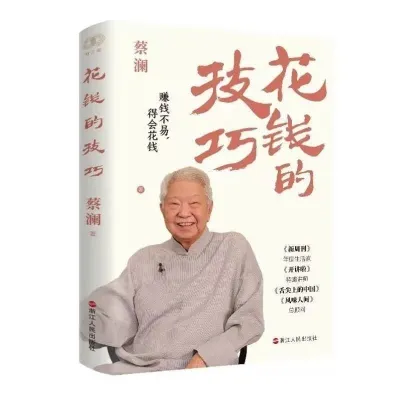
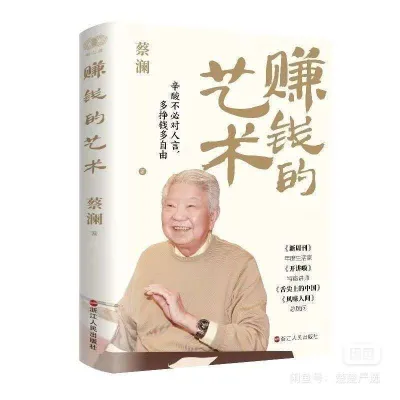
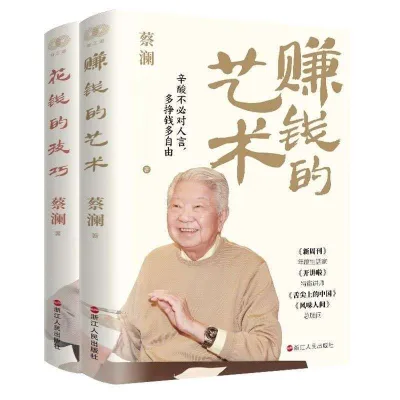
Prices are valid at publication and may change. Please refer to the product page for the latest price.
In Singapore and the broader Asian business landscape, commerce is deeply relational and grounded in operational grit. Success often hinges on managing cash flow with absolute precision, understanding family wealth dynamics, and maintaining a reputation for reliability within the community. Books that mirror Chua Lam’s style must respect these cultural realities, focusing on businesses that generate immediate cash flow, such as food and beverage, retail, or local service industries, rather than high-tech startups that rely on burning venture capital.
To establish a clear selection baseline for alternative reading, any recommended book must meet three strict criteria. First, the material must be highly accessible to beginners, avoiding dense jargon and theoretical abstractions in favor of clear, engaging language. Second, the author must offer actionable, street-smart wisdom derived from actual business operations or personal financial recovery. Finally, the book must reject speculative get-rich-quick schemes, emphasizing instead the slow, disciplined accumulation of value through hard work, strategic positioning, and psychological resilience.
Recommended Book Themes and Notable Examples for Beginners
To help you navigate the vast landscape of business and finance literature, the recommended books are organized into three distinct learning themes. Each theme addresses a different facet of Chua Lam’s holistic approach to money, allowing you to build your knowledge step by step.

Wealth Psychology and Grounded Mindset
Developing a healthy, disciplined relationship with money is the essential first step to building wealth, as greed, panic, and social comparison are the primary drivers of financial failure. Beginners frequently struggle not from a lack of technical investment knowledge, but because they cannot manage their emotional responses to market volatility or lifestyle inflation. Chua Lam frequently emphasizes the importance of mental clarity and self-control, noting that true wealth lies in knowing when you have enough to live comfortably and on your own terms.
A prime example of this philosophy in global literature is The Psychology of Money by Morgan Housel. This book argues that doing well with money has surprisingly little to do with intelligence and a great deal to do with behavior. Through a series of short, highly engaging stories, the author illustrates how personal biases, envy, and the desire for social status can derail even the most sophisticated financial plans. The narrative-driven structure of this work perfectly mirrors Chua Lam’s use of everyday anecdotes to convey profound financial truths.
When evaluating books within this category, look for authors who prioritize behavioral finance over mathematical formulas. You want to find literature that discusses the value of flexibility, the compounding power of patience, and the importance of building a financial buffer to protect against life’s inevitable uncertainties. These books teach you to view money as a shield that buys you time and choices, aligning closely with the lifestyle-first philosophy championed by Chua Lam.
Practical Entrepreneurship and Street Smarts
Chua Lam’s entrepreneurial ventures, particularly in the highly competitive food and beverage sector, highlight the immense value of operational grit and customer psychology. He has often spoken about the reality of running a business: managing staff, negotiating with suppliers, and keeping customers happy day after day. This is “street smart” business education, which cannot be replicated in a traditional MBA classroom where theories often overshadow the practical realities of cash flow.
To capture this spirit, beginners should seek out memoirs and operational guides written by self-made entrepreneurs who built businesses from the ground up without massive external funding. Books like Never Split the Difference by Chris Voss, while focused on high-stakes negotiation, offer invaluable street-smart insights into human psychology and real-world commerce that align with Chua Lam’s relational approach to business. Similarly, books on bootstrapping—which detail how to launch small, cash-flow-positive enterprises using personal savings and immediate revenue—provide a realistic, low-risk roadmap for local readers.
Avoid theoretical startup guides that focus heavily on venture capital pitch decks, hyper-scaling, or burning cash to acquire market share. Instead, prioritize authors who champion sustainable growth, immediate profitability, and the mastery of basic unit economics. These resources teach you how to identify market gaps, negotiate favorable terms with business partners, and deliver genuine value to your community, ensuring your venture remains resilient even in a high-cost environment like Singapore.
Personal Finance Basics and Local Context
While mindset and entrepreneurship are exciting, they must rest on a stable foundation of personal finance. Chua Lam’s pragmatic approach assumes that one does not waste money on unnecessary liabilities before building a secure base. For a beginner, this means mastering cash flow management, eliminating high-interest debt, and establishing a robust emergency fund before venturing into investments or business ownership.
This is where international bestsellers often fall short for readers in Singapore. While a global book can teach you the philosophy of saving, it cannot guide you through the complexities of the Central Provident Fund (CPF), the nuances of purchasing a Housing & Development Board (HDB) flat, or the local tax structures managed by the Inland Revenue Authority of Singapore (IRAS). Therefore, it is highly recommended to complement global reading with guides written by Singaporean financial educators who address these specific national frameworks.
When selecting local personal finance literature, verify that the author’s advice is current and aligns with the latest policy updates. Look for books that explain how to optimize your CPF accounts, how to calculate the true cost of homeownership in Singapore, and how to utilize local tax-advantaged accounts like the Supplementary Retirement Scheme (SRS). Combining the philosophical depth of international classics with the practical execution of local guides creates a comprehensive roadmap for wealth building.
How to Match a Book to Your Current Financial Goals
To avoid information overload, you must assess your current financial situation and select books that address your immediate challenges. Reading a complex guide on corporate restructuring is useless if you are currently struggling to save your first S$10,000. By categorizing your journey into distinct stages, you can build a highly targeted reading list that yields immediate, practical results.
- Stage 1: Mindset and Habits: If you find yourself living paycheck to paycheck, struggling with impulsive spending, or feeling overwhelmed by financial jargon, your immediate goal is to reshape your relationship with money. Focus entirely on books within the wealth psychology category. These texts will help you identify emotional triggers, establish basic budgeting habits, and build the psychological resilience needed to view saving as an opportunity for freedom rather than a form of deprivation.
- Stage 2: Side Hustles and Small Business: Once you have stabilized your personal finances and accumulated a modest safety net, you may want to increase your active income. This is the stage to dive into practical entrepreneurship and street-smarts literature. Look for books that teach you how to validate a business idea with minimal capital, manage early-stage cash flow, and master the basics of sales and customer service, mirroring Chua Lam's hands-on approach to business.
- Stage 3: Wealth Preservation and Local Planning: If you have already built a solid career or business and possess investable capital, your focus must shift toward protecting and compounding that wealth within the local framework. At this stage, your priority should be local personal finance guides and advanced investment literature. These resources will help you navigate Singapore's unique financial instruments, optimize your tax liabilities, and make informed decisions about property and retirement planning.
Regardless of your stage, always read introductory chapters, book summaries, or online reviews before purchasing to ensure the author’s tone matches your learning style. A book can contain brilliant advice, but if the writing style is dry or overly academic, you are unlikely to finish it. Remember that reading is merely the preparation phase; the true value lies in applying the concepts to your daily life and verifying all advice against current local regulations and financial realities.
Buying Guide: Finding the Right Edition and Format in Singapore
When sourcing books similar to Chua Lam’s work, language is a critical consideration. A significant portion of Chua Lam’s original essays and business reflections are written in Chinese, capturing nuances of Asian commerce that can sometimes be lost in translation. If you are bilingual, reading the original Chinese texts can provide a more direct connection to his philosophy; if you require English translations, always check reader reviews to verify that the translation is accurate, readable, and preserves the author’s original tone.
The format you choose should align with how you plan to digest and apply the information. Physical books are ideal for core educational texts, as they allow you to easily highlight key passages, write notes in the margins, and quickly flip back to reference specific frameworks. E-books offer unmatched portability for reading during your daily MRT commute, while audiobooks are excellent for absorbing high-level mindset concepts while walking or exercising, though they are less suited for dense, step-by-step financial guides.
To purchase these books in Singapore, start by visiting major physical bookstores such as Books Kinokuniya or Popular, which often feature dedicated sections for local finance, Asian business, and international bestsellers. For specific, niche editions or translated works that may not be in stock locally, authorized online bookstores and direct publisher websites are reliable alternatives. Always verify the seller’s credentials to ensure you are purchasing genuine, authorized copies rather than low-quality, pirated prints.
Finally, always check the publication or revision date of any personal finance or business book before making a purchase. While mindset and psychological principles are timeless, books that deal with tax laws, investment vehicles, or regulatory frameworks can become outdated quickly. Ensure you are reading the most recent edition, and cross-reference any specific regulatory advice with official government websites, such as the CPF Board or IRAS, to confirm its current validity in Singapore.
Frequently Asked Questions (FAQ)
Are Chua Lam's business books widely available in English?
While Chua Lam is a highly celebrated and prolific author in the Chinese-speaking world, official English translations of his specific business essays and financial compilations, such as The Art of Making Money, are relatively limited. Most of his published works in English focus on his travelogues, culinary adventures, and general lifestyle philosophies. If you cannot read the original Chinese texts, your best approach is to seek out English-language books by other authors that share his pragmatic, street-smart philosophy, or look for curated bilingual anthologies at major local retailers.
Should beginners prioritize local Singaporean finance books over international bestsellers?
For beginners, the most effective strategy is a balanced combination of both. International bestsellers are unparalleled for developing a strong foundational wealth mindset, understanding behavioral psychology, and learning universal investment principles. However, when it comes to execution—such as tax optimization, utilizing CPF schemes, purchasing local property, or estate planning—local Singaporean finance books are absolutely essential, as international authors cannot address the unique regulatory and economic landscape of Singapore.
Community discussion
Share your experience or ask a question. Comments are reviewed before publication.