
Choosing your first cajon (often searched as “kajon”) involves looking for established percussion manufacturers that offer consistent build quality, responsive playing surfaces, and reliable internal snare systems. Rather than focusing on a single “best” brand, a beginner should look for brands with a dedicated history in acoustic percussion—such as Meinl Percussion, Schlagwerk, Sela, or Latin Percussion (LP)—and evaluate their entry-level models based on material quality, structural stability, and local support. By focusing on these manufacturing standards, you can avoid low-quality generic imports that suffer from dead tones, warping, or structural failure under the weight of a player. A reliable instrument not only makes learning more enjoyable but also ensures that your technique develops correctly without having to compensate for a poorly constructed box.
What Defines a Reliable Beginner Cajon Brand?
When searching for a beginner cajon, the market can seem flooded with identical-looking wooden boxes, many of which are generic imports rebranded by online trading companies. A reliable beginner brand is distinguished first and foremost by its dedicated history in percussion manufacturing. Companies that specialize in drums and hand percussion invest heavily in acoustic research, ensuring that even their entry-level models are designed with proper internal volume, port placement, and wood selection. These manufacturers understand how a cajon projects sound and how the relationship between the front playing surface and the resonating body affects the overall tone.
Consistent quality control is another hallmark of an established percussion brand. In entry-level manufacturing, minor defects can easily slip through if quality standards are lax. Trustworthy brands maintain strict tolerances for glue application, joint alignment, and surface sanding. A poorly glued joint can cause air leaks that ruin the bass response, while rough edges along the top corners can cause physical discomfort or even splinters during extended playing sessions. By choosing a brand known for rigorous quality checks, you ensure that your instrument arrives structurally sound and ready to play.
Products mentioned in this guide
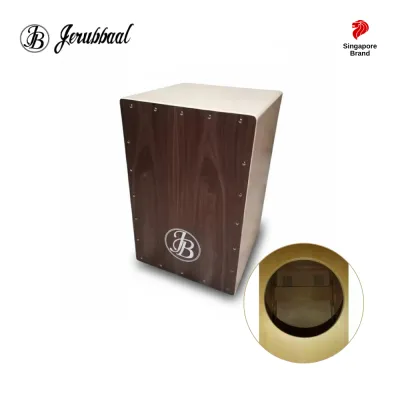
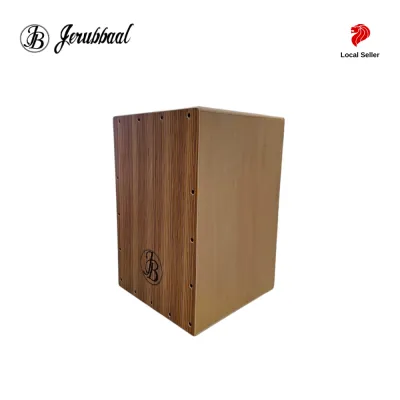
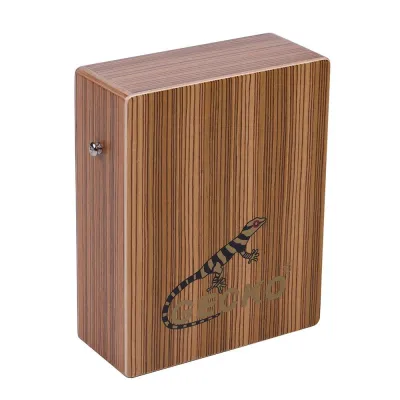
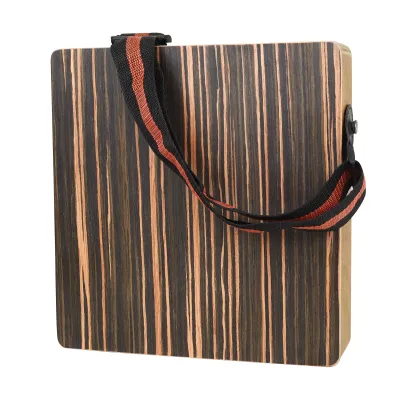
Prices are valid at publication and may change. Please refer to the product page for the latest price.
Furthermore, established brands offer excellent long-term support through the availability of replacement parts and accessories. Over time, components like snare wires can lose their tension, tuning screws can strip, and rubber feet can wear down or fall off. If you purchase a generic instrument, finding compatible replacement parts can be incredibly difficult, often forcing you to retire the instrument prematurely. Reputable brands design their instruments with standard, replaceable hardware and offer official replacement kits, ensuring that your investment can be easily maintained and repaired for years to come.
Essential Features to Check in a Beginner Cajon
To make an informed decision, you must understand the physical specifications and materials that contribute to a cajon’s sound, playability, and durability. The most critical component of any cajon is the tapa, or the front playing plate. The tapa is the thin sheet of wood that you strike, and its material and thickness dictate the instrument’s responsiveness. High-quality beginner cajons typically feature a tapa made of birch, beech, or exotic tonewood veneers, usually measuring between 2mm and 3mm in thickness. A thinner tapa is highly sensitive to light finger strikes, making it easier for beginners to produce a clear sound, whereas a thicker tapa requires more physical force but can offer a warmer, more robust tone.

The internal snare system is what gives the cajon its distinctive snare-drum-like sizzle when struck near the top edge. Beginners will generally encounter two primary types of snare systems: guitar-string snares and traditional drum snares. Guitar-string systems utilize one or more pairs of metal strings stretched vertically against the back of the tapa. These systems often produce a crisp, sensitive, flamenco-style sizzle and are frequently adjustable via an external hex key. Traditional drum snare systems use cut sections of standard metal snare wires mounted against the top of the tapa, delivering a punchy, modern, drum-kit-like sound with a very distinct separation between the bass and snare tones.
Beyond the playing surface and snare system, you must inspect the structural integrity of the cabinet itself. The main body of the cajon, which acts as the resonating chamber, is usually constructed from thicker plywood (such as birch or MDF) to support the player’s weight. Examine the internal joints and corners; they should be reinforced with solid wood corner blocks to prevent the cabinet from warping or cracking over time. The base of the cajon must be equipped with thick, heavy-duty rubber feet. These feet serve a dual purpose: they prevent the instrument from sliding across the floor while you play, and they acoustically isolate the cabinet from the ground, preventing the floor from absorbing and muddying your bass frequencies.
How to Build Your Shortlist of Cajon Brands
Building a shortlist requires a conditional framework based on your specific budget, learning goals, and local availability. In Singapore, entry-level cajons from reputable brands generally range from approximately S$100 to S$250. Within this price range, you should focus on brands that prioritize structural integrity over cosmetic flourishes. For instance, a basic, unpainted birch cajon from an established manufacturer will almost always sound and perform better than a highly decorated, painted model from an unknown brand at the same price point. Allocate your budget toward the quality of the wood and the reliability of the snare mechanism first.
Another important consideration is whether to purchase a standalone instrument or a beginner bundle. Many reputable brands offer starter packages that include essential accessories alongside the cajon. A high-quality gig bag is perhaps the most important accessory, as it protects the delicate tapa from scratches, impacts, and environmental moisture during transport. A padded seat cushion is also highly beneficial, as sitting on a hard wooden box for long practice sessions can quickly become uncomfortable. If a brand offers a bundle that includes these items for a slight premium, it is often much more cost-effective than purchasing them separately later.
Finally, you should cross-reference professional endorsements with actual user reviews to gauge long-term durability. While professional percussionists can make almost any instrument sound excellent in promotional videos, everyday users provide invaluable feedback regarding how the hardware holds up under real-world conditions. Look for reviews that specifically mention whether the tuning screws remain tight over time, if the tapa shows signs of bowing or cracking after several months of use, and how easy it is to adjust the snare system. This practical feedback will help you filter out models that look appealing on paper but fail to deliver long-term reliability.
Testing and Buying Your First Cajon in Singapore
While online research is incredibly helpful, nothing replaces the experience of physically testing a cajon before making your purchase. Visiting local music retailers in Singapore allows you to sit on different models and evaluate their ergonomics firsthand. Because cajons come in various heights and depths, you need to ensure that you can comfortably reach the playing surface without straining your back or shoulders. While testing, play a few simple bass strokes in the center of the tapa and slaps at the top corners. Listen closely to the bass resonance: it should sound deep and clean, without an excessive, muddy snare buzz. Conversely, the corner slaps should produce a sharp, crisp snare sound with minimal low-end ring.
When you are ready to buy, compare stock availability, bundle options, and pricing between physical showrooms and authorized online distributors. Physical showrooms offer the distinct advantage of letting you purchase the exact unit you tested, ensuring there are no unexpected cosmetic or structural variations. However, authorized online distributors sometimes offer wider inventory selections or exclusive online promotions. If you decide to purchase online, ensure that the seller is an authorized dealer for the brand to guarantee that you receive a genuine product rather than a counterfeit or grey-market import.
Before finalizing your purchase, always confirm the local distributor’s warranty terms and the store’s return policy. Acoustic instruments made of wood are highly sensitive to environmental factors, particularly Singapore’s high humidity and temperature fluctuations. Rapid changes in humidity can cause wood to expand, contract, or even split if the manufacturing joints are weak. A reliable local distributor should offer a warranty that covers manufacturing defects, joint separation, and hardware failures for at least six to twelve months. Understanding these terms beforehand provides peace of mind and protects your investment from unforeseen structural issues.
Frequently Asked Questions (FAQ)
Do I need a cajon with an adjustable snare system?
An adjustable snare system offers excellent sonic versatility, allowing you to fine-tune the amount of sizzle or completely disengage the snare wires for a clean, traditional drum sound. This flexibility is highly beneficial if you plan to play a wide variety of musical genres, such as flamenco, acoustic rock, or traditional folk music. However, adjustable systems require more maintenance and can sometimes develop unwanted rattles if the tension screws loosen during play. If you prefer a simple, plug-and-play experience with minimal maintenance, a fixed snare system is often the more reliable and cost-effective choice for a beginner.
Can I use a beginner cajon for live performances?
Yes, a beginner cajon can certainly be used for live performances, though you must be aware of its acoustic projection limits. Entry-level plywood bodies may not project loudly enough to compete with amplified instruments like electric guitars or acoustic drums in a live band setting. To perform live, you will typically need to amplify the instrument. This can be achieved by placing an external dynamic microphone (such as a standard instrument microphone) near the rear sound port to capture the bass, or by using a boundary microphone placed inside the cabinet. Alternatively, some beginner models come equipped with built-in piezo pickups and a standard quarter-inch output jack, allowing you to plug directly into a sound system or amplifier.
Community discussion
Share your experience or ask a question. Comments are reviewed before publication.