
Selecting the right Chinese dictionary is a critical decision for students navigating the bilingual education system in Singapore. From the early primary years of character recognition and weekly spelling tests (tingxie) to the demanding secondary school Chinese compositions (zuowen) and national examinations, a reliable dictionary serves as an indispensable academic companion. For younger learners, compact and visually engaging volumes like the Xinhua Zidian build foundational character recognition skills. As students transition to secondary school, they require more comprehensive references, such as the Xinbian Xuesheng Shiyong Cidian (新编学生实用词典), which provide the detailed vocabulary, precise collocations, and idiom explanations necessary for advanced language application and exam preparation.
Choosing the ideal dictionary involves balancing ease of use, educational depth, and alignment with school regulations. While digital alternatives offer speed, print dictionaries remain a cornerstone of classroom learning and are uniquely permitted in national examination halls. Understanding how to evaluate these reference books ensures that parents and students invest in tools that not only support daily homework but also foster long-term linguistic confidence and academic success.
Key Features to Look for in a Student Chinese Dictionary
Evaluating a Chinese dictionary for school use requires a clear understanding of Singapore’s educational landscape. The Ministry of Education (MOE) syllabus sets specific standards for character forms, phonetic systems, and vocabulary application. Choosing a dictionary that aligns with these parameters prevents confusion and ensures the student learns the exact forms required for school assessments.
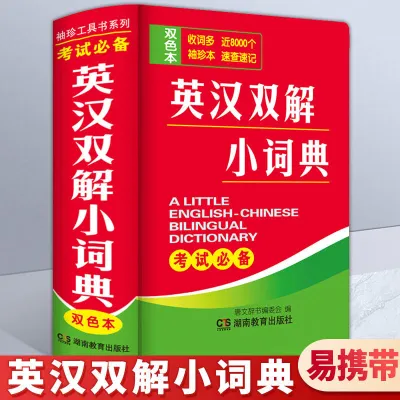
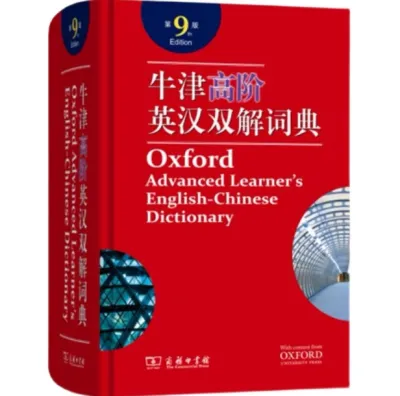
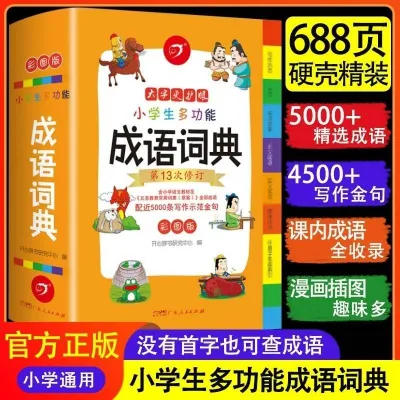
Products mentioned in this guide
Prices are valid at publication and may change. Please refer to the product page for the latest price.
Alignment with the MOE Syllabus
The primary consideration for any student dictionary in Singapore is its alignment with the official MOE syllabus. Singapore schools teach Simplified Chinese characters and use Hanyu Pinyin as the standard phonetic system. A suitable dictionary must prioritize these systems, presenting clear, standard character strokes and accurate Pinyin guides. Dictionaries that focus heavily on Traditional Chinese characters or alternative phonetic systems can confuse students and lead to spelling errors in schoolwork. Furthermore, the vocabulary selection should mirror the lexical range expected in local primary and secondary curricula, ensuring that students can easily find the words they encounter in their textbooks.
Efficient and Comprehensive Lookup Methods
A student must master multiple ways to search for characters to build strong dictionary skills. Dictionaries designed for school use should feature two primary lookup indexes: Hanyu Pinyin and Radicals. The Pinyin index is ideal when a student knows the pronunciation of a word but needs to verify its written form, meaning, or collocations. Conversely, the radical and stroke-count index is essential for identifying unfamiliar characters encountered during reading. Mastering both indexing methods is a core requirement of the school curriculum, and a well-organized index layout directly impacts how quickly a student can locate words during timed exercises.
Physical Design and Durability for Daily School Use
Because students carry their dictionaries to school daily, the physical construction of the book is highly practical. A dictionary must feature a durable binding—ideally a flexible but sturdy softcover or a reinforced hardcover—to withstand constant transit in heavy schoolbags. The paper quality should be eye-friendly, utilizing off-white or cream-colored paper rather than bright, bleached white sheets, which can cause significant eye strain during prolonged study sessions. Additionally, the font size must be large enough for young readers to clearly distinguish intricate character strokes, preventing mistakes in writing.
Supplementary Learning Tools and Contextual Aids
Beyond basic definitions, a high-quality student dictionary offers supplementary tools that active learning requires. Look for dictionaries that include step-by-step stroke order diagrams, which are crucial for primary students learning to write characters correctly. Valuable additions also include common collocations, antonyms, synonyms, and context-rich example sentences. These features help students move beyond passive understanding, enabling them to apply new vocabulary accurately in their composition writing and oral communication.
Recommended Chinese Dictionaries for Primary School
Primary school represents a critical phase where children transition from basic phonetic recognition to writing and contextualizing Chinese characters. Dictionaries for this stage must emphasize foundational clarity, visual engagement, and simple explanations that do not overwhelm young learners.

Addressing Foundational Needs in Primary Education
From Primary 1 to Primary 6, the focus of Chinese language learning is on building a robust vocabulary base and mastering character structures. Students at this level require dictionaries that break down characters into their fundamental components. Clear stroke order guides are vital, as they teach the correct sequence of writing, which directly influences character neatness and balance. Definitions must be written in simple, age-appropriate language, supported by relatable example sentences that mirror a primary student’s daily life and experiences.
Entry-Level Standards: The Xinhua Zidian
For early primary students, the Xinhua Zidian remains a globally recognized standard for single-character lookup. Its compact, pocket-sized design makes it exceptionally portable for young children. The dictionary focuses primarily on individual characters, providing precise Pinyin, radical classification, stroke counts, and concise definitions. While it may lack the extensive multi-character compound words found in larger volumes, its simplicity prevents cognitive overload, making it an excellent first reference book for students learning to navigate character structures independently.
Visual and Engaging Options for Younger Learners
To capture the interest of lower primary students, illustrated or color-coded dictionaries are highly effective. These specialized dictionaries utilize colorful layouts, illustrations, and thematic groupings (such as family, nature, or school) to help children associate characters with visual contexts. Color-coded indexing sections also make the physical process of flipping through pages more intuitive and less intimidating. By transforming dictionary lookup into a visual exploration, these books help build positive associations with Chinese language learning from an early age.
Parental Guidance and Home Support Strategies
Parents play a pivotal role in helping primary school students develop independent dictionary skills at home. Rather than simply providing the definition when a child encounters an unfamiliar word during homework or spelling preparation, parents should guide the child through the lookup process. Encourage the child to identify the radical of the character or recall its Pinyin, and then locate it together in the dictionary. This active practice builds muscle memory and confidence, ensuring the child can comfortably use the dictionary in school without parental assistance.
Recommended Chinese Dictionaries for Secondary School
The transition to secondary school brings a significant increase in the complexity of the Chinese language curriculum. Students encounter longer comprehension passages, classical Chinese elements, and a vast array of sophisticated idioms, requiring a transition to more advanced reference tools.
Meeting Advanced Curriculum Demands
Secondary school Chinese curricula, including Express, Higher Chinese, and Normal Academic tracks, demand a deep understanding of word nuances and formal register. Students are expected to write analytical essays, participate in structured oral discussions, and comprehend nuanced literary texts. Consequently, secondary school dictionaries must offer comprehensive definitions, distinguish between subtle differences in synonyms, and provide historical context or explanations for classical terms and idioms.
The Practical Secondary School Choice: 新编学生实用词典
For secondary students in Singapore, the Xinbian Xuesheng Shiyong Cidian (新编学生实用词典) is a highly practical and widely utilized reference. This dictionary is specifically compiled with the linguistic needs of students in mind, offering a balanced selection of vocabulary that aligns closely with secondary school exam requirements. It excels in providing clear, accessible explanations of modern Chinese vocabulary alongside practical usage notes. The inclusion of common exam-related words, clear distinctions for polyphonic characters, and precise collocation guides make the Xinbian Xuesheng Shiyong Cidian (新编学生实用词典) an indispensable tool for students aiming to refine their essay writing and avoid common grammatical errors.
The Comprehensive Standard: Xiandai Hanyu Cidian
For students pursuing Higher Chinese or Chinese Literature, upgrading to the Xiandai Hanyu Cidian is highly recommended. As a definitive, authoritative standard for the Chinese language, this comprehensive dictionary offers unparalleled lexical depth. It contains an extensive database of words, phrases, idioms, and classical terms, complete with detailed etymologies and formal grammatical classifications. While its larger size and exhaustive definitions can be intimidating for younger students, it provides the academic rigor necessary for upper secondary and pre-university students who require precise lexical precision.
Leveraging Dictionaries for Exam Preparation
To maximize the utility of a comprehensive dictionary during secondary school, students should integrate it into their regular exam preparation. When practicing composition writing at home, students should use their dictionary to verify the exact meaning and collocation of sophisticated words before committing them to paper. This practice helps prevent the misuse of idioms and ensures that the vocabulary used is contextually appropriate. Additionally, studying the example sentences in the dictionary can inspire better sentence structures and expressions for both written compositions and oral examinations.
Print Dictionaries vs. Dictionary Apps: Making the Right Choice
In an increasingly digital world, students and parents often debate whether to rely on traditional print dictionaries or transition entirely to digital dictionary applications. Both mediums offer distinct advantages, and understanding their practical implications is essential for making an informed choice.
Navigating Exam Hall Regulations
The most critical factor distinguishing print dictionaries from digital apps in Singapore is exam compliance. The Singapore Examinations and Assessment Board (SEAB) enforces strict guidelines regarding the materials permitted in national examinations like the PSLE and GCE O-Levels. While specific models of approved electronic dictionaries are allowed, mobile phones, tablets, and general digital applications are strictly prohibited in exam halls. Relying solely on digital apps during daily study can leave students unprepared for the physical lookup process required during exams. Therefore, possessing and being highly familiar with an approved print dictionary is a necessity for exam-bound students.
Learning Retention and the Cognitive Benefits of Print
Flipping through a physical print dictionary offers significant cognitive benefits that digital search engines cannot replicate. The process of searching for a character using radicals and stroke counts requires active cognitive engagement and spatial awareness. This hands-on interaction builds stronger muscle memory and reinforces character structure recognition. Additionally, as students scan a page for a specific word, they are naturally exposed to adjacent words, expanding their vocabulary incidentally. This deliberate pace of learning often leads to better long-term retention compared to the instantaneous, passive retrieval of information on digital screens.
Minimizing Screen Fatigue and Distractions
Print dictionaries provide a focused, distraction-free learning environment. When students use smartphones or tablets to look up words, they are constantly exposed to notifications, social media alerts, and the temptation to multitask, which can disrupt their study flow. Furthermore, prolonged screen time contributes to digital eye strain and fatigue, especially during intense study periods. A physical dictionary eliminates these digital distractions, allowing students to maintain deep focus on their reading and writing tasks.
Implementing a Practical Hybrid Approach
Rather than choosing exclusively between print and digital, a hybrid approach often yields the best results for modern language learners. Students can use digital dictionary apps at home for rapid searches, audio pronunciation guides, and interactive stroke-order animations. This allows for quick clarification during casual reading. However, for formal homework, composition practice, and exam preparation, students should transition to their print dictionaries. This hybrid strategy ensures that students benefit from the convenience of technology while maintaining the essential physical lookup skills and focus required for academic success.
Frequently Asked Questions (FAQ)
Are physical dictionaries allowed in Singapore MOE Chinese exams?
Yes, physical print dictionaries are generally allowed in specific Singapore Ministry of Education (MOE) and SEAB Chinese language examinations, particularly for paper one (composition writing). However, they must be on the official list of approved dictionaries published by SEAB. It is critical that these dictionaries contain no personal annotations, handwritten notes, folded pages, or loose sheets of paper, as invigilators inspect all reference materials thoroughly before the exam begins. Parents and students should always check the latest SEAB guidelines or consult their school teachers to verify if a specific dictionary edition is currently approved for exam use.
What is the fastest way to teach a child to look up Chinese characters?
The most efficient way to teach a child to look up characters is to introduce a two-step strategy based on their familiarity with the word. If the child knows how the character is pronounced, the Hanyu Pinyin lookup method is the fastest and most direct route. Parents should teach children how to navigate alphabetical indexes quickly. If the character is completely unfamiliar, the radical and stroke-count method must be used. To make this process faster, help the child practice identifying common radicals (such as water, speech, or person radicals) and counting the remaining strokes accurately. Regular, timed mini-games at home can turn index navigation into a fun, low-pressure activity that builds speed and confidence for exams.

Community discussion
Share your experience or ask a question. Comments are reviewed before publication.