
When preparing for the Primary School Leaving Examination (PSLE) in Singapore, the listening comprehension component is a critical area where students can secure vital marks. Securing these marks requires targeted practice with specialized audio materials. For parents searching for the best “chinese sound books” to support their child’s revision, it is essential to understand what these resources are, how they align with the official curriculum, and how to select the most effective formats to improve auditory processing and test-taking confidence.
In the context of primary school education, Chinese sound books are not the push-button toy books designed for toddlers. Instead, they are comprehensive listening comprehension assessment workbooks integrated with high-quality audio recordings. These books provide realistic exam simulations, thematic vocabulary drills, and targeted exercises that mirror the official Singapore Ministry of Education (MOE) syllabus. Selecting the right book involves evaluating the audio delivery format, the alignment of the questions with current exam standards, and the inclusion of scaffolding tools like vocabulary lists and complete transcripts.
By focusing on structured practice that matches the speed, vocabulary, and question types of the national exam, students can transition from passive listening to active comprehension. This guide outlines the essential criteria for selecting these educational resources, compares the available formats, and provides actionable strategies to maximize their value during study sessions.
Products mentioned in this guide
![[Bu Dudu]Chinese Learning Sound Books Chinese Characters Pin Yin Learning Book for Kids Children Preschool Primary 华语点读书](https://img.lazcdn.com/g/p/3c41a6f1cb556c498c296deff65b47f2.jpg_400x400q80.jpg_.webp)
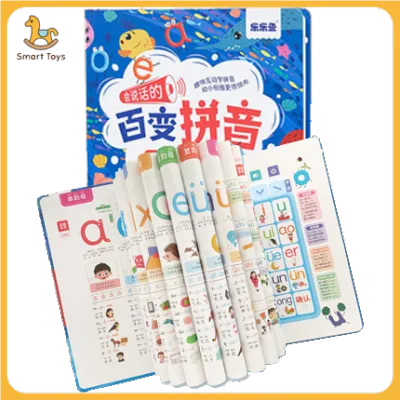
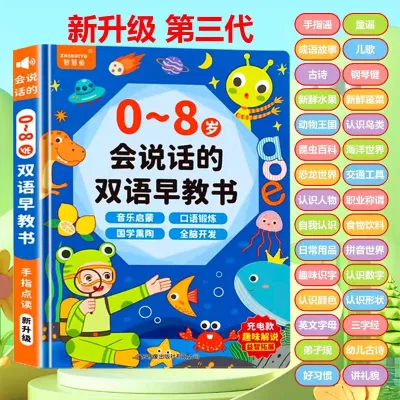
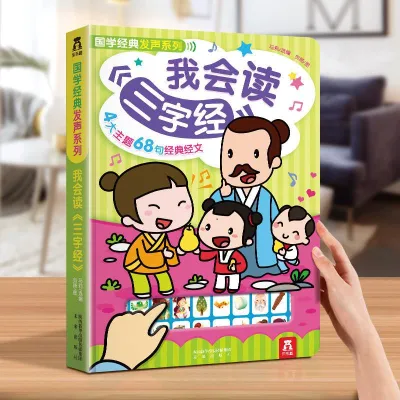
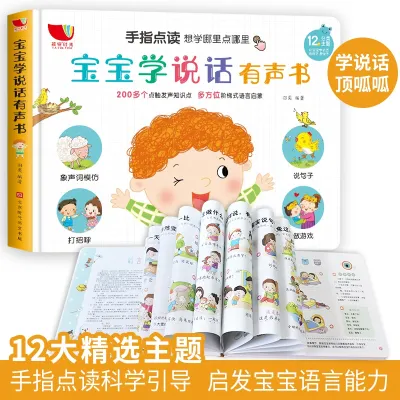
Prices are valid at publication and may change. Please refer to the product page for the latest price.
What to Look for in PSLE Chinese Listening Practice Books
To find the most effective Chinese listening comprehension books, you must look beyond general language resources and focus on materials designed specifically for the Singapore educational context. The PSLE Chinese Listening Comprehension paper comprises ten multiple-choice questions that assess a student’s ability to understand spoken Mandarin in various contexts, including dialogues, announcements, advertisements, and short stories. The workbook you select must reflect this structure to provide meaningful preparation.
First, verify that the book strictly aligns with the latest MOE primary Chinese syllabus. The vocabulary tested in the listening paper is drawn from the characters and phrases prescribed in the standard curriculum for Primary 3 through Primary 6. A well-designed practice book will explicitly state its alignment with the syllabus, ensuring that your child is not overwhelmed by obscure classical terms or, conversely, under-prepared due to overly simplified vocabulary. Look for books that introduce words from the “Higher Chinese” or standard “Chinese Language” character lists in a graded manner.
Second, examine the authentic question formats featured in the workbook. The actual exam does not merely test literal recall; it requires students to make inferences, identify the speaker’s underlying intent, and synthesize information from multiple parts of the audio track. The practice questions should include common PSLE-style formats such as identifying matching pictures, selecting the correct sequence of events, and choosing the best explanation for a character’s actions or feelings. Avoid books that only offer simple true-or-false questions, as these do not prepare students for the nuanced distractors found in the national exam.
Finally, prioritize books published by established local educational publishers in Singapore. Publishers with a long history of producing local assessment books are more likely to have a precise understanding of the exam’s difficulty level, pacing, and standard formatting. Always check the publication or latest reprint year printed on the copyright page. Because exam formats and syllabus requirements can shift over time, using a book published within the last few years ensures that the practice tests remain highly relevant to the current paper format.
Recommended Types of Chinese Audio Books for PSLE Prep
Different stages of exam preparation require different types of practice materials. While some students benefit from full-length mock exams that build stamina, others need targeted topical drills to address specific vocabulary gaps. Understanding the distinct categories of Chinese audio assessment books allows you to tailor your purchase to your child’s current learning needs.

Full-Length Exam Simulation Books
Full-length exam simulation books are designed to replicate the exact experience of sitting for the PSLE Chinese Listening Comprehension paper. These workbooks typically contain eight to ten complete mock papers, each featuring the standard distribution of question types and a continuous audio track that runs without interruption.
These books are highly recommended for Primary 5 and Primary 6 students who are entering the final phases of exam preparation. The primary goal of simulation books is to build exam endurance and teach students how to manage their attention over a sustained period. In the actual examination room, students cannot pause or rewind the audio if they miss a word; they must learn to maintain focus and move on to the next question.
When evaluating simulation books, check whether the accompanying audio tracks include the natural pauses, instruction read-outs, and background ambient sounds typical of the national exam. Realistic audio spacing helps students practice reading the questions during the silent intervals before each passage begins, which is a crucial test-taking strategy.
Thematic and Skill-Building Audio Drills
Unlike full-length papers, thematic and skill-building audio drills break down the listening syllabus into smaller, manageable units. These books group exercises by common conversational themes—such as school life, public transport etiquette, environmental conservation, healthy living, and community activities—or by specific cognitive skills, such as identifying numerical data or inferring emotions.
This format is ideal for Primary 3 to Primary 5 students who are still building their foundational vocabulary, as well as Primary 6 students who struggle with specific topics. By focusing on one theme at a time, students can learn the specialized nouns, idioms, and verbs associated with that subject before attempting to answer questions.
These workbooks frequently include helpful support features that are absent from pure exam simulators. Look for editions that provide bilingual vocabulary glossaries, lists of common synonyms and antonyms, and short preparatory exercises that introduce key terms before the main listening passage is played.
Digital-Integrated and App-Based Listening Workbooks
In recent years, the educational publishing industry has shifted away from physical media like CD-ROMs toward digital integration. Modern Chinese listening books utilize QR codes printed directly on the page, proprietary mobile applications, or secure online portals to deliver audio content instantly to smartphones, tablets, or computers.
These digital-integrated workbooks offer unparalleled convenience. Students can practice anywhere without needing a dedicated CD player, and parents do not have to worry about scratched or lost physical discs. Digital players also make it easy to select specific tracks, navigate to precise timestamps, and adjust playback speeds during early learning phases.
However, before purchasing a digital-integrated book, it is vital to complete a pre-purchase compatibility checklist:
- Verify Device Compatibility: Check if the publisher’s app is available and fully functional on your specific device's operating system (iOS or Android).
- Review Access Requirements: Determine if accessing the audio requires creating a user account, registering a serial number, or paying an additional subscription fee beyond the price of the physical book.
- Check Expiration Dates: Some publishers limit digital access to a specific period (such as one or two years from the date of activation or publication), which can affect the book's usability for younger siblings or its resale value.
Comparing Audio Formats and Accessibility
Choosing between traditional physical media and modern digital streaming involves weighing convenience against reliability and study environment preferences. Parents should evaluate how and where their child will study to select the format that minimizes technical friction and maximizes focus.
| Feature | Physical Media (CDs / USB Drives) | Digital Formats (QR Codes / Apps / MP3s) |
|---|---|---|
| Primary Hardware | Dedicated CD player, external optical drive, or computer with USB-A port | Smartphone, tablet, laptop, or internet-connected smart speaker |
| Internet Requirement | None; completely offline | Required for streaming or initial file download |
| Study Environment | Screen-free; minimizes digital distractions and notifications | High risk of screen-related distractions and multitasking |
| Portability | Bulky; requires carrying playback hardware and media | Highly portable; accessible on any mobile device |
| Navigation Control | Manual track skipping; difficult to rewind to exact seconds | Precise slider controls; easy looping of specific sentences |
| Longevity | Permanent ownership; media can degrade or scratch over time | Dependent on publisher server stability and active app support |
For families who prefer a strict, screen-free study environment to help their child concentrate, books paired with physical CDs remain an excellent choice. Using a dedicated CD player eliminates the risk of digital distractions, such as instant messages or video recommendations, which frequently interrupt students using mobile devices.
Conversely, digital formats are superior for busy schedules, commuting practice, and targeted review sessions. If you choose a digital-integrated book, ensure that the printed QR codes are crisp and clear, and verify that the hosting platform is stable and easily accessible within Singapore. Some international editions may host their audio files on servers that experience lag or require regional accounts, which can disrupt the learning flow.
How to Use Chinese Sound Books Effectively for PSLE
Simply playing the audio and marking the answers is rarely enough to produce a significant improvement in a student’s listening comprehension score. To get the maximum value out of your Chinese sound books, establish a structured, multi-step practice routine that emphasizes active learning and error analysis.
First, implement a disciplined three-phase practice session:
- Phase 1: Pre-Listening Review: Before pressing play, give your child two minutes to read the questions and options printed in the workbook. Teach them to underline key keywords, identify what the question is asking (e.g., "who," "why," "where," or "how"), and predict the context of the audio passage.
- Phase 2: Strict Exam Conditions: Play the audio track from start to finish without pausing, rewinding, or repeating any sections. Your child must answer the questions based solely on this single, continuous run, mimicking the pressure of the actual PSLE examination room.
- Phase 3: Post-Listening Correction: Have your child mark their answers using a different colored pen. If they made mistakes, do not immediately give them the correct answer. Instead, play the specific audio segment again and challenge them to identify where they went wrong.
Second, make extensive use of the printed audio transcripts, which are usually located in the answer key section at the back of the book. Once the exercise is completed, have your child read the transcript aloud while listening to the audio track simultaneously. This technique is highly effective for bridging the gap between spoken and written Chinese. It helps students connect the pronunciation (Hanyu Pinyin) of unfamiliar words with their actual Chinese characters, reinforcing both listening and reading comprehension skills.
Finally, maintain a dedicated listening error log. Have your child record every incorrect answer, noting the specific reason for the mistake. Common errors include misinterpreting numerical data (such as dates, times, or prices), failing to recognize negative words like “不” (not) or “没有” (do not have), and falling for distractor options that repeat words from the passage out of context. Reviewing this log weekly allows students to recognize their personal patterns of misunderstanding and actively guard against them during the actual exam.
Frequently Asked Questions (FAQ)
Are Chinese sound books enough to pass the PSLE listening paper?
While exam-style practice books are essential for mastering the test format, learning time-management strategies, and identifying common traps, they should not be the sole component of your child’s preparation. Developing strong listening comprehension requires a foundation of natural language processing speed and a broad vocabulary. Parents should supplement workbook practice with daily, organic exposure to spoken Chinese, such as listening to Mandarin news broadcasts, watching educational documentaries, and engaging in regular family conversations in Chinese.
How often should my child practice with these audio books?
Consistency is far more effective than infrequent, long-duration study sessions. It is recommended to schedule short, focused practice sessions of 15 to 20 minutes, two to three times a week, rather than a single two-hour marathon session. Regular, brief exposure keeps the student’s auditory senses sharp, prevents mental fatigue, and aligns closely with the actual duration of the PSLE listening paper, which typically lasts around 30 minutes.
What should I do if the audio tracks in the book are too fast?
If your child struggles to keep up with the native speaking speed of the audio tracks, use a digital media player or a companion app that features speed adjustment controls. Slow the playback down to 0.75x or 0.85x speed for the first few sessions to allow your child to process the pronunciation and sentence structures clearly. As their comprehension and confidence improve, gradually increase the speed back to the standard 1.0x pace to ensure they are fully prepared for the actual exam speed.
Community discussion
Share your experience or ask a question. Comments are reviewed before publication.