
Selecting your first set of cymbals is one of the most critical decisions you will make when setting up an acoustic drum kit. While stock cymbals that come packaged with budget drum kits are often thin, tinny, and easily damaged, investing in a reliable set of starter cymbals significantly improves your playing experience. The right cymbals motivate you to practice more because they respond dynamically to your touch and produce a musical tone rather than a harsh, metallic clang. For beginners, navigating the vast market of musical instruments can be overwhelming, but focusing on established, reputable brands ensures you get a durable product that holds its value.
The best cymbal brands for beginner drummers are Zildjian, Sabian, Paiste, and Meinl. Each of these major manufacturers offers dedicated entry-level series designed specifically to balance affordability, durability, and tone. By understanding the differences in materials, manufacturing techniques, and configurations, you can confidently choose a setup that fits your budget and supports your musical growth.
What to Look for in Beginner Cymbals: Material, Size, and Durability
When evaluating entry-level cymbals, the most critical factor to consider is the alloy composition, as this directly dictates the price, tone, and durability of the instrument. The vast majority of beginner cymbals are made from either brass or bronze alloys. Brass cymbals, typically composed of copper and zinc, are the most affordable options on the market. While they are highly durable and resistant to cracking under heavy hitting, they produce a relatively flat, harsh, and tinny sound with very little sustain.
Products mentioned in this guide
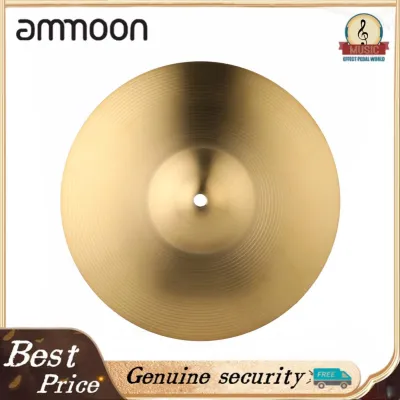
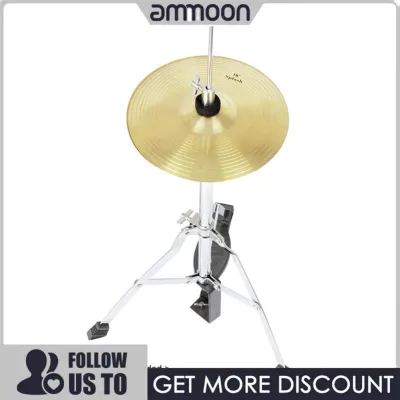
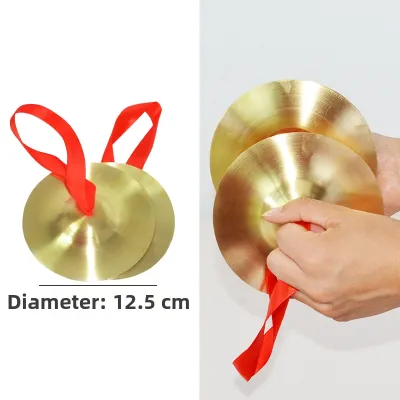
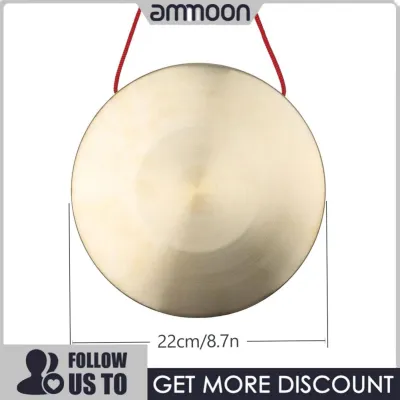
Prices are valid at publication and may change. Please refer to the product page for the latest price.
Bronze cymbals are made from a mixture of copper and tin, which produces a far more musical and resonant tone. The two most common bronze alloys used in entry-level and intermediate cymbals are B8 (containing 8% tin and 92% copper) and B20 (containing 20% tin and 80% copper). B8 bronze is the industry standard for high-quality beginner lines because it is bright, focused, and highly durable. B20 bronze is the professional standard, offering rich, warm, and complex overtones, but it is significantly more expensive and requires more refined striking techniques to avoid damage.
Weight and thickness are also vital considerations for a developing drummer. Medium-thin to medium-weight cymbals are generally the most forgiving and easiest to play. Heavy, thick cymbals require a lot of physical force and high-velocity strikes to “open up” and produce their full sound, which can lead to hand fatigue or cracked cymbals if your technique is still developing. Thinner cymbals respond quickly to lighter strikes, allowing you to practice dynamic control and softer playing styles without losing tone.
Sound forgiveness is another key attribute of a great beginner cymbal. When you are first learning to play, your striking technique and dynamic control will naturally be inconsistent. A good entry-level cymbal should have a balanced frequency response that does not sound overly harsh, piercing, or “trashy” when hit with imperfect technique. It should offer a smooth decay and a pleasant, predictable wash of sound that blends well with the rest of your drum kit.
Before making a purchase, it is highly recommended to check the manufacturer’s official specifications for the exact alloy composition. Avoid relying solely on vague marketing terms like “pro sound” or “studio quality,” which can sometimes be used to describe low-grade brass cymbals. Knowing whether a cymbal is made of MS63 brass, B8 bronze, or B20 bronze gives you an objective measure of its value and performance potential.
Best Cymbal Brands for Beginners: Top Entry-Level Series
Zildjian: Planet Z and I Series
Zildjian is one of the oldest and most respected names in percussion, and they offer excellent entry-level options that cater to different budget tiers. The Planet Z series represents their ultra-budget starting point. Made from a durable brass alloy, Planet Z cymbals are designed to withstand the heavy-handed playing style of absolute beginners while providing a clear, cutting sound. They are highly affordable, making them an excellent choice for players who are still deciding if they want to commit to the drums long-term.

For beginners who want a more musical and expressive tone, the Zildjian I Series is a substantial step-up option. Replacing the older ZBT series, the I Series is crafted from B8 bronze and features modern hammering and lathing patterns. This series is characterized by its bright, high-pitched, and cutting sound profile. The bright tone is highly effective for rock, pop, and modern music styles, as it allows the cymbals to easily cut through the volume of electric guitars and bass.
However, it is important to note the physical limitations of these budget lines. The brass Planet Z models have a narrower dynamic range and can sound somewhat one-dimensional compared to professional cast bronze lines. The I Series, while highly musical for its price, can still sound slightly harsh if crashed too aggressively with poor technique.
When shopping for Zildjian cymbals, always verify local stock and exact model availability at authorized music retailers. This ensures you receive a genuine product backed by a manufacturer warranty, which is particularly useful for protecting your investment as you develop your striking technique.
Sabian: SBR and B8 Bronze
Sabian is another major manufacturer of the cymbal industry, known for its innovative manufacturing techniques and consistent quality control. Their primary brass offering is the SBR series. Unlike many cheap brass cymbals that sound raw and clanging, Sabian SBR cymbals are hand-guided, hammered, and lathed. This extra step in the manufacturing process gives them a slightly warmer, more controlled, and focused sound out of the box, making them highly pleasant for home practice.
For beginners ready to invest in an authentic bronze sound, Sabian’s B8X series (often referred to simply as their B8 Bronze line) is a highly popular choice. Made from B8 bronze, this series is highly durable and offers a bright, tight, and focused sound profile. The B8X series is highly versatile, making it suitable for a wide range of musical genres from jazz and blues to heavy rock and metal.
The primary benefit of Sabian’s entry-level bronze cymbals is their balanced tone. They tend to offer a slightly warmer and more controlled wash compared to some of the ultra-bright, piercing tones found in competitor lines. This makes them highly forgiving for students practicing in small rooms or apartments where harsh high frequencies can quickly cause ear fatigue.
Before purchasing, always check the product label and specifications for the exact alloy content. Sabian offers several intermediate lines, and ensuring you are purchasing the correct B8X or SBR set will help you align your purchase with your specific budget and tonal preferences.
Paiste: PST 3 and PST 5
Paiste is a Swiss manufacturer renowned for its strict quality control and consistency. Their beginner tiers are organized under the PST (Paiste Sound Technology) banner, with the PST 3 and PST 5 series being the most popular options for new players. The PST 3 series is made from a high-grade copper-based brass alloy (MS63). Thanks to Paiste’s precise Swiss design, these brass cymbals sound remarkably musical, clean, and bright, defying the typical limitations of brass.
The PST 5 series is Paiste’s entry-level B8 bronze line, and it is widely regarded as one of the best-sounding budget bronze series on the market. Crafted from CuSn8 Bronze, the PST 5 cymbals provide a bright, clean, and highly focused stick definition. This clarity is highly helpful for beginners practicing rudiments, timekeeping, and independent limb patterns, as every single strike is clearly articulated without being drowned out by muddy overtones.
PST cymbals are highly praised for their overall musicality and lack of harsh, irritating overtones. They offer a very smooth, predictable response that helps a developing drummer hear their own dynamic nuances. This makes the PST 5 series an excellent long-term investment that can easily transition from the practice room to school band performances or local garage gigs.
Because Paiste occasionally updates their product lines, it is wise to confirm the specific PST generation or version with your retailer. Packaging, logos, and minor structural specifications can update over time, so verifying the exact version ensures you get the exact sound profile and durability you expect.
Meinl: HCS and MCS
Meinl is a German brand that has gained significant popularity among modern drummers due to its contemporary aesthetics and unique tonal profiles. Their HCS (High-tech Brass) series is one of the most comprehensive beginner lines in the world. While most brands only offer basic hi-hats, crashes, and rides in their brass lines, Meinl’s HCS series includes a wide variety of specialty effect cymbals, such as trash crashes, china cymbals, splashes, and bell effects, allowing beginners to build a highly customized setup on a tight budget.
For a more refined sound, Meinl offers the HCS Bronze and the MCS (Medium/B8 Bronze) series. These cymbals utilize modern hammering and lathing techniques to deliver a slightly darker, warmer, and more complex tone compared to the bright, cutting profiles of their competitors. This unique sound profile makes Meinl cymbals highly attractive to drummers playing alternative rock, metal, hip-hop, and modern church music.
In addition to their unique sound, Meinl’s entry-level cymbals are highly praised for their modern visual appeal and clean finishes. The distinct lathing lines and bold logos look highly professional on any drum kit, which can provide an extra boost of confidence for a young or modern-genre drummer performing in front of an audience.
However, because Meinl uses unique modern finishes and coatings on some of their cymbals, it is crucial to read and follow the manufacturer’s care instructions. Using harsh household chemicals or abrasive cleaners can easily strip these specialized finishes or damage the delicate lathing, leading to a permanent loss of tone and visual appeal.
Cymbal Packs vs. Individual Cymbals: Which Should You Buy?
One of the most common dilemmas beginner drummers face is deciding whether to buy a pre-packaged cymbal set (often called a cymbal pack) or purchase individual cymbals one by one. Understanding the financial and practical trade-offs of each route will help you make the best decision for your current gear and budget.
Cymbal packs are highly popular for several reasons. First and foremost, they are highly cost-effective. Purchasing a pre-packaged set of hi-hats, a crash, and a ride typically saves you between 20% and 30% compared to buying those same cymbals individually. In Singapore, where quality drum gear can be a significant investment, these savings can be substantial, often ranging from S$100 to over S$300. Additionally, manufacturers hand-select the cymbals in these packs to ensure they have matched sonic profiles, meaning the pitches and tones of the different cymbals blend beautifully together without clashing.
However, cymbal packs do have some limitations. They offer less flexibility in sizing and configuration. For example, if a pack comes with a 16-inch crash but you prefer the deeper, fuller sound of an 18-inch crash, you generally cannot swap them out. Furthermore, as your skills improve, you may find yourself wanting to upgrade individual pieces of your kit sooner, which can make the initial savings of the pack feel less significant over time.
The individual buying route offers complete customization. It allows you to choose exact sizes, mix and match different brands (such as pairing a Sabian ride with Zildjian hi-hats), and spread out your financial investment over several months. This path is ideal if you already own a basic set of cymbals and want to upgrade them gradually, or if you need to replace a single broken piece. The downside is that buying individually requires significantly more research and a much higher overall budget.
To make the right choice, use a simple decision framework. If you are an absolute beginner setting up your very first acoustic drum kit, buy a complete cymbal pack. It provides the best value, guarantees a cohesive sound, and gets you playing immediately. If you are an intermediate player upgrading from cheap stock brass cymbals, or if you have a highly specific musical style in mind, investing in individual, high-quality bronze cymbals is the better long-term path.
The Essential Beginner Cymbal Setup: Sizes and Types You Need
When starting out, it is easy to get distracted by the wide variety of cymbals visible on professional drum kits. However, overspending on unnecessary effects cymbals early on can actually hinder your progress. A standard, minimal three-piece starter setup is all you need to build a rock-solid foundation. This setup consists of a pair of 14-inch hi-hats, a 16-inch crash cymbal, and a 20-inch ride cymbal.
Each of these cymbals plays a specific, fundamental role in drumming patterns. The 14-inch hi-hats are the anchor of your timekeeping. Placed to the left of the snare drum, they consist of two cymbals mounted on a pedal-operated stand. The 14-inch size is the industry standard because it provides the perfect balance of crisp foot control, tight stick articulation when closed, and a controlled sloshy sound when played semi-open.
The 16-inch crash cymbal is used to mark transitions, accent key beats, and add excitement to your fills. A 16-inch size is highly recommended for beginners because it offers a fast, bright response that decays quickly, allowing you to make a bold musical statement without overwhelming the rest of the kit. It also requires less striking force to activate than larger crashes, which helps protect your hands and wrists as you learn proper striking angles.
The 20-inch ride cymbal is used for playing continuous, steady patterns, particularly during choruses or jazz swing sequences. Placed to the right of the kit, a 20-inch ride provides a solid, clear “ping” sound and a distinct, raised center area called the bell. The bell is used for playing syncopated, cutting accents. Starting with a 20-inch ride helps you develop precise stick control and learn how to extract different tones from different areas of the same cymbal.
Advise against buying overly large or highly specialized cymbals, such as 22-inch rides, 18-inch china cymbals, or tiny splash cymbals, until you have fully developed your basic dynamic control. These specialized cymbals require advanced striking techniques to sound musical and can easily crack if hit incorrectly. Keeping your setup simple forces you to focus on clean sticking, consistent timing, and dynamic balance across the kit.
Frequently Asked Questions (FAQ)
Can I use brass cymbals instead of bronze for learning?
Yes, brass cymbals are perfectly acceptable for absolute beginners who are on a strict budget. They are highly durable, resistant to cracking, and represent the most affordable entry point into drumming. However, you must be prepared for the sonic trade-offs. Brass cymbals produce a flatter, harsher, and less complex tone with very short sustain compared to bronze. If you show a long-term commitment to the instrument, upgrading to B8 or B20 bronze cymbals will provide a far more musical, dynamic, and rewarding playing experience that will support your advanced learning.
Do I need to buy cymbal stands and felts separately?
Yes, cymbals are almost always sold as standalone metal discs without any mounting hardware. You will need to purchase boom or straight cymbal stands separately to integrate them into your drum kit. While basic felt washers, plastic sleeves, and wingnuts are usually included with the purchase of a new stand, it is highly recommended to inspect and upgrade them if necessary. High-quality felt washers and durable nylon sleeves are essential for protecting the cymbal’s delicate center hole from direct metal-on-metal contact with the stand, which can cause a destructive structural defect known as keyholing.
How do I clean and maintain my new cymbals?
To preserve the finish and sound quality of your new cymbals, establish a regular maintenance routine. After every practice session, gently wipe the surfaces with a soft, dry microfiber cloth to remove sweat, hand oils, and dust. This is especially important in humid climates like Singapore, where moisture can rapidly accelerate oxidation and tarnish the metal. For deeper cleaning, use only manufacturer-approved cymbal cleaners, and strictly avoid harsh household chemicals, abrasive scrubs, or metal polishes, which can strip away protective coatings and logos. Finally, ensure your cymbals are angled slightly toward you on the stands and not over-tightened, allowing them to swing freely when struck to prevent edge cracks.
Community discussion
Share your experience or ask a question. Comments are reviewed before publication.