
Selecting a digital drum kit for a Singapore apartment requires balancing your musical aspirations with the physical realities of high-density living. In a typical high-rise home, space is at a premium, and shared walls mean that acoustic control is just as important as the instrument’s features. A suitable digital drum setup must offer a compact footprint, responsive pads that minimize physical noise, and a module that supports silent headphone practice. By focusing on structural vibration control and space-saving hardware, you can enjoy a realistic drumming experience without disrupting your household or your neighbors.
Understanding the Acoustic and Spatial Constraints of Apartment Living
Living in a high-rise apartment, such as a typical Housing & Development Board (HDB) flat or a condominium unit in Singapore, presents unique acoustic challenges for aspiring drummers. While a digital drum kit allows you to plug in headphones to silence the actual drum tones, it does not make the instrument completely silent. The physical act of striking the pads creates two distinct types of noise: airborne sound and impact noise. Airborne sound is the physical “tap-tap” of sticks hitting rubber or mesh, which is generally easy to contain within a closed room.
Impact noise, however, poses a much greater challenge in concrete residential buildings. Every strike on the bass drum pedal or hi-hat controller sends low-frequency kinetic energy directly into the floor. These vibrations travel through the concrete slab and down the structural pillars, manifesting as a dull, repetitive thumping sound in the apartment below you.
Products mentioned in this guide
![Yamaha DTX6K2X Electronic Drums DTX6K2-X DTX 6K2 X Digital Drum DTX 6K2X DTX6 The Music Works [PREORDER]](https://img.lazcdn.com/g/p/dbb03d29e0c686e3e39376ae0c45e5e3.jpg_400x400q80.jpg_.webp)
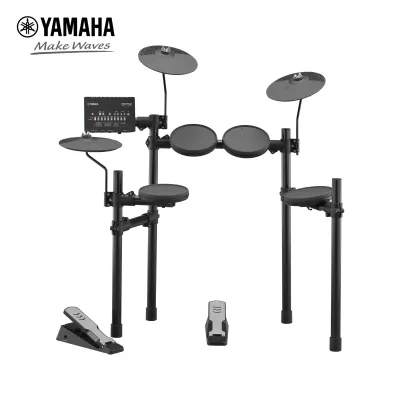
![Yamaha DTX452K Electronic Drums Digital Drum Set DTX-452K DTX 452 K DTX 452K DTX452 [PREORDER]](https://img.lazcdn.com/g/p/af5553ead0032cf1aa86c61dfabcbc22.jpg_400x400q80.jpg_.webp)
![Alesis Nitro Pro 8-Piece Electronic Drums Kit for Beginners to Advanced Players with Bluetooth [LIMITED STOCK]](https://img.lazcdn.com/g/p/fba2c7c3ade9763f9c88e42370eb61a5.png_400x400q80.png_.webp)
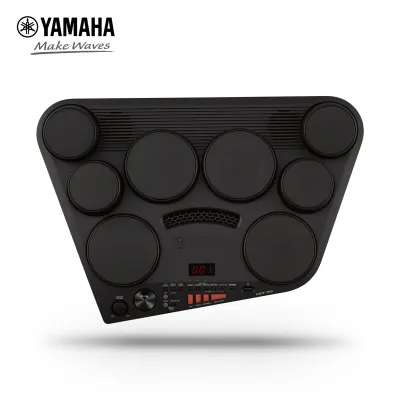

Prices are valid at publication and may change. Please refer to the product page for the latest price.
Additionally, spatial limitations require careful planning. A standard bedroom or study room must accommodate not only the drum rack but also the drum throne, music stand, and space for the player to move comfortably. Measuring your available floor area before purchasing is essential, as even a compact kit typically requires a dedicated space of at least 1.2 meters by 1.2 meters to allow for proper playing ergonomics.
Key Features for a Quiet and Beginner-Friendly Digital Drum Kit
When evaluating a digital drum kit for home practice, the material of the drum heads is the most critical factor influencing both noise levels and playing feel. Traditional entry-level kits often use solid rubber pads. While durable and cost-effective, rubber pads produce a loud, sharp acoustic click when struck and offer a stiff rebound that can fatigue your wrists over long practice sessions. In contrast, mesh heads consist of woven material stretched over the drum pad. Mesh heads are significantly quieter, absorbing the impact of the stick and reducing airborne noise to a whisper. They also allow you to adjust the tension with a standard drum key, providing a realistic rebound that closely mimics an acoustic drum skin.

For beginners, the drum module—often called the “brain” of the kit—serves as your primary learning tool. Look for a module equipped with a built-in metronome to help develop timing, along with interactive coaching functions that grade your rhythm accuracy. Play-along tracks are also highly beneficial, allowing you to practice keeping time with various musical genres.
To ensure seamless silent practice, verify that the module features a dedicated headphone output (typically a 3.5mm or 6.35mm jack) with independent volume control. An auxiliary input (Aux In) or Bluetooth connectivity is equally important, enabling you to connect a smartphone or tablet to play along with your favorite songs or instructional videos.
Controlling Impact Noise and Vibration in Shared Buildings
The primary source of neighbor complaints in high-rise apartments is almost always the kick drum pedal. Because the foot pedal strikes downward with significant force, it acts like a small hammer hitting the concrete floor. Even if you use headphones and mesh pads, this low-frequency vibration will easily penetrate the floorboards and disturb neighbors living downstairs.
To mitigate this structural noise transfer, you must decouple the drum kit from the floor. A standard thin carpet or yoga mat is rarely sufficient to absorb these heavy vibrations. Instead, consider investing in a specialized, high-density acoustic drum rug designed to dampen impact energy. For more robust isolation, many apartment drummers construct a DIY “tennis ball riser.” This platform consists of two wooden boards sandwiching several tennis balls, which absorb the kinetic energy before it can reach the building’s structure.
Alternatively, you can purchase commercial isolation blocks or sound-absorbing caster cups specifically designed for digital drum hardware. Before purchasing these accessories, check your drum kit’s manual to verify the dimensions of the pedal base and the overall weight limits of the rack to ensure a stable and safe setup.
Optimizing Space with Compact Drum Setups
Fitting a drum kit into a multi-functional room requires smart hardware choices. Most digital drum kits utilize a centralized rack system, where all pads, cymbals, and the module mount onto a single, interconnected frame. This design is highly efficient, minimizing the number of individual stand legs touching the floor and keeping the overall footprint as compact as possible.
If you need to clear space when the kit is not in use, look for hardware frames specifically advertised as foldable. Some modern compact kits allow you to fold the rack arms inward without removing the pads or cymbals, letting you slide the entire assembly into a closet or against a wall in a matter of minutes. Nesting components, such as a kick pad that integrates directly into the frame rather than requiring a separate bulky stand, further reduce the physical space required.
A tidy practice space is also a safer and more productive one. Digital drum kits involve numerous trigger cables running from each pad to the central module. Utilizing integrated cable clips, hook-and-loop straps, or spiral cable wraps keeps these wires organized. This prevents tripping hazards, protects the delicate cable jacks from accidental damage, and maintains a clean visual appearance in your living space.
Building Your Shortlist: Matching Kit Profiles to Your Practice Goals
As you begin shortlisting potential digital drum kits, consider your long-term musical goals. Entry-level, all-in-one packages are highly convenient, often bundling the kit with a throne, headphones, and drumsticks. While these packages offer excellent value for absolute beginners, they may feature limited module sounds and non-upgradable hardware. If you plan to stick with the instrument long-term, look for modular kits that allow you to upgrade individual components later, such as adding a dual-zone ride cymbal or replacing a rubber snare pad with a larger mesh pad.
When purchasing in Singapore, always verify the local warranty coverage and the power supply specifications. Ensure the kit includes a compatible power adapter designed for the local 230V electrical grid and features a standard three-pin plug. Purchasing from an authorized local retailer ensures you have access to customer support, replacement parts, and warranty service should any electronic components fail.
Finally, while online research is invaluable, nothing replaces a physical test. Visit a local music showroom to test the physical footprint of your shortlisted kits. Sit on the throne, adjust the pad heights, and play a few patterns to evaluate the pedal feel and the acoustic noise of the pads in person. This hands-on step ensures the kit fits your body ergonomics and meets your noise expectations before you bring it home.
Frequently Asked Questions (FAQ)
Do I need an amplifier for apartment practice?
No, an amplifier is not necessary for home practice and is generally discouraged in an apartment setting. The primary benefit of a digital drum kit is the ability to practice silently using a pair of high-quality headphones. Using an external amplifier defeats this purpose, as the sound will easily travel through walls and floors, likely leading to noise complaints from neighbors or other household members.
Can I place a digital drum kit on a carpet without extra isolation?
While a standard carpet or rug protects your floor from scratches and prevents the drum rack from sliding, it does not provide adequate acoustic isolation. Standard carpets are too thin to absorb the low-frequency kinetic energy generated by the kick drum and hi-hat pedals. To prevent these vibrations from traveling through the concrete floor, you will need dedicated sound-isolation mats, specialized rubber risers, or an isolation platform.
Are digital drum kits suitable for young children in apartments?
Yes, many digital drum kits are highly adjustable, making them excellent for young children. The mounting clamps on a centralized rack allow you to lower the pads, cymbals, and drum throne to accommodate smaller heights and shorter reaches. However, parents should monitor headphone volume levels closely to protect young ears from hearing damage during extended practice sessions.

Community discussion
Share your experience or ask a question. Comments are reviewed before publication.