
Choosing your first digital piano is a milestone decision that shapes your entire musical journey. The best digital piano brands for beginners are those that successfully replicate the touch, resistance, and acoustic resonance of a traditional piano while offering reliable build quality and intuitive learning tools. Established manufacturers with deep roots in acoustic piano production, such as Yamaha and Kawai, excel at delivering authentic key action and rich, sampled tones. Meanwhile, brands with strong backgrounds in electronic music technology, such as Casio and Roland, often provide highly competitive, compact, and feature-rich instruments that suit modern living spaces and tighter budgets.
Starting your musical journey on the right instrument is crucial because poor key action or unrealistic sound response can lead to bad habits that are difficult to correct later. A beginner does not need an overwhelming array of digital sound effects, hundreds of synthesized voices, or complex mixing consoles. Instead, the focus should remain on a solid foundation: 88 fully weighted keys, a responsive sound engine, and a reliable build that will support years of practice. By understanding what each brand offers, you can make an informed choice that aligns with your budget, space, and musical goals.
What Makes a Digital Piano Brand Good for Beginners?
The primary goal of a beginner digital piano is to bridge the gap between digital convenience and acoustic authenticity. A standard acoustic piano has 88 keys, and learning on an instrument with fewer keys will eventually limit the repertoire you can play as you progress. Fully weighted keys are a fundamental requirement because they simulate the physical hammers of an acoustic piano, building the necessary finger strength and muscle memory. Without this resistance, transitioning to a traditional piano in a classroom or exam hall can feel incredibly difficult and discouraging.
Products mentioned in this guide
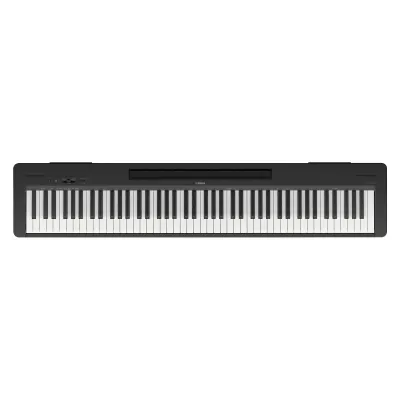
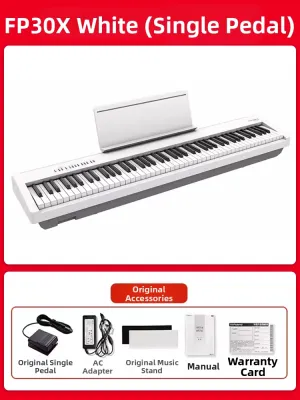
![Yamaha NP-15 NP-35 Portable Digital Piano 61 76 Keys Touch Response NP 15 35 NP15 NP35 Electronic Instrument Battery Operated The Music Works Store [LIMITED STOCK]](https://img.lazcdn.com/g/p/0ec95af5f3240a6cd4d0139cd77da0f4.jpg_400x400q80.jpg_.webp)
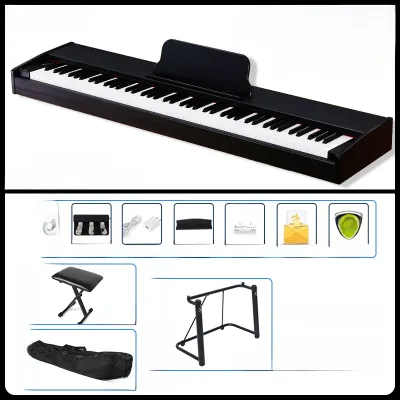
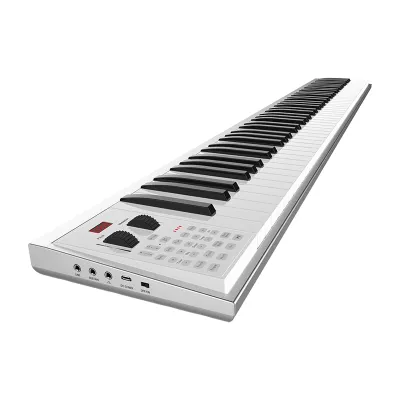
Prices are valid at publication and may change. Please refer to the product page for the latest price.
A brand’s technical heritage plays a massive role in how its entry-level instruments perform. Manufacturers that build world-class acoustic grand pianos have a distinct advantage; they record their own premium instruments to create the digital sound profiles, known as sampling, used in their digital models. Their engineering teams understand how a physical key behaves when struck softly versus firmly, translating this complex physical relationship into sophisticated sensor systems. This ensures that the instrument responds dynamically to your touch, allowing you to practice playing with expression and emotion.
Durability and after-sales support are equally critical when selecting a brand. A digital piano is a long-term investment, and entry-level models from reputable brands are engineered to withstand hours of daily practice over many years. Established brands maintain authorized service networks and offer clear warranty terms. If a key sensor eventually requires calibration or a speaker needs attention, you can easily access professional repairs and genuine replacement parts, protecting your investment far better than choosing an obscure, unbranded alternative.
Key Features to Check Before Buying an Entry-Level Digital Piano
Before comparing specific brands, it is helpful to understand the technical specifications that define a quality entry-level digital piano. The most critical feature to verify is the keyboard action. Look for terms like “graded hammer action” or “scaled hammer action.” On an acoustic piano, the keys in the bass register feel heavier than those in the treble register because the physical hammers and strings are larger. Graded hammer action replicates this gradient, ensuring a realistic playing experience across the entire keyboard.

Another essential specification is polyphony, which refers to the number of individual notes or voices the piano can produce simultaneously. When you play a chord with the sustain pedal pressed, each note continues to ring out. If the polyphony limit is too low, older notes will be cut off abruptly, resulting in a choppy, unnatural sound. For a beginner, a minimum of 64-note polyphony is acceptable, but 128-note polyphony or higher is preferred to ensure smooth, natural decay during complex passages and pedal work.
The built-in speaker system and connectivity options also warrant close inspection. For home practice, a speaker system with at least 6 to 12 watts per channel provides sufficient volume and clarity without distortion. Essential connectivity features include a dedicated headphone jack for silent practice, which is invaluable for late-night sessions or shared living spaces. Additionally, look for USB-to-Host connectivity, which allows you to connect the piano to a tablet or computer to use interactive learning apps, digital sheet music, and music production software.
Exploring Popular Digital Piano Brands for Beginners
While individual models and product lines evolve, the core philosophies of the major digital piano brands remain consistent. Understanding these brand identities helps you narrow down your choices to the manufacturers that align best with your personal preferences. When shopping, always verify the exact specifications and current local inventory of specific models with authorized retailers to ensure you get the latest features.
Brands Focused on Authentic Acoustic Piano Feel
Manufacturers with a rich history of building acoustic pianos, such as Yamaha and Kawai, bring unparalleled expertise to their digital instrument lines. These brands prioritize replicating the organic touch and tonal depth of a traditional grand piano. Their entry-level digital pianos often feature high-resolution samples captured directly from their flagship concert grand pianos, delivering a rich, resonant tone that inspires beginners to practice.
The key action technology in these instruments is highly sophisticated, utilizing physical weights instead of springs to create natural resistance and key return. When evaluating these brands, look for proprietary action names like Graded Hammer Standard or Responsive Hammer Compact. These systems are designed to mimic the weight, pivot point, and balance of acoustic keys, helping students develop proper finger technique from day one.
Some advanced entry-level models from these brands also simulate the escapement mechanism, which is the subtle “click” or notch sensation felt when pressing an acoustic piano key down very gently. Additionally, pay attention to the key surface materials. Textured keytops, such as synthetic ivory or ebony, provide a non-slip grip and absorb finger moisture during long practice sessions, offering a tactile experience that closely matches a traditional piano.
Brands Prioritizing Portability and Budget-Friendly Options
Brands like Casio and Roland have earned excellent reputations by focusing on slim, lightweight, and highly portable designs that offer exceptional value. Casio has revolutionized the entry-level market by developing ultra-compact digital pianos that pack fully weighted keys into incredibly slim cabinets. Roland leverages advanced digital signal processing to offer compact instruments with rich, modeled piano sounds that respond dynamically to the player’s touch.
These portable designs are ideal for students, apartment dwellers, or anyone who needs to store the instrument when it is not in use. A slim cabinet profile means the piano can easily sit on a folding stand or a desk, taking up minimal space. However, a smaller cabinet often means smaller built-in speakers. While the sound quality through a good pair of headphones remains outstanding, the physical speakers on ultra-slim models may lack the deep bass resonance found in larger, cabinet-style digital pianos.
When choosing an ultra-portable model, it is crucial to ensure that the core weighted key action has not been compromised to achieve a slim profile. Manufacturers must redesign the internal hammer mechanism to fit into a compact chassis. Always verify the specifications to confirm that the action remains fully weighted and graded, rather than semi-weighted or synth-action, so that your finger strength and control develop correctly.
How to Match a Brand to Your Learning Goals and Space
Your physical living environment and long-term musical goals should guide your final brand and model selection. In modern homes where space is at a premium, a portable slab-style digital piano that can be placed on a sturdy, collapsible stand is highly practical. If you have a dedicated space, a cabinet-style digital piano with an integrated wooden stand and a fixed three-pedal unit offers a more traditional look and stable playing platform, though it will be heavier and less mobile.
Consider how the brand’s sound libraries and software ecosystems align with your learning goals. If you are focused on classical training, prioritize a brand that emphasizes a highly expressive acoustic piano sound and realistic pedal response, including support for half-pedaling. If you are interested in modern pop music, jazz, or music production, you may prefer a brand that offers a wider variety of instrument sounds, such as electric pianos, organs, and synthesizers, along with robust MIDI connectivity.
Many brands offer proprietary companion apps that connect to your digital piano via Bluetooth or USB. These apps allow you to control the piano’s settings easily from a tablet, display digital sheet music, and access interactive lessons or play-along tracks. If you plan to learn independently, a user-friendly app interface can significantly enhance your daily practice routine and keep you motivated.
Finally, plan for future upgrades by considering the resale value of your first instrument. As your playing skills advance, you may eventually want to upgrade to a mid-range or high-end digital piano with wooden keys and more advanced sound engines. Choosing a well-known, reputable brand for your beginner instrument ensures better resale value, as popular entry-level models remain highly sought after on the second-hand market.
Where to Buy and What to Verify Before Checkout
Purchasing your digital piano from an authorized local dealer or a reputable musical instrument chain is highly recommended. Authorized dealers offer official manufacturer warranties, reliable delivery services, and professional after-sales support. While online marketplaces or unauthorized parallel importers might offer slightly lower prices, they often lack official warranty coverage, leaving you responsible for expensive repair costs if the instrument develops a fault.
When your digital piano is delivered, perform a thorough physical inspection before signing off on the delivery. First, check the exterior cabinet or casing for any cracks, dents, or scratches incurred during transit. Next, plug in the instrument and play every single one of the 88 keys. Ensure that each key produces sound, returns to its original position smoothly without sticking, and offers consistent physical resistance across the keyboard.
Test the volume slider, headphone jacks, and all control buttons to ensure they function correctly. Connect the included sustain pedal and verify that it dampens and sustains the notes as expected. Finally, double-check that all packaged accessories, such as the music rest, power adapter, user manual, and any promotional items, are present in the box.
Keep your original physical receipt or digital invoice in a safe place. Most major brands require you to register your product online within a specific timeframe, such as 14 or 30 days from purchase, to activate the warranty. Having a valid proof of purchase from an authorized dealer is essential for securing hassle-free repairs or replacements during the warranty period.
Frequently Asked Questions (FAQ)
Do beginners really need an 88-key digital piano?
Yes, beginners should start with an 88-key digital piano if their goal is to learn traditional piano playing. While a 61-key or 76-key keyboard might seem sufficient for the first few months of basic exercises, you will quickly run out of keys as you progress to standard classical pieces, pop arrangements, and exam repertoire. Furthermore, smaller keyboards rarely feature fully weighted hammer action, meaning you will not develop the finger strength and control required to play a real acoustic piano. Investing in an 88-key instrument from the start saves you the cost and hassle of upgrading later.
Is it better to buy a used digital piano from a premium brand or a new entry-level one?
For most beginners, a new entry-level digital piano from a reputable brand is a safer and more reliable choice than a used premium model. Digital pianos are complex electronic and mechanical devices; over time, key sensors can wear out, internal felt cushions can degrade (causing noisy keys), and electronic components can fail. A used instrument rarely comes with a warranty, meaning any repairs will be out-of-pocket. A brand-new entry-level model provides modern connectivity (like Bluetooth and USB), reliable performance, and the peace of mind of an official manufacturer’s warranty.
Can I use a digital piano for official piano grading exams?
Yes, you can use a digital piano for practicing and even taking certain levels of official piano grading exams, provided the instrument meets specific technical standards. Major examination boards require the instrument to have 88 fully weighted keys with graded hammer action and a functional sustain pedal that supports expressive playing. While a high-quality digital piano is excellent for home practice and video-submission exams, keep in mind that live, in-person exams are almost always conducted on acoustic grand or upright pianos. Practicing occasionally on an acoustic instrument will help you adjust to the physical resonance and unique touch of a traditional piano before exam day.
Community discussion
Share your experience or ask a question. Comments are reviewed before publication.