
For a working drummer in Singapore, a drum stick bag is far more than a simple storage pouch. It is an essential piece of hardware that directly influences your speed of setup, the lifespan of your sticks, and your overall reliability on stage. When you are rushing between a soundcheck at a humid outdoor festival and an air-conditioned club gig, your gear is exposed to rapid temperature shifts, sudden tropical downpours, and the physical toll of public transit or tight car boots. The best drum stick bag is one that shields your tools from these environmental stressors while keeping your essential accessories organized and immediately accessible.
Selecting the ideal bag requires balancing structural durability, climate resilience, and ergonomic carrying options. A poorly constructed bag can lead to broken zippers, warped sticks, or lost drum keys, which can disrupt your performance before it even begins. By understanding the specific material characteristics and design features that withstand the rigors of the local music scene, you can make an informed investment that protects your gear and supports your professional routine.
Why Gigging Drummers Need a Dedicated Stick Bag
Wooden drum sticks, typically made of hickory, maple, or oak, are highly sensitive to atmospheric conditions. Singapore’s relative humidity, which frequently hovers above 80 percent, poses a constant threat to organic materials. When wood absorbs moisture from the air, it swells and loses its structural uniformity. This absorption can lead to subtle warping, altering the stick’s balance, weight distribution, and rebound characteristics. Storing your sticks loosely in a standard backpack or a plastic bag exposes them directly to these humid conditions, accelerating degradation and increasing the likelihood of mid-performance breakage.
Products mentioned in this guide
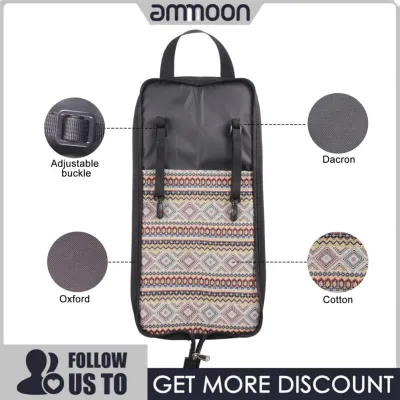
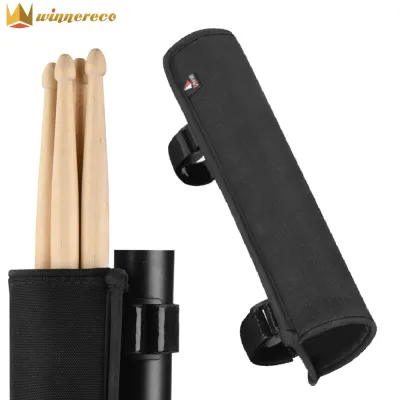
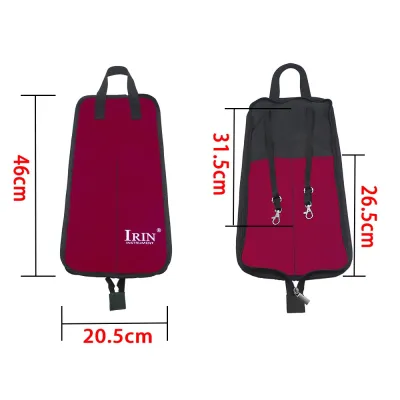
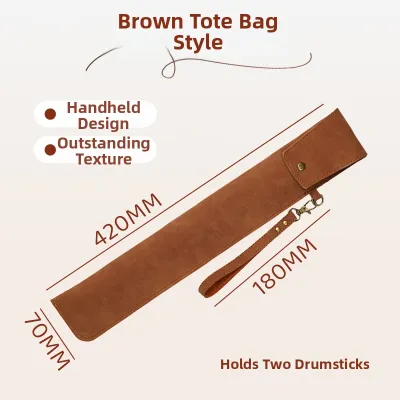
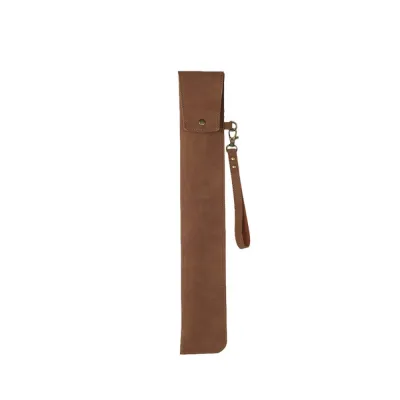
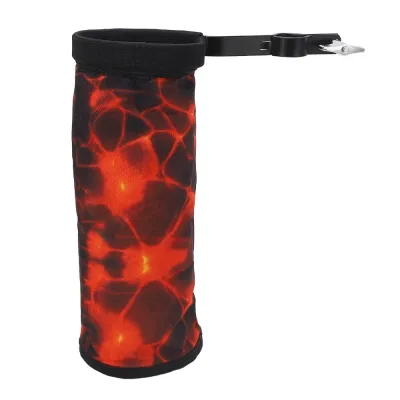
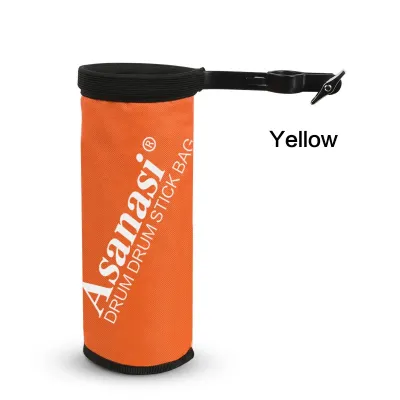

Prices are valid at publication and may change. Please refer to the product page for the latest price.
Beyond climate protection, the physical demands of gigging require a dedicated shield against mechanical impact. During transport—whether squeezed into a crowded MRT carriage during peak hours, packed into the boot of a ride-hailing car, or stacked under heavy hardware cases in a band van—sticks are vulnerable to crushing forces. A dedicated stick bag provides a padded buffer that absorbs these impacts, preventing micro-fractures in the wood grain that might otherwise cause a stick to snap unexpectedly during a heavy rimshot.
Organization is another critical factor that separates professional preparation from amateur chaos. A gigging drummer must carry more than just sticks; brushes, mallets, rods, drum keys, dampening gels, earplugs, and spare parts are all part of the standard toolkit. Without dedicated compartments, these items clatter against each other, leading to scratched finishes, torn brush wires, or lost accessories. A dedicated bag ensures that every tool has its designated spot, allowing you to conduct quick inventory checks before leaving a venue and preventing the frantic search for a drum key during a tense soundcheck.
Finally, a dedicated stick bag serves as an active performance accessory on stage. Most professional bags feature integrated straps or hooks designed to hang directly from the tension rods of your floor tom. This placement positions your backup sticks within arm’s reach. If a stick flies out of your hand or breaks mid-song, you can seamlessly grab a replacement with a single, fluid motion, maintaining the pocket without interrupting the groove. Relying on makeshift storage solutions deprives you of this crucial ergonomic advantage.
Key Features to Evaluate Before Buying
Material and Weather Resistance
When evaluating materials, look for high-denier synthetic fabrics that offer exceptional tensile strength and abrasion resistance. Denier (D) measures the linear mass density of fibers; a higher number indicates a thicker, more durable weave. For regular gigging, bags constructed from 600D to 1680D ballistic nylon or heavy-duty polyester are highly recommended. These fabrics resist tearing when scraped against sharp hardware edges and protect the bag’s contents from external friction. Reinforced double-stitching at stress points, such as strap attachments and zipper seams, is vital to prevent unraveling under the weight of a fully loaded bag.

Given Singapore’s frequent and sudden rain showers, water resistance is a paramount consideration. Look for bags featuring a water-repellent polyurethane (PU) or polyvinyl chloride (PVC) inner coating, which prevents water droplets from penetrating the fabric. Additionally, high-quality bags often utilize water-resistant zippers with rubberized tracks or protective fabric flaps to keep moisture from seeping through the zipper teeth. The interior lining should also be moisture-resistant and easy to wipe clean, ensuring that any sweat from used sticks or damp outdoor air does not pool inside and create a breeding ground for mold.
Capacity and Internal Organization
The internal layout of a stick bag should be designed to accommodate a diverse array of implements. Look for bags with multiple interior pockets or sleeves that allow you to categorize your gear by type and size. Keeping your standard 5A or 5B gigging sticks separate from delicate felt mallets, wire brushes, and multi-rods prevents friction damage. Brushes, in particular, can easily snag and bend if stored loosely alongside heavy wooden sticks. Well-spaced compartments keep these specialized tools pristine and ready for use.
In addition to stick slots, a professional bag must feature dedicated accessory pockets. Look for a mix of internal zippered mesh pockets and external zippered compartments. Internal mesh pockets are ideal for small, easily lost items like earplugs, spare cymbal felts, wing nuts, and drum keys, as they allow you to locate the items visually without digging. External pockets should be deep enough to hold larger accessories, such as a metronome, a tablet for sheet music, cleaning cloths, or dampening gels, without bulging inward and compressing the sticks in the main compartment.
Portability and Carrying Options
How you transport your gear through Singapore’s urban landscape dictates the level of carrying comfort you require. If you rely on public transport, such as the MRT or buses, you will frequently find yourself standing or walking long distances through interchanges. In these scenarios, a bag with an adjustable, heavily padded shoulder strap or convertible backpack straps is invaluable. These designs distribute the weight evenly across your shoulders and back, keeping your hands free to carry a cymbal bag or snare case.
For drummers who primarily drive or use ride-hailing services, a reinforced, ergonomic grab handle may be more important than elaborate backpack straps. Look for handles wrapped in padded neoprene or heavy-duty webbing with hook-and-loop closures that remain comfortable even when the bag is packed to capacity. Additionally, consider the physical footprint of the bag when fully loaded. A streamlined, compact design is easier to slide into a crowded car boot or tuck under a seat than a bulky, over-padded case. Always inspect the attachment hardware—such as metal D-rings and carabiners—to ensure they can support the weight of multiple stick pairs without bending or snapping.
Common Types of Drum Stick Bags for Working Musicians
Standard Soft-Shell Bags
Standard soft-shell bags represent the most common and accessible option for drummers. Typically constructed from lightweight nylon or canvas, these bags offer moderate padding and a streamlined profile. They generally feature a simple folding design with a central zipper, opening up to reveal two to four internal pockets for sticks and a basic external pocket for accessories. Most models include integrated floor tom hooks and a simple nylon shoulder strap or carrying handle.
These bags are highly suited for student drummers, hobbyists, or working professionals who primarily travel for light rehearsals and low-stakes gigs. Their primary advantages are lightweight portability and ease of storage; when empty, they can be easily folded or rolled up to fit inside a larger gear bag. However, because they lack rigid structural support and heavy-duty padding, they offer minimal protection against severe impacts or crushing forces. If your gigging routine involves packing your gear into shared vans alongside heavy amplifiers and drum hardware, a standard soft-shell bag may not provide sufficient protection.
Heavy-Duty and Reinforced Bags
For touring musicians or drummers who play frequent, high-volume gigs, heavy-duty and reinforced bags are the preferred choice. These bags often feature a semi-rigid or rigid exterior frame, thick foam padding, and reinforced impact zones. The outer shell is typically made from top-tier materials like 1680D ballistic nylon or synthetic leather, which offer superior puncture resistance and structural integrity. Heavy-duty zippers, rugged metal hardware, and rubberized bottom panels are standard features designed to withstand rough handling.
The primary benefit of a reinforced bag is its ability to maintain its shape and protect its contents under pressure. If another musician accidentally drops a heavy cymbal stand or speaker cabinet onto your bag, the rigid construction and dense foam lining absorb the impact, preventing your sticks and mallets from snapping or warping. These bags also tend to have superior weatherproofing, making them ideal for outdoor festival stages where sudden downpours are a constant risk. The trade-off is a slightly heavier weight and a bulkier profile, which may make them less convenient for long commutes on public transit.
Multi-Purpose Caddies and Backpacks
Multi-purpose caddies and hybrid stick backpacks are designed for the modern session musician who needs to carry a wide variety of gear in a single, organized package. These designs combine a high-capacity stick compartment with dedicated sections for electronic gear, personal items, and small hardware. Many models feature padded sleeves for laptops or tablets, dedicated pockets for audio interfaces and in-ear monitors, and even external straps for securing a compact music stand or a small cymbal.
These hybrid bags are exceptionally popular among drummers who navigate Singapore’s urban environment on foot or by public transport, as they eliminate the need to carry multiple separate bags. By consolidating your sticks, electronics, sheet music, and personal items into a single, ergonomic backpack, you can commute comfortably while keeping your hands free. The internal stick caddy is often detachable, allowing you to hang the stick compartment from your floor tom while leaving the main backpack frame on the floor. While these multi-purpose bags carry a higher price tag and a larger physical footprint, their unmatched versatility and convenience make them an excellent investment for busy, multi-genre musicians.
How to Match the Bag to Your Gigging Routine
To choose the right drum stick bag, you must analyze your specific gigging routine and transport habits. If your schedule primarily consists of weekly acoustic sets, jazz gigs in intimate venues, or regular rehearsals at a local studio, a compact, high-quality soft-shell bag is often the most practical choice. These bags hold a modest selection of sticks, brushes, and mallets (typically 4 to 6 pairs) without adding unnecessary bulk to your commute. They are easy to carry, quick to deploy, and take up minimal space on a cramped stage.
Conversely, if you are a rock, metal, or session drummer playing high-energy festival sets, corporate gigs, or frequent club rotations, you should prioritize durability and capacity. Look for heavy-duty or semi-rigid bags that can hold 10 to 18 pairs of sticks and specialty implements. This capacity ensures you have ample backups for high-intensity performances where stick breakage is common. Furthermore, the robust protection of a reinforced bag is essential if your gear is frequently loaded into shared transport or handled by stage crews.
Before finalizing your purchase, it is critical to verify the physical compatibility of the bag with your specific tools. While standard 5A and 5B drum sticks fit comfortably in almost all commercial bags, specialty implements like orchestral mallets, extra-long sticks (exceeding 16.5 inches), or large timpani mallets may require more clearance. Check the internal height and depth specifications of the bag against your longest tools. Ensure the bag can zip shut smoothly without putting pressure on the delicate felt heads of your mallets or bending the wire brushes. Additionally, verify that the floor tom attachment straps are adjustable and compatible with the tension rod spacing of your specific drum kit.
Maintenance and Care for Longevity
To maximize the lifespan of your drum stick bag and ensure it continues to protect your gear, establish a regular maintenance routine. Over time, wooden sticks generate a significant amount of wood dust, splinters, and small chips during play. When you slide used sticks back into your bag, these sharp fragments accumulate at the bottom of the pockets. If left uncleaned, the abrasive wood dust can wear down the inner fabric lining, leading to tears and holes. Periodically empty your bag completely, turn it upside down, and shake out all accumulated debris. For a thorough clean, use a vacuum cleaner with a narrow nozzle attachment to suction out fine dust from the corners of the pockets.
Singapore’s high humidity and sudden rainstorms mean your bag will occasionally get wet, either from outdoor precipitation or sweat transferred from your hands to your sticks. If your bag becomes damp, never store it zipped shut in a dark, unventilated space, as this creates an ideal environment for mold and mildew to develop. Instead, empty the bag and open all compartments fully. Allow it to air-dry completely in a well-ventilated, indoor area away from direct sunlight and high-heat sources, which can warp synthetic fabrics or dry out leather accents.
Finally, pay close attention to the bag’s mechanical components. Zippers are the most common point of failure on drum stick bags due to constant opening, closing, and occasional over-packing. To maintain smooth operation, avoid forcing a zipper shut if the bag is overloaded; instead, reorganize the contents to relieve tension on the zipper teeth. Periodically inspect the zipper tracks for dirt or grit and clean them with a soft brush. If the zippers begin to stick, apply a small amount of zipper lubricant or beeswax to the tracks to keep them sliding smoothly. Regularly check the stitching around strap attachments and floor tom hooks for any loose threads, addressing minor repairs early before they lead to complete structural failure during a gig.
Frequently Asked Questions (FAQ)
Can I use a regular laptop bag to carry drum sticks?
While a standard laptop bag or backpack can physically hold drum sticks, it is not recommended for regular gigging. Laptop bags lack the specialized internal compartments required to keep different types of sticks, brushes, and mallets organized and protected. Without proper separation, wood splinters and sharp metal components on brushes can damage the bag’s interior lining or scratch other gear. Furthermore, laptop bags do not feature integrated floor tom hooks, meaning you will not have quick, ergonomic access to backup sticks during a performance. Investing in a dedicated stick bag from an authorized music retailer ensures your tools are protected, organized, and easily accessible on stage.
How many pairs of sticks should a gigging bag hold?
For most gigging drummers, a bag that holds between 6 to 12 pairs of sticks is the ideal baseline. This capacity allows you to carry your primary stick models, a few pairs of backups in case of breakage, and specialized tools like brushes, rods, or mallets for different musical dynamics. Carrying fewer than 4 pairs runs the risk of running out of sticks during a high-energy set, while overloading a bag with more than 15 pairs can put excessive strain on the zippers, seams, and your shoulders. Choose a bag size that matches your specific performance demands without adding unnecessary weight to your daily commute.
Community discussion
Share your experience or ask a question. Comments are reviewed before publication.