
Plugging in your first electric guitar is an exciting milestone, but that initial excitement can quickly turn to frustration if your amplifier emits a loud, distracting buzz instead of a clean, crisp chord. While beginners often focus all their attention on choosing the right guitar and amplifier, the humble cable connecting them is just as critical to your overall sound. A poor-quality cable can degrade your tone, introduce unwanted background noise, and fail physically after only a few weeks of use.
Finding the right electric guitar cable in Singapore requires balancing tone preservation, physical durability, and local environmental factors like high humidity. By understanding a few basic technical features, you can make a smart, budget-friendly purchase that keeps your guitar sounding its best for years to come. This guide breaks down everything you need to know to select, buy, and maintain your first instrument cable.
Why Your Guitar Cable Matters for Your Tone
An electric guitar cable does not simply carry an electrical current; it transmits a highly delicate, low-voltage, high-impedance (Hi-Z) audio signal from your guitar’s pickups to your amplifier. Because this signal is weak and unamplified, it is incredibly sensitive to the physical properties of the cable it travels through. A poorly constructed cable acts as a barrier, altering the signal before it ever reaches your amplifier’s input stage.
Products mentioned in this guide
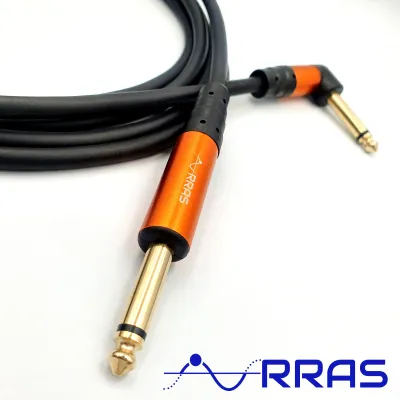
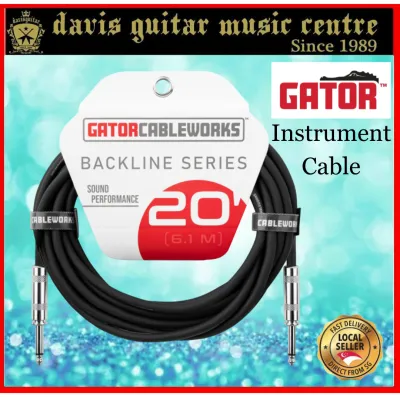
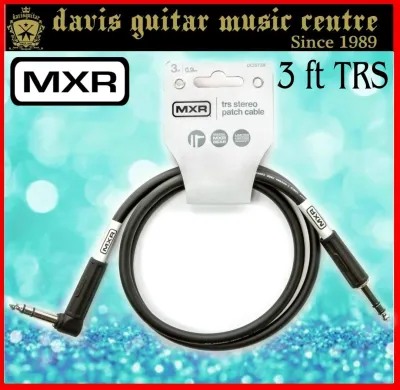
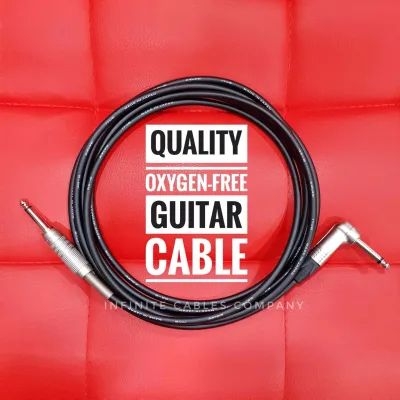
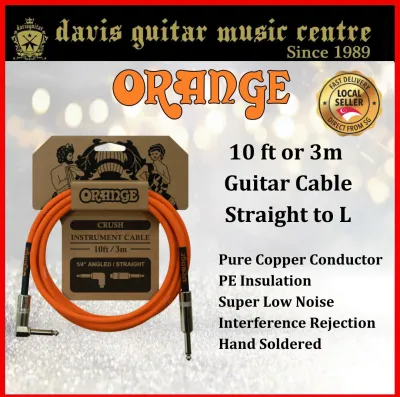
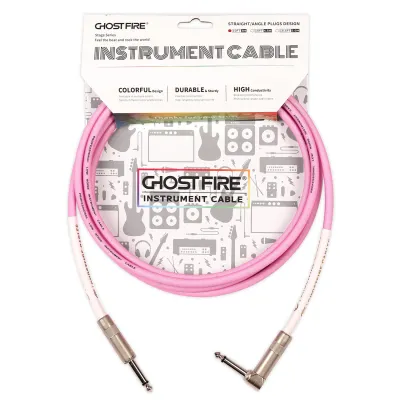
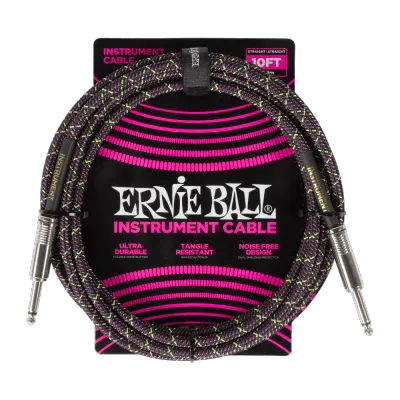
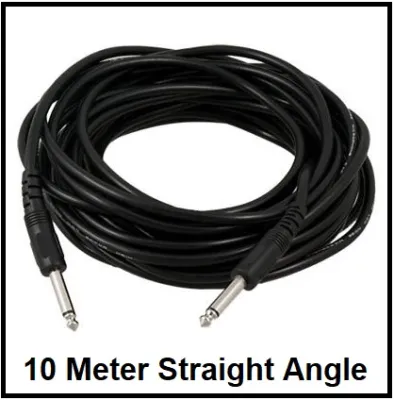
Prices are valid at publication and may change. Please refer to the product page for the latest price.
One of the most common issues beginners face with low-quality cables is a phenomenon known as “tone suck,” which is caused by high capacitance. Physically, a cable consists of a central copper conductor wrapped in insulation, which is then surrounded by a outer shield. This physical structure naturally behaves like a capacitor, storing a small amount of electrical charge and filtering out high frequencies. Cables with high capacitance act as a low-pass filter, stripping away the bright, sparkling treble frequencies of your guitar and leaving you with a muddy, muffled, and lifeless tone.
In addition to preserving high frequencies, a good cable must protect your signal from external electromagnetic interference (EMI) and radio frequency interference (RFI). Singapore’s high-density urban environments, particularly HDB flats, are packed with potential sources of interference, including Wi-Fi routers, mobile phones, smart home devices, and household appliances. Without adequate shielding, your guitar cable acts like an antenna, picking up these stray signals and translating them into a constant, annoying hum or buzz through your speaker. A well-shielded cable isolates your signal, ensuring that the only sound coming out of your amplifier is your playing.
Key Features to Look for in a Beginner Guitar Cable
Navigating the technical specifications of instrument cables can feel overwhelming for a beginner. However, focusing on a few key physical and electrical characteristics will help you quickly separate reliable, high-performing options from cheap, unreliable alternatives.

Choosing the Right Cable Length
For home practice and small jam spaces, a cable length of 10 to 15 feet (approximately 3 to 4.5 metres) is the ideal sweet spot. A 10-foot cable provides plenty of room to sit or stand comfortably near your amplifier without creating a tangled mess on the floor. While it might be tempting to buy a 20- or 30-foot cable “just in case,” longer cables naturally have higher overall capacitance, which increases the risk of high-frequency tone loss. Additionally, excess length creates unnecessary tripping hazards in cozy bedroom setups.
Straight vs. Right-Angle Connectors
The shape of the metal plug at each end of your cable matters for both comfort and hardware longevity. Cables are available with either straight connectors on both ends, or a straight connector on one end and a right-angle connector on the other. Your choice should depend entirely on the design of your guitar’s output jack:
- Side-Mounted and Flat Jacks: Guitars like Les Pauls, Telecasters, or various acoustic-electric models benefit greatly from a right-angle plug. The 90-degree bend allows the cable to run flush against the body of the guitar, preventing the plug from sticking out where it could easily be bumped, bent, or damaged.
- Recessed Face Jacks: Guitars like Stratocasters feature a deeply recessed, angled jack plate on the front of the body. A right-angle plug cannot insert deeply enough into this recessed socket to establish a secure connection. For these instruments, a straight plug is mandatory.
Shielding and Conductor Quality
Look for cables that specify the use of Oxygen-Free Copper (OFC) for the central conductor, as this material provides excellent conductivity and resists internal corrosion. For shielding, manufacturers typically use one of three methods:
- Braided Shielding: This method weaves copper strands into a mesh around the conductor. It offers the best physical protection and up to 95% shielding coverage against interference, making it highly durable, though slightly stiffer to coil.
- Spiral Shielding: This design wraps copper flatly around the core in a single direction. It is highly flexible and cost-effective, though the wraps can separate slightly over time if the cable is twisted repeatedly.
- Foil Shielding: Common in cheap cables, foil shielding is highly fragile and prone to cracking under repeated flexing, which quickly leads to shielding failure and loud interference.
For a beginner, a cable featuring at least 90% braided or high-quality spiral copper shielding offers the best balance of noise rejection and long-term reliability.
Outer Jackets and Strain Relief
The outer jacket protects the internal components from physical damage. Standard heavy-duty PVC jackets are highly durable, easy to wipe clean, and slide smoothly across bedroom floors. Woven cloth or tweed jackets offer a classic, vintage aesthetic and resist kinking, though they can collect dust and pet hair more easily than PVC.
Additionally, pay close attention to the strain relief boot—the rubber or plastic sleeve where the cable meets the metal plug. A long, flexible strain relief boot prevents the cable from bending at sharp, damaging angles right at the solder joint, which is the most common point of physical cable failure.
Recommended Cable Setups for Different Practice Scenarios
Rather than focusing on a single brand, it is most practical to choose your cable configuration based on how and where you plan to practice. Different setups address specific physical constraints and hardware requirements.
The Standard Practice Setup (10ft Straight-to-Straight)
If you are an absolute beginner practicing in a bedroom or study, a 10-foot straight-to-straight cable is the most versatile baseline option. This configuration is highly compatible with almost every guitar design, making it an excellent choice if you own a Stratocaster-style guitar or plan to swap between different instruments.
A 10-foot length keeps the physical signal path short, preserving maximum high-end clarity and sparkle. It also provides just enough slack to let you stand up and stretch without pulling your practice amplifier off your desk or shelf, while remaining short enough to prevent messy coils from cluttering your floor.
The Ergonomic Setup (15ft Straight-to-Right-Angle)
For players who primarily practice while sitting on a sofa, bed, or office chair, a 15-foot straight-to-right-angle cable is highly recommended. When sitting, a straight plug sticking out of a side-mounted guitar jack can easily press against the seat cushion or armrest. This constant physical pressure bends the plug, strains the guitar’s internal output jack, and can eventually loosen the mounting nut or break the internal solder connections.
Using a right-angle plug on the guitar side allows the cable to drop straight down along the body of the instrument. For maximum strain relief, pass the cable up between your guitar strap and the guitar body before plugging it in. This simple loop ensures that if you accidentally step on the cable, the physical pull is absorbed by your guitar strap rather than the delicate metal output jack.
The Pedalboard Starter (Short Patch Cables)
As you progress, you may want to introduce one or two effects pedals, such as a tuner, an overdrive, or a looper pedal. To connect these pedals to one another, you should not use standard long instrument cables. Instead, you need dedicated patch cables, which are typically 6 inches to 1 foot in length and feature flat, low-profile right-angle connectors.
Using long cables between pedals introduces massive cumulative capacitance, severely degrading your tone before the signal even reaches your amplifier. Short patch cables keep the signal path as tight and direct as possible. Furthermore, their low-profile, flat connectors allow you to place your pedals close together, saving valuable space on a small starter pedalboard and preventing tall, straight plugs from blocking your foot’s access to the pedal switches.
Where to Buy and What to Verify in Singapore
When you are ready to make a purchase, navigating the local Singapore market requires a mix of physical inspection and smart online verification. While buying online offers convenience, visiting physical music retailers in established hubs like Peninsula Shopping Centre, Bras Basah Complex, or Orchard Road allows you to physically handle the cables, assess their flexibility, and speak with experienced staff.
Verifying Authenticity and Avoiding Counterfeits
Because reputable cable brands are highly popular, counterfeit cables are common on generic online marketplaces. These cheap imitations often look identical to the real product but use inferior iron or aluminum wires instead of oxygen-free copper, resulting in terrible signal loss, high noise levels, and rapid physical failure. To protect your investment:
- Purchase only from authorized local distributors or highly rated, established music specialty stores on ecommerce platforms.
- Avoid listings with unusually low prices that seem too good to be true.
- Check customer reviews specifically looking for complaints about sudden signal loss, stiff materials, or excessive background hum.
Managing the Singapore Climate
Singapore’s tropical climate features high relative humidity, often exceeding 80%. This moisture-rich air accelerates the oxidation and tarnishing of metal connectors, which can lead to crackling noises and intermittent signal dropouts over time.
To combat this, consider investing in cables with gold-plated connectors. Gold does not oxidize or tarnish, ensuring a clean, reliable electrical connection even in humid conditions. If you choose nickel-plated connectors, be prepared to clean them periodically with a dry microfiber cloth or specialized electrical contact cleaner to remove built-up oxidation.
Warranties and Store Bundles
Before finalizing your purchase, check the manufacturer’s warranty terms. Many reputable cable brands offer limited lifetime warranties, promising to replace the cable if it fails due to manufacturing defects. Verify whether the local Singapore distributor honors these warranties directly, as returning a cable internationally can cost more than the price of a replacement.
Additionally, compare standalone online prices against local physical store bundles. Many brick-and-mortar shops offer starter packages that bundle a reliable cable with essential accessories like guitar picks, a clip-on tuner, or a strap, providing excellent overall value for a beginner.
How to Maintain and Troubleshoot Your Cables
Even the most durable cable can fail prematurely if it is abused. Learning how to properly handle, store, and troubleshoot your cables will save you money and keep your practice sessions running smoothly.
The "Over-Under" Coiling Method
The single most important habit to form is coiling your cables correctly. Never wrap a cable tightly around your elbow and hand. This common mistake twists the internal copper conductors and shielding, creating permanent kinks, causing the outer jacket to warp, and eventually breaking the internal solder joints.
Instead, use the “over-under” coiling method. This technique involves alternating the direction of each loop as you coil the cable, allowing the internal wires to lay flat without any twisting tension. When you throw or uncoil an over-under coiled cable, it will unravel in a perfectly straight, kink-free line without any tangles. Secure the coiled cable with a reusable hook-and-loop strap rather than tying the cable in a knot.
A Simple Troubleshooting Checklist
If you plug in your guitar and hear crackling sounds, intermittent signal loss, or complete silence, do not immediately throw your cable away. Follow this step-by-step checklist to isolate the issue:
- Check the Knobs: Ensure the volume knobs on both your guitar and your amplifier are turned up, and that any standby switches on the amp are set to "play."
- Isolate the Cable: Plug your guitar directly into the amplifier, bypassing any effects pedals or patch cables. If the noise stops, the issue lies in one of your pedals or patch cables rather than your main instrument cable.
- Wiggle the Connectors: Gently wiggle the cable right where it enters the metal plug at both the guitar and amplifier ends. If you hear loud crackling or if the sound cuts in and out in sync with your movement, the internal solder joint inside that specific plug is loose or broken.
- Inspect the Guitar Jack: Sometimes, the nut holding your guitar's output jack in place can loosen, causing the internal jack contacts to spin and short out. If the jack feels loose or wobbles when you plug the cable in, it may need to be gently tightened or re-soldered.
When to Stop Using a Damaged Cable
If your cable has a split outer jacket that exposes the copper shielding, or if it produces loud, unpredictable pops and bangs when moved, stop using it immediately. These sudden, high-voltage pops can easily damage your amplifier’s delicate speaker cone or, more importantly, cause permanent damage to your hearing. If the cable features serviceable metal connectors, a local repair shop or an experienced friend can easily unscrew the casing and re-solder the broken connection. If the cable has molded plastic connectors, it cannot be repaired safely and should be replaced.
Frequently Asked Questions (FAQ)
Do expensive guitar cables really sound better?
While high-end cables use premium materials that offer exceptionally low capacitance and superior shielding, the tonal difference between a mid-range cable and an expensive premium cable is usually indistinguishable to a beginner practicing at home. Premium cables are primarily built to withstand the rigors of touring and frequent stage use. For home practice, a reasonably priced cable from a reputable brand offers excellent tone, low noise, and plenty of durability without the premium price tag.
Can I use a speaker cable instead of a guitar instrument cable?
No, you must never use a speaker cable as an instrument cable, or vice versa. Although they look identical from the outside, they are designed for completely different electrical tasks. Instrument cables are shielded to protect weak, high-impedance signals from interference. Speaker cables are unshielded and feature much thicker wires designed to carry high-power signals from an amplifier to a speaker cabinet. Using an unshielded speaker cable for your guitar will result in massive, intolerable background hum. Conversely, using a thin instrument cable to connect an amplifier head to a speaker cabinet can cause the cable to overheat, melt, and destroy your amplifier’s expensive output transformer.
How often should I replace my guitar cable?
Guitar cables do not have a set expiration date and do not wear out simply due to age. A well-maintained, high-quality cable can easily last for several years, or even decades, of regular home use. You should only replace your cable if it shows clear signs of physical damage, such as a split outer jacket, a bent metal plug, or if troubleshooting reveals internal wire damage that causes persistent crackling or signal loss that cannot be repaired.
Community discussion
Share your experience or ask a question. Comments are reviewed before publication.