
Choosing your first set of electric guitar strings is one of the most impactful decisions you can make when starting your musical journey. The right strings will directly influence how much your fingers hurt during practice, how easy it is to press down on the frets, and how often you need to tune your instrument. For most beginners, a light-gauge set of nickel-plated steel strings—specifically in the .009-.042 or .010-.046 range—provides the perfect balance of comfort, tone, and durability.
When you are just starting out, your fingertips have not yet developed the tough callouses required to press down on heavy metal wires comfortably. Opting for strings that are too thick can lead to premature fatigue, physical pain, and frustration, which often causes new players to give up early. Conversely, choosing strings that are too thin might lead to frequent breakage or buzzing if your guitar is not set up correctly. By understanding the fundamentals of string gauge, material, and coating, you can select a set that supports your learning progress and keeps you motivated to practice every day.
How to Choose the Right String Gauge and Material
String gauge refers to the physical thickness of the guitar strings, measured in thousandths of an inch. A standard “9-gauge” set starts at .009 inches for the high E string and goes up to .042 inches for the low E string, while a “10-gauge” set ranges from .010 to .046 inches. For beginners, lighter gauges like .009-.042 (often labeled as “Super Light” or “Extra Slinky”) are highly recommended. Because these strings are thinner, they require significantly less tension to reach standard tuning. This lower tension means you do not have to press down as hard to fret notes, and bending strings becomes much easier on uncalloused fingers.
Products mentioned in this guide
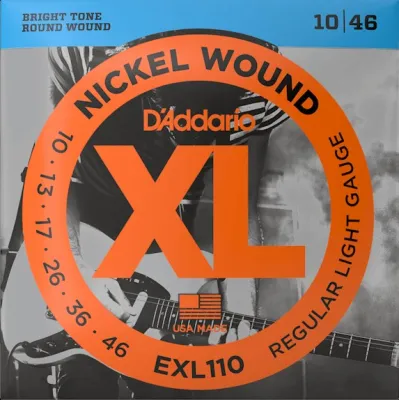
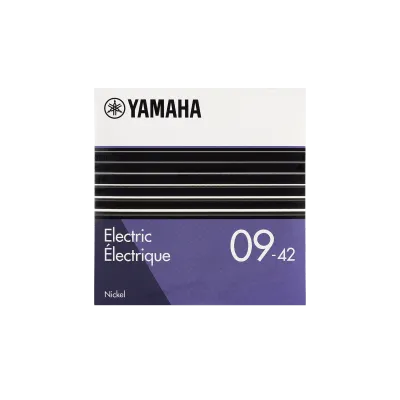
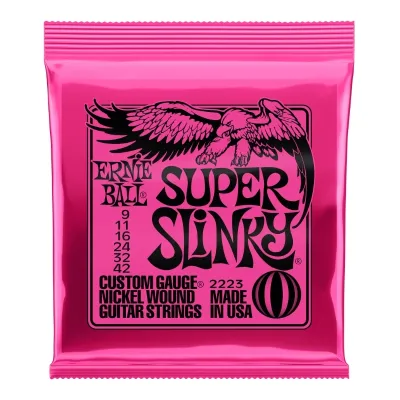
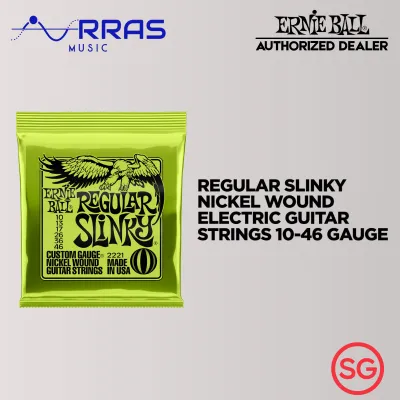
Prices are valid at publication and may change. Please refer to the product page for the latest price.
As your hand strength develops, you can transition to slightly heavier gauges, such as .010-.046 (“Regular Light”). These offer a slightly fuller tone, more projection, and better tuning stability if you tend to play with a heavy picking hand. Heavier gauges also hold their pitch better if you decide to drop-tune your guitar for heavier rock styles. However, they will require more physical effort to press and bend, which can slow down your progress during the first few weeks of learning.
The metal alloy used to wrap the lower strings determines both the tactile feel and the magnetic interaction with your guitar’s pickups. The vast majority of electric guitar strings are made of nickel-plated steel. This material offers a balanced, bright tone with excellent magnetic output, making it highly versatile for genres ranging from pop and jazz to rock and metal. It is the industry standard for a reason, providing a comfortable surface and a highly responsive signal that works well with almost any amplifier or digital modeling software.
If you prefer a warmer, rounder, and more vintage sound, you might consider pure nickel strings. Pure nickel strings have a softer magnetic pull and a warmer tonal profile, which is excellent for classic blues and jazz but may lack the modern bite needed for high-gain rock. Stainless steel strings are another option, known for their bright tone and high corrosion resistance, but they can feel rougher on beginner fingers and cause faster wear on your guitar’s frets over time.
Standard strings are uncoated, meaning the bare metal is exposed directly to your skin’s natural oils, sweat, and environmental moisture. Uncoated strings are highly affordable and offer a traditional, tactile grip on the fretboard, but they oxidize and lose their bright tone relatively quickly. Coated strings feature an ultra-thin polymer layer wrapped around the wire. This microscopic barrier prevents sweat, dirt, and oils from penetrating the winding, which dramatically extends the lifespan of the string and prevents rust.
The trade-offs between coated and uncoated strings are financial and tactile. Coated strings cost significantly more upfront, and some players find the polymer coating feels slightly slick or slippery under the fingers. However, for beginners who want to minimize the hassle of frequent string changes, coated strings are an excellent investment. They maintain their fresh-out-of-the-box tone for months, ensuring that your practice sessions always sound clean and inspiring.
Top Electric Guitar String Recommendations for Beginners
Ernie Ball Regular Slinky (.010-.046)
Why it works for beginners: Ernie Ball Regular Slinky strings are widely regarded as an industry standard for players of all levels. This set features nickel-plated steel wire wrapped around a hex-shaped steel core, delivering a classic, balanced tone with a bright high-end response. For a beginner, the .010-.046 gauge provides a solid middle ground. It offers enough tension to keep the strings from feeling too loose or floppy under a heavy pick attack, while still remaining flexible enough for basic fretting and bending exercises. Because they are incredibly popular, you can find them in almost any music shop, making them highly accessible for replacements.

Limitations: Because these strings are uncoated, they are highly susceptible to oxidation. If you have sweaty hands or practice in a humid environment, the bright, crisp tone can degrade within a couple of weeks, leaving the strings looking dark and feeling rough to the touch.
Best for: Budget-conscious beginners who want a reliable, classic feel and do not mind changing their strings every few weeks to maintain optimal tone and playability.
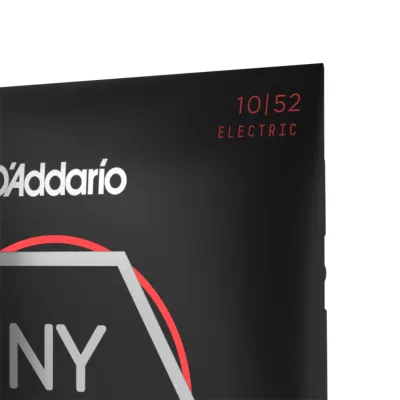
D'Addario NYXL (.010-.046)
Why it works for beginners: D’Addario NYXL strings are engineered for high performance and exceptional durability. They utilize a high-carbon steel core combined with a reformulated nickel-plated wrap wire. This unique construction provides superior tensile strength, meaning these strings are highly resistant to snapping during aggressive playing or bending practice. More importantly for beginners, they offer outstanding tuning stability. Once stretched, NYXL strings hold their pitch remarkably well, reducing the time you spend tuning your guitar and allowing you to focus entirely on your practice sessions.
Limitations: These strings carry a higher price tag than standard uncoated sets, which might be a deterrent for absolute beginners on a tight budget. Additionally, their tone is notably bright and mid-focused, which may feel too modern or aggressive if you are looking for a warm, mellow jazz sound.
Best for: Beginners who experience frequent string breakage, struggle with keeping their guitar in tune, or want a highly durable uncoated option that maintains its elasticity over long practice hours.
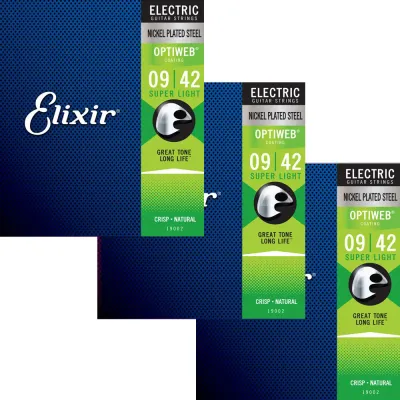
Elixir OptiWeb (.009-.042 or .010-.046)
Why it works for beginners: Elixir is the pioneer of coated string technology, and their OptiWeb series represents a major leap forward for players who dislike the slippery feel of traditional coated strings. The OptiWeb coating is an ultra-thin polymer layer that protects the string from sweat, skin oils, and humidity without sacrificing the natural, crisp feel of uncoated metal. For beginners, the .009-.042 (Super Light) set is highly recommended, as it minimizes finger soreness and allows you to practice for longer periods without fatigue. The coating ensures that the strings remain smooth and rust-free for months, saving you from the physical discomfort of playing on oxidized, scratchy metal.
Limitations: Elixir strings are among the most expensive options on the market, requiring a higher initial investment. Some traditionalists may still detect a subtle difference in tactile feedback and high-end sparkle compared to raw, uncoated strings.
Best for: Beginners who want the absolute longest lifespan from their strings, players with highly acidic sweat, or those who prefer a smooth, low-friction surface that makes sliding up and down the neck effortless.
Quick Comparison of Beginner-Friendly String Sets
| String Set | Gauge Options | Coating Type | Playability/Feel | Durability | Best For |
|---|---|---|---|---|---|
| Ernie Ball Regular Slinky | .010-.046 (Regular) | Uncoated | Traditional, high-grip feel; easy to bend | Low (prone to rapid oxidation) | Budget-conscious beginners seeking classic tone |
| D'Addario NYXL | .010-.046 (Regular) | Uncoated | Slightly stiffer feel; highly responsive | High (break-resistant core steel) | Players who bend notes frequently or struggle with tuning |
| Elixir OptiWeb | .009-.042 (Super Light) | Coated (Ultra-thin polymer) | Smooth, slick feel; low finger friction | Extremely High (resists rust and sweat) | Beginners wanting low maintenance in humid climates |
When choosing your first set, it is highly recommended to start with a standard .009-.042 or .010-.046 set from any of these reputable brands. Keep track of how the strings feel under your fingers over the first two weeks of daily practice. If you find your fingers are excessively sore or you struggle to bend notes, try stepping down to a lighter gauge on your next string change. Conversely, if the strings feel too loose or you experience excessive fret buzz, transitioning to a slightly heavier gauge or adjusting your guitar’s setup can resolve the issue.
Buying and Maintaining Strings in Singapore's Climate
When shopping for electric guitar strings in Singapore, it is crucial to purchase from reputable, established local music instrument retailers, authorized brand distributors, or official online music stores. Counterfeit guitar strings are surprisingly common on general e-commerce platforms and unverified third-party marketplaces. These fake strings are often made of inferior metals that rust almost instantly, feel rough, break easily, and fail to hold pitch. Visiting physical music hubs in Singapore, such as the specialized music shops clustered around Peninsula Plaza, Bras Basah Complex, or shopping online through official distributor channels, ensures you receive genuine products.
Singapore’s tropical climate, characterized by high relative humidity levels that frequently exceed 80% and consistent year-round heat, presents a significant challenge for guitar maintenance. Humidity accelerates the chemical reaction between the moisture in the air, the sweat on your fingers, and the iron in your guitar strings. This process leads to rapid oxidation, causing uncoated steel strings to rust, turn black, and lose their bright resonance within days. Playing on rusty strings not only feels uncomfortable and abrasive on your fingertips, but it also accelerates the wear and tear on your guitar’s frets.
To maximize the lifespan of your strings and protect your instrument in a humid environment, establish a consistent maintenance routine:
- Wipe down after every session: Keep a clean, dry microfiber cloth in your guitar case and make it a habit to thoroughly wipe down each string, as well as the fretboard, immediately after you finish playing. This removes the corrosive sweat and skin oils left behind by your fingers.
- Use string conditioners: Apply a dedicated string cleaner or conditioner sparingly to the strings. These products leave a microscopic protective barrier that helps repel moisture and keeps the strings sliding smoothly. Always follow the manufacturer's instructions on the product label to avoid over-saturating the wood of your fretboard.
- Store your guitar properly: When you are not playing, store your guitar inside a high-quality gig bag or a hard case rather than leaving it exposed on a stand. Place a few silica gel packets or a small, reusable dehumidifier pack inside the case to absorb excess moisture. If you prefer to display your guitar on a wall hanger or stand, keeping it in a room with a running dehumidifier or air conditioning will significantly extend the life of both your strings and the instrument's wood.
Frequently Asked Questions (FAQ)
How often should a beginner change electric guitar strings?
There is no single calendar rule for string replacement, as it depends heavily on your playing frequency, the acidity of your sweat, and your storage environment. As a general baseline, uncoated strings should be changed every 2 to 4 weeks if you practice daily, while coated strings can easily last 2 to 3 months before losing their vitality. You should replace your strings immediately if you observe visible signs of degradation, such as dark discoloration, rust spots, a rough texture that hurts your fingers, difficulty staying in tune, or a noticeably dull, muffled, and lifeless tone during practice.
Can I use acoustic guitar strings on an electric guitar?
You should strictly avoid using acoustic guitar strings on an electric guitar. Acoustic strings are typically made of bronze or brass alloys, which are designed to project sound acoustically but lack the necessary magnetic properties to interact efficiently with electric guitar pickups. If you install bronze strings on an electric guitar, the magnetic pickups will not capture the vibrations properly, resulting in a very weak, thin, and unbalanced output through your amplifier. Always purchase strings explicitly labeled for electric guitars, which are made of highly magnetic materials like nickel-plated steel, pure nickel, or stainless steel.
Do lighter gauge strings break more easily?
While thinner strings (such as .009 gauge sets) have lower tensile strength than thicker gauges, they do not inherently snap under normal playing conditions. Frequent string breakage is rarely caused by the gauge itself; instead, it is usually a symptom of sharp burrs or rough edges on your guitar’s bridge saddles, nut slots, or tuning pegs, which act like tiny saws against the metal. It can also result from improper string installation or winding. If you find yourself snapping strings repeatedly in the same spot, consider taking your instrument to a professional guitar technician in Singapore for a proper setup and inspection.
Community discussion
Share your experience or ask a question. Comments are reviewed before publication.