
When you are first learning to play the guitar, fingertip soreness and the frequent need to change rusty strings can be highly discouraging. Elixir guitar strings are popular among beginners because their specialized polymer coatings protect the metal from sweat, skin oils, and environmental moisture. In warm, humid climates like Singapore, where uncoated strings can rust within weeks, these coated options offer a practical way to keep your instrument sounding fresh and feeling smooth. Deciding between Elixir’s three main coating technologies—Polyweb, Nanoweb, and Optiweb—comes down to finding the right balance between physical comfort under your fingers and the specific tone you want to achieve.
For most beginners, Nanoweb strings represent the most balanced starting point because they offer a traditional feel with a bright, clear tone. If you prefer an ultra-smooth, slick surface that minimizes finger squeak and feels softer on sensitive fingertips, Polyweb is an excellent alternative. Electric guitar players who want the natural, textured grip of an uncoated string while still enjoying the benefits of a protective barrier will find Optiweb to be the most suitable option.
Understanding Elixir Coating Technologies
Elixir uses three distinct polymer coating formulations to shield guitar strings from the elements. These coatings are applied directly to the metal wire, creating a physical barrier that prevents debris from accumulating in the gaps between the outer windings. Understanding how these coatings differ in thickness and application is the first step in choosing the right set for your guitar.
Products mentioned in this guide
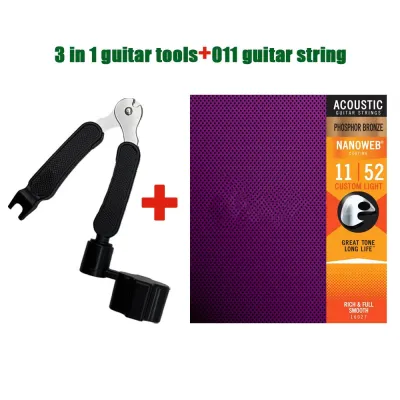
Prices are valid at publication and may change. Please refer to the product page for the latest price.
Polyweb is Elixir’s original coating formulation. It is the thickest of the three options, providing a heavy, protective layer over the entire string. This thick barrier gives the strings a highly polished, slick surface that feels very smooth to the touch. Because the coating is relatively thick, it dampens some of the high-frequency vibrations, resulting in a warm, mellow, and rounded tone that many players find pleasingly warm.
Nanoweb is a significantly thinner coating designed to offer a compromise between protection and a traditional playing experience. It provides a brighter, more focused tone than Polyweb, closely mimicking the sound of uncoated strings. The surface texture is moderately smooth, offering a balance of grip and slide that feels familiar to experienced players while remaining comfortable for beginners.
Optiweb is the thinnest coating in the lineup, developed specifically to meet the demands of electric guitarists. This ultra-thin polymer layer is nearly imperceptible to the touch, preserving the natural, crisp bite and textured grip of uncoated metal. It allows the string to vibrate with minimal dampening, ensuring a bright, expressive tone and a highly responsive feel.
In tropical or highly humid environments, the air moisture accelerates the oxidation of guitar strings, leading to rust, stiffness, and a deadened sound. The polymer coating on Elixir strings prevents sweat and humidity from reaching the metal core and winding wire. This protection helps maintain a consistent tone and smooth feel over a longer period compared to standard, uncoated strings.
When browsing Elixir strings, it is essential to read the product packaging carefully to understand the underlying metal alloy. For acoustic guitars, you will typically choose between Phosphor Bronze, which offers a warm and rich tone, and 80/20 Bronze, which provides a brighter, crisper sound. Electric guitar sets generally use Nickel-Plated Steel, which delivers the magnetic response and bright output required for electric pickups.
Matching Elixir Strings to Beginner Playing Styles
Your physical interaction with the guitar strings plays a major role in how quickly you progress as a beginner. The texture of the string coating affects how easily your fingers slide along the fretboard, how much grip you have during bends, and how much noise your fingers make as they move.

For beginners focusing on fingerstyle techniques or classical-adjacent acoustic playing, the slick surface of Polyweb strings can be highly advantageous. The thick coating minimizes the scraping sound of sliding fingertips, allowing quiet, delicate passages to sound cleaner and more professional. The smooth texture also reduces the friction that can irritate sensitive fingertips during long practice sessions.
If your practice routine consists of heavy strumming, flatpicking, or a mix of rhythm and basic lead lines, Nanoweb strings are often the most versatile choice. They provide enough surface traction to keep your fingers from slipping unintentionally, yet they remain smooth enough to facilitate comfortable chord transitions. This versatility makes them a safe default option for acoustic players who are still exploring different musical genres.
Electric guitar beginners who are learning techniques like string bending, vibrato, or fast scale patterns often prefer the natural grip of Optiweb strings. Because the coating is ultra-thin, it does not feel slippery when you attempt to hold a bend or apply vibrato. This natural resistance gives you better physical control over the string, which is crucial for developing accurate pitch and finger strength.
Fingertip fatigue is one of the most common reasons beginners temporarily stop practicing. Before your fingers develop protective calluses, pressing down on metal strings can be painful. Smoother coatings like Polyweb and Nanoweb can feel softer under the fingers, potentially reducing discomfort and allowing you to practice for longer intervals without severe fingertip soreness.
Because personal preference is entirely subjective, it is wise to start by purchasing a single set of strings rather than buying in bulk. Testing one coating type allows you to observe how it responds to your unique sweat levels, playing style, and local climate. Once you establish whether you prefer a slicker or a more textured feel, you can confidently stick with that specific variety for future string changes.
Comparing Nanoweb, Polyweb, and Optiweb for Beginners
To help you evaluate the trade-offs between these three coating options, it is helpful to compare their physical and tonal characteristics side by side. Each variant is designed to prioritize different aspects of playability and sound.
| Coating Type | Physical Feel | General Tone Profile | Best Suited For |
|---|---|---|---|
| Polyweb | Very slick, smooth, and thick | Warm, mellow, and rounded | Fingerstyle, warm acoustic tones, reducing finger noise |
| Nanoweb | Moderately smooth, thin | Bright, balanced, and clear | All-purpose acoustic and electric playing, versatile styles |
| Optiweb | Natural, crisp, and ultra-thin | Bright, sharp, and expressive | Electric guitarists, lead playing, traditional feel |
The primary trade-off when choosing a coating is between brightness and warmth. A thicker coating like Polyweb dampens some of the high-frequency harmonics, which can be highly beneficial if your guitar naturally sounds overly bright, harsh, or tinny. Conversely, if your instrument has a naturally dark or muddy voice, choosing Nanoweb or Optiweb will help preserve the high-end clarity and definition.
While all three coatings are designed to resist corrosion, the physical wear of the polymer layer can vary depending on your playing technique. Heavy flatpicking or aggressive strumming can cause thicker coatings like Polyweb to show visible fraying or shedding in the picking area over time. Although this fraying looks unusual, it generally does not affect the performance of the string on the fretboard.
Alongside the coating type, you must carefully select the correct string gauge, which refers to the thickness of the strings. For beginners, lighter gauges are highly recommended because they require less finger pressure to press down against the frets. For acoustic guitars, an “Extra Light” (.010–.047) or “Custom Light” (.011–.052) set is ideal, while electric guitarists should generally start with a “Super Light” (.009–.042) or “Light” (.010–.046) set.
Choosing a light string gauge combined with a smooth coating like Nanoweb or Polyweb offers the easiest learning curve for a beginner. This combination minimizes both the downward pressure required to fret a note and the lateral friction experienced when moving between chords, helping you build finger strength gradually and comfortably.
Pre-Purchase Checks for Guitar Strings
Before purchasing a new set of Elixir strings, you must perform a few basic checks to ensure compatibility with your instrument. Using the wrong type of string can make your guitar difficult to play or, in some cases, cause physical damage to the neck and bridge.
First, verify that you are buying strings designed specifically for your type of guitar. Acoustic guitar strings are made from materials like bronze or phosphor bronze, which exert high tension and require an acoustic bridge setup. Electric guitar strings are made from magnetic alloys like nickel-plated steel and exert different tension levels. Never install acoustic strings on an electric guitar, or vice versa, as the instrument will not function correctly.
Second, check the exact string gauge recommended by your guitar’s manufacturer. If you are changing to a significantly heavier or lighter gauge than what was originally installed, the tension on the neck will change. This shift can alter the neck relief and action, requiring a professional setup adjustment to prevent string buzz or high action. Staying close to the factory-installed gauge is the safest choice for beginners.
Third, be cautious when shopping on online marketplaces or ecommerce platforms. Because coated strings are premium products, counterfeit versions are common. To ensure you receive genuine Elixir strings with the actual protective polymer layer, purchase only from authorized musical instrument retailers or highly rated sellers with verified customer feedback. Genuine packaging should feature crisp printing, clear product specifications, and sealed inner envelopes.
Finally, confirm the number of strings in the pack and ensure the product specifications match your instrument. Most standard guitars require a six-string set, but twelve-string guitars, seven-string electrics, and acoustic basses require specialized sets. Double-checking these details before checkout prevents the inconvenience of receiving incompatible gear.
Frequently Asked Questions (FAQ)
How often should beginners change coated guitar strings?
Instead of following a strict calendar schedule, you should replace your strings based on observable physical and auditory signs of degradation. You should change your strings when you notice a persistent loss of tuning stability, a dull or muddy tone, visible rust on the uncoated high strings, or physical fraying of the polymer coating. In highly humid environments, even coated strings will eventually lose their elasticity and tone, making regular visual and auditory inspections necessary.
To help extend the usable life of your strings, always wash and dry your hands thoroughly before playing. This simple habit reduces the amount of sweat, dirt, and skin oils transferred to the strings, allowing the protective coating to perform its job more effectively over time.
Do coated strings require special cleaning methods?
To maintain the integrity of the polymer coating, wipe the strings down with a clean, dry microfiber cloth after every practice session. Gently pinch each string with the cloth and slide it up and down the neck to remove any sweat or moisture that may have accumulated on the underside of the wire.
Avoid using liquid string cleaners, rubbing alcohol, household solvents, or abrasive pads, as these substances can dissolve, strip, or scratch the protective polymer coating. Always refer to the manufacturer’s care guidelines and product instructions before applying any cleaning solutions or conditioners to your strings or fretboard.

Community discussion
Share your experience or ask a question. Comments are reviewed before publication.