
Learning to cook from scratch is one of the most rewarding self-improvement goals you can pursue. However, the journey often begins with a common point of frustration: opening a cookbook only to find complex jargon, obscure ingredients, and vague instructions that assume you already know your way around a professional kitchen. For an absolute beginner, a standard collection of recipes is rarely enough. To build true culinary confidence, you need a structured guide that teaches the fundamental skills behind the dishes.
If you are searching for a high-quality recipe book in English to start your culinary journey, it is essential to look beyond the appealing cover photos. The right book acts as a patient instructor, breaking down the mechanics of heat, knife safety, and flavor development. By focusing on books that prioritize skill-building over mere recipe lists, you can transition from someone who strictly follows instructions to a home cook who understands how to create delicious meals intuitively.
How to Evaluate a Recipe Book in English for Absolute Beginners
To find a cookbook that genuinely supports your learning journey, you must understand the difference between a simple recipe collection and a dedicated skill-building cookbook. A recipe collection is essentially a database of dishes; it tells you what ingredients to combine but rarely explains the physical or chemical processes occurring in the pan. For a beginner, this lack of context can lead to inconsistent results. A skill-building cookbook, conversely, functions as a structured curriculum. It explains the foundational principles of cooking, ensuring that the skills you learn in one chapter can be applied to any dish you make in the future.
Products mentioned in this guide
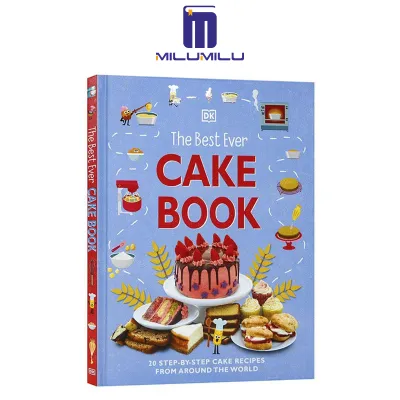
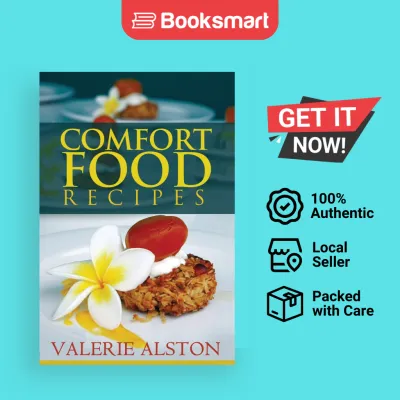
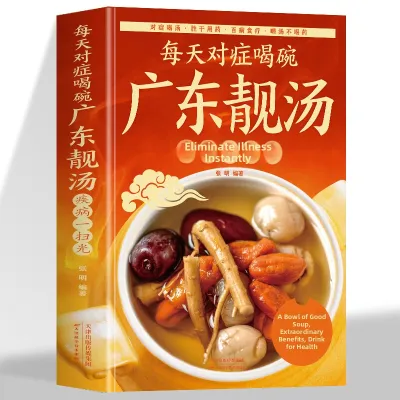
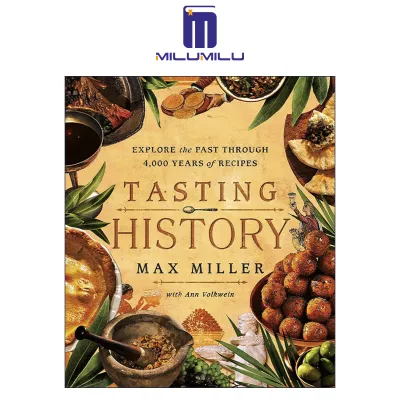
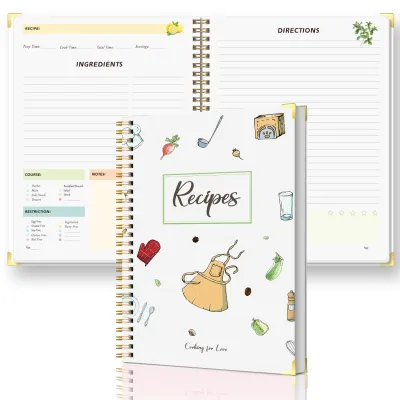
Prices are valid at publication and may change. Please refer to the product page for the latest price.
A premier beginner’s cookbook must feature structured skill progression. Rather than organizing chapters purely by meal types (such as appetizers, mains, and desserts), a teaching-focused book often structures its chapters by technique or ingredient complexity. For example, you might start with cold preparations and knife skills, progress to simple stove-top methods like boiling and poaching, move on to dry-heat methods like sautéing and roasting, and finally tackle complex processes like braising or baking. This step-by-step approach prevents cognitive overload, allowing you to master basic physical movements and heat management before taking on multi-step recipes.
Clear, descriptive step-by-step instructions are another non-negotiable criterion. Many advanced cookbooks use vague terminology, such as “sauté until done” or “season to taste,” which can be incredibly confusing for someone who has never cooked before. A beginner-friendly book provides concrete indicators and sensory cues. Instead of just listing a cooking time, it will describe what you should see, hear, and smell: “cook the onions over medium heat for 6 to 8 minutes, stirring occasionally, until they turn translucent and soft, and you hear a gentle sizzling sound.” These detailed descriptions help you calibrate your senses and understand how food changes during the cooking process.
Visual aids, such as step-by-step photographs or clear illustrations, are invaluable for visual learners. While beautiful photos of finished plates are inspiring, a beginner needs illustrations of the actual process. Look for books that include visual guides on how to hold a chef’s knife safely, how to dice different vegetables, how to carve a chicken, or what a sauce looks like when it has achieved the correct thickness (such as coating the back of a spoon). These visual reference points eliminate guesswork and help you verify your technique in real-time.
Understanding the “why” behind cooking methods is what transforms a novice into an analytical, independent cook. When a cookbook explains the science behind a technique—such as why we sear meat at a high temperature (to trigger the Maillard reaction for deep, savory flavors, not to “seal in juices”) or why we let meat rest after cooking (to allow the muscle fibers to relax and redistribute the juices)—it demystifies the entire process. Once you comprehend these underlying principles, cooking stops feeling like a high-stress chemistry experiment and starts feeling like a logical, manageable craft.
For home cooks in Singapore, ingredient accessibility is a vital factor when choosing an English cookbook. Many internationally published books are written for Western markets and assume easy access to specific seasonal produce or regional cuts of meat that are either unavailable or highly expensive in Southeast Asia. A practical beginner’s book should focus on versatile, foundational ingredients. You want to ensure that the core components of the recipes can be easily sourced from local supermarkets like NTUC FairPrice, Sheng Siong, and Cold Storage, or from neighborhood wet markets, without requiring trips to specialty import grocers.
Finally, a great beginner’s book must emphasize foundational kitchen safety and mechanics. Proper knife skills, such as the “claw grip” to protect your fingers, and basic knife maintenance are essential for preventing accidents. The book should also cover heat control across different cooktop types. This is particularly important in Singapore, where many modern HDB flats and condominiums utilize induction hobs, which heat pans much faster and differently than traditional gas stoves. Understanding how to manage these heat sources, alongside basic food safety practices like avoiding cross-contamination and storing leftovers correctly, forms the bedrock of safe, stress-free home cooking.
Top Categories of English Cookbooks for Building Foundational Skills
Not all beginners learn in the same way. Some people prefer a highly technical, scientific approach, while others want a massive reference book they can consult for any daily meal, or a conceptual guide that teaches them how to season food by instinct. To help you navigate the vast selection of books available, it is helpful to categorize them into three distinct styles.

Technique and Science-Focused Cookbooks
Technique and science-focused cookbooks treat the kitchen as a laboratory and cooking as an engaging, logical science. Instead of simply presenting a list of instructions, these books explain the physical and chemical transformations that occur when heat, acid, salt, and fat are applied to food. By understanding these mechanical processes, you learn how to control variables in the kitchen to achieve consistent, high-quality results every time.
This category is exceptionally well-suited for analytical learners who want to understand the underlying principles of culinary arts. If you are someone who asks “why” at every step of a recipe, these books will provide the satisfying, logical answers you need. They teach you how to think like a chef, focusing on concepts like protein denaturation, starch gelatinization, and oil emulsification. Well-known, highly regarded examples in this category include The Food Lab: Better Home Cooking Through Science by J. Kenji López-Alt and Salt, Fat, Acid, Heat: Mastering the Elements of Good Cooking by Samin Nosrat.
The structured learning approach in these books often involves practical drills or simple kitchen experiments. For instance, you might be guided through cooking eggs at various temperatures to observe how the whites and yolks set, or salting meat at different time intervals to see how it affects moisture retention. While this scientific approach builds an incredibly strong foundation, the learning curve can be steep. These books are dense with information and may require you to invest time in reading and practicing basic drills before you feel ready to prepare a complete, multi-course meal.
Comprehensive Kitchen Bibles
Comprehensive kitchen bibles are massive, encyclopedic reference books designed to cover almost every culinary topic imaginable. These books serve as an all-in-one guide for the home kitchen, containing thousands of recipes alongside basic preparation instructions, ingredient glossaries, and equipment guides. They are the ultimate “how-to” manuals, offering straightforward answers to daily cooking questions, whether you need to know how to boil a medium-soft egg, roast a whole chicken, or prepare a classic tomato sauce from scratch.
For beginners who want a single, highly reliable volume to guide them through daily survival cooking and meal planning, a kitchen bible is an invaluable investment. Recognized, classic examples of this style include How to Cook Everything by Mark Bittman and The Joy of Cooking by Irma S. Rombauer. These books are organized logically by food group or meal type, making it incredibly easy to look up an ingredient you have in your fridge and find multiple simple ways to prepare it.
However, because these books aim to cover such a vast range of topics, they may lack the deep, focused skill progression found in technique-specific books. They can also be physically overwhelming due to their size, often featuring pages of dense text with fewer step-by-step photographs. When purchasing a kitchen bible, it is crucial to verify that you are buying the latest revised edition. Older editions may contain outdated food safety guidelines, obsolete nutritional advice, or references to ingredients and kitchen appliances that are no longer common or practical.
Ingredient and Flavor Framework Books
Ingredient and flavor framework books focus on building your culinary intuition rather than enforcing rigid measurements or scientific formulas. These books teach you how to understand, balance, and combine flavors using the five basic tastes: salty, sweet, sour, bitter, and umami. The goal of this category is to help you develop your palate so you can taste a dish as it cooks and confidently identify what it needs to taste balanced and complete.
This style of cookbook is ideal for creative, intuitive learners who want to transition away from strictly following recipes. If you want to look at the random ingredients left in your refrigerator at the end of the week and confidently create a delicious stir-fry, soup, or pasta dish without a guide, these books provide the mental frameworks you need. A classic, highly praised example is The Flavor Thesaurus by Niki Segnit, which explores classic and creative ingredient pairings, explaining why certain flavors harmonize so beautifully.
While flavor framework books are incredibly empowering, they are best paired with a basic technique-focused book. Because these guides focus primarily on seasoning, flavor profiles, and ingredient combinations, they often assume that you already know the physical mechanics of cooking, such as how to properly sauté vegetables, sear proteins, or boil pasta. Combining a technique book with a flavor framework book gives you both the physical skills and the creative confidence needed to cook completely from scratch.
Matching Cookbook Styles to Your Learning Preference
Choosing the right English cookbook depends heavily on your personal learning style, your current kitchen setup, and your long-term culinary goals. To help you decide which approach matches your needs, the following table compares the three primary categories of beginner cookbooks across key decision-defining dimensions.
| Cookbook Category | Learning Curve | Best Use Case | Required Kitchen Equipment | Ideal Reader Profile |
|---|---|---|---|---|
| Technique & Science | Moderate to High | Deep skill building, understanding food mechanics, and mastering thermal control. | Standard tools plus a digital kitchen scale and instant-read thermometer. | Analytical thinkers who want to understand the "why" behind every step. |
| Comprehensive Bibles | Low to Moderate | Daily meal reference, quick ingredient lookup, and building a wide recipe repertoire. | Basic, standard pots, pans, and everyday kitchen utensils. | Practical cooks who want a single, reliable reference manual for daily meals. |
| Flavor Frameworks | Moderate | Learning to season, balancing tastes, and transitioning to intuitive, recipe-free cooking. | Minimal equipment; focuses heavily on sensory tasting and adjusting. | Creative, sensory-driven cooks who want to cook flexibly with available ingredients. |
For most absolute beginners, the most effective strategy is to sequence your purchases rather than trying to digest all three styles at once. Attempting to learn technical food science while simultaneously trying to cook dinner every night can lead to overwhelm. Instead, consider starting with a highly accessible comprehensive kitchen bible. This provides you with immediate, practical recipes for daily survival and helps you get comfortable with the basic routine of preparing meals at home.
Once you have established a comfortable routine and can execute basic meals, you can introduce a technique and science-focused cookbook to your collection. This will help you refine your physical skills, such as improving your knife efficiency, mastering pan heat control on your induction or gas hob, and understanding how to prevent food from sticking or drying out. Finally, as you gain physical confidence, integrate an ingredient and flavor framework book to help you break free from strict recipe dependency, allowing you to substitute ingredients easily and cook creatively with whatever is fresh at your local market.
What to Verify Before Buying a Cookbook in Singapore
Before purchasing a cookbook, particularly when shopping online or importing titles, there are several critical factors you must verify to ensure the book is practical and usable in your home kitchen.
Language and Edition Verification Always verify that you are purchasing the specific English edition you intend to buy. Many popular international cookbooks are published in multiple regional versions, such as a North American (US) edition and an international or UK/Commonwealth edition. While the cover art and title may look identical, the internal content, terminology, and measurement systems can vary significantly. Do not assume the contents of a book based solely on its cover; check the product specifications, publisher details, and edition notes before finalizing your purchase.
Measurement Units and Scale Requirements One of the most common sources of confusion for home cooks in Singapore is the difference between imperial and metric measurement systems. US editions of cookbooks rely heavily on imperial volume measurements, using cups, tablespoons, and ounces for both dry and liquid ingredients. Conversely, UK, Australian, and European editions typically use metric measurements, specifying weights in grams and volumes in milliliters.
- Volume vs. Weight: Measuring dry ingredients like flour, sugar, or chopped vegetables by volume (cups) can be highly inaccurate because of how tightly the ingredient is packed into the cup.
- Scale Necessity: If you purchase a cookbook that uses imperial measurements, it is highly recommended to invest in a reliable digital kitchen scale that can toggle between grams and ounces. This ensures high accuracy and consistent results, especially when baking or preparing delicate sauces.
- Oven Temperatures: Ensure you know whether the oven temperatures in the book are listed in Fahrenheit (°F) or Celsius (°C). Most modern ovens in Singapore use Celsius, so you will need to convert temperatures (for example, 350°F is approximately 180°C) before cooking.
Format and Device Compatibility Consider how you plan to use the cookbook within your physical kitchen space. Physical books, particularly hardcovers, offer excellent durability and are easy to reference while your hands are busy cooking. When buying a physical book, look for editions with lay-flat binding, such as spiral-bound, comb-bound, or high-quality flexibound formats. This allows the book to remain open on your kitchen counter without requiring heavy weights to hold the pages down.
If you live in a compact Singapore apartment and prefer digital formats (e-books) to save physical shelf space, verify the file format and compatibility with your specific tablet or e-reader device. Highly illustrated cookbooks with complex, multi-column layouts do not always render well on standard monochrome e-readers. For the best digital experience, ensure the book is optimized for color tablets or screens, allowing you to zoom in on step-by-step technique photographs clearly.
Ingredient Localization and Naming Differences Before committing to a cookbook, preview its ingredient lists to ensure the items are readily available in Singapore’s retail landscape. You should also familiarize yourself with common regional naming differences for ingredients. For example:
- Eggplant is commonly referred to as aubergine or brinjal in local markets.
- Zucchini is often labeled as courgette.
- Cilantro is universally known as coriander or Chinese parsley locally.
- Scallions are simply called spring onions.
Understanding these terminology differences will make sourcing ingredients at wet markets or local supermarkets much smoother. If a cookbook relies heavily on highly specific Western ingredients that cannot be easily substituted (such as specific regional fresh herbs or specialized dairy products), it may be difficult to use practically in Singapore. Look for books that teach versatile techniques that can be easily applied to local produce and proteins.
Frequently Asked Questions (FAQ)
Are digital recipe books better than physical ones for beginners?
Digital recipe books offer excellent portability, instant search functions, and the ability to scale ingredient quantities automatically, making them highly convenient for small kitchens or meal planning on the go. However, physical cookbooks remain highly practical for active cooking because they lay flat on your counter, do not require you to touch a sensitive screen with wet or greasy hands, and never suffer from battery drain or screen-timeout issues mid-recipe. The choice depends on your kitchen setup; many beginners find that a physical book is easier to follow during the high-stress moments of active cooking.
How do I adapt imperial measurements in English cookbooks for use in Singapore?
To adapt imperial measurements (such as cups, ounces, and Fahrenheit temperatures) for use in Singapore, the most reliable method is to invest in a digital kitchen scale and use a standard conversion chart. Measuring dry ingredients like flour by weight (grams) rather than volume (cups) prevents packing errors and ensures consistent results. Keep a simple conversion reference card in your kitchen or use a digital assistant to convert oven temperatures (e.g., 350°F is approximately 180°C) before you begin preheating.
Community discussion
Share your experience or ask a question. Comments are reviewed before publication.