
Stepping into the world of Japanese literature is like opening a door to a completely different way of seeing the world. From quiet, meditative slice-of-life stories to mind-bending psychological thrillers, Japanese fiction offers a unique literary landscape that captivates readers globally. For those new to this world, the sheer variety of genres and authors can feel overwhelming, but finding the right entry point makes all the difference.
Japanese storytelling often prioritizes atmosphere, emotional resonance, and internal character development over fast-paced, plot-driven action. This distinct narrative pacing, deeply rooted in cultural concepts celebrating the beauty of impermanence and quiet reflection, provides a refreshing contrast to mainstream Western fiction. By starting with highly accessible, beautifully translated editions, you can easily build a rewarding reading habit and discover why these stories resonate so deeply across borders.
How to Choose Your First Japanese Novel
Choosing your first Japanese novel depends entirely on your personal reading preferences and what you hope to experience. If you enjoy cozy, comforting stories that celebrate the beauty of everyday life, you will find a wealth of options in the healing fiction subgenre. For those who prefer intellectual puzzles and suspense, Japanese crime fiction offers highly logical, intricate mysteries that keep you guessing until the final pages. If you are drawn to dreamlike narratives where the surreal blends seamlessly with reality, magical realism is an excellent path to explore.
Products mentioned in this guide
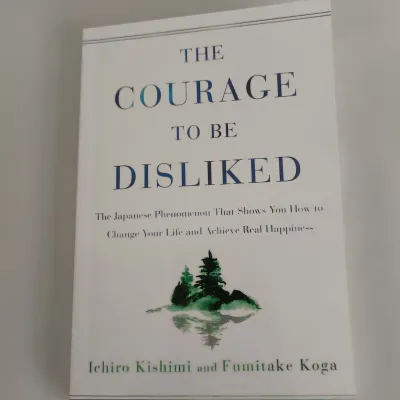
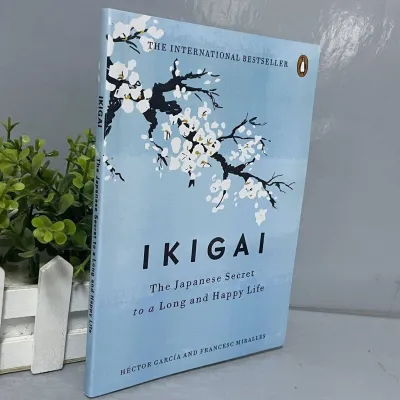
Prices are valid at publication and may change. Please refer to the product page for the latest price.
Consider the length and pacing of the book before making your purchase. For a comfortable first experience, starting with a novella or a collection of short stories is often less intimidating than diving into a massive epic. Shorter works allow you to familiarize yourself with the unique cadence of Japanese prose without committing to a lengthy volume.
Pay close attention to the translator of the edition you choose. Because translation is an art form, the translator acts as a co-author who shapes how the story flows in English. Highly acclaimed translators are known for preserving the emotional depth and cultural nuances of the original Japanese text. Checking reader reviews or reading a sample chapter online can help you ensure the translation style feels smooth and engaging to you.
Essential Classic Japanese Novels
To fully appreciate modern Japanese storytelling, it helps to understand the foundational literary works that shaped the country’s literary identity. Classic Japanese novels often reflect the profound societal shifts of the late nineteenth and twentieth centuries, exploring themes of modernization, identity, and existential isolation.

Natsume Sōseki is widely regarded as one of the most influential figures in Japanese literature. His masterpiece, Kokoro, is an exceptionally accessible classic that explores the generational divide and emotional distance between a young university student and an older, secretive man he calls “Sensei.” Set during the transition from the Meiji era to the modern age, the novel is written in clear, direct prose that makes its deep exploration of guilt, loneliness, and loyalty feel incredibly modern and relatable.
Another essential classic is Osamu Dazai’s No Longer Human. This semi-autobiographical novel is a raw, deeply moving portrayal of a young man who feels entirely alienated from society and unable to comprehend human behavior. Despite its heavy themes, the book’s intense emotional honesty and fast-paced diary format have earned it a massive, enduring following among readers worldwide, making it a powerful introduction to mid-century Japanese literature.
When reading these classic works, expect a more reflective, character-driven pace than what is common in contemporary fiction. Older translations may occasionally feel slightly formal, but modern publishers frequently release updated editions that preserve the original elegance while ensuring the language remains fluid and accessible to contemporary readers.
Highly Accessible Contemporary Japanese Fiction
If you prefer modern settings and contemporary themes, the current landscape of Japanese fiction offers some of the most creative and engaging stories in world literature. These contemporary novels serve as perfect entry points, combining relatable modern dilemmas with unique cultural backdrops.
For an introduction to magical realism, Haruki Murakami’s Norwegian Wood is an ideal starting point. Unlike his more surreal, dreamlike epics, this novel is a nostalgic, realistic drama set in 1960s Tokyo. It follows a young college student navigating grief, love, and mental health, written in Murakami’s signature melancholic yet highly readable style. It provides a gentle introduction to his themes before you dive into his more fantastical works.
If you love suspense, Keigo Higashino’s The Devotion of Suspect X is a brilliant contemporary thriller. This novel subverts the traditional mystery format by revealing the killer early on, transforming the story into an intense, highly logical battle of wits between a brilliant detective and an equally genius mathematics teacher. It is fast-paced, incredibly clever, and showcases the meticulous plotting that defines modern Japanese crime fiction.
For a shorter, quirkier read, Sayaka Murata’s Convenience Store Woman offers a sharp and humorous critique of societal conformity. The story follows a thirty-six-year-old woman who finds peace and purpose working in a highly structured convenience store, despite constant pressure from family and society to find a traditional career and marriage. It is a delightful, easy-to-read novella that raises profound questions about what it means to fit into modern society.
Another exceptional contemporary choice is Yoko Ogawa’s The Memory Police. This hauntingly beautiful dystopian novel takes place on an island where concepts, objects, and memories are systematically disappeared by a mysterious police force. It is a quiet, atmospheric exploration of loss, memory, and the power of the human spirit, written in elegant, accessible prose that lingers long after you finish the final page.
While these contemporary novels are highly engaging, be prepared for themes that often touch on isolation, existential reflection, or open-ended conclusions. Japanese fiction frequently embraces ambiguity, leaving the final interpretation of the story to the reader rather than wrapping up every plot point neatly.
Where to Buy Japanese Books in Singapore
Sourcing English-translated Japanese novels in Singapore is incredibly convenient, thanks to a vibrant local literary scene and well-stocked bookstores. Whether you prefer browsing physical shelves or shopping online, you have several excellent options to explore.
For the widest selection of Japanese literature, visit major bookstore chains with dedicated foreign or translated fiction sections. The flagship Kinokuniya bookstore at Ngee Ann City on Orchard Road is a legendary destination for book lovers, boasting an extensive collection of Japanese novels in both English translation and the original Japanese. Their shelves are meticulously organized, making it easy to discover new releases, classic masterpieces, and indie translations.
If you enjoy a more curated shopping experience, explore local independent bookstores in neighborhoods like Tiong Bahru or the Bras Basah area. These independent shops often feature handpicked selections of translated fiction, complete with staff recommendations and reviews attached to the covers. Supporting these local businesses is a wonderful way to discover hidden literary gems that you might not find in larger retail chains.
Before making a purchase, you can use online bookstore platforms or local library catalogs to check stock availability and compare different editions. The National Library Board of Singapore offers an extensive digital collection of translated Japanese fiction, allowing you to borrow e-books and audiobooks instantly through mobile reading applications. This is a highly cost-effective way to sample different authors and genres before investing in physical copies for your personal bookshelf.
Frequently Asked Questions (FAQ)
Should I read Japanese books in English or try learning the language first?
You should absolutely start reading Japanese books in English right away. Learning Japanese to a level where you can comfortably read complex literary prose takes years of dedicated study, and waiting prevents you from enjoying these incredible stories today. Professional translators do an outstanding job of capturing the voice, tone, and cultural nuances of the original authors. Reading translated works can actually deepen your appreciation for Japanese culture and serve as a powerful motivator if you do eventually decide to study the language.
Are manga and light novels considered Japanese fiction?
Yes, manga and light novels are highly significant formats within the broader landscape of Japanese fiction. While traditional novels rely entirely on prose, manga uses sequential art to tell stories, and light novels are fast-paced, highly illustrated books primarily targeted at young adults. Both formats offer incredibly diverse storytelling, ranging from fantasy epics to slice-of-life dramas. They complement traditional literature beautifully, providing alternative entry points into Japanese culture and narrative styles for readers of all ages.
Community discussion
Share your experience or ask a question. Comments are reviewed before publication.