
To learn korean language skills successfully from scratch, the ideal textbook depends on your study environment and long-term goals. For independent self-study, Talk To Me In Korean (TTMIK) Level 1 and Go! Billy Korean: Learn Korean in 15 Minutes a Day are the premier choices, offering clear English-based grammar explanations and highly accessible structures. If you are learning with a tutor or enrolled in a formal class, university-published textbooks like Sogang Korean 1A (which prioritises spoken communication) or Yonsei Korean 1-1 (which focuses on academic grammar and TOPIK preparation) offer the structured depth required for formal education.
Selecting the wrong textbook can lead to early frustration, especially when dealing with a completely different writing system and sentence structure. By matching a textbook’s pedagogical style to your personal learning habits, you can build a sustainable study routine and make steady progress toward fluency.
How to Evaluate Korean Textbooks for Absolute Beginners
Choosing your first textbook requires looking beyond the cover design and examining how the material is structured. Because Korean belongs to a completely different language family than English, the way a book introduces foundational concepts will directly impact your learning speed and retention.
Products mentioned in this guide
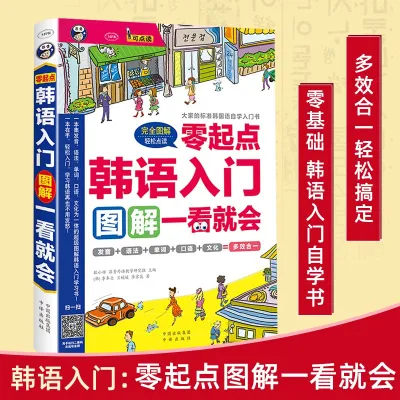
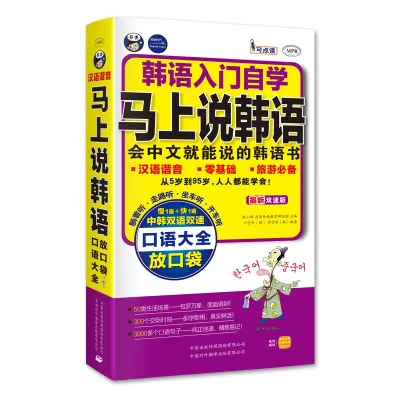
Prices are valid at publication and may change. Please refer to the product page for the latest price.
Learning Goal Alignment
Before purchasing any material, clarify whether your goal is casual travel preparation, long-term self-study, or rigorous academic progression. Travel-focused books prioritise memorising pre-made phrases and phonetics, which is helpful for quick trips but insufficient for building actual fluency. Self-study textbooks focus on practical, conversational grammar with clear English explanations. Academic or TOPIK (Test of Proficiency in Korean) preparation textbooks focus on formal grammar rules, extensive writing exercises, and systematic vocabulary acquisition.
Hangul (Alphabet) Introduction
An absolute beginner must verify how a textbook introduces Hangul, the Korean alphabet. Avoid books that rely heavily on Romanisation (writing Korean words using English letters) past the first few chapters. Romanisation can lead to poor pronunciation habits and slow down your reading speed. Look for textbooks that dedicate their initial chapters to stroke order, syllable block construction, and final consonants (받침, batchim), ensuring you transition to reading actual Korean characters as quickly as possible.
Grammar Explanation Style
Korean grammar features unique elements like subject-verb-object differences (Korean uses Subject-Object-Verb) and particles that indicate grammatical roles. If you are studying independently, you need a textbook that provides detailed English-based breakdowns of these concepts. Immersive, Korean-only or bilingual textbooks with minimal English explanations are highly effective in a classroom setting where a teacher can clarify nuances, but they can be incredibly confusing if you are studying alone.
Supplementary Resources
Language learning requires multi-sensory input, making supplementary materials essential. Always check if the textbook includes high-quality audio recordings for listening practice and pronunciation verification. Many modern textbooks provide these via QR codes, companion websites, or mobile apps rather than physical CDs. Additionally, verify if the textbook has a companion workbook available, as active writing and translation practice are crucial for cementing grammar rules in your memory.
Best Korean Textbooks for Independent Self-Study
Independent learners need textbooks that act as patient guides. The following books are designed specifically for self-study, featuring clear explanations, engaging layouts, and extensive support systems that do not require a native speaker on standby to explain the lessons.

Talk To Me In Korean (TTMIK) Level 1
Talk To Me In Korean (TTMIK) Level 1 is widely regarded as one of the most accessible entry points for English-speaking beginners. Developed by native instructors who specialise in teaching Korean as a foreign language, this book breaks down complex grammatical concepts into friendly, conversational lessons.
- Structure & Approach: This textbook features 30 short, bite-sized lessons that focus on essential everyday grammar and conversational phrases. The curriculum avoids dry, academic jargon, opting instead for natural explanations that show how native speakers actually communicate in modern-day Seoul.
- Strengths: The book is backed by an extensive digital ecosystem. Learners can access high-quality audio tracks, video lessons, and online quizzes that complement the physical text. The tone is highly encouraging, making it easy to stay motivated during daily study sessions.
- Limitations: The primary textbook is relatively light on writing practice and structural exercises. To truly master spelling, stroke order, and sentence construction, you will need to purchase the companion Talk To Me In Korean Level 1 Workbook separately.
- Best For: Casual learners, busy professionals, and anyone who prefers short, highly digestible daily study sessions over dense academic reading.
Go! Billy Korean: Learn Korean in 15 Minutes a Day
Written by a non-native speaker who achieved professional fluency, Go! Billy Korean: Learn Korean in 15 Minutes a Day offers a highly structured and analytical approach to self-study. The author’s unique perspective allows him to anticipate and address the exact questions and pain points that English speakers encounter.
- Structure & Approach: The textbook is designed to be worked through systematically, with each chapter introducing a manageable amount of vocabulary, grammar, and cultural context. It features a comprehensive introduction to Hangul, detailed pronunciation guides, and practical dialogue practice.
- Strengths: This book excels in its thorough, logical grammar explanations. It does not gloss over difficult rules, explaining the "why" behind Korean sentence structures clearly. It also includes integrated practice exercises at the end of each chapter and is supported by a massive library of free video lessons on the author's YouTube channel.
- Limitations: The chapters are packed with information, which can feel dense or overwhelming for learners who prefer a visual, minimalist layout or a slower conversational pace.
- Best For: Disciplined self-learners who want a comprehensive, highly detailed, and logically structured curriculum in a single, affordable volume.
Top University Textbooks for Structured and Tutor-Guided Learning
If you plan to take formal language classes, work with a private tutor, or prefer a highly academic and immersive approach, university-level textbooks are the industry standard. These books are designed by leading Korean academic institutions to build professional-grade language skills.
Sogang Korean 1A
Published by Sogang University’s Korean Language Education Center, Sogang Korean 1A is famous for its communicative approach. While many traditional textbooks focus heavily on grammar memorisation, this series prioritises speaking and active interaction.
- Structure & Approach: The curriculum is built around real-world conversational scenarios. Each unit introduces key vocabulary and grammar patterns through interactive dialogues, role-playing activities, and listening exercises designed to get students speaking immediately.
- Strengths: The dialogues are highly natural and reflect modern, everyday speech. The layout is colourful, engaging, and heavily illustrated, making classroom activities dynamic and helping students build conversational confidence quickly.
- Limitations: Because the book is designed for classroom use, the grammar explanations in the main student's book are extremely brief. To understand the underlying rules during self-study, you must purchase the separate Sogang Korean 1A Grammar and Vocabulary Companion, which contains the necessary English translations and detailed explanations.
- Best For: Students enrolled in formal language schools, learners working with a private tutor, or anyone whose primary goal is spoken fluency and rapid conversational confidence.
Yonsei Korean 1-1
Published by Yonsei University, one of Korea’s prestigious “SKY” universities, Yonsei Korean 1-1 represents the traditional, academic approach to language learning. It is highly regarded for its systematic structure and rigorous academic standards.
- Structure & Approach: The textbook is divided into highly structured units that systematically cover the four core language skills: reading, writing, listening, and speaking. It features comprehensive vocabulary lists, formal grammar breakdowns, and structured reading comprehension passages.
- Strengths: This series provides an exceptionally strong grammatical foundation. The vocabulary lists are extensive, and the exercises are closely aligned with the format and skill requirements of the TOPIK I exam, making it an excellent choice for academic preparation.
- Limitations: The tone of the textbook is quite formal and academic. It features fewer illustrations and less focus on casual, everyday slang or rapid conversational shortcuts, which can feel dry to casual hobbyists.
- Best For: Serious students aiming for long-term academic or professional proficiency, university exchange applicants, and those who thrive in traditional, structured educational environments.
Quick Comparison: Self-Study vs. University Textbooks
To help you decide which path fits your current lifestyle and learning preferences, the table below compares the key attributes of each recommended beginner textbook.
| Textbook Name | Best Learning Environment | Grammar Explanation Style | Primary Focus | Key Supplementary Need |
|---|---|---|---|---|
| TTMIK Level 1 | Independent Self-Study | Friendly, conversational English explanations | Practical everyday phrases | Companion Workbook for writing practice |
| Go! Billy Korean | Independent Self-Study | Detailed, analytical English breakdowns | Comprehensive grammar & structure | Companion audio files & YouTube videos |
| Sogang Korean 1A | Classroom / Tutor-guided | Brief, bilingual notes (requires grammar guide) | Spoken fluency & interactive dialogue | Companion Grammar Book & Tutor guidance |
| Yonsei Korean 1-1 | Classroom / Tutor-guided | Formal, academic structural breakdowns | TOPIK preparation & formal grammar | Workbook & Tutor guidance |
Where to Buy Authentic Korean Textbooks in Singapore
When buying foreign language textbooks in Singapore, it is vital to purchase from authorised sources to ensure you receive authentic editions with complete content, clear printing, and valid digital access codes.
Physical Bookstores
For those who prefer to browse books in person before making a purchase, established local retailers are your best option. Books Kinokuniya (particularly the main store at Ngee Ann City on Orchard Road) features an extensive foreign language learning section. Here, you can physically compare the layouts of TTMIK, Go! Billy, and various university textbooks to see which visual style suits you best. Other local independent bookstores or specialty educational shops may occasionally stock beginner language materials, though Kinokuniya offers the most reliable inventory.
Online Channels
If you prefer online shopping, you can purchase directly from official publisher websites or through verified, highly rated sellers on major local ecommerce platforms and online marketplaces. When shopping online, look for sellers that specialize in educational imports or official Korean bookstores to avoid low-quality, pirated reprints that often suffer from missing pages, blurry text, or non-functional audio download links.
Pre-Purchase Verification
Before finalizing your purchase, perform the following quality checks:
- Check the Language of Instruction: Many university textbooks (like Sogang or Yonsei) are published in multiple versions. Ensure you are purchasing the English-medium edition (which contains English explanations) rather than the editions designed for Japanese, Chinese, or monolingual Korean speakers.
- Verify Audio Access: Confirm how the audio files are delivered. Older editions may still advertise physical CDs, whereas newer printings utilize QR codes, companion apps, or direct MP3 download links. Ensure your study devices are compatible with the specified format.
- Review Edition Completeness: Some curricula split their beginner level into multiple volumes (e.g., Yonsei Korean 1-1 and 1-2). Double-check the table of contents to ensure you are starting with the absolute beginner volume that introduces Hangul.
Frequently Asked Questions (FAQ)
Do I need to learn Hangul before using these textbooks?
Yes, it is highly recommended to learn Hangul before starting chapter one of any beginner textbook. While most of these books include a brief introductory chapter on the Korean alphabet, relying on English Romanisation past the first few days can severely damage your long-term pronunciation, reading speed, and listening comprehension. Dedicating a few days to mastering Hangul using free online videos, interactive charts, or writing apps before opening your textbook will make your transition into grammar and vocabulary lessons significantly smoother and more rewarding.
Are digital versions (e-books) as effective as physical textbooks for beginners?
For absolute beginners, physical textbooks are generally more effective because they allow you to write directly on the pages, which is essential for developing muscle memory when learning a new script like Hangul. Physical books also make it easier to flip back and forth between vocabulary lists, grammar reference pages, and exercises without screen fatigue. However, digital e-books offer excellent portability, instant search functions, and seamless integration with embedded audio files. If you choose a digital version, consider keeping a physical notebook nearby specifically for handwriting practice and sentence construction drills.
Community discussion
Share your experience or ask a question. Comments are reviewed before publication.