
Choosing your first musical instrument is a balancing act between cost, playability, and sound quality. For complete beginners, Lanikai ukuleles stand out as an exceptionally reliable entry point. Selecting the right model depends on matching the body size to your physical comfort, understanding how local environmental factors influence the instrument’s longevity, and choosing a series that fits your budget and musical goals.
By focusing on structural integrity and player-centric design, Lanikai has built a reputation for producing beginner-friendly instruments that avoid the common pitfalls of cheap alternatives. Whether you are looking for a low-maintenance travel companion or a resonant solid-top model to grow into, understanding the brand’s offerings will help you make an informed investment that keeps you motivated to practice.
Why Lanikai is a Reliable Starting Point
When starting your musical journey, the quality of your first instrument directly impacts how quickly you progress and how much you enjoy the process. Lanikai has established itself as a preferred brand for novices because they design instruments with a primary focus on playability. Unlike generic “toy” ukuleles often found in novelty shops, a dedicated instrument brand like Lanikai ensures proper scale calibration. This means the frets are precisely placed so that the notes remain in tune with one another as you move up the neck.
Products mentioned in this guide



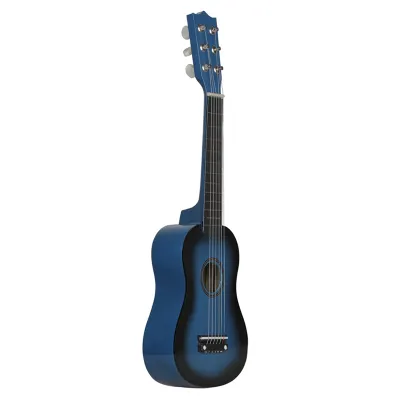
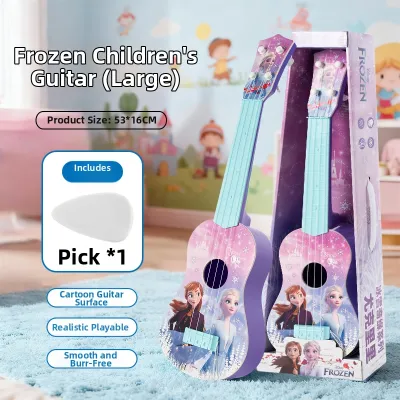
Prices are valid at publication and may change. Please refer to the product page for the latest price.
Cheap, unbranded ukuleles frequently suffer from high action, which is the physical distance between the strings and the fretboard. High action requires excessive finger pressure to fretting notes, leading to early hand fatigue and sore fingertips for beginners. Lanikai addresses this by utilizing comfortable, slim “C” neck profiles and maintaining consistent factory fretwork. This attention to detail ensures that strings are easy to press down across the entire fretboard, allowing you to focus on learning chord shapes rather than fighting the instrument.
Furthermore, Lanikai instruments benefit from rigorous quality control and thoughtful packaging. Many of their beginner-oriented models are sold as complete bundles that include essential accessories, such as a padded gig bag and a basic tuner. These additions provide immediate value, saving you the hassle of sourcing compatible accessories separately. By investing in a reputable brand, you ensure that your first ukulele is a genuine musical tool designed to support your development rather than a frustrating obstacle.
Matching Ukulele Size and Tonewood to Your Needs
Before selecting a specific model line, you must decide on the physical dimensions and material composition of your instrument. These decisions dictate not only how the ukulele feels in your hands but also how it responds to your playing style and local climate.

Size Selection
Ukuleles primarily come in three standard sizes: Soprano, Concert, and Tenor. Each size offers a distinct physical feel and acoustic profile:
- Soprano (approx. 21 inches): This is the traditional ukulele size. It produces a bright, plucky, classic sound. While highly portable and charming, its short scale length and narrow fret spacing can feel cramped for adult hands or players with wider fingers.
- Concert (approx. 23 inches): Offering a longer neck and wider fretboard, the Concert size provides more room to maneuver. It delivers a fuller midrange tone with slightly more volume and projection than a soprano, making it the most popular starting size for adult beginners.
- Tenor (approx. 26 inches): The Tenor size features a deeper body and longer scale, resulting in a rich, resonant, almost guitar-like sound. It is highly favored by players interested in fingerpicking and solo arrangements due to its extended fret range and increased string tension.
To choose the best fit, match the size to your physical hand size and your tonal preferences. If you have larger hands, starting with a Concert or Tenor will significantly reduce accidental string muting.
Tonewood Choices
The materials used to construct the ukulele body play a massive role in its sound, price, and durability. Beginners must choose between laminate wood and solid wood options:
- Laminate Wood: Constructed from multiple thin layers of wood pressed together, laminate is highly durable, affordable, and exceptionally resistant to changes in temperature and moisture. While it does not vibrate as freely as solid wood, modern laminate manufacturing allows Lanikai to produce surprisingly warm and clear tones.
- Solid Wood Tops: Made from a single piece of seasoned timber, a solid wood top vibrates more freely, offering superior projection, richer overtones, and a tone that matures and improves the more the instrument is played. However, solid wood is highly sensitive to environmental shifts and requires dedicated care.
Climate Considerations
Living in a tropical environment like Singapore introduces specific challenges for wooden musical instruments. The natural climate is characterized by high relative humidity, often exceeding 80% outdoors. However, many homes and offices rely heavily on air-conditioning, which rapidly dries out indoor air. Moving a solid wood ukulele constantly between hot, humid outdoor spaces and cool, dry indoor environments causes the wood fibers to expand and contract rapidly.
This thermal and moisture stress can lead to structural damage, such as seam separation, neck warping, or top cracking. For beginners who may not want to manage specialized case humidification systems, a laminate wood ukulele or a laminate-body model with a solid top represents a highly pragmatic, low-maintenance choice. These configurations withstand environmental transitions without compromising playability or requiring constant monitoring.
Which Lanikai Series Fits Your Beginner Goals?
Lanikai organizes its catalog into distinct series based on materials, aesthetics, and built-in electronics. Rather than searching for a single elusive model number, beginners should identify which series aligns with their budget, aesthetic preferences, and long-term musical goals.
Standard Laminate Models for Budget and Durability
For those who want to test the waters of learning the ukulele without a significant financial commitment, Lanikai’s standard laminate models are the most logical starting point. These instruments are typically constructed from laminate Mahogany or Nato, a tonewood with physical and acoustic properties similar to mahogany. These models deliver a classic, warm sound with plenty of mid-range clarity.
Because they are constructed entirely of laminate wood, they are incredibly robust. They can easily survive accidental bumps, outdoor trips, or being left on a stand in a family living room. When exploring this entry-level tier, look for models featuring chrome geared tuning machines rather than older friction pegs. Geared tuners provide a smooth, precise turning ratio, making it simple to dial in the correct pitch and ensuring the instrument stays in tune through extended practice sessions. These models generally fall in the S$120 to S$180 price bracket, making them highly accessible for younger players and casual hobbyists.
Solid Top and Acacia/Koa Models for Richer Tone
If you are committed to learning the instrument and want a richer, more expressive sound from day one, look toward Lanikai’s solid-top or premium tonewood series. These models often feature a solid Spruce or solid Cedar top paired with laminate back and sides, or they are crafted entirely from visually striking woods like Acacia and Koa. A solid Spruce top provides a bright, punchy sound with excellent projection, while Cedar offers a warmer, mellower voice. Acacia and Koa are traditional Hawaiian tonewoods known for their complex mid-range warmth and beautiful grain patterns.
These intermediate-level instruments offer a noticeable sonic upgrade, providing longer sustain and more distinct note separation when strumming chords. To support this improved acoustic performance, Lanikai equips these models with upgraded component materials. Look for specifications detailing NuBone nuts and saddles. NuBone is a synthetic material designed to transfer string vibration more efficiently to the soundboard than standard plastic, improving sustain and tone. While these models require a slightly higher initial investment—often ranging from S$250 to S$450—and demand more careful climate care, they provide an inspiring sound that will satisfy your ears long after you have mastered the basic chords.
Acoustic-Electric Options for Future Performers
Some beginners start their musical journey with the explicit goal of performing on stage, recording their progress on a computer, or playing alongside others in a church or community group. If you anticipate needing to amplify your sound, choosing an acoustic-electric Lanikai model is a wise decision. These models are designated by an “E” in their model codes and come equipped with an internal pickup system and a side-mounted preamp.
The primary advantage of an acoustic-electric model is convenience. The built-in preamp typically features volume and tone controls, allowing you to shape your sound directly from the instrument. More importantly, they almost always include an onboard chromatic tuner. This allows you to tune silently and quickly without needing to clip an external device onto your headstock. While these models carry a price premium over purely acoustic versions, they save you the substantial cost, hassle, and potential structural risk of trying to install an aftermarket pickup system later. They allow you to plug directly into an amplifier, audio interface, or PA system whenever you are ready to share your music.
What to Inspect When Your Ukulele Arrives
Whether you purchase your Lanikai ukulele from a local physical store or order it through a reputable online retailer, performing a thorough physical inspection upon arrival is essential. This ensures that the instrument has survived transit undamaged and is set up correctly for optimal playability.
Action and Intonation
Begin by checking the string height, or action. If the action is too high, pressing down on the strings will be painful and difficult, which can quickly discourage a beginner. If the action is too low, the strings will vibrate against the metal frets, causing an annoying buzzing sound. To check this, look at the gap between the bottom of the strings and the top of the 12th fret. It should generally sit around 2.5mm to 3.0mm. Next, play every single note on the fretboard, fret by fret, on every string. Listen closely for any buzzing or dead notes. If a note buzzes, it may indicate an uneven fret or a neck that requires adjustment.
Fret Sprout
Fret sprout occurs when the wooden fingerboard shrinks due to dry conditions, causing the metal fret ends to protrude past the edge of the neck. This is a common issue with instruments that have spent time in dry, air-conditioned warehouses or cargo holds. To inspect for this, gently slide your thumb and index finger along both sides of the neck from the body up to the headstock. The edges should feel smooth. If you feel sharp metal edges catching on your skin, the instrument has fret sprout. While a professional technician can easily file these down, severe fret sprout on a brand-new instrument can be uncomfortable to play and may warrant an exchange.
Tuning Stability
New ukuleles are equipped with brand-new nylon or fluorocarbon strings. These synthetic materials are highly elastic and will naturally stretch significantly when first tuned. Do not be alarmed if your new ukulele goes completely out of tune within minutes of your first tuning session. To speed up this settling-in process, gently stretch each string by pulling it upward away from the fretboard a few times, then retuning. Repeat this process until the strings hold their pitch. Once the strings are stretched, verify that the tuning machines turn smoothly and do not slip backward under string tension.
Accessory Verification
If you purchased your ukulele as part of a beginner bundle, cross-reference the physical items in your box with the retailer’s product listing. Ensure that the gig bag is free of ripped seams or broken zippers, that the clip-on tuner functions and includes a battery, and that any advertised straps, picks, or cleaning cloths are present. Verifying these details immediately allows you to contact the seller promptly to resolve any discrepancies before you begin your learning journey.
Frequently Asked Questions (FAQ)
Do I need a concert or soprano Lanikai ukulele as an adult beginner?
While the soprano is the classic, highly portable size, most adult beginners find a concert-sized Lanikai ukulele much easier to play. The concert size features a longer neck and wider spacing between the frets, which prevents your fingers from feeling crowded when forming complex chords like G7 or E minor. Additionally, the slightly larger body of a concert model produces a louder, more balanced sound with better projection, making it easier to hear your own playing and correct mistakes. If you have very small hands or prioritize maximum portability, a soprano is a fine choice, but for general adult learning, the concert size offers superior ergonomics.
Are Lanikai ukuleles shipped with good strings, or should I upgrade them?
Lanikai ukuleles generally ship from the factory equipped with high-quality strings, often from reputable brands like Aquila. These strings are made from Nylgut, a synthetic material designed to mimic the warm, rich tone of traditional gut strings while offering superior durability and tuning stability. For a complete beginner, these factory-installed strings are excellent and do not need to be upgraded immediately. You should plan to keep them on your instrument for the first six to twelve months of learning. Only consider upgrading or replacing them when you notice the strings becoming physically worn, developing rough spots from fret contact, or losing their bright, lively acoustic tone.
How do I protect my Lanikai ukulele from Singapore's humidity?
To protect your ukulele from Singapore’s high humidity and rapid temperature shifts, avoid leaving it exposed on an open wall hanger or floor stand, especially in rooms where air-conditioning is turned on and off frequently. Instead, store your ukulele inside its padded gig bag or a dedicated hard case when you are not playing. Place one or two small silica gel packets or a specialized two-way humidity control pack inside the case to absorb excess moisture. Additionally, never leave your instrument in direct sunlight, near open windows during rainstorms, or inside a parked car, as extreme heat and moisture fluctuations can weaken the glue joints and warp the wood.
Community discussion
Share your experience or ask a question. Comments are reviewed before publication.