
Selecting your very first musical instrument is an exciting milestone, but the sheer variety of options can quickly feel overwhelming. For those starting their musical journey, the Makala line by Kala is widely regarded as one of the most reliable and budget-friendly entry points.
The best Makala ukulele model for a complete beginner is the Makala MK-C (Concert) or the Makala MK-S (Soprano) from the classic MK series. These models offer the ideal balance of traditional wood construction, warm acoustic tone, and highly accessible pricing, typically ranging from S$60 to S$100 in Singapore. For beginners who prioritize rugged durability, outdoor playability, or complete resistance to tropical humidity, the Makala Waterman series serves as the ultimate alternative. The right model for you ultimately depends on your physical hand size, your preferred acoustic resonance, and the environment where you plan to practice.
Understanding the Makala Beginner Lineup: MK, Dolphin, and Waterman
To make an informed decision, it is essential to understand how the Makala brand structures its beginner-friendly instrument families. While all Makala instruments share a commitment to proper fret alignment and reliable playability, they differ significantly in their materials, aesthetics, and structural designs.
Products mentioned in this guide
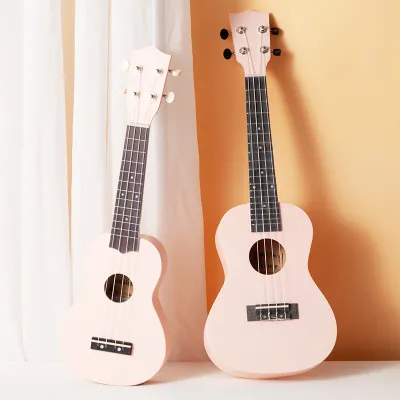
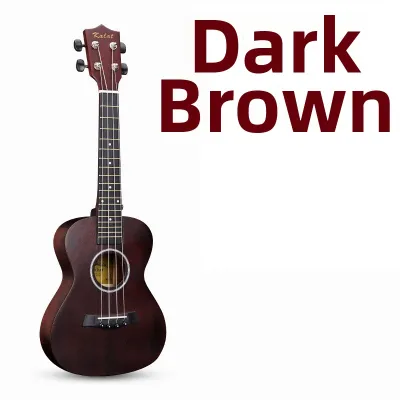
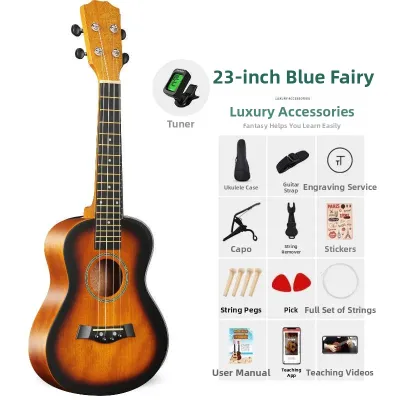
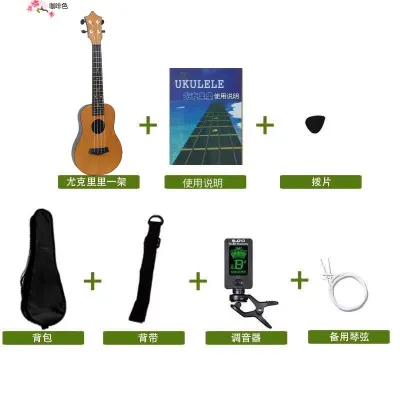
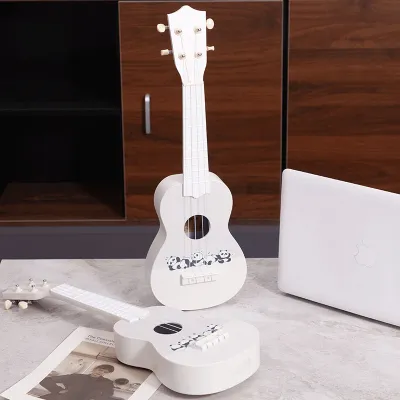
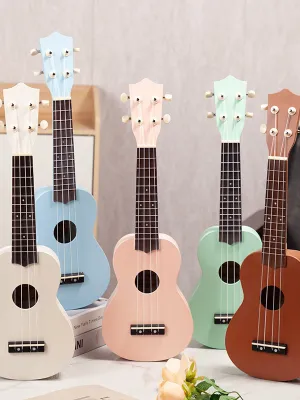
Prices are valid at publication and may change. Please refer to the product page for the latest price.
The Classic MK Series (Agathis and Mahogany)
The classic MK series represents the traditional heart of the Makala lineup. These instruments are constructed primarily with wood, featuring either Agathis or Mahogany tops, backs, and sides, finished with a smooth satin coating.
- MK-S (Soprano): The traditional, compact model that delivers the classic, bright ukulele chirp.
- MK-C (Concert): A mid-sized model offering a slightly deeper tone and more fretboard space.
- MK-T (Tenor): The largest of the standard trio, providing a richer, warmer voice and longer scale length.
Agathis is a lightweight tonewood that provides excellent sound projection and a bright, clear tone, making it highly suitable for traditional strumming. Mahogany models, which are often introduced in updated iterations of the MK line, offer a slightly warmer, more focused midrange. When browsing, always check the specific product label or manufacturer specification sheet to verify the exact top wood, as this determines both the visual grain pattern and the subtle tonal characteristics of the instrument.
The Dolphin and Shark Series
The Dolphin and Shark series are famous for their vibrant, high-gloss finishes and unique, animal-shaped bridges. These models utilize a hybrid construction method, pairing a molded composite back and sides with a traditional wood top (typically Agathis).
This hybrid design makes them exceptionally durable and less sensitive to physical impacts than all-wood models, while the wood top ensures they still sound like a genuine musical instrument rather than a plastic toy. They maintain standard scale lengths and proper fret spacing, meaning a beginner can learn correct finger placement and technique without compromise. They are highly favored by younger players or anyone who wants a fun, visually striking instrument that stands out in a classroom or social setting.
The Waterman Series
Designed as a tribute to the vintage Maccaferri plastic ukuleles of the 1950s, the Waterman series is constructed entirely from injection-molded ABS plastic. This material choice makes the instrument completely water-resistant, highly durable, and remarkably easy to clean.
For players living in Singapore, the Waterman is highly practical. Traditional wood instruments are highly sensitive to sudden changes in humidity and temperature, such as moving from a heavily air-conditioned room to the humid outdoors. The Waterman is entirely immune to these environmental fluctuations, making it the perfect companion for beach outings at Sentosa, outdoor camping, or casual backyard gatherings. While it lacks the complex acoustic resonance and warmth of a wood instrument, its sheer resilience makes it an incredibly practical secondary or travel instrument.
Choosing the Right Size for Your Hands and Playing Goals
Ukuleles come in several standard sizes, and choosing the right scale length is the single most important factor affecting your physical comfort and playing ease. The three primary sizes in the Makala lineup each cater to different hand sizes and musical preferences.

Soprano (The Traditional Choice)
The Soprano is the smallest standard ukulele size, featuring a scale length of approximately 13 inches (33 cm) and an overall length of around 21 inches. This is the classic size that most people picture when they think of a ukulele, producing a bright, punchy, and distinctly traditional sound.
Because of its compact dimensions, the Soprano is incredibly portable and lightweight, making it an excellent fit for children and adults with smaller hands. However, the frets on a Soprano are spaced closely together. Adults with larger fingers may find it challenging to squeeze multiple fingers into tight chord shapes, such as D major or B flat, without accidentally muting adjacent strings. If you have larger hands, you may need to focus on precise finger placement or consider stepping up to a larger size.
Concert (The Comfortable Middle Ground)
The Concert size features a scale length of approximately 15 inches (38 cm) and an overall length of 23 inches. It is widely considered the “sweet spot” for adult beginners who want to balance the traditional portability of the ukulele with enhanced physical playability.
The longer neck and wider fret spacing of the Concert model provide your fingers with more room to maneuver, making complex chord transitions and fingerpicking patterns significantly easier to execute. Additionally, the larger body cavity acts as a natural amplifier, producing a louder, fuller, and more balanced tone with slightly more bass response than a Soprano. For most adults starting from scratch, the Concert size offers the most comfortable and rewarding learning experience.
Tenor (The Guitar-Like Feel)
The Tenor is the largest of the three standard beginner sizes, boasting a scale length of approximately 17 inches (43 cm) and an overall length of 26 inches. It delivers a much deeper, warmer, and more resonant tone that begins to approach the voice of a classical nylon-string guitar.
This size is highly recommended for players transitioning from the acoustic guitar, as the string tension is slightly higher and the fretboard feel is more familiar. The extra space between the frets allows for intricate fretwork and solo arrangements high up on the neck. However, the Tenor size typically commands a higher price point than its smaller siblings, and its larger body makes it slightly less portable. The increased string tension also means your fingertips may require a bit more time to build up calluses during the first few weeks of practice.
Material and Build Choices: Wood vs. Climate-Resistant Plastic
Your choice of material directly impacts how your ukulele sounds, how it handles the local climate, and how much maintenance it will require over its lifespan.
Wood vs. Composite/Plastic Bodies
Traditional wood instruments, like the Makala MK series, possess a natural resonance that plastic cannot fully replicate. As a wood ukulele is played over the years, the wood fibers gradually loosen and dry, allowing the instrument to mature and develop a richer, more complex acoustic character. However, wood is a living, porous material that breathes. Singapore’s tropical climate, characterized by high relative humidity (frequently exceeding 80%) and rapid shifts to dry air-conditioned spaces, can place physical stress on wood joints, potentially leading to warping, wood swelling, or bridge separation over time.
In contrast, the ABS plastic construction of the Waterman series is completely stable. It will not warp, crack, or swell, regardless of how humid or dry the environment is. While the acoustic tone of plastic is more focused, slightly thinner, and lacks the warm overtones of aged wood, the trade-off is absolute peace of mind. If you plan to store your instrument in a non-climate-controlled room or take it outdoors frequently, plastic or composite models offer unmatched durability. If you choose a wood model, always consult the manufacturer’s care instructions for guidelines on safe storage and humidity management.
Geared vs. Friction Tuners
A major source of frustration for beginner ukulele players is an instrument that constantly slips out of tune. The type of tuning pegs installed on the headstock plays a critical role in maintaining pitch stability.
- Geared Tuners: These feature a visible metal gear mechanism (usually with a 14:1 gear ratio). This means you must turn the tuning peg 14 times for the string post to complete one full rotation. This mechanical advantage allows for highly precise, incremental tuning adjustments and prevents the string tension from slipping backward.
- Friction Tuners: These rely entirely on a screw tightened through the headstock to hold the peg in place via friction. They are lighter and maintain a traditional vintage look, but they are notorious for slipping if the screw becomes slightly loose, making fine-tuning exceptionally difficult for beginners.
Most modern Makala MK and Dolphin models come equipped with geared tuners, which we strongly recommend for anyone starting out. Always verify the tuner type in the product specifications before finalized your purchase, as older stock or specific vintage-style models may still utilize friction pegs.
What to Verify Before You Buy: Online and In-Store Checks
To ensure you receive a high-quality instrument that is easy and comfortable to play, perform a few essential checks before finalizing your purchase, whether you are shopping online or visiting a local music shop in Singapore.
For Online Buyers
- Verify the Model Code: Double-check the exact model number and size code (for example, MK-C for Concert versus MK-S for Soprano) in your digital cart. Isolated product photos can look identical, making it easy to accidentally order the wrong scale length.
- Inspect the Bundle Contents: Many online retailers offer beginner bundles. Verify if the listing includes essential accessories such as a padded gig bag, a strap, or a clip-on tuner, or if these items must be purchased separately.
- Review the Return Policy: Ensure the e-commerce platform or music retailer has a clear, robust return policy that covers manufacturing defects or physical damage sustained during transit.
- Authorized Sources: Always purchase from an authorized local dealer to ensure you receive a genuine Makala product and are covered by the manufacturer's warranty.
For In-Store Buyers
- Check for Fret Sprout: Run your thumb and index finger gently along both sides of the neck. The metal fret ends should feel smooth and flush with the wood. If they feel sharp or snag your skin, the wood has likely dried out and shrunk, a common issue in poorly climate-controlled storage facilities.
- Examine the String Action: Look at the gap between the strings and the fretboard, especially around the 12th fret. The action should be low enough that you can press the strings down easily without straining your fingers, but not so low that the strings buzz against the frets when strummed.
- Test the Tuning Pegs: Turn each tuning peg slowly. They should rotate smoothly and evenly, without any sudden slipping, grinding, or loose play in the gears.
Crucial Setup Reminder
When you first unbox your new Makala ukulele, you will find that it goes out of tune almost immediately—sometimes within minutes of playing. Do not panic; this is entirely normal and is not a product defect. New ukuleles are strung with nylon or fluorocarbon strings, which possess high elasticity. These strings require several days of continuous stretching and frequent retuning before they settle and hold their pitch reliably. To speed up this break-in period, you can gently stretch each string upward away from the fretboard along its entire length, retune, and repeat the process a few times.
Frequently Asked Questions (FAQ)
Do I need to buy a separate tuner for a Makala ukulele?
Yes, having a reliable tuner is essential for any beginner. While some online retail bundles include a clip-on chromatic tuner, standard standalone listings often do not. While you can use free smartphone tuning apps as a temporary solution, a dedicated clip-on tuner is highly recommended. Clip-on tuners detect the physical vibrations of the headstock rather than relying on a microphone, allowing you to tune your instrument accurately even in noisy environments.
Are Makala ukuleles good for young children?
Makala ukuleles are outstanding options for young children. The Soprano size is particularly well-suited for small hands and short arms, allowing children to hold and play the instrument comfortably. For younger children who may be prone to dropping things, the highly durable Dolphin or Waterman series are excellent choices. Their composite and plastic builds can easily withstand the minor bumps, drops, and rough handling that would typically crack or damage a traditional wood instrument.
How do I care for a wood Makala ukulele in a humid climate?
To protect a wood Makala ukulele in a highly humid environment like Singapore, store the instrument in its padded gig bag or a hard case when it is not in use, rather than leaving it exposed on a wall hanger. Avoid placing the instrument in direct sunlight, near open windows, or directly in the path of cold air-conditioning vents, as rapid temperature shifts can warp the wood. Review the manufacturer’s care instructions for specific climate recommendations, and consider using a small, two-way humidity control packet inside the case to maintain a stable, safe environment for the wood.
Community discussion
Share your experience or ask a question. Comments are reviewed before publication.