
Embarking on your Mandarin language journey requires a strategic combination of physical textbooks and digital tools. For absolute beginners, the most effective path to conversational fluency and reading literacy lies in pairing structured, paper-based grammar instruction with interactive mobile applications that provide real-time pronunciation feedback. This dual-method approach ensures you build a solid grammatical foundation while training your ear to recognize tonal variations from day one.
Selecting the right starting materials prevents early burnout and saves you from purchasing resources that are either too advanced or poorly structured. By aligning your learning tools with your specific goals—whether you are studying for academic certification, business communication, or casual travel—you can create a highly efficient, personalized curriculum that fits seamlessly into your daily routine.
How to Choose the Right Resources for Your First "Nihao"
To successfully transition from a complete novice to confidently pronouncing your very first “nihao” and other essential greetings, you must evaluate the structural features of any resource before purchasing. The absolute non-negotiable elements for beginner materials are clear Pinyin (the official romanization system) introductions, tone pronunciation guides, and step-by-step stroke order demonstrations. Without these foundational pillars, you will struggle to connect spoken sounds with written characters, leading to persistent pronunciation errors that are difficult to correct later.
Products mentioned in this guide
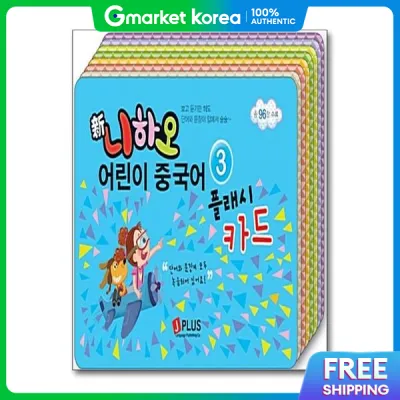
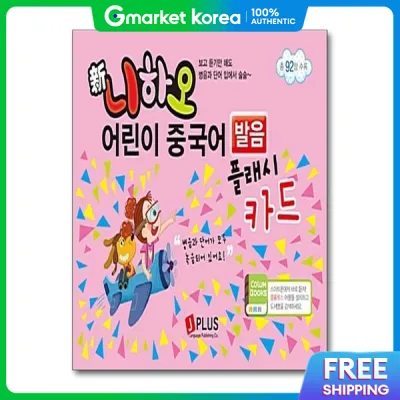
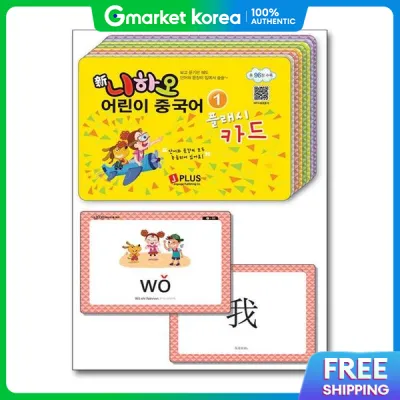
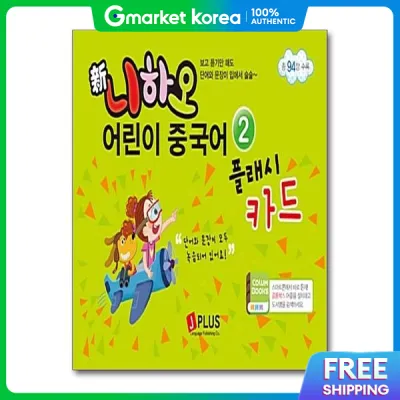
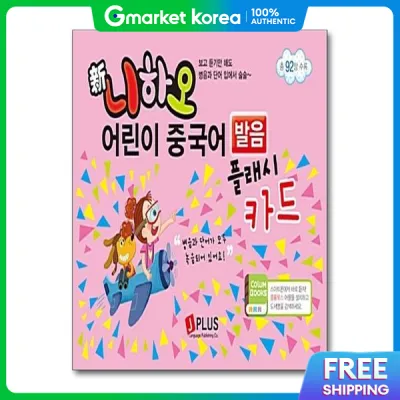
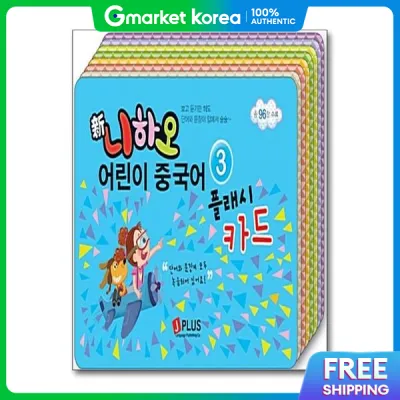
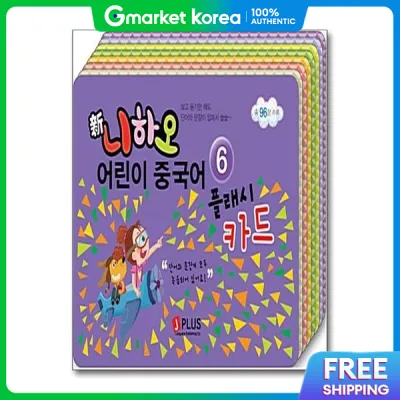
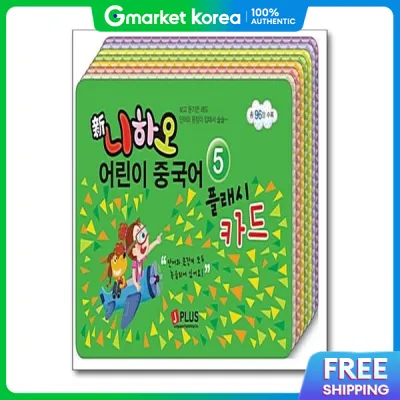
Prices are valid at publication and may change. Please refer to the product page for the latest price.
Your choice of resources should also reflect whether you are pursuing academic, structured learning or casual, travel-oriented learning. Academic textbooks focus heavily on grammar rules, formal sentence structures, and character writing, which are essential for long-term fluency but require a significant time investment. Conversely, casual guides and phrasebooks prioritize immediate conversational survival skills, teaching you how to navigate daily interactions without requiring a deep dive into complex grammatical theory.
Before committing to any physical book or digital subscription, you must verify which character set is utilized. Simplified characters are standard in Singapore and Mainland China, making them the logical choice for most local learners. Traditional characters are used in Taiwan, Hong Kong, and Macau; if your primary travel or business goals lie in these regions, you should purchase materials specifically tailored to the traditional script to avoid confusion.
Finally, never buy a text-only physical book without verifying its audio components. Modern language learning requires active listening, so look for publications that offer integrated digital access via QR codes, companion websites, or downloadable audio files. Avoid older editions that rely solely on physical CDs unless you have a compatible player, and always verify that the audio features native speakers pronouncing the vocabulary clearly and at a manageable pace.
Top Physical Books for Foundational Vocabulary and Grammar
Comprehensive Textbooks for Structured Learning
For learners who desire a systematic, classroom-style progression, comprehensive textbooks are the gold standard. These structured books typically feature progressive chapters that introduce grammar rules incrementally, supported by dedicated vocabulary lists, cultural notes, and companion workbooks. A well-designed textbook ensures that you do not encounter advanced grammar patterns prematurely, building your confidence through logical, step-by-step progression.

The primary advantage of structured textbooks is their academic rigor, which guarantees a thorough understanding of sentence patterns and syntax. However, this depth can sometimes feel dense or dry for self-directed learners, and completing these courses requires a high level of personal discipline. Additionally, these systems often require you to purchase the textbook and the workbook separately, which can increase your initial investment.
When purchasing a structured textbook, always verify the edition year to ensure you are learning modern, relevant vocabulary rather than outdated terminology. Check the publisher’s specifications to confirm if the workbook companion is included or must be bought as a separate volume, and ensure the audio access codes are intact. If you are buying a used copy, be aware that single-use digital registration codes for online audio portals may already be expired or redeemed.
In Singapore, you can find authorized editions of popular textbook series at major physical bookstores like Kinokuniya or through established local academic distributors. Be cautious when browsing online marketplaces, as unauthorized reprints are common; these low-quality copies often suffer from blurry printing, missing pages, and non-functional audio download links. Expect to pay between S$40 and S$80 for a high-quality, authorized beginner textbook and workbook set.
Visual Guides and Phrasebooks for Casual Learners
If your goal is to acquire basic conversational skills for an upcoming holiday or a casual hobby, visual guides and phrasebooks are highly efficient alternatives to heavy academic textbooks. These resources rely on illustrations, color-coded layouts, and visual mnemonics to help you memorize high-frequency vocabulary and recognize common signs. They are designed for quick reference, allowing you to locate essential phrases instantly when ordering food, asking for directions, or shopping.
Mnemonic-based visual books are particularly effective for character recognition, as they break down complex logograms into memorable illustrations based on their historical origins. By associating the shape of a character with a physical object, you can build a recognition vocabulary much faster than through rote memorization alone. This visual approach lowers the barrier to entry, making the early stages of learning feel highly engaging and accessible.
The trade-off is that visual guides and phrasebooks rarely teach complex grammar, long-form reading, or formal writing systems. They are designed to help you survive daily encounters, not to prepare you for professional business discussions or advanced proficiency exams. If you choose this path, accept that your grammatical understanding will remain limited until you transition to more structured materials.
Before purchasing a visual guide, check the index to ensure the vocabulary covers practical, modern scenarios rather than archaic travel terms. Verify that the book includes a clear pronunciation key for its phonetic spellings, as reading simplified phonetics without a tone guide can lead to incomprehensible pronunciation. Many modern visual guides also feature companion smartphone apps that play the audio for each illustrated word, which is an invaluable feature for verifying your pronunciation on the go.
Essential Digital Tools and Apps for Daily Practice
Gamified Apps for Bite-Sized Lessons
Gamified language learning applications are excellent tools for establishing a daily study habit and building early confidence. These platforms break down complex language concepts into short, five-to-ten-minute interactive challenges that feel more like a puzzle game than a study session. By utilizing game design elements such as daily streaks, experience points, and virtual rewards, these apps encourage consistent daily engagement.
When selecting a gamified app, prioritize platforms that offer robust speech recognition technology to analyze your tone pronunciation. Because Mandarin is a tonal language where a shift in pitch changes the meaning of a word, real-time feedback on your spoken output is critical. Look also for apps that incorporate spaced repetition algorithms to automatically retest you on vocabulary words just as you are about to forget them, and interactive character-tracing interfaces that teach correct stroke directions.
These apps are ideal for mastering basic greetings, numbers, and simple sentence structures during your daily commute on the MRT. However, they have distinct limitations; gamified platforms often gloss over deeper grammatical explanations and can create a false sense of security through multiple-choice prompts. To develop true conversational fluency, you must eventually supplement app usage with reading longer passages and practicing writing.
Most gamified apps operate on a freemium model, offering basic lessons for free while locking advanced features, offline access, and detailed grammar tips behind a monthly subscription. Subscription fees typically range from S$10 to S$25 per month. If you plan to study during your daily commute, verify whether the premium tier allows you to download lessons for offline use, ensuring uninterrupted practice even in underground transit stations.
Dedicated Dictionaries and Reading Assistants
General-purpose translation applications are notoriously unreliable for absolute Mandarin beginners, as they frequently provide literal translations that lack proper grammatical structure. They also fail to provide critical learning details such as individual character breakdowns, radical origins, stroke order animations, or precise tone diagrams. For these reasons, a dedicated Mandarin dictionary application is an absolute necessity from your very first week of study.
A high-quality dictionary app must include optical character recognition (OCR), which allows you to point your phone’s camera at a physical book, menu, or street sign to instantly view the Pinyin, definition, and stroke order. It should also support handwriting input, enabling you to draw unfamiliar characters directly on your screen to identify them even if you do not know their pronunciation. Clipboard reading assistants are another vital feature, automatically translating copied text when you browse local websites or messaging apps.
Once you install a dedicated dictionary app, take the time to configure the settings to match your current learning goals. Set the primary display to show the character set you are actively studying (Simplified or Traditional) and choose your preferred Pinyin or Zhuyin phonetic display. Many advanced dictionary apps also allow you to export searched words directly into custom digital flashcard decks, streamlining your vocabulary review sessions.
Supplementary Audio and Spaced Repetition Tools
To complement your physical books and primary apps, you should integrate dedicated audio resources and digital flashcard systems into your study routine. Podcast-style audio courses are incredibly valuable for developing listening comprehension, as they present natural conversations between native speakers and then break down the vocabulary, grammar, and cultural context at a slower pace. These audio lessons help train your ear to distinguish between subtle tonal differences in natural speech patterns.
For vocabulary retention, digital Spaced Repetition Systems (SRS) are far more efficient than traditional paper flashcards. SRS applications use mathematical algorithms to schedule reviews of specific words based on how easily you recalled them in previous sessions. Harder words are shown more frequently, while easy words are pushed further out, maximizing your memorization efficiency and preventing the cognitive fatigue associated with reviewing words you already know well.
You can easily integrate SRS tools with your chosen physical textbook by searching online database repositories for pre-made user decks that match your textbook’s specific chapters. Alternatively, creating your own digital deck by manually inputting vocabulary from your weekly lessons is an excellent active-learning exercise. This practice ensures that your digital review sessions directly reinforce the formal grammar concepts you are studying in your physical books.
Before subscribing to any premium podcast feed or audio service, listen to several free trial episodes to assess the audio quality and the chemistry between the hosts. Ensure that the program features native speakers with clear, standard accents, rather than regional dialects that might confuse a beginner. High-quality audio programs should also provide downloadable PDF transcripts and vocabulary worksheets to help you follow along visually while you listen.
Building a Balanced Study Routine with Your Picks
To avoid resource overload and cognitive burnout, you must establish a balanced, sustainable weekly study routine that coordinates your physical and digital tools. A common mistake among absolute beginners is “resource hoarding”—purchasing multiple textbooks, downloading five different apps, and subscribing to several podcasts simultaneously. This scattershot approach leads to fragmentation, as each resource uses a slightly different vocabulary progression and grammatical framework.
Instead, select one core physical textbook to serve as your primary syllabus and one dedicated dictionary app for daily reference. Limit your active app usage to a single gamified platform for quick daily warm-ups and vocabulary reviews. A highly effective weekly workflow involves dedicating two or three focused 45-minute sessions to your physical textbook on weekends, while using your daily 15-minute commutes to complete app lessons and review SRS flashcards.
Set realistic, measurable milestones for your first 30 days of study rather than aiming for vague conversational fluency. Focus on mastering the Pinyin pronunciation system, understanding the four basic tones (plus the neutral tone), learning to introduce yourself, and recognizing your first 50 high-frequency characters. By keeping your initial goals narrow and your resource selection highly focused, you will build a resilient foundation that supports long-term language acquisition.
Frequently Asked Questions (FAQ)
Do I need to learn to write Chinese characters by hand?
While learning to write Chinese characters by hand requires a significant time commitment, it offers profound cognitive benefits for absolute beginners. Physically writing out characters helps reinforce muscle memory and deepens your understanding of radical structures, making it much easier to visually distinguish between similar-looking characters when reading. Practicing correct stroke order also teaches you the underlying logic of the script, which directly improves your reading speed.
However, in the modern digital age, the vast majority of daily communication is conducted via digital typing using Pinyin input systems. If your primary goal is conversational fluency or basic reading comprehension for travel, you do not need to master the hand-writing of thousands of complex characters. A practical compromise is to practice writing the first 100 to 200 basic radicals and high-frequency characters by hand to understand the structural logic, and then transition to digital recognition and keyboard typing for your ongoing studies.
Should I choose simplified or traditional characters as a beginner?
Your choice between simplified and traditional characters should align directly with your primary geographical, professional, or cultural goals. Simplified characters are the official standard in Singapore and Mainland China, making them highly practical for local business, daily life, and academic pursuits in these regions. Because they have fewer strokes, they are generally faster for beginners to learn to read and write.
Traditional characters are preserved in Taiwan, Hong Kong, Macau, and many overseas historical communities. If your primary interest lies in traditional calligraphy, classical literature, or traveling extensively in Taiwan, committing to traditional characters from the start is highly recommended. While modern digital dictionaries and translation apps allow you to toggle seamlessly between both scripts with a single tap, physical textbooks require a firm commitment at the point of purchase, so choose the system that best matches your long-term objectives.
Community discussion
Share your experience or ask a question. Comments are reviewed before publication.