
Building financial literacy is one of the most impactful steps you can take toward long-term security and personal freedom. While the world of personal finance can seem overwhelming with its complex jargon and endless investment options, the right money book can simplify these concepts into actionable steps. For beginners, a well-chosen book serves as a structured roadmap, helping you transition from financial anxiety to confident decision-making.
The key to starting this journey is recognizing that financial literacy is not a one-size-fits-all subject. Different books address different stages of your financial life, whether you are trying to escape the cycle of living paycheck to paycheck, learning how to grow your savings, or reshaping your psychological relationship with spending. By understanding how to select and apply the principles found in these texts, you can build a solid foundation that aligns with your personal goals and local economic reality.
How to Choose the Right Money Book for Your Financial Goals
Before purchasing any personal finance book, it is essential to evaluate your current financial literacy and identify your most pressing pain points. If you find yourself struggling to keep track of where your salary goes each month, your immediate need is cash flow management rather than complex investment strategies. Conversely, if you already have a healthy emergency fund but your money is sitting idle in a low-interest savings account, you should look for books that demystify long-term wealth building and basic investing.
Products mentioned in this guide
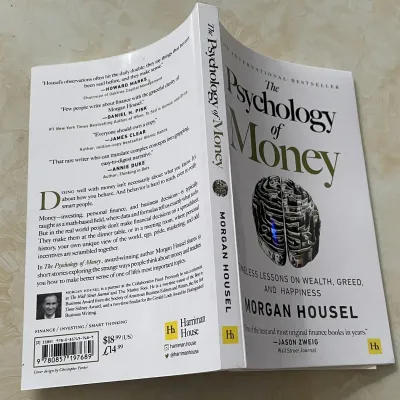

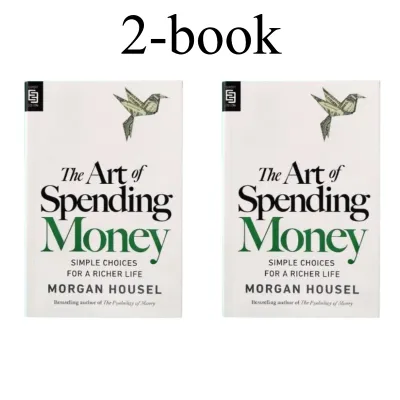

Prices are valid at publication and may change. Please refer to the product page for the latest price.
Matching a book’s theme to your specific goals prevents information overload. Beginners often make the mistake of buying advanced investing guides when they actually need to master basic budgeting first. Take a moment to write down your primary financial objective for the next six to twelve months. If your goal is to clear high-interest debt, prioritize books written by authors who specialize in debt-reduction frameworks. If you want to understand how to make your money work for you over decades, seek out titles focused on index funds and compound interest.
Another critical factor is checking the publication date and regional relevance of the book. Financial landscapes evolve, and tax laws, retirement account structures, and investment platforms change over time. While foundational psychological principles remain timeless, tactical advice regarding tax-advantaged accounts or specific investment vehicles may be outdated if the book was published decades ago. Always verify whether the core strategies can be adapted to your local financial system, especially when reading books written for foreign markets.
Recommended Money Books Categorized by Financial Focus
Personal finance is a multi-disciplinary subject encompassing budgeting, investing, debt management, and behavioral psychology. Because no single book can cover all of these areas with equal depth, the most effective way to build your library is to categorize books by their primary focus. This structured approach allows you to systematically address your financial vulnerabilities one step at a time.

Instead of trying to absorb everything at once, guide your learning journey by selecting one category that addresses your most urgent financial need. Once you have implemented the strategies from that category, you can logically progress to the next stage of your financial education.
Books for Budgeting and Cash Flow Management
For those who struggle with month-end cash flow or find themselves living paycheck to paycheck, books focused on budgeting and cash flow management are the ideal starting point. These texts focus on the fundamental mechanics of money: tracking income, categorizing expenses, and establishing a reliable emergency fund. They provide the practical tools needed to gain control over daily spending habits and stop the cycle of financial stress.
When exploring this category, look for books that explain core concepts such as zero-based budgeting, where every dollar is assigned a specific purpose before the month begins, or the envelope system, which limits spending in specific categories using physical or digital boundaries. These frameworks are designed to build discipline and create a clear boundary between essential needs and discretionary wants.
What to look for in summaries:
- Actionable templates: Look for books that offer downloadable worksheets or step-by-step guides to setting up your first budget.
- Debt reduction strategies: Ensure the book covers structured methods for paying off debt, such as the debt snowball or debt avalanche methods.
- Emergency fund guidelines: The text should provide clear rules on how to calculate and store your emergency savings safely.
Classic titles in this space often emphasize behavioral discipline over complex mathematics, making them highly accessible to absolute beginners who need immediate, practical relief from financial disorganization.
Books for Investing Basics and Wealth Building
Once you have stabilized your cash flow and built a basic savings cushion, you are ready to transition to books that focus on investing basics and wealth building. These guides are designed to demystify the stock market, explain how compound interest works over time, and introduce low-cost investment strategies. The goal of this category is to help you transition from a saver to an investor, ensuring your money keeps pace with inflation.
In these books, you should expect to learn about risk tolerance, asset allocation, and the fundamental differences between active trading and passive investing. Highly regarded introductory texts typically advocate for long-term, passive investing strategies using index funds or exchange-traded funds (ETFs), as these methods require minimal daily management and have historically provided steady returns for retail investors.
Key verification steps for readers:
- Local market translation: Many popular investing books are written by American authors and reference US-specific accounts like the 401(k) or Roth IRA. You must verify how these concepts translate to your local market, such as utilizing Singapore's Central Provident Fund (CPF) or the Supplementary Retirement Scheme (SRS).
- Fee structures: Pay close attention to sections discussing investment fees, as high management fees can significantly erode your returns over time.
- Risk assessment: Ensure the book provides a realistic framework for assessing your personal risk tolerance before you commit any capital.
Books for Financial Psychology and Mindset
Many people understand the basic math of personal finance—spend less than you earn and invest the difference—yet still struggle to build wealth. This gap between knowledge and action is where books on financial psychology and mindset become invaluable. These texts explore the emotional, cultural, and behavioral factors that influence how we interact with money, helping readers identify and correct self-sabotaging habits.
Core themes in this category include understanding your personal “money story,” overcoming impulse spending triggered by social pressure, and redefining what true wealth means. Rather than offering spreadsheets and mathematical formulas, these books focus on shifting your perspective from short-term gratification to long-term financial independence.
How mindset books complement technical guides:
- Building sustainable habits: While a budgeting book tells you how to save, a psychology book explains why you struggle to save and how to build the mental discipline to stay consistent.
- Managing market anxiety: Understanding the psychology of risk helps you remain calm during market downturns, preventing panic-selling.
- Redefining success: These books help you decouple your self-worth from material possessions, reducing the urge to inflate your lifestyle as your income grows.
How to Apply Book Concepts to Your Personal Finances
Reading a personal finance book is only the first step; the real value lies in translating theoretical advice into daily habits. To avoid becoming overwhelmed by the sheer volume of information, start by implementing just one small, manageable habit at a time. For example, instead of attempting to completely overhaul your lifestyle overnight, focus on automating a small monthly transfer of S$50 or S$100 into a separate savings account on your payday. This simple action builds momentum without requiring constant willpower.
As you read, it is crucial to adapt general financial advice to your local economic and institutional context. If a book heavily emphasizes saving for retirement through foreign tax-advantaged accounts, take the time to research the equivalent systems available to you. In Singapore, this means understanding how to optimize your CPF Ordinary and Special Accounts, or exploring the tax benefits of contributing to the Supplementary Retirement Scheme (SRS). Adapting these concepts ensures you are not discarding valuable strategic advice simply because the terminology differs from your local system.
Finally, establish a simple tracking system to measure your progress based on the frameworks introduced in your chosen book. This does not require complex software; a basic spreadsheet or a dedicated notebook is often sufficient. Track key metrics such as your monthly savings rate, your total debt balance, or the growth of your emergency fund. Regularly reviewing these numbers keeps you accountable and provides visual proof that the concepts you are reading about are delivering real-world results.
Where to Buy and How to Choose the Right Format
Choosing the right format for your money books depends heavily on your personal learning style and daily routine. Physical books are excellent for active study, allowing you to highlight key passages, write notes in the margins, and easily flip back to reference charts or tables. E-books offer convenience and portability, making it easy to carry an entire financial library on a single device. Audiobooks are ideal for busy individuals who want to utilize their commute or exercise time to absorb financial concepts, though they may make it harder to study complex financial tables.
Before committing to a purchase, consider utilizing local public libraries or digital library applications to preview titles. In Singapore, the National Library Board (NLB) offers an extensive collection of physical books, e-books, and audiobooks through digital platforms like Libby. Borrowing a book first allows you to assess whether the author’s writing style and level of detail match your current needs before you invest your money in a permanent copy.
When you are ready to buy, purchase your books through reputable online marketplaces, local brick-and-mortar bookstores, or official publisher channels. Always verify that you are purchasing the latest edition of the book. Publishers frequently update personal finance titles to reflect changes in tax laws, market conditions, and digital tools, ensuring you receive the most accurate and relevant advice possible.
Frequently Asked Questions (FAQ)
How many personal finance books should a beginner read?
Beginners should avoid the trap of reading dozens of personal finance books in rapid succession, as this often leads to analysis paralysis due to conflicting advice. Instead, aim to read one foundational book that covers basic budgeting and cash flow management, and focus entirely on implementing its principles for three to six months. Once those habits are firmly established, you can read a second book focused on investing basics. Consuming books sequentially and prioritizing action over consumption is the most effective way to build lasting financial literacy.
Are money management books applicable to different income levels?
Yes, the core principles of money management—such as tracking expenses, spending less than you earn, and understanding compound interest—apply universally across all income levels. However, the tactical application of these principles must be adjusted based on your individual circumstances. A reader with a lower income may need to focus heavily on cash flow optimization and finding ways to increase their earning potential, while a higher-income reader might focus more on tax optimization and advanced asset allocation. The fundamental rules remain the same, but the scale and specific strategies will vary.
Community discussion
Share your experience or ask a question. Comments are reviewed before publication.