
Choosing the right non-fiction book to transform your daily routines requires looking past bestseller lists and eye-catching covers. The most effective book is not the one with the highest sales, but the one whose underlying behavioral framework matches your personal cognitive style, lifestyle constraints, and specific self-improvement goals.
To build lasting habits, you must approach the self-help and behavioral science genres with a structured selection strategy. This guide outlines how to define your goals, evaluate competing psychological frameworks, choose the right media format, and translate written pages into daily action.
Define Your Habit Goals Before Choosing a Book
Before browsing online bookstores or visiting a local library, you must clarify what you want to achieve. Habit-formation literature generally falls into three distinct categories: breaking deeply ingrained negative behaviors, establishing entirely new routines, or optimizing existing workflows for peak productivity. A book that excels at helping someone stop smoking or overspending may use completely different psychological mechanisms than one designed to help an entrepreneur scale their daily output.
Products mentioned in this guide
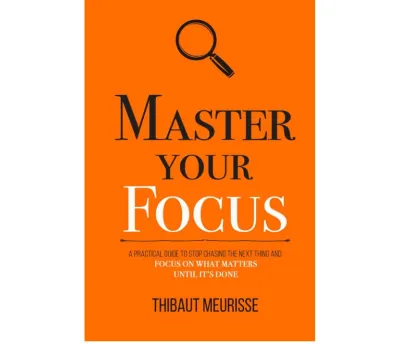
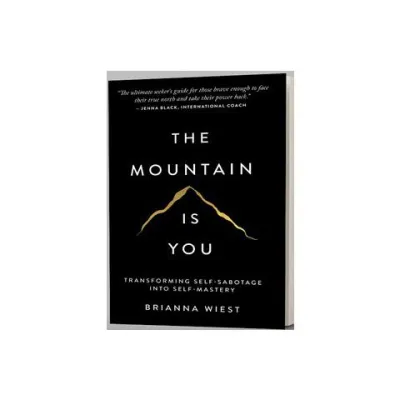

Prices are valid at publication and may change. Please refer to the product page for the latest price.
Understanding your preferred learning style is equally critical. Some readers thrive on dense, scientific explanations that detail neurological pathways and cognitive studies, finding that intellectual conviction drives their motivation. Others require highly structured, step-by-step frameworks with worksheets and clear rules, while some prefer narrative-driven, motivational accounts that inspire action through storytelling. Identifying which style resonates with you prevents the common pitfall of buying a book that you abandon after two chapters.
Take a moment to analyze your current routine pain points. Are you struggling with the initial friction of starting a task, or do you find yourself abandoning new routines after a few weeks? If initiation is your primary hurdle, look for books focusing on micro-habits and reducing friction. If long-term consistency is your struggle, prioritize authors who address identity shifts, accountability systems, and emotional resilience.
Key Frameworks to Look for in Habit-Formation Books
When evaluating potential books, look closely at the core methodology the author proposes. The two most prominent schools of thought in modern behavioral literature are behavior-driven models and identity-based approaches. Behavior-driven models focus on external triggers, environmental design, and immediate rewards, treating habit formation as a mechanical process of conditioning. These frameworks are highly effective for concrete, physical routines like exercising daily or keeping a tidy workspace.

Conversely, identity-based approaches argue that lasting behavioral change must start from within. These methodologies encourage you to focus on the type of person you wish to become rather than the specific outcomes you want to achieve. For instance, instead of focusing on writing five hundred words a day, you focus on adopting the identity of a writer. This shift in self-perception naturally aligns your daily choices with your desired habits, making it highly suitable for long-term lifestyle transformations.
Beyond the theoretical foundation, assess the practicality of the book’s implementation systems. A robust habit book should offer clear guidance on tracking progress, designing your physical and digital environments, and establishing accountability. Look for frameworks that acknowledge human limitations rather than relying solely on willpower. If a book suggests that sheer discipline is the key to success, it likely ignores modern psychological consensus, which emphasizes that environment design and friction reduction are far more reliable than mental effort.
Finally, ensure the proposed framework fits your specific lifestyle constraints. A methodology that requires complex daily journaling, elaborate tracking apps, or rigid morning routines may not be sustainable if you have a demanding work schedule or family commitments. Choose a book that offers flexible, modular strategies that you can easily adapt to your existing lifestyle without causing additional stress or decision fatigue.
How to Evaluate Book Formats and Editions
The medium through which you consume a book significantly impacts how well you retain and apply its concepts. Physical books remain a premier choice for active study, allowing you to easily highlight key passages, write notes in the margins, and flip back and forth between chapters to reference diagrams or worksheets. The tactile experience of holding a physical copy can also create a dedicated mental space for learning, free from the digital distractions of notifications and screen glare.
E-books offer unparalleled convenience and portability, making it easy to carry an entire library of self-improvement titles on a single device. Most modern e-readers feature robust highlighting and search functions, allowing you to quickly compile your favorite quotes and actionable steps into a digital study guide. If you choose this format, ensure your e-reader or reading app is compatible with your existing devices and supports seamless syncing across your phone, tablet, and computer.
Audiobooks are exceptionally well-suited for busy individuals who wish to utilize passive listening time during daily commutes, household chores, or exercise sessions. However, because habit-building books often contain complex frameworks and step-by-step instructions, audiobooks can make active retention more challenging. If you prefer audio, verify whether the publisher provides a supplementary PDF containing the book’s charts, worksheets, and summaries, which are crucial for practical implementation.
When purchasing non-fiction books, especially those translated from other languages, pay close attention to the specific edition and translation quality. Look for authorized, unabridged editions to ensure you do not miss critical context, case studies, or scientific explanations. Additionally, check for regional availability and digital rights management restrictions on e-books and audiobooks, as certain titles or specific narrators may be restricted depending on your location.
Building Your Personalized Habit-Book Shortlist
With thousands of self-help titles available, creating a curated shortlist is essential to avoid information overload. Start by downloading free sample chapters or reading detailed publisher summaries online. This allows you to evaluate the author’s writing style, tone, and clarity before committing to a purchase. If an author’s prose feels overly repetitive, academic, or excessively promotional within the first chapter, it is highly likely you will struggle to finish the book.
When researching reader reviews on online marketplaces or book community platforms, look past the initial five-star hype. Focus instead on critical, detailed reviews that discuss the long-term implementation of the book’s advice. Search for feedback from readers who have attempted to apply the book’s methods for six months or more. These reviews often highlight the practical limitations, hidden challenges, and realistic outcomes of the author’s framework, providing a much more accurate picture of the book’s actual utility.
Budgeting is another practical consideration when building your shortlist. In Singapore, a high-quality non-fiction paperback or e-book typically ranges from S$15 to S$35, while audiobooks or premium hardcovers can cost more. To maximize your investment, allocate a specific budget for your habit-building library and prioritize purchasing one book at a time. This financial discipline not only prevents overspending but also encourages you to thoroughly read and implement your chosen book before moving on to the next title.
Integrating Book Insights Into Your Daily Routine
The ultimate value of a non-fiction book lies not in how quickly you read it, but in how effectively you apply its principles. To bridge the gap between consumption and action, use the very principles of habit formation to establish a dedicated reading routine. Set a small, friction-free goal, such as reading just five pages every morning with your coffee, or listening to ten minutes of an audiobook during your daily commute. By linking your reading to an existing anchor habit, you ensure consistent progress.
As you read, create an actionable checklist of concepts you want to test. Rather than attempting to overhaul your entire life at once, select just one core technique or framework to implement each week. For example, you might spend one week optimizing your workspace to reduce distractions, and the following week testing a new habit-tracking method. This slow, deliberate approach allows you to isolate variables and determine which specific strategies actually work for your unique personality and environment.
Finally, establish a regular review mechanism to assess your progress. At the end of each month, evaluate whether the methods you adopted from the book are yielding positive results. If a particular tracking system feels too cumbersome or a routine is causing unnecessary stress, do not hesitate to modify or abandon it. The goal is to build a personalized system of habits that serves your life, not to follow an author’s instructions with rigid, counterproductive perfectionism.
Frequently Asked Questions (FAQ)
Should I read multiple habit books at the same time?
It is generally best to focus on one habit-formation book at a time. Reading multiple titles concurrently can lead to framework confusion, as different authors often use conflicting terminology or propose opposing methodologies. This cognitive overload can easily result in analysis paralysis, where you spend more time comparing theories than actually changing your behavior. Focus on mastering and implementing one author’s system before introducing new concepts.
Are audiobooks as effective as physical books for habit formation?
Audiobooks are highly effective for initial exposure and motivation, but they often fall short when it comes to detailed implementation. Because habit books frequently rely on visual models, tables, and step-by-step exercises, a physical book or e-book is usually superior for active study. If you prefer audiobooks, pair them with a physical notebook or digital document where you can actively write down key takeaways and plan your implementation steps.
How do I know if a habit book is outdated?
To verify if a habit book remains relevant, look at its publication history and the scientific research it cites. Behavioral science and neuroscience evolve rapidly, and older books may rely on outdated psychological theories or debunked studies. Check if the author has released revised editions that incorporate modern research, and verify whether the core principles—such as the role of environment design and cue-response loops—remain supported by contemporary scientific consensus.
Community discussion
Share your experience or ask a question. Comments are reviewed before publication.