
In an era dominated by constant notifications, open-plan offices, and the social pressure to always have an immediate opinion, the deliberate choice to remain quiet has become a rare and potent skill. Silence is no longer merely the absence of noise; it is a strategic tool for cognitive restoration, emotional regulation, and deep interpersonal connection. For individuals seeking to navigate high-pressure professional environments or quiet their own internal chatter, finding a dedicated stay silent book can provide the structural guidance needed to cultivate this quiet strength.
Personal growth through silence manifests differently for everyone. For some, it means cultivating inner stillness to combat mental burnout; for others, it involves mastering conversational restraint to negotiate more effectively or build stronger relationships. By exploring non-fiction literature dedicated to this theme, you can transition from reactive talking to purposeful, high-impact communication. This guide analyzes the top non-fiction works that explore silence from philosophical, psychological, and practical perspectives, helping you choose the right volume for your developmental path.
How to Choose a Stay Silent Book for Personal Growth
Selecting the right literature on silence requires identifying the specific area of your life that feels loudest or most chaotic. The concept of staying silent is multi-dimensional, and books on the subject generally fall into three distinct categories. Understanding these divisions ensures you do not waste time reading a philosophical treatise when what you actually need is a tactical guide for corporate negotiations.
Products mentioned in this guide

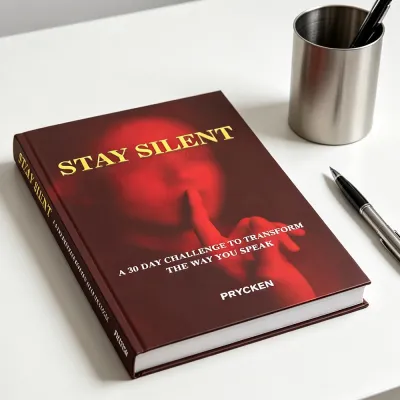

Prices are valid at publication and may change. Please refer to the product page for the latest price.
- Inner Stillness and Philosophy: These books focus on mindfulness, mental decompression, and the spiritual value of solitude. They are ideal if you feel overwhelmed by modern digital noise, urban density, or constant mental chatter, helping you cultivate a quiet mind regardless of your external environment.
- Personality Trait Validation: These works examine the biological and psychological aspects of introversion and quiet temperaments. They are highly beneficial if you want to understand how quiet observation, deliberate speech, and deep listening function as natural strengths in a society that often favors outward charisma.
- Interpersonal Dynamics and Restraint: These guides focus on active listening, conversational pause, and tactical silence. They are designed for professionals, leaders, and educators who need to manage conflicts, negotiate deals, or improve their communication by speaking less and listening more.
When evaluating a potential book, look closely at the author’s background to ensure their perspective aligns with your goals. A clinical psychologist or hostage negotiator will offer highly structured, behavioral frameworks, whereas a philosopher or spiritual teacher will provide reflective, essayistic insights. Additionally, consider the practical applicability of the text. If you prefer concrete exercises, look for books that include guided reflections, communication templates, or actionable daily challenges rather than purely theoretical discussions.
Finally, reflect on your immediate environment. A professional navigating a highly competitive corporate market in a bustling financial hub like Singapore may require a tactical communication manual to manage workplace friction. Conversely, someone experiencing cognitive fatigue from a hyper-connected lifestyle may benefit more from a philosophical exploration of solitude. Matching the book’s core methodology to your primary stressor is the most reliable way to achieve meaningful personal growth.
Top Non-Fiction Picks for Embracing Silence
The following non-fiction books represent the most influential and highly regarded works on the power of silence. Each approach is distinct, offering unique frameworks to help you harness restraint and quiet reflection for personal and professional development.

Silence: In the Age of Noise by Erling Kagge
Erling Kagge, an explorer who spent fifty days walking solo across Antarctica in complete solitude, provides a profound philosophical exploration of what silence is and why it is essential for human survival. In this deeply reflective work, Kagge poses three core questions: What is silence? Where is it? and Why is it more important now than ever? He argues that silence is not an empty void, but rather a rich, internal space that allows us to find wonder in our immediate surroundings.
This book is the ideal choice for individuals experiencing severe digital fatigue, urban burnout, or the constant pressure of modern connectivity. Kagge’s writing is highly evocative, drawing on his extreme physical journeys as well as insights from artists, philosophers, and scientists to demonstrate how silence acts as a luxury and a tool for self-discovery. It serves as a gentle reminder that you do not need to travel to the poles to find quiet; it is something you can cultivate within yourself.
However, readers seeking a structured, step-by-step communication manual or a collection of practical workplace exercises may find this book too abstract. It is written as a series of short, essayistic chapters designed for slow, contemplative reading rather than rapid skill acquisition.
Actionable Takeaway: Cultivate “micro-moments” of silence throughout your daily routine. This can be achieved by leaving your phone in your bag during your morning commute, walking without headphones, or sitting quietly for three minutes before starting your workday to let your mind settle.
Quiet: The Power of Introverts in a World That Can't Stop Talking by Susan Cain
Susan Cain’s landmark book is a comprehensive psychological exploration of the introverted temperament and the cultural bias toward the “extrovert ideal.” Cain meticulously researches how modern institutions, from corporate boardrooms to educational systems, are designed for those who speak quickly and assertively. She contrasts this with the profound power of quiet observation, deep focus, and deliberate speech, proving that staying silent and thinking before speaking are formidable strengths.
This book is highly recommended for introverts who feel constant societal pressure to be louder, as well as for managers, educators, and partners who want to understand and support the quiet individuals in their lives. Cain provides a wealth of scientific research, historical case studies, and personal anecdotes that validate the quiet lifestyle, helping readers reframe their natural inclination toward silence as an asset rather than a deficit.
While incredibly empowering, the book’s primary focus is on personality psychology, workplace dynamics, and systemic social structures. It does not delve deeply into spiritual meditation, mindfulness practices, or the metaphysical aspects of silence.
Actionable Takeaway: Prepare thoroughly before meetings so you can use deliberate, high-impact speech rather than feeling pressured to speak spontaneously. When you do speak, leverage your natural strength of synthesis by summarizing the key points of the discussion and offering a well-considered conclusion.
The Art of Communicating by Thich Nhat Hanh
Zen Master Thich Nhat Hanh presents a beautiful, accessible guide to mindful speech and compassionate listening. The core theme of this book is that true communication is impossible without internal silence. If our minds are constantly filled with internal noise, judgments, and anxieties, we cannot truly hear others or express ourselves clearly. He teaches that staying silent is the foundation of mindful breathing, which in turn allows us to cultivate the calm necessary for constructive dialogue.
This book is perfect for readers who want to heal personal relationships, reduce interpersonal conflict, and practice mindfulness in their daily lives. The teachings emphasize non-violent communication, empathy, and the deep emotional healing that occurs when we allow others to speak without interrupting or judging them. It is highly suited for those seeking a holistic, peaceful approach to self-improvement.
Because the book is deeply rooted in Buddhist philosophy and mindfulness practices, it may not appeal to readers who are looking for secular, highly competitive, or purely tactical corporate communication frameworks. The tone is gentle and spiritual rather than analytical.
Actionable Takeaway: Practice the art of the “mindful pause.” Before responding to a challenging email, message, or verbal comment, take three deep, conscious breaths to establish internal silence. This brief pause prevents reactive, emotional outbursts and allows you to respond with clarity and compassion.
Just Listen: Discover the Secret to Getting Through to Absolutely Anyone by Mark Goulston
Mark Goulston, a psychiatrist and former FBI hostage negotiation trainer, delivers a highly practical, tactical guide to the power of active listening and psychological restraint. Goulston’s premise is simple: to get through to people who are angry, defensive, or uncooperative, you must stop talking and start listening. By staying silent and using specific psychological techniques, you allow the other person to transition from a highly emotional state to a rational, cooperative one.
This book is an invaluable resource for professionals, managers, sales representatives, and anyone dealing with difficult interpersonal dynamics or high-stakes negotiations. Goulston provides clear, actionable frameworks, such as the “negotiation shift,” to help readers break through communication barriers, de-escalate conflicts, and build rapid trust by making the other party feel genuinely heard and understood.
While exceptionally useful for professional development, this book is highly focused on behavioral psychology and conversational tactics. It does not address personal solitude, meditation, or the philosophical benefits of quiet isolation.
Actionable Takeaway: Implement the “listening path” technique during difficult conversations. When someone is venting or expressing frustration, resist the urge to defend yourself or offer immediate solutions. Stay completely silent, maintain open body language, and wait until they have fully finished speaking before asking a clarifying, empathetic question.
Comparing the Best Books on Staying Silent
To help you determine which book best aligns with your current personal growth priorities, the table below compares the key attributes, focus areas, and target audiences of each recommended text.
| Book Title | Primary Focus | Ideal Reader Profile | Core Action |
|---|---|---|---|
| Silence: In the Age of Noise<br>by Erling Kagge | Inner Peace & Solitude | Individuals facing digital burnout, urban noise, and mental fatigue. | Carve out micro-moments of daily silence without digital distractions. |
| Quiet: The Power of Introverts<br>by Susan Cain | Personality & Self-Acceptance | Introverts, leaders, and educators seeking to leverage quiet strengths. | Reframe quiet observation as a strategic advantage in meetings. |
| The Art of Communicating<br>by Thich Nhat Hanh | Mindfulness & Relationship Harmony | Anyone wanting to reduce relationship conflicts and practice mindful speech. | Pause and breathe mindfully before responding to emotional triggers. |
| Just Listen<br>by Mark Goulston | Interpersonal Influence & Restraint | Professionals, negotiators, and managers handling difficult dialogues. | Use strategic silence to de-escalate conflict and let others feel heard. |
When making your final decision, consider whether your primary challenge is internal or external. If you are struggling with mental exhaustion, anxiety, or a chaotic daily schedule, start with Kagge or Thich Nhat Hanh to establish a foundation of internal regulation. If your challenges are social or professional—such as navigating an aggressive workplace, managing a team, or resolving family conflicts—Cain or Goulston will provide the targeted, external relationship management tools you need.
What to Check Before Buying Non-Fiction Books in Singapore
When purchasing non-fiction books, especially those focused on self-improvement and personal development, taking a few moments to verify the product specifications can save you time and money. With various editions, formats, and regional restrictions in play, making an informed purchase ensures a seamless reading experience.
- Edition and Language: Always verify if the copy you are purchasing is an international edition, an abridged version, or a translation. Publishers frequently update cover art for different regional markets, meaning the physical book you receive may look different from the online thumbnail. Check the ISBN (International Standard Book Number) to confirm you are buying the exact edition you want.
- Format and Device Compatibility: If you prefer digital reading, pay close attention to the file format (such as ePub or PDF) and any digital rights management (DRM) restrictions. Ensure that the e-book format is fully compatible with your specific e-reader model or reading application. Some regional digital storefronts have geographical restrictions that may prevent you from downloading or syncing titles outside of designated territories.
- Content Completeness: For audiobooks, always verify whether the recording is unabridged or abridged. Abridged versions are heavily edited and may omit critical chapters, exercises, or philosophical context that are vital to the book's overall message. Compare the listed runtime or page count against the publisher’s official website to ensure you are getting the complete, unaltered text.
- Authorized Sources: To ensure you receive high-quality prints with accurate formatting and complete content, purchase your books from established local physical bookstores, official publisher outlets, or authorized online digital platforms. This protects you from purchasing poorly printed bootleg copies or corrupted digital files often found on unverified third-party online marketplaces.
Frequently Asked Questions (FAQ)
How long does it take to see personal growth from reading about silence?
Reading a book provides the essential cognitive framework, but real personal growth depends entirely on consistent daily application. If you practice tactical communication techniques, such as active listening or pausing before speaking, you will likely notice improvements in your interpersonal relationships and professional negotiations within a few weeks. However, cultivating deep, resilient inner silence to combat mental fatigue and digital overwhelm is a gradual process that typically requires several months of consistent mindfulness practice to become a natural habit.
Are audiobooks effective for learning about the power of staying silent?
Audiobooks can be highly effective, particularly because they allow you to hear the author’s tone, pacing, and intentional pauses, which can reinforce the book’s core message. However, because the subject matter requires deep reflection, listening to these books while multitasking in chaotic environments—such as driving in heavy traffic or commuting on a crowded train—can dilute their impact. To get the most out of an audiobook on silence, pair the listening experience with dedicated quiet time, allowing yourself to sit comfortably and reflect on the concepts without external distractions.
Community discussion
Share your experience or ask a question. Comments are reviewed before publication.