
For beginners in Singapore, the best piano brands are Yamaha and Kawai for acoustic instruments, and Roland, Casio, and Yamaha for digital options. Selecting your first instrument requires balancing touch realism, sound quality, and maintenance needs against your living space, local climate management, budget, and long-term learning goals. Finding the right fit ensures a smooth learning curve and protects your financial investment.
Acoustic vs. Digital Pianos: Which is Right for You?
Understanding the fundamental differences between acoustic and digital pianos is the first step toward narrowing down your search. These two categories of instruments produce sound through entirely different mechanisms, resulting in distinct playing experiences, maintenance requirements, and long-term costs.
Sound Production and Mechanics
An acoustic piano is a complex mechanical instrument. When you press a key, a felt-covered wooden hammer strikes physical steel strings, which vibrate and transfer energy to a wooden soundboard that amplifies the sound naturally. This process creates a rich, organic tone with complex harmonic resonances that change depending on how hard you strike the key. In contrast, a digital piano produces sound electronically. When a key is pressed, the internal computer triggers a digital recording (sample) of an acoustic grand piano, which is then played back through electronic amplifiers and speakers. While high-end digital pianos use advanced physical modeling to simulate acoustic resonance, they do not produce physical vibrations in the same way an acoustic instrument does.
Products mentioned in this guide
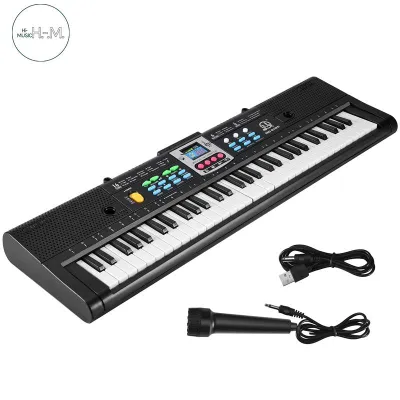
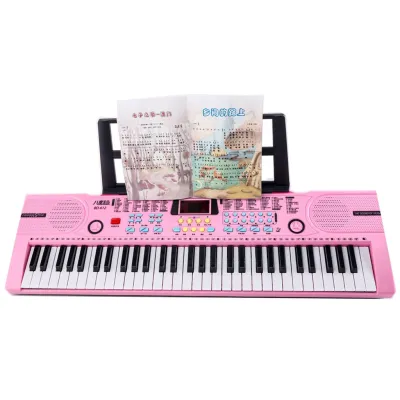
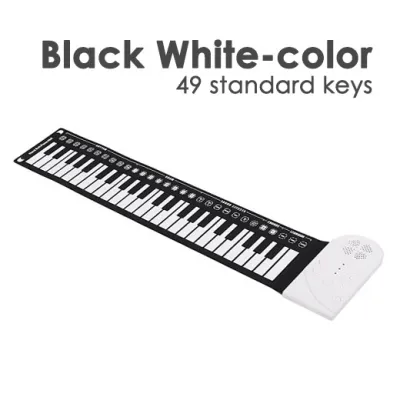
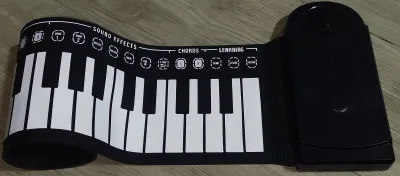
Prices are valid at publication and may change. Please refer to the product page for the latest price.
Touch, Feel, and Key Weight
Developing proper finger strength, control, and classical technique requires an instrument that mimics the physical resistance of an acoustic piano action. Acoustic pianos have naturally heavy keys due to the wooden hammers and leverage mechanisms inside. To replicate this, beginners must look for digital pianos with fully weighted, graded hammer-action keys. “Graded” means the keys feel heavier in the lower bass register and lighter in the treble register, precisely like an acoustic piano. Semi-weighted or unweighted keyboards do not provide enough physical resistance, which can lead to poor hand posture and weak finger joints that make transitioning to an acoustic piano difficult later on.
Maintenance and Upkeep Requirements
Acoustic pianos are highly sensitive to environmental changes and require regular professional maintenance. The physical strings stretch over time, and the wooden components expand and contract, necessitating professional tuning at least once or twice a year. Additionally, the mechanical action requires periodic regulation to ensure the keys respond evenly. Digital pianos are entirely maintenance-free in terms of tuning. Because they rely on digital samples, they never go out of tune. Their only upkeep requirements involve basic dust protection, keeping the keybed clean, and occasionally updating the system firmware.
Price Brackets and Long-Term Value
Digital pianos offer a highly accessible entry point for beginners, with quality portable models ranging from S$600 to S$1,500, and mid-range digital consoles costing between S$1,500 and S$3,500. While they deprecate in value as technology advances, they represent a low-risk initial investment. Acoustic pianos require a much larger upfront financial commitment, with entry-level upright models typically starting around S$4,000 and high-quality options exceeding S$9,000. However, a well-maintained acoustic piano can last for decades, holding its resale value remarkably well and often serving as a lifetime companion for a dedicated musician.
Choosing a Piano for Singapore Homes: Space and Climate
Living in Singapore introduces unique environmental and housing challenges that directly influence which type of piano you should buy. High-density housing and a tropical climate require practical solutions to protect your instrument and maintain harmony with your neighbors.

Space Constraints in HDB Flats and Condominiums
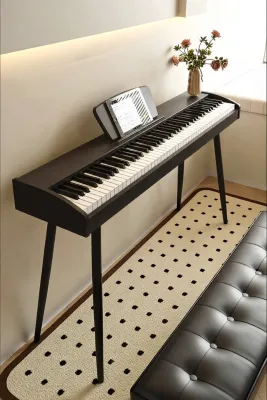
Typical HDB flats and private condominiums prioritize efficient layouts, making floor space a premium commodity. A traditional acoustic upright piano has a fixed, heavy footprint, often weighing between 200kg and 250kg, and requires a dedicated wall with adequate ventilation clearance. It also requires professional piano movers to transport safely through narrow corridors and lifts. Compact digital consoles and portable slab pianos offer a much more flexible alternative. Many digital models feature slim profiles with a depth of under 30cm, making them easy to position in small bedrooms, study rooms, or multi-purpose living areas without disrupting the flow of the home.
Volume Control and Community Living
Sound travels easily through shared concrete walls and floors in Singapore’s high-rise residential buildings. The natural volume of an acoustic piano can easily disturb neighbors, particularly during early morning or late-night practice sessions. While some acoustic pianos feature a middle “practice pedal” that drops a felt strip between the hammers and strings to muffle the sound, it significantly alters the touch and tone. Digital pianos solve this issue entirely. They feature adjustable volume knobs and dual headphone jacks, allowing students to practice silently at any hour of the day or night without causing noise disturbances.
Managing Singapore's High Humidity
Singapore’s tropical climate features relative humidity levels that frequently exceed 80%. This high moisture content is highly detrimental to acoustic pianos. Excess humidity causes the wooden soundboard and key parts to swell, leading to sticky or sluggish keys, rusted strings, and tuning instability. To protect an acoustic piano in Singapore, you must install an internal dehumidifier (commonly known as a heater rod) inside the bottom cabinet and keep it plugged into a power source 24/7. Alternatively, you must run an external dehumidifier or maintain constant air conditioning in the piano room, which increases utility costs.
Digital Piano Climate Resilience
Digital pianos are significantly more resilient to high humidity because they lack physical strings, felt hammers, and massive wooden soundboards. However, they are still electronic devices containing circuit boards, sensors, and contact pads that can degrade or corrode over time if exposed to extreme moisture. To ensure longevity, digital pianos should be placed away from open windows, direct sunlight, and air conditioning vents. Using a high-quality dust cover when the instrument is not in use is a simple, effective way to prevent dust and moisture from settling into the key action.
Reliable Acoustic Piano Brands for Beginners
If you decide to invest in an acoustic instrument, choosing an established brand ensures consistent build quality, reliable performance, and strong resale value in the local market.
Yamaha
Yamaha is globally recognized as a gold standard for student and professional pianos alike, making it an incredibly reliable starting point for beginners in Singapore.
- Tonal Profile: Yamaha acoustic pianos are celebrated for their bright, clear, and highly projecting tone. This sparkling treble and clear bass definition make them exceptionally versatile, cutting through modern pop, jazz, and classical arrangements with ease.
- Manufacturing Consistency: Yamaha utilizes highly automated, precise manufacturing standards. This means that two units of the exact same model will perform with remarkable consistency, giving buyers confidence when purchasing a new instrument.
- Availability and Resale: Because Yamaha is the most popular piano brand in Singapore, finding spare parts, certified technicians, and buyers in the secondhand market is incredibly easy. Popular entry-level upright models like the Yamaha JU109 or the taller JX113 hold their value exceptionally well.
- Showroom Advice: When visiting an authorized showroom, play several models across different price points. Pay close attention to how the key action feels under your fingers and whether the bright tonal signature appeals to your personal musical taste.
Kawai
Kawai is Yamaha’s primary competitor and is highly respected by classical educators and serious students who prefer a more traditional playing experience.
- Tonal Profile: In contrast to Yamaha's brightness, Kawai pianos are known for a warmer, mellower, and rounder tonal profile. This deeper, darker sound is often favored by classical players who focus on romantic-era repertoire.
- Innovative Action Mechanics: Kawai has pioneered the use of modern materials in piano actions. Many of their mid-range and premium uprights feature the Millennium III action, which incorporates ABS-Carbon composite materials. These parts are lighter and stronger than traditional wood, making them highly resistant to swelling and shrinking in Singapore's humid climate.
- Build Quality: Kawai instruments are built to exacting standards, offering a smooth, responsive touch that allows for excellent dynamic control.
- Showroom Advice: Compare a Kawai upright directly against a Yamaha upright in a physical showroom. Alternate between the two to feel the difference in key resistance and hear how the mellow tone of the Kawai compares to the brightness of the Yamaha.
Reliable Digital Piano Brands for Beginners
For beginners seeking a space-saving, low-maintenance instrument, three primary digital piano brands stand out for their realistic key actions and high-quality sound engines.
Roland
Roland focuses heavily on replicating the expressive feel and complex acoustic behavior of a grand piano through advanced digital technology.
- Realistic Key Action: Roland digital pianos are highly praised for their authentic key beds, such as the PHA-4 Standard keyboard action found in their entry-level models. This action features a physical escapement mechanism and ivory-feel keys that absorb finger moisture, providing excellent tactile feedback.
- SuperNATURAL Sound Engine: Instead of relying solely on static audio samples, Roland's SuperNATURAL technology models the physical interactions of an acoustic piano in real-time. This results in smooth tonal transitions and a highly dynamic response that changes based on how hard or soft you play.
- Durability and Reliability: Roland instruments are renowned for their robust construction and long-term electronic reliability, making them a safe investment for beginners who want an instrument that will last for years.
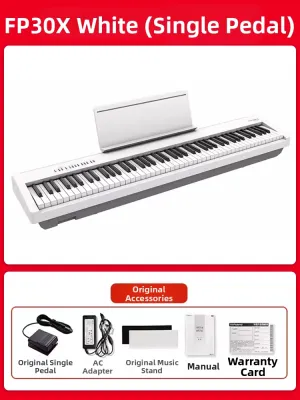
- Action Verification: Before purchasing an entry-level Roland model (such as the FP-10 or FP-30X), physically test the keys to ensure the weighted resistance suits your hand strength and supports your classical practice goals.
Casio
Casio has transitioned from making basic electronic keyboards to producing highly competitive, space-saving digital pianos that offer exceptional value for money.
- Competitive Pricing: Casio's Privia and Celviano lines deliver fully weighted key actions and high-quality grand piano tones at price points that are highly attractive to budget-conscious beginners.
- Compact and Lightweight Designs: Models in the Privia PX-S series are among the slimmest 88-key digital pianos on the market. Their lightweight frames make them incredibly easy to move around a small HDB flat or store away when not in use.
- User-Friendly Interfaces: Casio designs its entry-level pianos with intuitive touch panels and built-in learning features. Many models connect seamlessly to companion apps via Bluetooth, offering interactive lessons, sheet music displays, and easy access to internal settings.
Yamaha (Digital Line)
Yamaha successfully translates its extensive acoustic piano heritage into its digital lines, offering traditional aesthetics and highly authentic sound profiles.
- Acoustic Grand Samples: Yamaha digital pianos, including the Arius (YDP) and Clavinova (CLP) series, feature high-resolution samples from their flagship Yamaha CFX and Imperial grand pianos. This provides a familiar, high-quality tonal experience.
- Traditional Cabinet Designs: Yamaha's digital console models often feature elegant, wooden cabinet designs with integrated sliding key covers and three-pedal units, mimicking the look and feel of a traditional acoustic upright piano.
- Touch Response Comparison: Yamaha offers various digital actions, such as the Graded Hammer Standard (GHS) or GrandTouch-S. Beginners should compare these digital actions against Yamaha's physical acoustic uprights to evaluate how closely the digital keys replicate the brand's signature physical feel.
How to Evaluate and Buy Your First Piano
Purchasing a piano is a significant decision. Following a systematic evaluation process helps ensure you select a reliable instrument and avoid costly buying mistakes.
Visit Authorized Local Showrooms
Never purchase a piano based solely on online video demonstrations or written specifications. Sound projection, speaker quality, and key ergonomics vary wildly in person. Visit authorized local dealers in Singapore to physically sit at the instruments, play individual notes, and feel the weight of the keys. Even if you cannot play yet, showroom staff can play a demonstration piece for you so you can listen to the tone from a listener’s perspective.
Use an Evaluation Checklist
When testing a potential piano in a showroom, run through this practical checklist to verify its quality and suitability:
- Key Resistance: Press keys across the entire keyboard. Ensure they have a consistent, smooth downward resistance and spring back quickly without feeling sluggish or loose.
- Pedal Function: Step on the sustain (right) pedal. Verify that it has smooth physical travel and does not squeak or click when pressed and released.
- Mechanical Noise: Turn down the volume on digital models and play the keys. Listen closely to ensure the physical key mechanism does not make excessive thumping, clattering, or clicking noises.
- Ergonomics: Sit at the piano with a proper bench. Ensure the height of the keyboard allows your elbows to rest comfortably at a slightly open angle.
Verify Warranty and Local Support
Always clarify the warranty terms before finalizing your purchase. For digital pianos, ensure the warranty covers electronic components, power adaptors, and key sensors, with local repair support. For acoustic pianos, verify that the warranty covers structural defects, the soundboard, and the frame. Ensure the warranty is backed by the official local distributor in Singapore, which guarantees access to genuine spare parts and certified technicians.
Plan Post-Purchase Logistics and Avoid Grey Imports
Factor in the costs of delivery and installation. Acoustic pianos require specialized professional movers to prevent structural damage, followed by a professional tuning session once the instrument has acclimated to your home’s humidity for about two weeks. Avoid buying unauthorized grey-market imports from unverified online sellers. These instruments often lack local warranty coverage, may have internal components damaged by previous exposure to non-tropical climates, and may not comply with Singapore’s electrical safety standards.
Frequently Asked Questions (FAQ)
Do I need to tune a digital piano?
No, digital pianos do not have physical strings, wooden soundboards, or tuning pins. They produce sound electronically using digital samples or mathematical modeling, meaning they never go out of tune. To maintain optimal performance, you only need to keep the instrument free of dust, protect it from high humidity, and occasionally install any firmware updates released by the manufacturer.
Can I learn piano on a 61-key keyboard?
While a 61-key keyboard is acceptable for learning basic music theory or playing simple melodies, it is not suitable for learning proper piano technique. It lacks the full 88-key range required for intermediate classical and contemporary repertoire. More importantly, 61-key keyboards typically feature unweighted keys, which prevent you from developing the finger strength and dynamic control needed to play an acoustic piano. Beginners should transition to an 88-key weighted instrument as soon as they commit to regular practice.
How much should a beginner spend on a first piano?
A beginner should budget S$600 to S$1,500 for a high-quality entry-level digital piano, or S$4,000 to S$8,000 for a reliable entry-level acoustic upright. When budgeting, prioritize fully weighted keys and a high-quality sound engine over cosmetic cabinet finishes, extra digital instrument voices, or non-essential software features. Investing in these core elements ensures the instrument will support your musical growth for several years.
Community discussion
Share your experience or ask a question. Comments are reviewed before publication.