
Finding the time and space to practice guitar can be a challenge, especially when living in shared spaces or high-rise apartments in Singapore. A silent guitar offers a practical solution by stripping away the traditional hollow acoustic body, leaving a minimalist frame and built-in electronics designed for headphone listening. This structural design reduces the instrument’s natural acoustic volume to a whisper while delivering a full, rich guitar tone directly to your ears. Whether you are a complete beginner looking to practice late at night without disturbing your family or neighbors, or a mobile musician needing a highly portable instrument, understanding how to select and maintain a silent guitar is the first step toward a seamless learning experience. This guide outlines the key specifications, brand evaluation frameworks, and essential setup steps to help you make an informed decision.
Is a Silent Guitar Right for Your Practice Routine?
To determine if a silent guitar fits your lifestyle, it is helpful to compare its acoustic output with that of a traditional instrument. A standard acoustic guitar relies on its hollow wooden body to amplify string vibrations, easily producing sound levels between 70 and 80 decibels. In contrast, a silent guitar has no acoustic chamber. When played unplugged, it produces only the quiet acoustic click of the strings, which is comparable in volume to an unplugged electric guitar. This minimal sound footprint makes it an exceptional tool for late-night practice sessions in noise-sensitive environments, such as high-density HDB flats or condominiums where sound easily travels through walls and floors.
Portability is another major advantage for players in Singapore. Because many silent guitars feature detachable or highly streamlined frames, they occupy a fraction of the space required by a standard guitar case. This makes them easy to store in compact rooms, carry on public transport, or pack for travel. If you frequently find yourself practicing in different locations or have limited storage space at home, the physical footprint of a silent guitar is highly advantageous.
Products mentioned in this guide
![Yamaha SLG200N Classical Electric Silent Guitar Nylon Strings SRT Pickup Preamp Detachable [LIMITED STOCK]](https://img.lazcdn.com/g/p/3606f5fed2fac16ee11268e41dad2991.jpg_400x400q80.jpg_.webp)

![Donner HUSH-I PRO Acoustic Electric Travel Guitar Silent Package Steel Strings HUSH I [LIMITED STOCK]](https://img.lazcdn.com/g/p/8526e64bdb4c61a0cf82a7038c9706fb.jpg_400x400q80.jpg_.webp)
![Donner HUSH-C Acoustic Electric Travel Guitar Silent Package Nylon Strings HUSH C [LIMITED STOCK]](https://img.lazcdn.com/g/p/dcbad7af14928ba95ca9b041c54fb660.png_400x400q80.png_.webp)

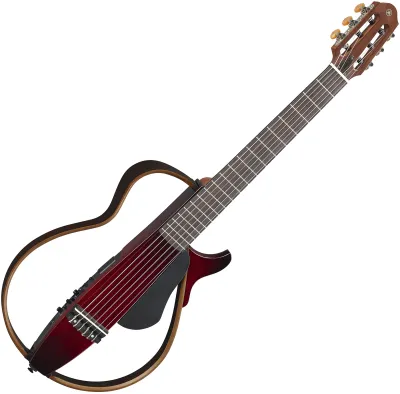
![Yamaha SLG200S SLG200N Acoustic Classical Electric Silent Guitar SRT Pickup Preamp Steel Nylon Strings Detachable [Limited Stock]](https://img.lazcdn.com/g/p/167de1488e90f7c0001010cb42793134.jpg_400x400q80.jpg_.webp)

Prices are valid at publication and may change. Please refer to the product page for the latest price.
However, beginners should also consider the physical and tonal limitations of these instruments before purchasing. Because there is no hollow wooden body, you will not feel the natural acoustic resonance vibrating against your chest as you play. The physical feel of the instrument is also different; instead of a wide, curved body, you will be holding a lightweight frame. While high-quality models are designed to mimic the ergonomics of a standard guitar, the transition to a traditional acoustic later on may require some physical adjustment. Additionally, the sound you hear is entirely dependent on the quality of your headphones and the onboard electronics, meaning the tone can feel more clinical or processed compared to the organic warmth of a physical soundboard.
Essential Specs to Check for Beginner Silent Guitars
When shopping for a silent guitar, the technical specifications on the manufacturer’s datasheet should guide your choice. The first and most critical decision is selecting the string type, as this dictates both the musical style and the physical playability of the instrument. Silent guitars generally come in two configurations: nylon strings or steel strings. Nylon-string models feature wider, flatter fingerboards and a softer string tension, making them ideal for classical, flamenco, or fingerstyle music, as well as being gentler on beginner fingertips. Steel-string models have narrower, slightly curved fingerboards and higher string tension, which is the standard setup for folk, pop, and rock music. Matching the string type to your preferred musical genre ensures you learn the correct finger placements and techniques from the start.

The design of the body frame is another key specification to verify. Some silent guitars feature a fully detachable frame, allowing you to remove the upper and lower bouts for ultra-compact storage in a slim gig bag. Other models utilize a fixed, one-piece minimalist frame that cannot be disassembled. If you plan to travel frequently or have very limited storage space, a detachable frame is highly beneficial. However, if the guitar will mostly remain on a stand in your room, a fixed frame offers immediate readiness without the need for assembly.
Onboard electronics play a vital role in shaping your practice experience. Look for models that include built-in equalization (EQ) controls, which allow you to adjust the bass and treble frequencies to match your headphones. Many beginner-friendly silent guitars also feature built-in effects, such as reverb or chorus, which simulate the natural acoustics of a concert hall or a spacious room, making headphone practice far more engaging.
Finally, always verify the output interfaces and power requirements. Most silent guitars include a standard 3.5mm headphone jack for direct listening, alongside a standard 6.35mm line-out jack for connecting to external amplifiers or audio interfaces. Power options typically range from standard AA or 9V batteries to external DC power adapters. For players in Singapore, it is important to check if the manufacturer’s package includes a compatible power adapter or if you will need to rely on rechargeable batteries for daily practice.
Evaluating Top Brands for Entry-Level Silent Guitars
Navigating the market for silent guitars requires a structured approach to brand evaluation. Rather than relying on generic online reviews or fluctuating stock listings, beginners should focus on structural stability, electronic reliability, and local support systems. A reputable brand ensures that the neck remains straight under string tension and that the onboard preamps do not introduce excessive background hiss or interference. Furthermore, purchasing from a brand with authorized local distributors in Singapore guarantees access to warranty coverage, professional setup services, and genuine replacement parts if an electronic component or frame joint requires attention.
Yamaha
As the pioneer of the silent guitar category, Yamaha offers a well-established lineup that serves as a benchmark for the industry. Their silent guitar series is divided into distinct steel-string and nylon-string models, allowing beginners to choose the exact configuration that matches their learning path. These instruments are highly regarded for their structural integrity, utilizing premium tonewoods for the neck and frame to ensure long-term stability in Singapore’s warm, humid climate.
When evaluating Yamaha models, pay close attention to the built-in pickup and resonance systems. Many of their models feature proprietary Studio Response Technology (SRT), an electronic system designed to model the acoustic resonance of a high-end acoustic guitar recorded in a professional studio. This technology blends the direct pickup signal with a simulated microphone signal, delivering a natural, spacious tone through your headphones that mitigates the dry, sterile sound often associated with piezo pickups.
Before finalizing a purchase, it is essential to verify the specific package contents and local support terms. Check whether the model is supplied with a regional power adapter compatible with Singapore’s Type G electrical outlets, or if it operates primarily on batteries. Additionally, confirm that your purchase is covered by an official local warranty through an authorized dealer, rather than a parallel import, to ensure hassle-free servicing and support if you ever need to address neck adjustments or electronic maintenance.
Alternative and Emerging Brands
Beyond the established market leaders, several alternative and emerging brands offer unique takes on the silent guitar concept. These alternatives often include travel-focused guitars with highly minimalist bodies, headless designs that reduce overall length, or modular frames made from composite materials. For beginners on a budget or those seeking an ultra-lightweight instrument, these brands can provide an intriguing entry point into silent practice.
However, evaluating these non-traditional options requires extra diligence. You must carefully inspect the build stability, particularly the neck joint and the tuning stability. Headless designs, which place the tuning pegs at the base of the body rather than the headstock, require robust hardware to prevent the strings from slipping out of tune. Additionally, check the reliability of the onboard headphone preamp; lesser-known brands may use lower-grade electronic components that produce a noticeable hum or distort at higher volumes.
It is highly recommended to avoid unbranded or generic silent guitars found on online marketplaces that lack verifiable manufacturer specifications. These products often bypass standard electrical safety certifications for their charging circuits or power inputs, posing a risk to your equipment. They also lack local after-sales support, meaning that if a frame piece breaks or a jack stops functioning, finding replacement parts or a technician willing to repair the instrument can be extremely difficult. Stick to recognized alternative brands that offer clear specifications and a reliable customer service channel.
Setting Up and Maintaining Your Silent Guitar
Proper setup and regular maintenance are crucial to keeping your silent guitar in optimal playing condition, especially given the environmental factors in Singapore. If your guitar features a detachable frame, always consult the manufacturer’s manual before assembling or disassembling the parts. Ensure that the locking screws or quick-release mechanisms are aligned correctly before tightening. Over-tightening can strip the threads or crack the mounting points, while under-tightening can cause the frame to wobble during practice, disrupting your playing posture.
Power management is another key aspect of daily operation. If you are using batteries, always remove them if you plan to store the guitar unused for more than a few weeks. Battery leakage can corrode the electronic contacts inside the compartment, leading to permanent preamp damage. If you prefer using a wall adapter, verify that the voltage, amperage, and polarity match the manufacturer’s specifications exactly to prevent short-circuiting the internal electronics. When changing strings, follow the specific routing instructions for your model, as some silent guitars require strings to be threaded through unique body channels or anchored differently than traditional guitars.
Maintaining the physical components of the guitar is straightforward but requires care. Use a clean, dry microfiber cloth to wipe down the neck, fretboard, and frame after every practice session to remove sweat and skin oils. In Singapore’s high humidity, unfinished wood fretboards can absorb moisture, while metal frets and electronic jacks are susceptible to oxidation. Consider storing your guitar in its gig bag with a silica gel pack or a dedicated instrument dehumidifier to regulate moisture levels. If you notice the neck bowing, fret buzz, or crackling sounds when adjusting the volume knobs, stop and consult a professional guitar technician at a local service center rather than attempting complex adjustments yourself.
Frequently Asked Questions (FAQ)
Can I use standard acoustic guitar strings on a silent guitar?
Yes, you can use standard acoustic guitar strings, but you must match the string material to your specific guitar model. Steel-string silent guitars are built to withstand the high tension of steel strings, whereas nylon-string models are designed strictly for the lower tension of nylon strings. Installing steel strings on a nylon-string model will cause severe, irreversible damage to the neck and bridge. Always check the manufacturer’s specifications for the recommended string gauge to maintain optimal playability and structural health.
Do I need a special amplifier for a silent guitar?
No, you do not need a special amplifier. Silent guitars feature standard line-out jacks that are compatible with regular acoustic guitar amplifiers, keyboard amplifiers, or PA systems. You can also plug them directly into an audio interface for recording on a computer. If you connect to a standard electric guitar amplifier, you may need to adjust the amplifier’s EQ settings to prevent the tone from sounding overly bright or harsh, as electric guitar amps are voiced differently than acoustic systems.
How do I store a silent guitar with a detachable frame?
When not in use, the safest way to store a detachable silent guitar is to disassemble the frame and place all components into their designated compartments inside the original padded gig bag. This protects the wood and electronics from accidental impacts. To safeguard the instrument from Singapore’s high humidity, store the bag in a cool, dry room away from direct sunlight, and place a humidity-control packet inside the case to prevent moisture buildup on the electronic sensors and fretboard.

Community discussion
Share your experience or ask a question. Comments are reviewed before publication.