
For beginners in Singapore, choosing a tenor ukulele offers an excellent balance of physical comfort, rich sound, and versatile playability. Brands like Kala, Cordoba, Enya, and Fender stand out as the most reliable entry points, offering consistent factory setups and durable builds that suit Singapore’s unique tropical climate.
A tenor ukulele is slightly larger than its soprano and concert siblings, making it an increasingly popular starting point for adult learners and those transitioning from other instruments. By understanding what to look for in materials, setup, and hardware, you can make an informed first purchase that supports your musical journey for years to come.
Why a Tenor Ukulele is a Great Choice for Beginners
The tenor ukulele features a longer scale length—typically around 17 inches—and wider fret spacing compared to soprano or concert models. This extra physical space provides a distinct advantage for beginners with larger hands, as it reduces the likelihood of accidentally muting adjacent strings while forming chords. Guitarists transitioning to the ukulele also find the neck proportions more familiar and easier to navigate.
Products mentioned in this guide
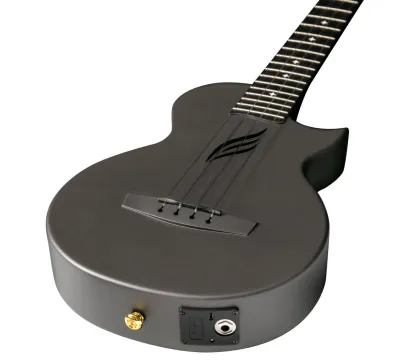
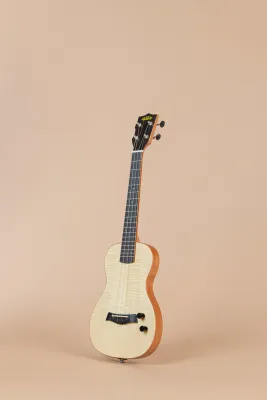
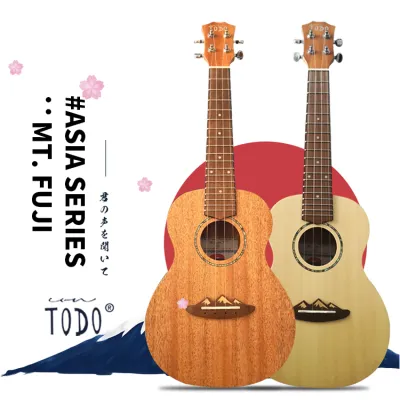
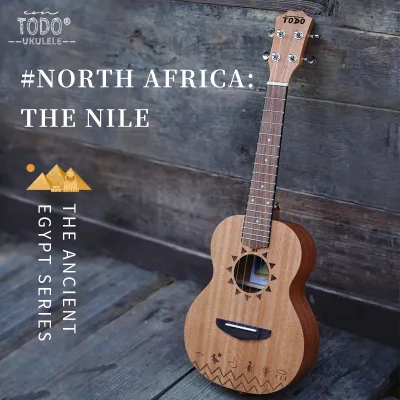
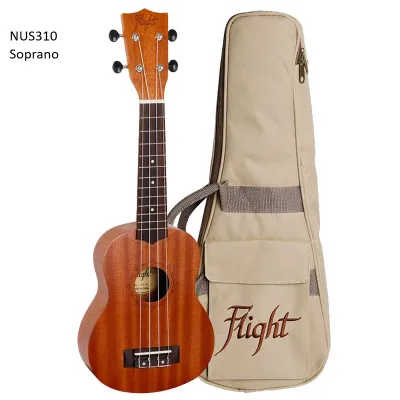
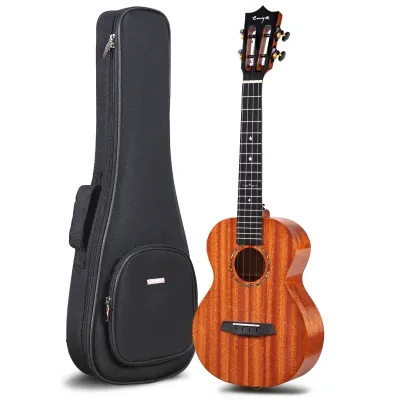
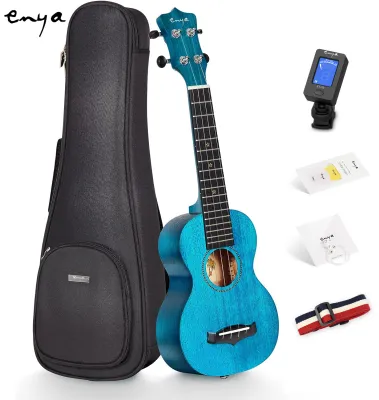
Prices are valid at publication and may change. Please refer to the product page for the latest price.
Beyond ergonomics, the larger body volume of a tenor ukulele produces a deeper, warmer, and more resonant tone. This fuller sound profile offers greater projection and sustain, which is particularly rewarding for solo instrumental playing and vocal accompaniment. Beginners often find this richer acoustic response highly encouraging during their initial practice sessions.
Despite its larger frame, the tenor remains highly portable and easy to carry around Singapore, whether you are heading to a music class or a casual gathering at East Coast Park. It utilizes the standard G-C-E-A tuning, meaning all standard ukulele chords, instructional books, and online tutorials apply directly to this size. You gain a more robust sound without losing the classic, lighthearted character of the instrument.
What to Look for When Choosing a Beginner Tenor Ukulele
A beginner’s progress depends heavily on the physical playability of the instrument. String action—the height of the strings above the fretboard—must be low enough to allow comfortable fretting without causing finger fatigue, yet high enough to prevent string buzz. Proper intonation across the neck is equally critical; an instrument that cannot stay in tune as you play higher up the fretboard will quickly discourage a novice player.

The materials used in construction dictate both the tone and the durability of your tenor ukulele. Traditional tonewoods like solid mahogany or acacia offer rich, evolving acoustic properties but are highly sensitive to environmental changes. Laminate woods, constructed from layered thin sheets, are structurally stable, cost-effective, and highly resistant to cracking. Modern alternatives like carbon fiber composites and High-Pressure Laminate (HPL) provide incredible durability and a bright, consistent sound, making them excellent choices for worry-free daily use.
Reliable hardware is essential for maintaining stable tuning. Look for geared tuning pegs rather than open friction pegs, as geared tuners offer a higher gear ratio that allows for precise, stable adjustments. Many beginner-focused tenor ukuleles are sold as complete bundles that include essential accessories such as a padded gig bag, a digital clip-on tuner, a comfortable strap, and spare strings. These bundles represent excellent value and save you the hassle of purchasing accessories separately.
Choosing an established brand ensures a level of manufacturing consistency that generic, unbranded instruments rarely match. Reputable manufacturers implement strict quality control protocols, resulting in consistent factory setups and fewer structural defects out of the box. Furthermore, buying from a recognized brand usually guarantees access to reliable customer support and straightforward warranty coverage if any issues arise.
Reliable Tenor Ukulele Brands for Beginners
To help you navigate the market, we have highlighted four of the most reliable tenor ukulele brands available to players in Singapore. Each brand offers a distinct approach to construction, tone, and design philosophy.
Kala Brand Music Co.
Kala is widely recognized as an industry standard for beginner and intermediate ukuleles, praised for its exceptional consistency and accessible pricing. Their instruments undergo thorough quality checks, ensuring that even their entry-level models arrive with comfortable action and clean fretwork. This reliability makes Kala a highly recommended starting point for players who want a dependable instrument without a steep learning curve.
The brand offers a vast catalog that accommodates different budgets and preferences. Beginners can choose from affordable, highly durable laminate mahogany models like the KA-T, or opt for solid-top mahogany and acacia models if they want an instrument that will mature tonally over time. This variety allows you to select a model that aligns precisely with your commitment level.
- Consistent Setup: Kala instruments are known for reliable factory setups that minimize fret buzz and high action.
- Material Variety: Offers a broad selection ranging from entry-level laminates to premium solid-wood tops.
- Limitations: Entry-level laminate models may lack the deep acoustic projection and complex overtones found in Kala's premium solid-wood lines.
Cordoba Guitars
Drawing on their rich heritage of classical guitar manufacturing, Cordoba builds tenor ukuleles with a distinct focus on traditional Spanish craftsmanship and aesthetics. Their instruments often feature wider nut widths and comfortable neck profiles that appeal to players seeking a classical feel. The design philosophy emphasizes lightweight construction and maximum top resonance.
Cordoba tenor ukuleles, such as the 15TM, are highly regarded for their warm, mellow, and deeply expressive tone. They excel at producing a rich bass response and sweet trebles, making them an ideal match for beginners who appreciate classical nylon-string acoustic warmth or plan to focus on fingerstyle arrangements.
- Classical Heritage: Built with traditional guitar-making techniques that emphasize resonance and lightweight handling.
- Warm Acoustic Tone: Delivers a rich, warm bass response that is highly satisfying for acoustic soloing.
- Limitations: Entry-level tenor models often sit at a slightly higher price point compared to mass-market alternatives, which may require a larger initial investment.
Enya Music
Enya Music has established itself as a highly innovative force in the ukulele world, particularly famous for its pioneering use of alternative materials. By utilizing High-Pressure Laminate (HPL) and carbon fiber composites, Enya manufactures instruments that are virtually impervious to temperature and humidity shifts. This modern engineering approach provides peace of mind for players who do not want to worry about delicate wood maintenance.
Many Enya tenor ukuleles, such as the Nova U series, feature sleek, ergonomic designs, cutaway bodies, and comprehensive starter kits that include straps, capos, and cases. Some models even come equipped with built-in preamp systems or transacoustic effects, allowing beginners to experiment with reverb and chorus directly from the soundhole without plugging into an external amplifier.
- Climate Resistance: Synthetic and HPL materials make these instruments highly resistant to warping, cracking, and humidity.
- Feature-Rich Packages: Often includes comprehensive accessory bundles and innovative built-in electronics.
- Limitations: Synthetic and HPL materials produce a distinct, bright tonal character that differs from the organic warmth of traditional solid wood.
Fender
Fender brings its legendary rock-and-roll heritage and iconic design language to the ukulele world, making their instruments highly appealing to guitar enthusiasts and casual players alike. Featuring classic Fender headstock shapes, such as the Telecaster or Stratocaster silhouettes, these tenor ukuleles offer a unique visual flair that stands out from traditional designs.
Fender’s tenor models, like those in their California Coast series, feature slim, comfortable “C”-shaped neck profiles that make forming chords exceptionally easy for beginners. Their wide availability in local music shops in Singapore makes them highly accessible for hands-on trials, and their competitive pricing appeals to casual hobbyists.
- Iconic Styling: Features recognizable guitar headstocks and modern visual designs that stand out on stage.
- Comfortable Neck Profile: Designed with a slim "C" shape that is highly comfortable for beginners and guitar players.
- Limitations: Some entry-level models may prioritize visual aesthetics over maximum acoustic projection, and setup quality can occasionally vary between production batches.
Protecting Your Ukulele in Singapore's Climate and Where to Buy
Singapore’s tropical climate presents a unique challenge for musical instrument care due to its consistently high relative humidity, which regularly exceeds 80%. When exposed to excessive moisture, traditional solid-wood ukuleles absorb water, causing the wood fibers to swell. This swelling can warp the soundboard, raise the string action to an unplayable height, cause fret ends to feel sharp, or even lead to structural joint failures. In contrast, laminate, HPL, and carbon fiber instruments are far more stable and resistant to these humidity-induced distortions.
To protect a wooden tenor ukulele in Singapore, proper storage and environmental control are essential. Avoid leaving your instrument in direct sunlight or directly under cold air-conditioning vents, as rapid temperature and humidity fluctuations can crack the wood. Storing your ukulele inside a high-quality padded gig bag or a hardshell case with a few silica gel packets or a specialized instrument humidifier/dehumidifier pack will help maintain a stable microclimate. Running a room dehumidifier in your practice space is another excellent way to safeguard your collection.
When looking to buy a tenor ukulele, purchasing from a local authorized music store in Singapore offers significant advantages over cross-border online marketplaces. Visiting a physical store allows you to hold the instrument, feel the neck profile, and hear its acoustic projection in person. Local retailers often provide professional in-house setup services to adjust the string action before you take it home, along with reliable local warranty support. While online overseas platforms might offer slightly lower upfront prices, they carry risks of shipping damage, lack professional pre-delivery setups, and make warranty claims or returns highly difficult.
Before finalizing your purchase, always verify the exact model specifications to ensure you are getting the correct size and materials. Confirm whether the instrument is a laminate, solid-top, or all-solid model, as this significantly impacts both the price and the maintenance required. Additionally, check what accessories are included in the package—such as a gig bag, tuner, or strap—and verify the terms of the local warranty to protect your investment. If instructions or specifications from the manufacturer conflict with third-party store listings, always defer to the official manufacturer specifications or consult a qualified professional luthier.
Frequently Asked Questions (FAQ)
Is a tenor ukulele tuned differently than a soprano?
No, a tenor ukulele uses the same standard tuning notes as a soprano or concert ukulele, which are G-C-E-A. However, because of the tenor’s longer scale length and larger body, players frequently choose between two different tuning configurations. The traditional setup is re-entrant tuning, which features a high G string. Alternatively, many tenor players prefer linear tuning, where the high G is replaced with a thicker low G string tuned an octave lower. This low-G configuration takes full advantage of the tenor’s larger acoustic chamber, delivering a much deeper, warmer, and more guitar-like bass response that is highly suited for solo fingerstyle arrangements.
Do I need a professional setup for a new beginner tenor ukulele?
While reputable brands like Kala, Cordoba, and Enya perform reliable factory setups, environmental changes during transit and storage can cause subtle shifts in the wood. When you receive a new ukulele, check for common issues such as uncomfortably high strings at the first fret, which can make pressing down chords painful, or excessive string buzz when fretting notes. If the action feels uncomfortable or the intonation seems off, taking the instrument to a local luthier or a professional music shop in Singapore for a basic setup is highly recommended. A professional adjustment of the nut slots and saddle height can transform a stiff, hard-to-play instrument into an incredibly smooth and comfortable one, greatly accelerating your learning progress.
Community discussion
Share your experience or ask a question. Comments are reviewed before publication.