
Homer’s The Odyssey is one of the foundational journey stories of Western literature, a sweeping epic filled with monsters, gods, and a desperate struggle to return home. Yet, for a first-time reader, the biggest hurdle isn’t the length of the journey, but the voice of the storyteller. Because the original text was composed in ancient Greek dactylic hexameter over two and a half millennia ago, every English version you encounter is a modern interpretation. Choosing the wrong translation can make the epic feel like a dry, academic exercise, while the right one can make it read like a propulsive, cinematic adventure.
For most first-time readers, the best translation is one that balances modern readability with the poetic spirit of the original. Emily Wilson’s translation is widely considered the most accessible modern verse translation due to its clear language and steady rhythm, while Robert Fagles’s version offers a highly dramatic, cinematic experience that captures the grand scale of the epic. Understanding how these and other translations differ will help you select the perfect edition for your reading style.
Whether you are browsing the shelves of a local bookstore in Singapore or ordering an edition online to read during your daily commute, finding the right version is key. In our tropical climate, slipping a lightweight paperback into your bag for a quiet read at a local cafe is a great way to tackle this classic, provided you choose a version that keeps you turning the pages.
Products mentioned in this guide
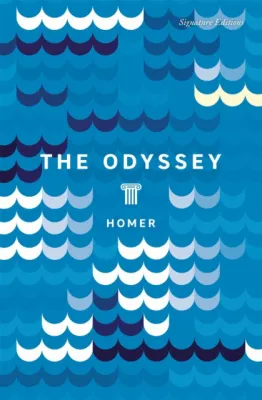
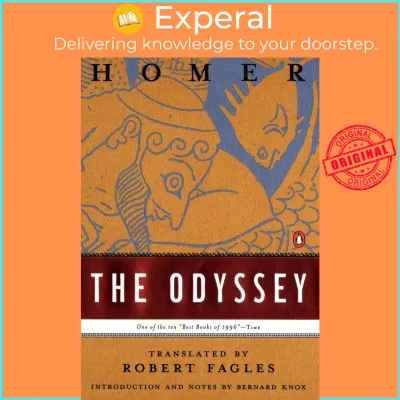
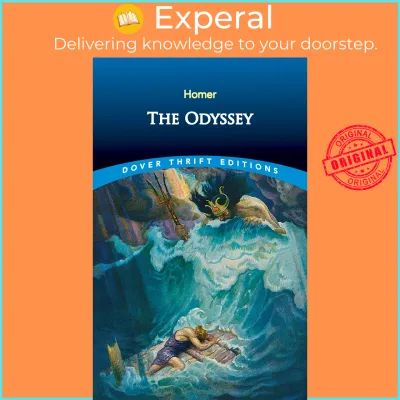
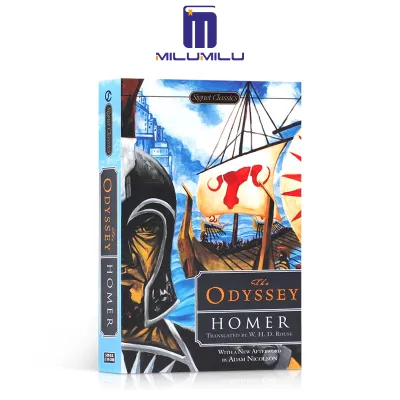
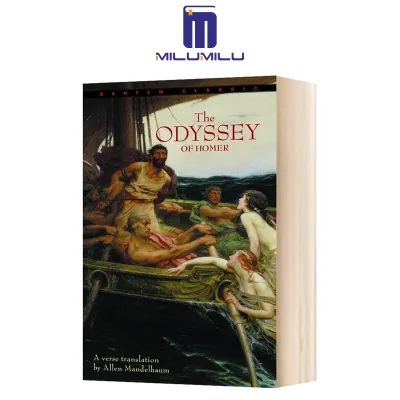
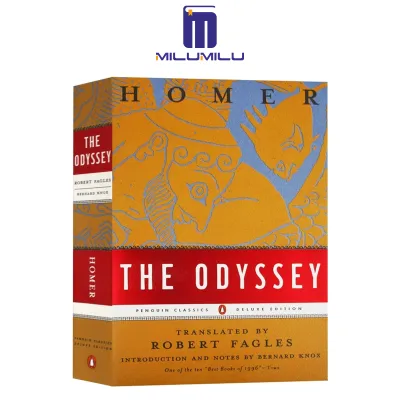
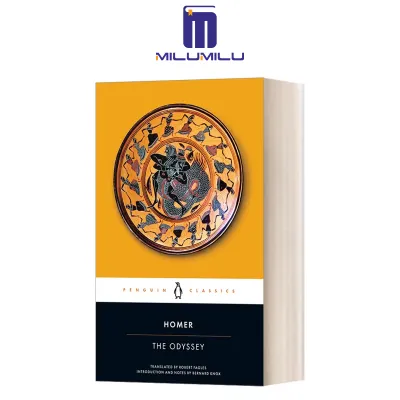
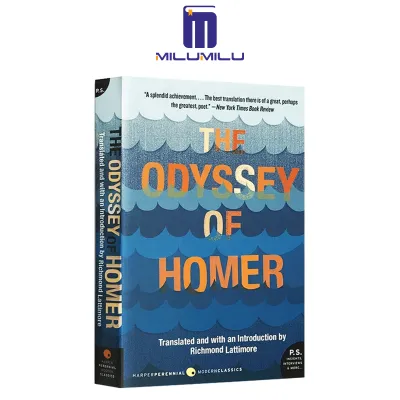
Prices are valid at publication and may change. Please refer to the product page for the latest price.
How to Choose the Right Translation of The Odyssey
Before purchasing a copy of The Odyssey, it is important to understand that translators make deliberate artistic choices that fundamentally alter the reading experience. There is no single “perfect” translation; instead, different versions prioritize different aspects of Homer’s original work. By evaluating a few key criteria, you can match a translation to your personal reading preferences.
Verse vs. Prose Translations
The first major decision is choosing between a verse (poetic) and a prose (novelistic) translation. Verse translations preserve the rhythmic, poetic structure of the original oral epic, using line breaks and meter to create a musical flow. Prose translations, on the other hand, strip away the poetic formatting entirely, presenting the story as a continuous narrative that reads like a standard modern novel. While prose translations prioritize narrative speed and plot clarity, verse translations capture the artistic soul and performance-based nature of the original Greek text.
Modern vs. Archaic English
Translators also choose where their work sits on the spectrum between modern and archaic English. Older translations, particularly those from the 19th and early 20th centuries, often use elevated, formal language filled with “thee” and “thou” to make the text sound ancient and monumental. However, Homer’s original Greek was vibrant, direct, and designed for popular entertainment. Modern translations use contemporary vocabulary and syntax, which significantly reduces cognitive friction and allows first-time readers to maintain momentum without getting stuck on outdated phrasing.
The Importance of Supplementary Materials
For a beginner, the quality of the book’s supplementary materials is just as important as the translation itself. The Odyssey features a massive cast of characters, complex family lineages, and a non-linear timeline. A high-quality edition should include a comprehensive introduction to set the historical context, a character glossary (or dramatis personae), maps of Odysseus’s mythical travels, and explanatory footnotes. These tools act as a roadmap, ensuring you do not get lost in the complex geography of the ancient Mediterranean.
Testing with a Sample Page
Because reading style is highly subjective, you should always test a translation before committing to a full purchase. Take a few minutes to read a sample page—either through online preview tools or by flipping through physical copies at a bookstore. Pay attention to the rhythm of the sentences, the clarity of the vocabulary, and how easily your eyes move down the page. If a passage feels stiff or requires you to re-read sentences multiple times to grasp their meaning, try a different translator.
Verification Checklist Before Buying
When you are ready to purchase, keep these practical verification steps in mind to ensure you get the right edition:
- Verify the Translator: Double-check the cover or product description to ensure the book is translated by your chosen author, as many publishers use the same cover art for different translations.
- Check the Format and Medium: Decide whether you prefer a physical paperback, a durable hardcover for collecting, a digital e-book for convenience, or an audiobook.
- Confirm Regional Compatibility: If purchasing a digital e-book or audiobook from international online marketplaces, verify that the file format is compatible with your specific reading device and that there are no regional playback restrictions.
- Assess Content Completeness: Ensure you are buying the complete, unabridged 24-book epic rather than an abridged adaptation or a selection of highlights designed for younger readers.
Top Translation Picks for First-Time Readers
The “best” translation is ultimately the one that aligns with your reading goals. Below are the most highly acclaimed and accessible translations of The Odyssey, categorized by the specific reading experience they offer.

Emily Wilson’s Translation (Best for Modern Readability and Fresh Perspective)
Published in 2017, Emily Wilson’s translation of The Odyssey was a landmark literary event, marking the first time the epic was translated into English by a female scholar. Wilson’s primary goal was to create a version that is highly readable, honest, and free of the artificial, archaic language that plagues older translations.
Wilson translates the epic into strict iambic pentameter, matching the line-for-line count of the original Greek text (exactly 12,110 lines). This stylistic constraint prevents her from padding the text with unnecessary adjectives, resulting in a swift, lean narrative. The iambic pentameter provides a natural, walking-pace rhythm that mirrors the cadence of natural English speech, making it incredibly easy to read silently or aloud.
In addition to its rhythm, Wilson’s translation is celebrated for its clear, direct vocabulary and its nuanced handling of gender and status. She deliberately avoids loaded, historically inaccurate terms used by previous translators to describe the enslaved women in Odysseus’s household, opting instead for terms that accurately reflect their social reality. This fresh perspective makes her version the ideal choice for modern readers who want a clean, novel-like flow and a contemporary understanding of the classic text.
Robert Fagles’s Translation (Best for Epic Drama and Pacing)
For decades, Robert Fagles’s 1996 translation has been the standard recommendation for schools, universities, and general readers alike. Fagles captures the grand, sweeping scale of the Homeric world while maintaining a highly dramatic and cinematic pace.
Fagles uses a flexible free verse style rather than a rigid poetic meter. This allows him to vary his line lengths to match the emotional and physical action of the story. During intense action sequences—such as Odysseus’s battle with the suitors or his escape from the Cyclops—the lines become short and punchy, speeding up the reader’s pace. During moments of grief, reflection, or divine intervention, the lines expand, allowing the language to take on a grand, majestic quality.
This dramatic pacing makes Fagles’s translation feel like a high-stakes theatrical performance. The dialogue is sharp, expressive, and filled with emotional tension. If you want to feel the raw power, violence, and epic scale of Odysseus’s journey without being bogged down by archaic vocabulary, Fagles offers a masterful balance of classic dignity and modern energy.
Stanley Lombardo’s Translation (Best for Spoken Rhythm and Accessibility)
The Odyssey was originally composed as an oral poem, designed to be performed live by traveling bards (rhapsodes) to the accompaniment of a lyre. Stanley Lombardo’s 1997 translation is designed specifically to honor this oral tradition, prioritizing spoken rhythm and immediate accessibility over formal poetic conventions.
Lombardo uses conversational English and contemporary idioms to make the text feel immediate, lively, and unpretentious. He strips away the elevated, formal language often associated with classics, presenting the story in a direct, vernacular style that feels like a modern storyteller speaking directly to an audience.
Visually, Lombardo’s translation is unique; he formats lists, catalogs, and repetitive formulas in distinct ways to emphasize their rhythmic nature, and he occasionally uses modern military imagery to make the combat scenes feel visceral and real. This version is highly recommended for readers who find traditional poetry intimidating or stiff, as well as those who plan to read the epic aloud or listen to an audiobook version alongside the physical text.
E.V. Rieu or Samuel Butler (Best for Pure Prose and Quick Reading)
If you strongly dislike reading poetry and prefer the straightforward structure of a standard novel, a prose translation is the best path forward. The two most notable options in this category are E.V. Rieu and Samuel Butler.
E.V. Rieu’s 1946 translation for Penguin Classics was a massive bestseller because it completely abandoned poetic meter and line breaks, transforming The Odyssey into a fast-paced adventure novel. Rieu’s prose is smooth, clear, and highly narrative-driven, allowing readers to breeze through the plot without pausing to decipher poetic structures. Samuel Butler’s late-19th-century translation offers a similar story-first approach, though its language is slightly more formal than Rieu’s.
While prose translations sacrifice the musicality, rhythm, and poetic devices of the original Greek (such as the repetitive Homeric epithets), they are incredibly easy to digest. If your primary goal is to understand the mythological plot, experience the adventure, and analyze the character dynamics without dealing with poetic formatting, Rieu or Butler will serve you well.
Translations to Approach with Caution as a Beginner
While many translations of The Odyssey are highly regarded by scholars and historians, some are poorly suited for a first-time reader. These versions often introduce unnecessary stylistic barriers that can hinder your initial enjoyment and comprehension of the story.
- Richmond Lattimore: Lattimore’s translation is famous in academic circles for its extreme fidelity to the original Greek syntax and literal word meaning. However, this literalism often results in awkward, clunky English phrasing and an unnatural word order. While it is an invaluable tool for students analyzing the precise mechanics of the Greek text, it requires slow, painstaking reading and can easily frustrate a beginner looking for a smooth narrative flow.
- Alexander Pope: Published in the 18th century, Pope’s translation is a masterpiece of English neoclassical poetry, written entirely in rhyming heroic couplets. While the rhyming structure is beautiful, it feels highly artificial to modern ears. The constant rhyme scheme and heavily stylized, elevated Georgian vocabulary can distract from the actual plot, making it difficult to follow the action and character motivations.
- Older Public Domain Versions: It can be tempting to download free, older translations (such as those by William Cullen Bryant or early Victorian scholars) on e-readers or buy cheap, self-published physical copies online. However, these versions often feature dense, outdated syntax and archaic vocabulary that make the reading experience unnecessarily difficult. Furthermore, these cheap editions rarely include essential modern maps, character glossaries, or explanatory footnotes, leaving first-time readers without a guide.
Practical Tips for Reading The Odyssey for the First Time
Once you have selected and verified your translation, tackling a 24-book epic can still feel like a daunting task. Utilizing a few practical reading strategies will help you manage the text’s structure, track the characters, and fully enjoy the journey.
Start with the Context
Do not skip the translator’s introduction. Reading the introduction and reviewing the character list before starting Book 1 will provide you with a vital foundation. Understanding the basic premise of the Trojan War’s aftermath, the cultural expectations of hospitality (xenia), and the role of the Olympian gods will make the characters’ actions and motivations immediately clear as the story begins.
Read in Chunks
The Odyssey is divided into 24 “Books,” which were originally designed as individual performance units. Instead of trying to read the epic like a modern, binge-worthy novel, treat each Book as a self-contained episode of a television series or a short story. Reading one or two Books per sitting allows you to digest the poetic language and reflect on the themes without feeling overwhelmed by the length of the text.
Don't Get Bogged Down by Names
Homeric epics feature hundreds of minor deities, suitors, soldiers, and historical figures. Trying to memorize every name will quickly stall your reading momentum. Focus on the core narrative arc and the primary characters: Odysseus, his son Telemachus, his wife Penelope, the goddess Athena, and the god Poseidon. If a minor character is important to a specific scene, the text or footnotes will usually provide the necessary context.
Use Audiobooks to Enhance the Experience
Because The Odyssey was created as an oral performance, hearing the text read aloud can dramatically improve your comprehension and enjoyment. Consider pairing your physical book with a high-quality audiobook of the exact same translation. Listening to a professional narrator—such as Ian McKellen reading Fagles’s translation or Claire Danes reading Wilson’s—brings the rhythm, emotion, and dramatic tension of the epic to life, making it much easier to follow the narrative flow.
Frequently Asked Questions (FAQ)
Should I read The Iliad before The Odyssey?
While The Iliad takes place chronologically before The Odyssey, it is not strictly necessary to read it first. The Odyssey is a highly self-contained sequel that provides all the necessary context about the Trojan War, the fall of Troy, and the fates of various Greek heroes through flashbacks and character dialogue. You can easily start with The Odyssey, which is generally considered more accessible, adventure-driven, and varied in its settings than the battle-heavy The Iliad.
Which translation is best for high school or college students?
For academic study, Emily Wilson’s or Robert Fagles’s translations are highly recommended. Wilson offers exceptional clarity, modern vocabulary, and excellent introductory essays that are highly useful for writing analytical papers on themes of gender, power, and class. Fagles provides a grand, dramatic tone that keeps students engaged while retaining classic epic conventions. However, you should always check your specific course syllabus before purchasing, as some instructors prefer highly literal translations like Richmond Lattimore’s for close-reading assignments.
Community discussion
Share your experience or ask a question. Comments are reviewed before publication.