
Selecting your first ukulele in Singapore is an exciting step, but the sheer volume of available brands can feel overwhelming. A great beginner ukulele must strike a delicate balance: it needs to be affordable enough for a new hobbyist, durable enough to withstand Singapore’s tropical climate, and constructed with precise geometry so it is comfortable to play. If an instrument is difficult to press down or constantly slips out of tune, even the most enthusiastic beginner will quickly lose motivation.
Rather than searching for a single, universally “best” brand, your goal should be to identify reputable brand categories that prioritize consistent quality control and reliable playability. By understanding what separates established global manufacturers from budget-friendly regional options, you can make an informed decision that fits your budget and musical goals. This guide will walk you through the essential specifications to look for, how different brand tiers operate in the local market, and how to verify the quality of your instrument before finalizing your purchase.
What Defines a Beginner-Friendly Ukulele Brand?
When evaluating ukulele brands, the most critical factor for a beginner is build consistency. Unlike premium, hand-crafted instruments, entry-level ukuleles are mass-produced. Reputable beginner-friendly brands distinguish themselves by maintaining strict quality control standards at their factories. This means that whether you buy their entry-level model online or from a physical music shop in Singapore, you can expect a consistent level of craftsmanship, with no structural defects or misaligned components.
Products mentioned in this guide
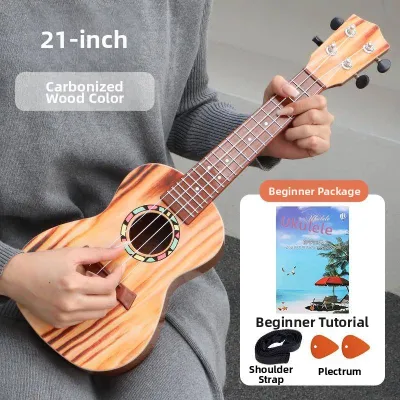
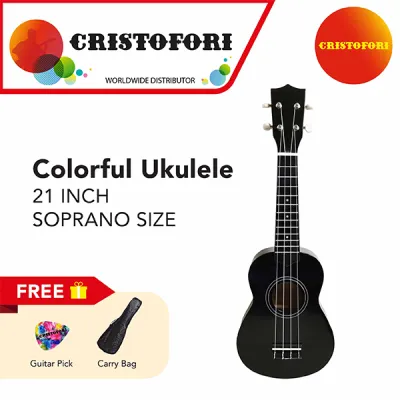
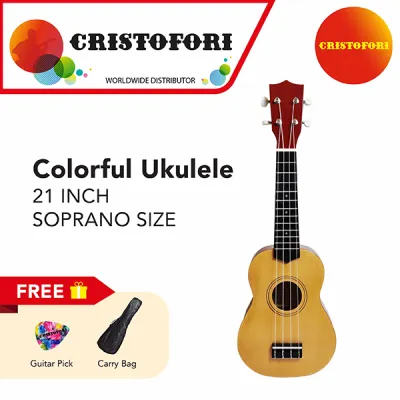

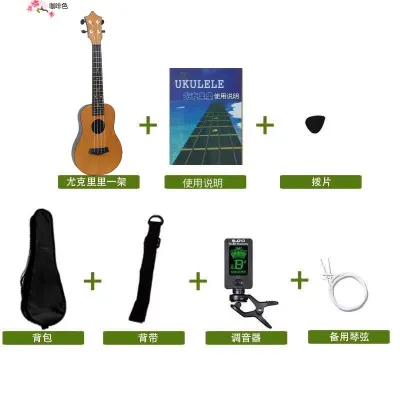
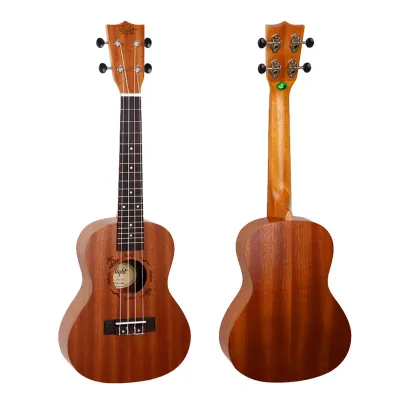
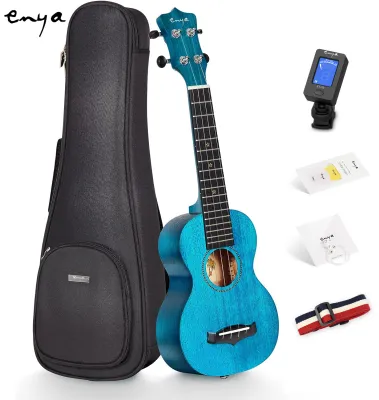
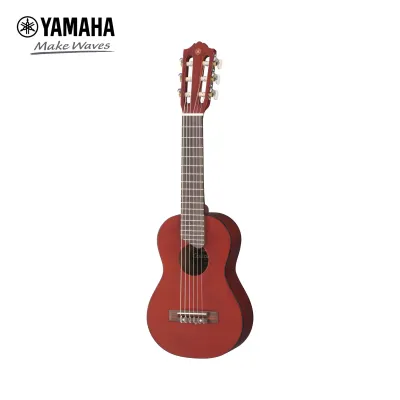
Prices are valid at publication and may change. Please refer to the product page for the latest price.
Playability is the next major pillar of a beginner-friendly brand. Playability is primarily determined by the “action,” which refers to the height of the strings above the fretboard. If the action is too high, you will have to press down incredibly hard to fret a note, resulting in sore fingers and buzzing chords. Conversely, if the action is too low, the strings will rattle against the frets when plucked. Reliable brands design their instruments with a comfortable, medium-low action right out of the box. Additionally, they ensure the neck profile is contoured comfortably for smaller or untrained hands, and that the frets are leveled and polished so there are no sharp metal edges along the side of the neck.
Finally, a supportive beginner brand often provides added value through complete starter packages and accessible local support. Many reputable brands offer beginner bundles that include essential accessories such as a padded gig bag, a digital clip-on tuner, a strap, and spare strings. Furthermore, choosing a brand with an established presence in Singapore ensures you have access to local warranty support. If your instrument develops a manufacturing defect, such as a lifting bridge or a warped neck, a brand with an authorized local distributor will allow you to resolve the issue quickly without the hassle and expense of international shipping.
Essential Specifications to Evaluate Before Buying
Before comparing specific brands, you must understand the physical specifications that will impact your playing experience. The first decision you will face is choosing between the two most popular beginner sizes: soprano and concert. Soprano ukuleles, measuring approximately 21 inches, are the traditional size and produce a bright, classic, jangly sound. While they are highly portable and excellent for children, adult beginners often find the fretboard cramped. Concert ukuleles, at around 23 inches, offer a slightly longer scale length and wider spacing between the frets. This extra room makes it significantly easier to place your fingers precisely when learning complex chord shapes. Additionally, the larger body of a concert ukulele produces a deeper, warmer, and louder tone.

The choice of tonewood is another critical specification, especially given Singapore’s unique environmental conditions. Ukuleles are generally constructed from either solid wood or laminate wood. Solid wood instruments vibrate more freely, offering a richer, more complex tone that matures and improves over time. However, solid wood is highly sensitive to changes in temperature and humidity. Singapore’s tropical climate, characterized by high relative humidity often exceeding 80%, combined with the frequent use of indoor air conditioning, creates a challenging environment for solid wood. Rapid shifts between hot, humid outdoor air and cool, dry air-conditioned rooms can cause solid wood to swell, shrink, warp, or even crack.
For most beginners in Singapore, laminate wood is the highly recommended choice. Laminate construction involves gluing together thin layers of wood with alternating grain directions. This cross-grained structure makes laminate ukuleles incredibly stable and structurally resilient. They are virtually immune to the warping and cracking caused by humidity fluctuations, making them low-maintenance instruments that you can safely store on a stand in your living room. Many modern brands produce high-quality laminates that mimic the appearance of exotic woods while delivering a bright, punchy tone that is more than adequate for learning.
Hardware quality is the final specification to evaluate. You should always look for instruments equipped with geared tuning pegs rather than friction pegs. Geared tuners utilize a mechanical gear system (usually with a 14:1 ratio) that allows for precise adjustments and holds the string tension securely. Friction pegs, which rely solely on tightness to hold the string in place, are notoriously difficult to adjust and prone to slipping, causing the instrument to go out of tune constantly. Additionally, pay attention to the stock strings. Reputable brands pre-string their instruments with high-quality fluorocarbon or dense nylon strings, such as Aquila Nylgut, which offer superior tuning stability and a warmer, more balanced tone than cheap, generic plastic strings.
Exploring Ukulele Brand Categories in the Local Market
The retail landscape for musical instruments in Singapore offers a wide array of choices, ranging from specialized local music boutiques to massive online marketplaces. To navigate these options effectively, it helps to categorize the available ukulele brands into two distinct tiers: established global brands and budget-friendly regional options. Each tier serves a different type of buyer, offering distinct advantages and trade-offs in terms of price, quality control, and long-term value.
Established Global Brands
Established global brands are widely recognized names in the acoustic instrument industry. These manufacturers have spent years refining their production lines, resulting in highly consistent instruments that are favored by music teachers and retail shops worldwide. When you purchase an instrument from a globally recognized brand, you are paying for standardized manufacturing and rigorous quality control. This means the likelihood of receiving a defective instrument is extremely low, and the factory setup is optimized to be playable straight out of the box.
While these instruments carry a higher initial cost—typically starting around S$80 to S$150—they offer excellent long-term value. They are built with durable materials and stable construction techniques, ensuring they will last for years if properly cared for. Furthermore, if you eventually decide to upgrade to an intermediate model or find that the ukulele is not the right hobby for you, instruments from established brands retain a much higher resale value on local secondhand marketplaces in Singapore.
When purchasing a global brand, it is essential to verify that you are buying from an authorized local distributor or a reputable music retailer. Authorized dealers can validate your manufacturer’s warranty, providing peace of mind in case of any rare structural defects. They also have direct access to genuine replacement parts, such as matching tuning pegs or bridge saddles, should you ever need a repair.
Budget-Friendly and Regional Options
On the other end of the spectrum are budget-friendly regional brands and unbranded generic instruments, which are highly visible on online marketplaces and ecommerce platforms. These ukuleles are often priced incredibly low, sometimes between S$30 and S$60, making them highly appealing to parents buying a toy for a child or casual buyers who want to try the instrument with minimal financial commitment.
However, these ultra-budget options come with significant trade-offs, primarily regarding quality control and factory setup. Because these manufacturers cut costs to keep prices low, their instruments frequently suffer from structural and playability issues. It is common to find budget ukuleles with excessively high action, uneven frets that cause specific notes to buzz, or sharp fret ends that protrude from the side of the neck and can scratch your fingers. Additionally, the wood used may not be properly seasoned, making the instrument highly susceptible to warping in Singapore’s humid climate.
If you decide to purchase a budget-friendly regional instrument, it is crucial to inspect the ukulele in person before buying, or ensure the online seller has a robust, local return policy. A budget instrument can be a perfectly acceptable starting point if it is properly set up and free of major defects. However, if the instrument requires extensive adjustments to be playable, the cost of taking it to a professional technician for a setup can easily exceed the original purchase price of the ukulele itself.
Purchasing Channels and Pre-Purchase Verification
Whether you choose to buy your ukulele from a physical music store in Singapore or an online marketplace, performing a thorough pre-purchase verification is the best way to ensure you walk away with a high-quality, playable instrument. If you are shopping in a physical store, do not hesitate to ask the staff if you can handle and tune the instrument yourself.
Use this practical checklist to evaluate the physical condition of the ukulele: First, inspect the neck straightness. Hold the body of the ukulele and look down the edge of the fretboard from the headstock to the body; the neck should be straight or have a very slight, almost imperceptible upward curve. A visible bow or twist in the neck will cause severe playability issues. Second, run your thumb and index finger gently along both sides of the neck. The metal fret ends should feel smooth and flush with the wood. If they feel sharp or snag your skin, the wood of the fretboard may have shrunk, or the frets were not properly dressed at the factory. Third, check the bridge and joint construction. Look closely at where the bridge meets the body of the ukulele. There should be no visible gaps, glue squeeze-out, or lifting. Similarly, inspect the joint where the neck meets the body to ensure it is perfectly flush and secure. Fourth, test the intonation. Tune the instrument using a digital tuner. Pluck an open string, then press down gently at the 12th fret and pluck it again. The tuner should show that the fretted note is exactly one octave higher than the open note. If the 12th-fret note is significantly sharp or flat, the instrument’s scale length is incorrect, and it will sound out of tune as you play higher up the neck.
If you are purchasing online, direct inspection is impossible, making seller verification your primary line of defense. Stick to official brand stores or highly rated local sellers on ecommerce platforms. Look for sellers that offer a clear return window and have positive reviews specifically praising their packaging, as ukuleles can easily be damaged during transit if not packed securely in bubble wrap and sturdy cardboard.
Finally, understand the value of a professional setup. A setup is the process of adjusting the nut, saddle, and neck to optimize the instrument’s playability. Many dedicated local music shops in Singapore include a basic setup with your purchase, where their in-house technician will adjust the string height and ensure the frets are level before you take the instrument home. If you buy online or from a general department store, you may receive an instrument straight from the factory box without any adjustment. In such cases, factor in the potential need to visit a local luthier or guitar technician to have the instrument set up, which typically costs between S$30 and S$50 but can transform a stiff, difficult instrument into a joy to play.
Frequently Asked Questions (FAQ)
Do I need a solid wood ukulele as a beginner?
No, a solid wood ukulele is not necessary for a beginner, and in Singapore’s humid climate, a laminate wood ukulele is often the superior choice. Solid wood is highly sensitive to humidity fluctuations, requiring careful storage in a climate-controlled room or a dedicated case with humidity-control packs to prevent warping and cracking. High-quality laminate ukuleles are structurally stable, highly durable, and virtually maintenance-free, while still delivering a bright, pleasant tone that is perfect for learning.
Should I buy a soprano or concert size first?
For most adult beginners, a concert-size ukulele is the highly recommended starting point. The slightly longer neck and wider fret spacing of a concert ukulele provide more room for your fingers, making it much easier to press down chords cleanly without crowding. Soprano ukuleles are excellent for children or players with very small hands, as well as anyone prioritizing maximum portability, but they offer a brighter, thinner sound compared to the warmer, fuller tone of a concert model.
Is it necessary to change the factory strings immediately?
It is generally not necessary to change the factory strings immediately, provided the ukulele comes from a reputable brand that uses high-quality strings like Aquila Nylgut. New nylon or fluorocarbon strings naturally stretch and will slip out of tune frequently during the first few days of playing. Before assuming the strings are bad, tune the instrument frequently and allow a week of regular play for the strings to settle and hold their pitch. If the strings feel exceptionally stiff, rough, or fail to hold tune after a week, upgrading to a premium set of fluorocarbon strings is a simple and inexpensive way to improve playability and tone.
Community discussion
Share your experience or ask a question. Comments are reviewed before publication.