
A reliable beginner ukulele brand must prioritize playability, stable tuning, and consistent build quality over cosmetic flourishes. For a first-time player in Singapore, finding an instrument that stays in tune and is comfortable to hold is the key to maintaining motivation. While searching, you will encounter both standard four-string ukuleles and six-string ukulele guitars, often called guitaleles. A standard ukulele is tuned G-C-E-A and offers the classic, easy-to-learn four-string experience, whereas a guitalele is tuned like a guitar (A-D-G-C-E-A) and is essentially a mini classical guitar. For most beginners, starting with a standard four-string soprano or concert model priced between S$60 and S$150 provides a practical balance of affordability and quality. Purchasing from an authorized local dealer ensures you receive a genuine instrument with a valid warranty, protecting your investment from day one.
Core Criteria for Evaluating Entry-Level Ukulele Brands
To make an informed choice, you must look past marketing buzzwords and evaluate the physical construction of the instrument. The choice of wood and build materials is a critical factor, especially given Singapore’s tropical climate. Entry-level ukuleles are generally made of either laminate wood or solid wood tops. Laminate wood consists of thin layers of wood pressed together, making it highly stable and resistant to the high humidity levels in Singapore, which frequently exceed 80 percent. Solid wood tops, while offering richer resonance and a more complex tone, are highly sensitive to humidity changes. Without proper climate control, solid wood can swell, warp, or crack over time. For a beginner, a high-quality laminate instrument is often the most practical and durable choice.
Quality control is another major differentiator among entry-level brands. A reputable brand ensures that even its budget models undergo rigorous factory inspections. When evaluating a brand, look at the consistency of the factory setup. The metal frets along the neck must be filed down smoothly; sharp fret ends that stick out from the side of the fingerboard can scratch your fingers and make playing painful. Additionally, the tuning machines—the pegs at the headstock—must turn smoothly and hold the strings securely. Geared tuners, which feature visible gears, are far more reliable than cheap friction pegs for beginners because they allow for precise adjustments and prevent the strings from slipping out of tune.
Products mentioned in this guide
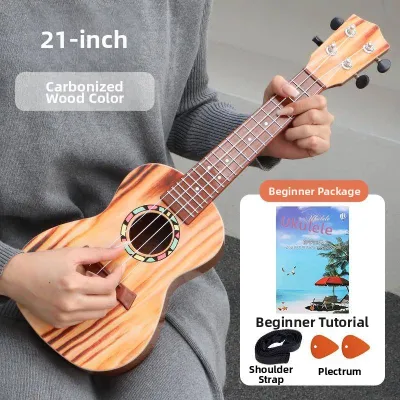
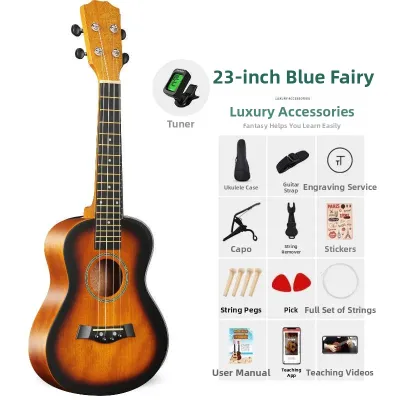
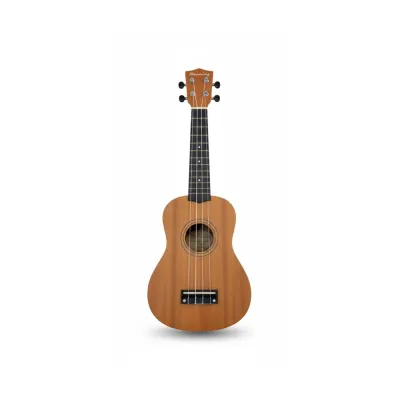

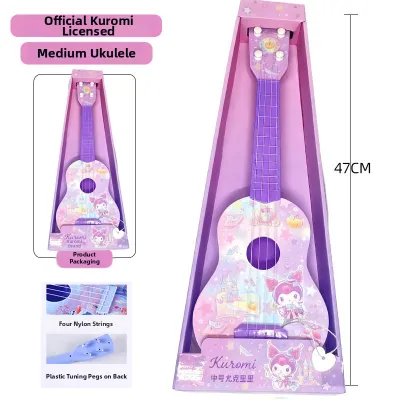
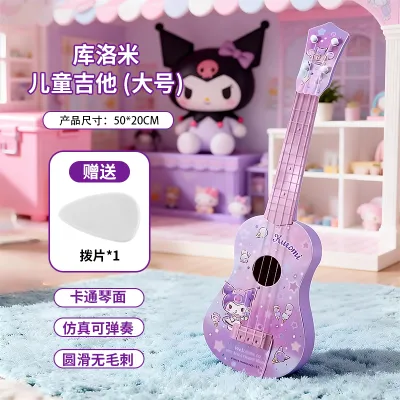
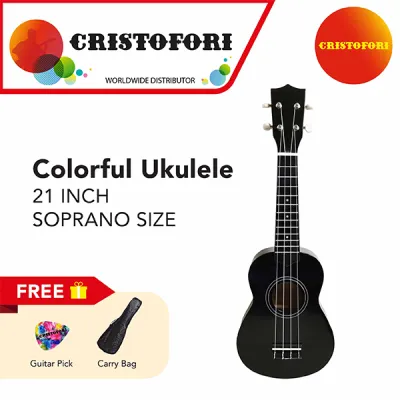
Prices are valid at publication and may change. Please refer to the product page for the latest price.
Finally, consider the brand’s long-term support and local presence. Established brands often have dedicated distributors in Singapore, which means you can easily source replacement parts, such as matching tuning pegs or bridge pins, if something breaks. A reliable brand will offer a clear warranty policy that covers manufacturing defects, such as glue failures or structural warping. Having access to local customer service means you can bring the instrument back to a physical store for adjustments or repairs, rather than dealing with international shipping and communication barriers.
Essential Pre-Purchase Checks for Your First Instrument
Before finalizing your purchase, performing a physical inspection of the specific unit you plan to buy is essential. Even within the same brand and model, individual instruments can vary due to shipping conditions or storage environments. Begin by checking the action, which refers to the height of the strings above the fretboard. If the action is too high, you will have to press down excessively hard to produce a clean note, leading to finger fatigue and soreness. If the action is too low, the strings will vibrate against the frets, causing an annoying buzzing sound. Check the string height at both the nut (near the headstock) and the saddle (on the body). Next, test the intonation by tuning the open strings and then pressing down at the twelfth fret. The note at the twelfth fret should be exactly one octave higher than the open string; if it is noticeably sharp or flat, the instrument’s scale length is misaligned, and it will sound out of tune as you play chords up the neck.

Next, inspect the structural integrity of the ukulele. Examine the bridge joint, where the strings are anchored to the body. The bridge should be completely flush with the top wood, with no visible gaps or lifting glue. Look down the length of the neck from the headstock to the body to ensure it is straight and not twisted or bowed. Run your fingers along the edges of the body and neck to check for any hairline cracks, finish blemishes, or loose joints. Gently tap the top and back of the body with your knuckle; a solid, healthy instrument will produce a clear, resonant ring, while loose internal bracing will result in a dull, rattling sound.
Lastly, evaluate the hardware and any bundled accessories. Many beginner packages include a gig bag, a strap, and a clip-on digital tuner. Inspect the gig bag to see if it offers adequate padding; a thin, unpadded nylon sleeve will protect against dust but will not shield the instrument from minor bumps or drops. Check the zippers and stitching for durability. If a clip-on tuner is included, verify that it is responsive and easy to read. While these accessories add value, they should not compromise the quality of the ukulele itself. If the bundle is cheap but the instrument is poorly constructed, it is always better to buy a high-quality standalone ukulele and purchase accessories separately.
Building Your Shortlist: Matching Brands to Player Needs
To narrow down your options, you should align your budget with your physical comfort and aesthetic preferences. Understanding what features are available at different price points helps manage expectations. In the under-S$80 range, you will primarily find basic laminate ukuleles. While these are highly affordable, they may feature simpler hardware and basic nylon strings. Moving into the S$80 to S$150 range opens up options with high-pressure laminates, better-quality geared tuners, and premium strings, such as Aquila Nylgut, which significantly improve tone and tuning stability. If your budget extends from S$150 to S$300, you can find entry-level solid-top models or instruments made from premium laminate woods like mahogany or koa, often featuring elegant binding, satin finishes, and even built-in pickup systems for plugging into an amplifier.
Ergonomics and scale length are equally important when selecting an instrument. The three most common sizes for beginners are soprano, concert, and tenor. The soprano is the traditional size, measuring about 21 inches. It has a bright, plucky sound and a compact fretboard, making it excellent for children or adults with smaller hands. However, players with larger fingers may find the frets too cramped. The concert size, at around 23 inches, offers a slightly larger body and a longer neck, providing more room between the frets and a fuller, louder sound. This is generally the most versatile size for adult beginners. The tenor size, measuring 26 inches, has an even deeper tone and a spacious fretboard, which is highly favored by players who want to transition to complex fingerstyle arrangements.
The finish of the instrument also plays a role in both aesthetics and maintenance. Ukuleles typically come in either a matte (satin) or gloss finish. A matte finish allows the natural texture of the wood to be felt, is highly resistant to showing fingerprints, and generally feels smooth to the touch. It also tends to be lighter, allowing the wood to vibrate more freely. A gloss finish, on the other hand, gives the instrument a shiny, reflective appearance that highlights the wood grain beautifully. However, gloss finishes are more prone to showing smudges, sweat marks, and scratches, requiring regular wiping with a microfiber cloth to maintain their appearance. Consider your willingness to perform regular maintenance when choosing between these finishes.
Navigating Purchase Channels and Verifying Authenticity
When you are ready to buy, choosing the right purchase channel is crucial to ensuring you receive a genuine product and reliable after-sales support. Visiting an authorized brick-and-mortar music store in Singapore is highly recommended for beginners. Physical stores allow you to hold different sizes, feel the neck profiles, and hear the tonal differences in person. Furthermore, reputable physical stores often perform a basic setup on the instrument before it leaves the shop, ensuring the action is comfortable and the strings are properly stretched. You also gain access to immediate, face-to-face advice from experienced staff who can guide you on tuning and basic maintenance.
If you prefer the convenience of online shopping, stick to official brand websites or authorized e-commerce flagship stores. Before clicking buy, verify the seller’s credentials to ensure they are an authorized dealer for the brand. Check the return policy carefully; a reputable online seller should offer a clear return window if the instrument arrives damaged or defective. Confirm that the purchase includes a local warranty rather than an international one, as local distributors may not honor warranties for instruments purchased from unauthorized overseas sellers.
Be vigilant against common red flags when browsing online marketplaces. Unusually low prices that seem too good to be true often indicate counterfeit products or B-stock items with structural defects. Check for the presence of a serial number, which is typically printed on a label inside the soundhole of the ukulele. If a seller cannot provide clear photos of the interior label or refuses to confirm the warranty status, it is best to walk away. Purchasing from unauthorized third-party sellers on open marketplaces often voids the manufacturer’s warranty, leaving you without recourse if the instrument develops structural issues due to Singapore’s humid climate.
Frequently Asked Questions (FAQ)
Is a soprano or concert ukulele better for an adult beginner?
For most adult beginners, a concert ukulele is generally the better choice. While a soprano ukulele offers the classic, bright sound and is highly portable, its compact fretboard can feel cramped for adult fingers, making it difficult to press down single strings without accidentally muting adjacent ones. A concert ukulele, with its longer scale length and wider fret spacing, provides more physical room to maneuver your fingers, making chord transitions much easier to learn. Additionally, the larger body of a concert ukulele produces a fuller, warmer, and louder sound with better projection, offering a more satisfying acoustic experience as you practice.
Do I need a solid wood ukulele for my first instrument?
You do not need a solid wood ukulele for your first instrument; in fact, a high-quality laminate ukulele is often a more practical choice for beginners. Solid wood instruments are highly sensitive to environmental changes and require careful humidity management to prevent warping, cracking, or joint separation, which can be challenging in Singapore’s naturally humid climate. High-quality laminate ukuleles are structurally stable, highly resistant to temperature and humidity fluctuations, and far more durable for everyday handling. Modern laminate manufacturing techniques also allow these instruments to produce an excellent, bright tone that is more than sufficient for learning and casual playing, all at a fraction of the cost of solid wood.
Community discussion
Share your experience or ask a question. Comments are reviewed before publication.