
When taking up the ukulele, finding a secure place to rest your instrument is just as important as learning your first chords. For beginners in Singapore, the best ukulele stand is one that balances a low center of gravity, non-reactive protective padding, and a compact footprint that fits comfortably within local living spaces. A sturdy metal A-frame stand is generally the most reliable starting point, offering maximum stability at an affordable price point without taking up valuable floor space.
While it is tempting to lean your new instrument against a wall or tuck it away in a drawer, a dedicated stand serves as both a physical safeguard and a visual invitation to practice. Choosing the right support requires understanding how different materials interact with Singapore’s unique tropical climate and how various designs perform on different surfaces. Investing in a reliable stand early on protects your instrument from costly structural damage and helps you build a consistent daily playing habit.
Why Every Beginner Needs a Dedicated Ukulele Stand
Storing a ukulele inside a zippered gig bag or a closet often creates an obstacle to learning. When an instrument is out of sight, it easily slips out of mind, making spontaneous practice sessions much less likely to happen. Placing your ukulele on a dedicated stand keeps it visible and instantly accessible, allowing you to pick it up and play for a few minutes whenever you have a spare moment.
Products mentioned in this guide
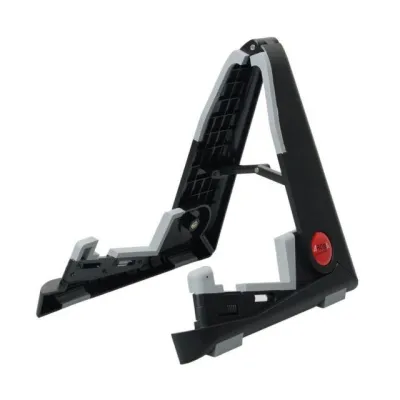
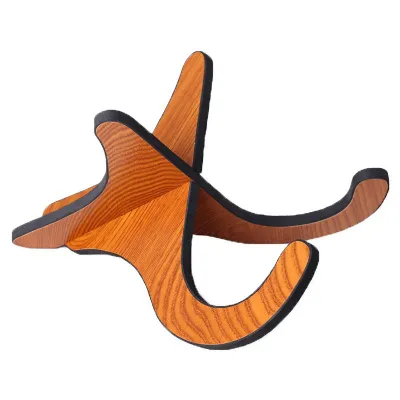
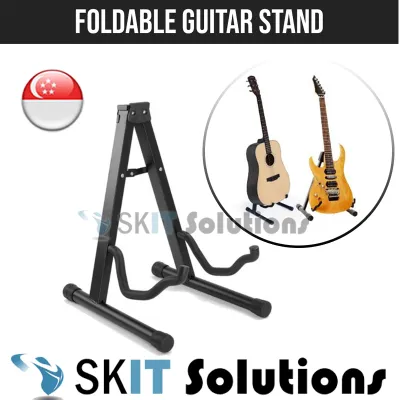
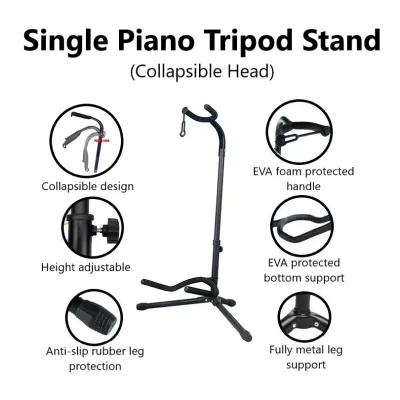
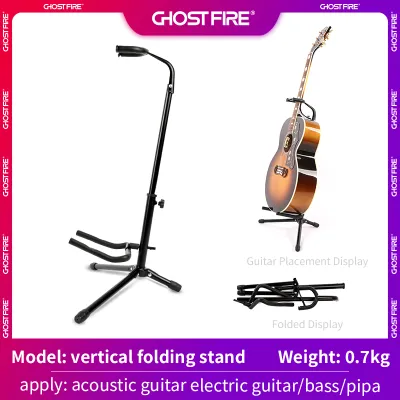
Prices are valid at publication and may change. Please refer to the product page for the latest price.
Leaning a ukulele against a wall, chair, or bed is a recipe for accidental damage. Because ukuleles are incredibly lightweight, a slight draft, a passing pet, or a minor bump can cause the instrument to slide and crash onto the floor. These falls frequently result in cracked wooden bodies, snapped headstocks, or misaligned necks that can be expensive or impossible to repair.
In typical Singaporean households, where space is shared and foot traffic can be tight, a dedicated stand establishes a safe zone for your instrument. It elevates the ukulele off the floor and keeps it secure from vacuum cleaners, stray toys, and accidental footsteps. Viewing a stand not as an optional accessory but as a fundamental part of your instrument setup ensures your ukulele remains in playable condition for years to come.
Key Features to Look for in a Beginner Ukulele Stand
Evaluating product listings online or browsing shelves in local music shops can be overwhelming with so many options available. To make an informed decision, you must look past aesthetic designs and focus on the core engineering features that keep an instrument safe. Prioritizing stability, high-quality padding, and reliable construction will save you from buying a flimsy stand that needs quick replacement.

Stability and Base Design
A stand is only as good as its ability to stay upright when accidentally bumped. Look for a design with a wide, sprawling base that distributes the weight of the stand and the instrument evenly across the floor. A low center of gravity is essential for lightweight instruments like the ukulele, as it prevents the stand from tipping over sideways or backward.
When comparing materials, metal constructions such as steel or heavy-duty aluminum offer significantly better stability than lightweight, thin plastics. Metal stands provide the necessary physical heft to anchor the setup, making them highly resistant to tipping. Always check the product specifications for the stand’s net weight; a slightly heavier stand is generally much safer than an ultra-lightweight alternative.
Padding and Instrument Protection
The points of contact where the stand meets your ukulele must be covered in protective material to prevent scratches and structural wear. Look for stands that feature thick, high-density foam, soft silicone, or non-reactive rubber cradles. This cushioning absorbs minor impacts and prevents the hard frame of the stand from rubbing against the wood.
Avoid stands with bare metal components or hard plastic edges that can scrape away the instrument’s finish or dent the soft tonewoods. In Singapore’s humid climate, cheap foam padding can degrade rapidly, becoming sticky or crumbly over time. Opting for high-quality silicone or dense EVA foam ensures the padding remains intact and protective even in high relative humidity.
Portability and Folding Mechanisms
If you plan to take your ukulele to music lessons, community gatherings, or outdoor jam sessions, portability becomes a primary consideration. Many modern stands feature folding designs that collapse into a flat, compact shape. This allows you to slide the stand directly into a gig bag pocket or a standard backpack.
When evaluating folding stands, pay close attention to the hinges and locking mechanisms. High-quality stands use tight, secure joints or physical locking pins that prevent the stand from collapsing while holding the instrument. Balancing the trade-off between a lightweight, travel-friendly frame and a solid, unyielding base is key to finding a stand that serves you well both at home and on the go.
Types of Ukulele Stands and Their Best Use Cases
Ukulele stands come in several distinct form factors, each tailored to specific environments and lifestyle needs. Understanding these categories allows you to match the stand’s design to the physical layout of your home or your typical playing habits.
A-Frame Stands
Named for their shape when viewed from the front, A-frame stands are the most popular choice for home use. They feature two angled legs that extend outward, creating a highly stable triangular base with a very low center of gravity. The ukulele rests low to the ground in a padded cradle, supported by a rear backrest.
These stands are exceptionally reliable on flat, even surfaces such as tiled, vinyl, or carpeted floors in bedrooms and living rooms. Because they do not extend high up the neck of the instrument, they remain unobtrusive and easy to place next to desks or television consoles. For beginners who primarily practice at home and prioritize maximum stability, the A-frame design is the ideal default choice.
Tripod Stands
Tripod stands utilize a three-legged base coupled with a vertical neck support rod that extends upward. The body of the ukulele rests on a lower cradle, while the neck is secured by a upper yoke, often featuring a safety strap or a gravity-activated gate. This design provides excellent physical security by holding the instrument at two separate points.
Because the three legs can adapt to slightly uneven ground, tripod stands are highly versatile for outdoor parks, classrooms, or informal stage setups. However, they do require a larger floor footprint than A-frame stands, which can make them less suitable for tight corners in smaller rooms. If you frequently play in active environments where people are moving around, the added neck security of a tripod is highly beneficial.
Minimalist and Single-Peg Stands
Minimalist stands include wooden X-frame designs, small plastic desktop cradles, and single-peg stands that hold the instrument by its base or soundhole. These options are designed to take up the absolute minimum amount of space, making them popular for desk setups, bookshelves, or display cases.
While highly aesthetic and compact, minimalist stands inherently carry a higher risk of tipping over because they lack a wide base or upper support. They are easily disturbed by sudden movements, curious pets, or young children. These stands should only be used on secure, flat desks or elevated shelves that are completely out of the path of daily household foot traffic.
How to Evaluate Ukulele Stands When Shopping Online
Shopping for a ukulele stand on local ecommerce platforms or digital music storefronts requires a careful eye for technical specifications. Since you cannot physically test the stand’s weight or stability before purchasing, you must rely on listed measurements and user feedback to verify its quality.
First, check the listed dimensions and weight of the stand in the product description. A reliable metal A-frame stand typically weighs between 400 grams and 800 grams; anything significantly lighter may lack the physical presence to remain stable. Ensure the base width is wide enough to prevent lateral tipping, especially if you plan to place it on a carpeted surface.
Next, verify that the stand is explicitly compatible with your specific ukulele size. While many stands are adjustable, some minimalist or molded wooden stands are designed specifically for smaller Soprano or Concert ukuleles and may not safely accommodate larger Tenor or Baritone models. Conversely, a stand designed for a guitar will often have cradles that are far too wide, allowing a small ukulele to slip straight through the bottom.
When reading user reviews, look past the overall star rating and search for specific keywords such as “tipping,” “padding,” “wobble,” or “humidity.” Pay close attention to reviews from buyers in Singapore or other tropical regions, as they often highlight whether the rubber components became sticky in warm weather. Finally, measure your available floor or desk space at home before ordering, and compare online shipping costs against a quick visit to a physical music store in areas like Bras Basah or Peninsula Plaza.
Common Mistakes Beginners Make When Choosing a Stand
One of the most frequent errors beginners make is purchasing the absolute cheapest plastic stand available online. These ultra-lightweight stands often lack rubberized feet, causing them to slide easily on smooth tile or laminate flooring. The savings of a few dollars are quickly negated if a flimsy stand collapses and causes expensive damage to your instrument.
Another common mistake is poor physical placement of the stand within the home. Positioning a stand directly behind a door, in a narrow hallway, or right next to a busy walkway greatly increases the chances of it being knocked over. Always place your stand in a dedicated, low-traffic corner of your room where it is visible but protected from accidental bumps.
Finally, avoid forcing a ukulele into a stand that does not fit its body shape. Trying to squeeze a wider tenor or baritone ukulele into a narrow, non-adjustable cradle can put immense lateral pressure on the lower bouts or the neck joint. Over time, this physical stress can warp the wood or weaken the glue joints, compromising the instrument’s structural integrity and sound quality.
Frequently Asked Questions (FAQ)
Can I use a standard guitar stand for my ukulele?
Using a standard guitar stand for a ukulele is generally not recommended unless the stand is specifically labeled as multi-instrument compatible with fully adjustable yokes. Because ukuleles are much smaller and narrower than guitars, they will easily slip through the wide neck cradles and base supports of a standard guitar stand. This improper fit leaves the instrument highly unstable and prone to falling out at the slightest vibration or bump.
Will a stand damage the finish of my ukulele?
Stands equipped with high-quality, inert silicone or dense EVA foam padding are perfectly safe for the vast majority of modern ukulele finishes, such as satin or gloss polyurethane. However, if you own a premium or vintage ukulele with a delicate nitrocellulose lacquer finish, you must exercise caution. Certain cheap, synthetic rubber compounds used on budget stands can chemically react with lacquer over time, leaving permanent cloudy marks or soft spots on the wood finish.
Do I need a stand if I already have a padded gig bag?
Yes, a stand serves a completely different purpose than a padded gig bag. While a gig bag is essential for protecting your instrument from dust, moisture, and impacts during transport, it is not designed for quick, daily access. Keeping your ukulele packed away in a bag creates a psychological barrier to spontaneous practice, whereas a stand keeps your instrument safe, upright, and ready to play at a moment’s notice.
Community discussion
Share your experience or ask a question. Comments are reviewed before publication.